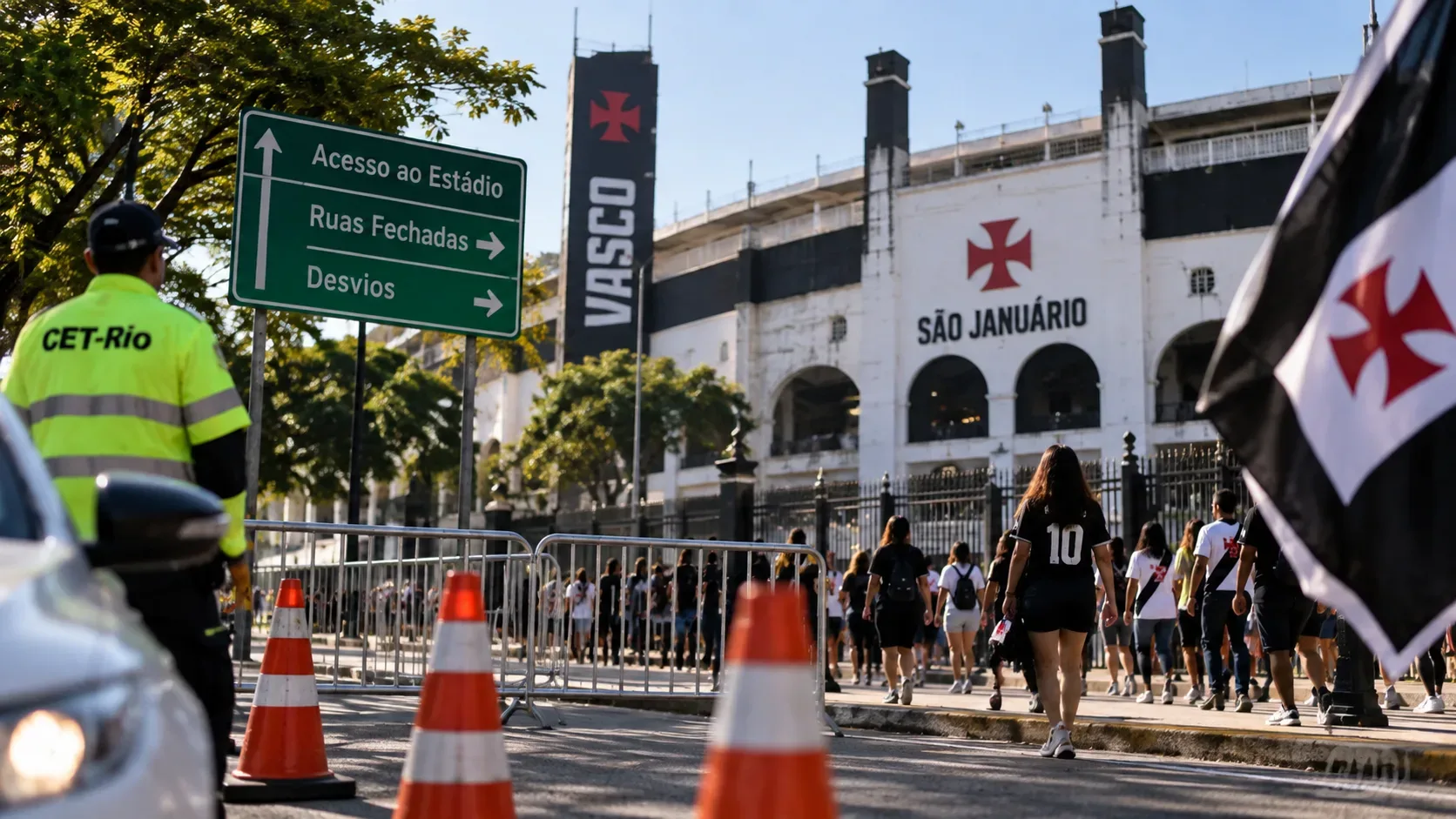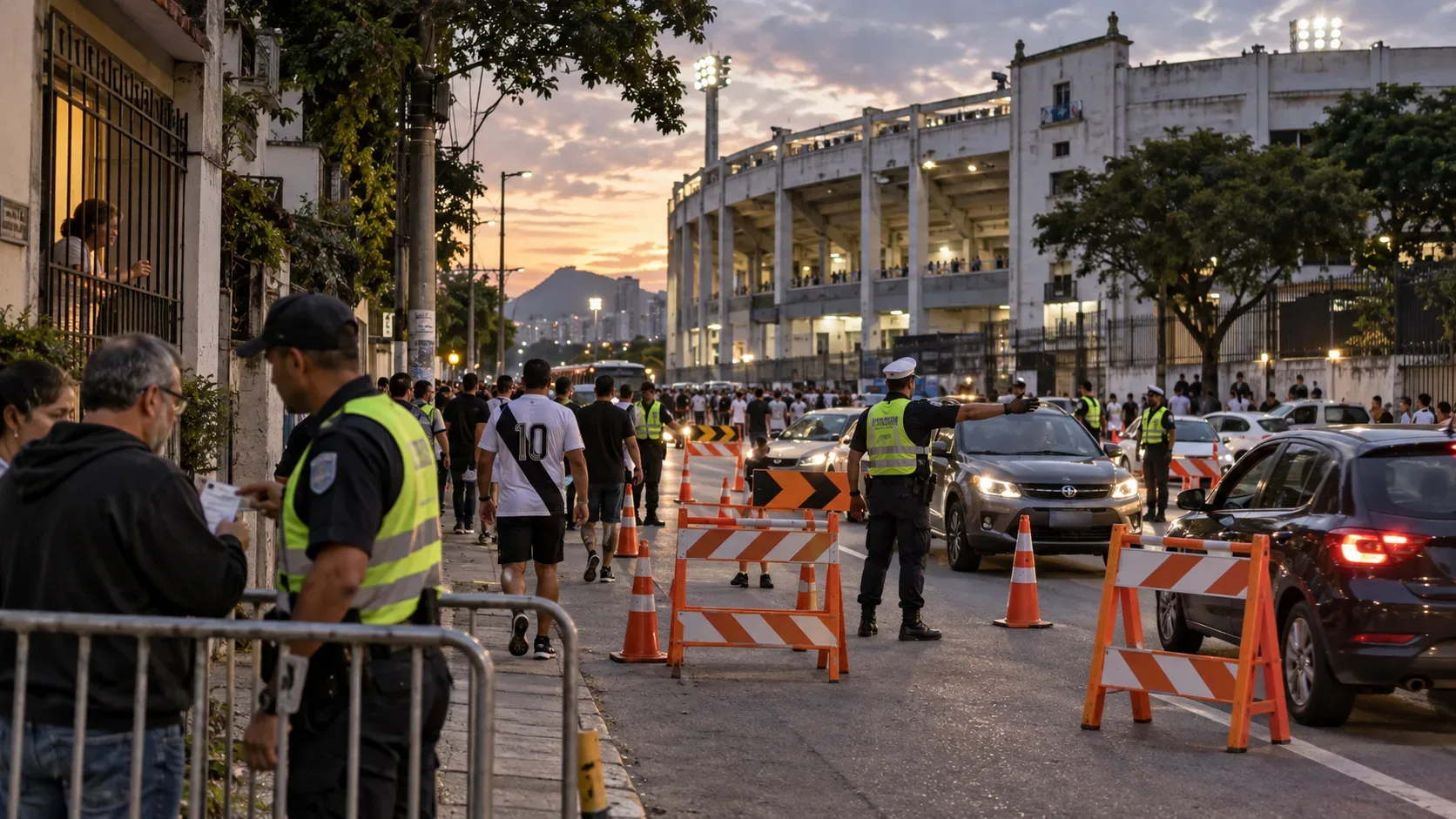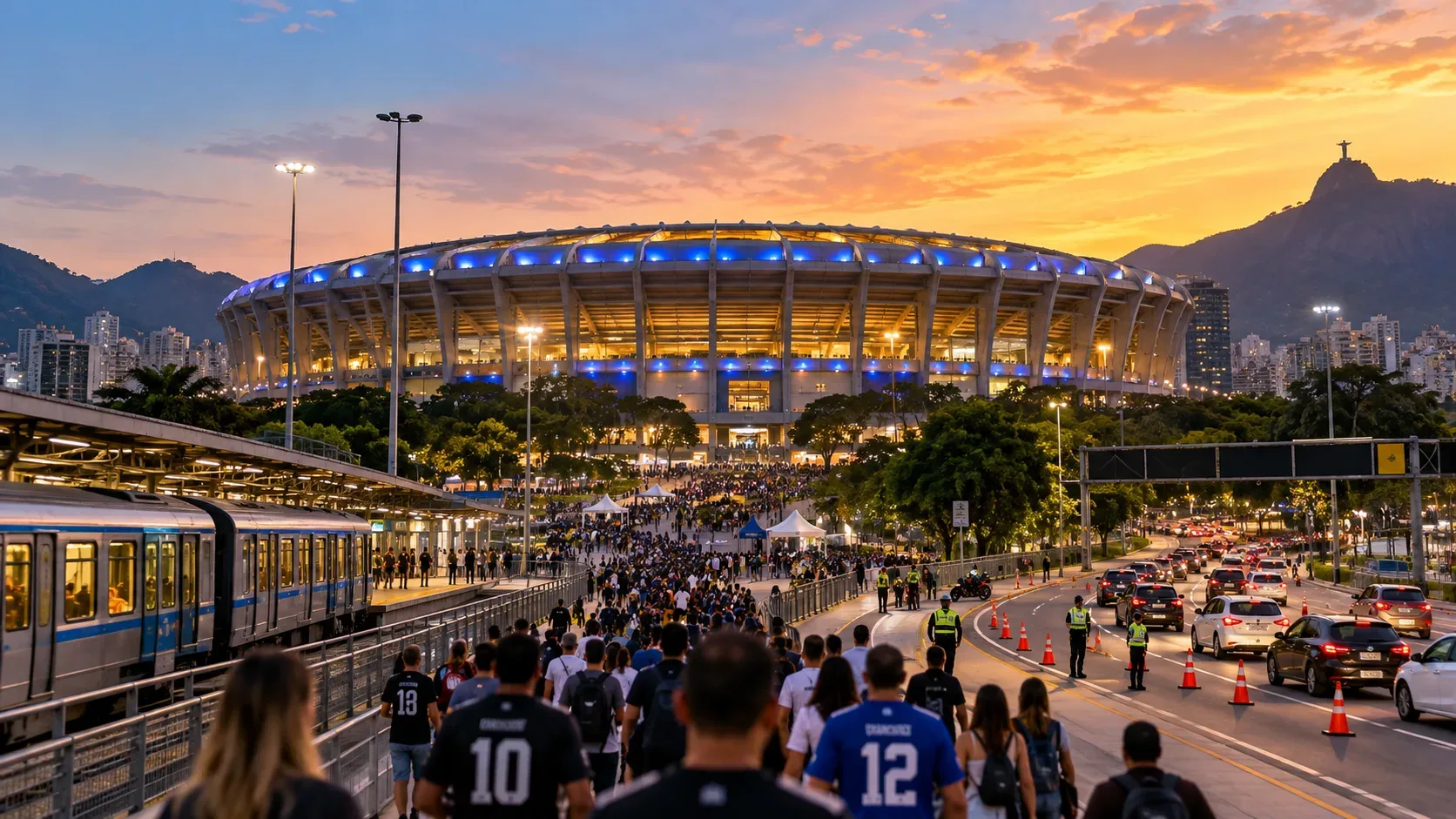
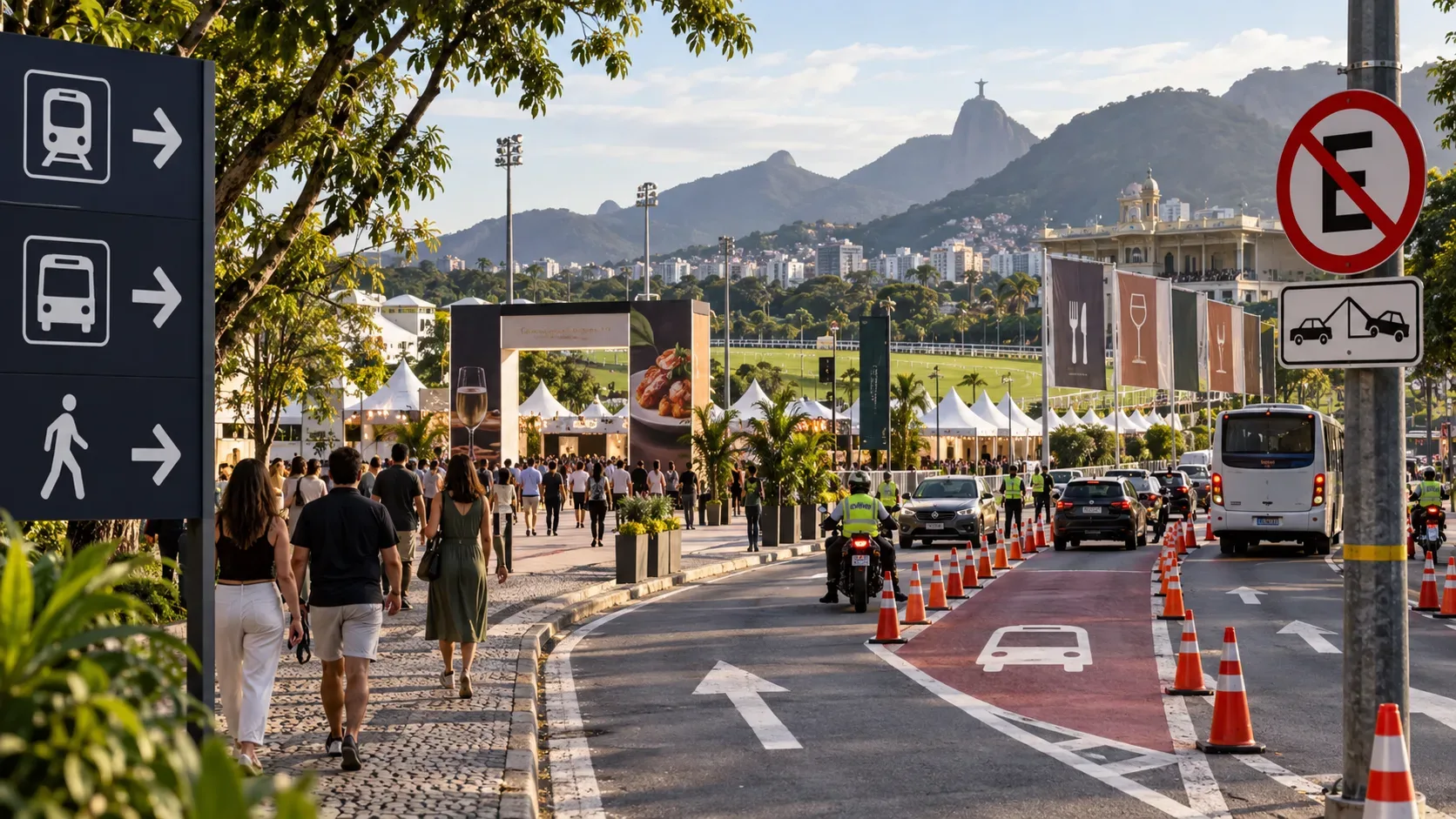
Anyone going to Rio Gastronomia 2026 at the Jockey Club Brasileiro should plan the trip before leaving. CET-Rio has set up a special traffic operation for all 12 event days, spread across three weekends, with traffic officers, signage and monitoring from 12 p.m. to 11:50 p.m. No road closures are scheduled, but parking will be prohibited during specific periods around the Jockey Club's circular access points, and the official recommendation is to prioritize public transport.
When the special traffic operation is in effect
The festival runs from Thursday to Sunday over three blocks: September 17 to 20, September 24 to 27, and October 1 to 4, 2026. CET-Rio's traffic operation runs from 12 p.m. to 11:50 p.m. on all of those dates. Festival opening hours vary by day of the week, according to service information published by a public agency taking part in the event.
| Period | Festival dates | CET-Rio operation | Parking prohibition |
|---|---|---|---|
| First weekend | Sep. 17 to 20 | 12 p.m. to 11:50 p.m. | From 6 p.m. Sep. 16 to 11:59 p.m. Sep. 20 |
| Second weekend | Sep. 24 to 27 | 12 p.m. to 11:50 p.m. | From 6 p.m. Sep. 23 to 11:59 p.m. Sep. 27 |
| Third weekend | Oct. 1 to 4 | 12 p.m. to 11:50 p.m. | From 6 p.m. Sep. 30 to 11:59 p.m. Oct. 4 |
The parking restriction applies on Avenida Rodrigo Otávio around the circular access points to the Jockey Club Brasileiro. CET-Rio also states that no dedicated event parking areas will be created.
How to get there by metro
Antero de Quental station in Leblon is the reference station recommended by CET-Rio for people using the metro. The city says signage will be installed in the area to guide people between the station and the Jockey Club.
The current MetrôRio page for Antero de Quental station lists general operating hours of 5 a.m. to midnight Monday through Saturday and 7 a.m. to 11 p.m. on Sundays and public holidays. Because Rio Gastronomia also closes at 11 p.m. on Sundays, visitors planning to return by metro on those days should not assume they can stay until the festival closes and still board regular service. Check on the day whether a special operation has been announced and allow extra time to reach the station.
What about buses?
CET-Rio also recommends using buses. Because routes, stopping points and service intervals can change, and the area will be under a special traffic operation, the most useful approach is to check a transit planner shortly before departure and confirm the boarding point for the return trip. In practice, favor a route that does not depend on a private car in the busiest part of Gávea.
For people combining bus and metro, Antero de Quental remains a useful reference point in Leblon. The traffic operation is designed to organize arrivals and departures, but it cannot eliminate congestion around the venue during peak periods.
Where not to park and which roads to avoid
The clearest restriction is on Avenida Rodrigo Otávio: during the periods listed in the table, parking is prohibited around the Jockey Club's circular access points. CET-Rio also advises drivers to avoid the event area, especially Avenida Bartolomeu Mitre and the Gávea neighborhood.
For travel between Leblon and Jardim Botânico, Humaitá or Botafogo, the official recommendation is to use the Lagoa route whenever possible. This does not mean the route will be traffic-free, but it is the path suggested by the traffic authority to reduce pressure on roads closest to the event.
Using a ride-hailing car or taxi?
Even without scheduled road closures, pickup and drop-off very close to the entrances may be slower because of pedestrian flow, buses, private vehicles and operational signage. A practical strategy is to agree on a meeting point outside the most congested section and walk from there, while always following signs and instructions from traffic officers.
When leaving, avoid requesting a car at the exact moment large groups are exiting the event. If practical, wait a few minutes in a safe place or walk to a less congested pickup point. The decision should take into account the time, local safety and any on-site CET-Rio guidance.
Festival hours that matter for the trip home
Service information published for the 2026 edition lists opening hours from 5 p.m. to midnight on Thursdays and Fridays, except September 18, when gates open at 6 p.m.; Saturdays from 12 p.m. to midnight; and Sundays from 12 p.m. to 11 p.m. These hours matter for transport planning because departure peaks are likely after concerts and near closing time.
On Sundays, the coincidence between the festival closing at 11 p.m. and the metro's currently published regular closing time of 11 p.m. deserves special attention. Recheck the station's hours on the day, particularly if a special event service is announced.
Checklist before leaving home
- Confirm that your date falls within one of the festival's three weekends.
- If driving, do not rely on event-specific parking being available.
- Do not plan to stop or park on Avenida Rodrigo Otávio during the restriction windows.
- Use Antero de Quental as the metro reference point and allow time to reach the Jockey Club.
- If taking a bus, check the route, stop and arrival estimate close to your actual departure time.
- If you are only crossing the area by car, avoid Bartolomeu Mitre and central Gávea when possible.
- For trips between Leblon and Jardim Botânico, Humaitá or Botafogo, consider the route via Lagoa, as recommended by CET-Rio.
- For the return trip, check the last departure of your chosen transport before staying until the end of the program.
Checklist for leaving the Jockey Club
- Before leaving the event, open your transport app or check metro service for updated conditions.
- If returning by metro, follow signs toward Antero de Quental and allow for walking time.
- If using a bus, confirm the correct stop and any operational changes.
- If requesting a car, choose a legal pickup point that does not block vehicle or pedestrian flow.
- Follow traffic officers' instructions even if an app suggests a different route.
Sources to check on the day
Traffic rules and parking-restriction windows were published by CET-Rio. Station hours and access information should be checked with MetrôRio. Festival dates also appear on Riotur, while the address and opening hours were published in official service information from the Belo Horizonte City Hall, which is participating in the 2026 edition. For last-minute decisions, prioritize official channels because special operations can be adjusted according to traffic conditions.