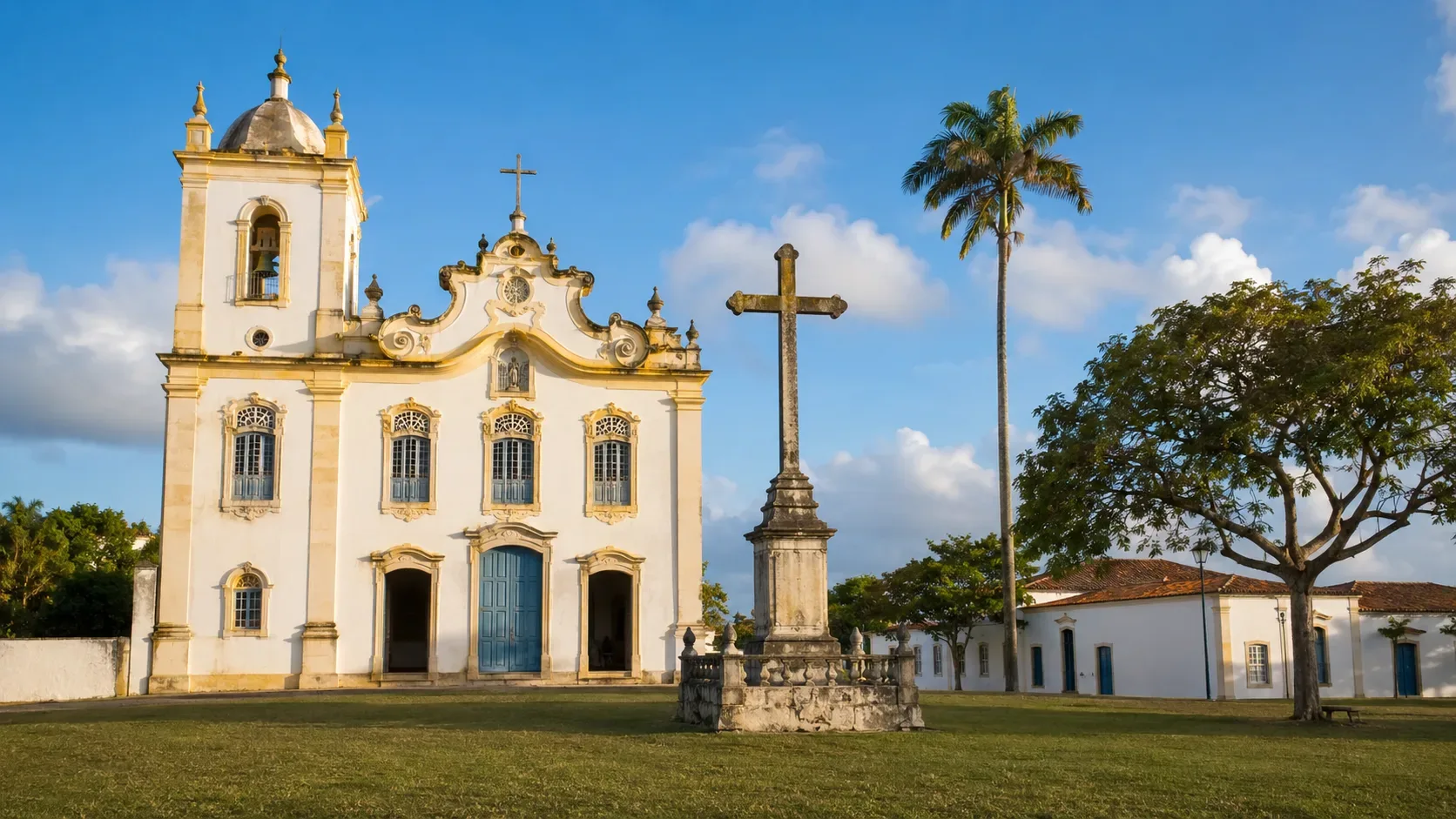
The parishes of São Cristóvão and Itaporanga d’Ajuda now have their own regional structure for pastoral coordination: the Regional Vicariate of São Tiago Apostle. The change does not mean a merger of parishes or replacement of pastors. The main effect is to organize them in the same group, with a regional vicar responsible for promoting communion among priests, monitoring pastoral life and helping to coordinate evangelizing initiatives in direct connection with the archbishop.
The Archdiocese of Aracaju announced the creation of the vicarage on June 30, 2026 and appointed Father Carlos Henrique Santos as its first regional vicar. In July, the Archdiocese scheduled the solemn institution for the 25th, at the Nossa Senhora da Vitória Parish and Sanctuary, in the Center of São Cristóvão. Later records from the parish itself began to present the vicarage as established on that date.
From the creation to the institution of the new vicarage
The announcement on June 30 informed that the new organization was defined after deliberation by the Council of Priests and that the priests who work in São Cristóvão and Itaporanga d’Ajuda were consulted before choosing the regional vicar. According to the Archdiocese, the reorganization responds to the growth and pastoral needs of the region and seeks to allow closer monitoring of the communities.
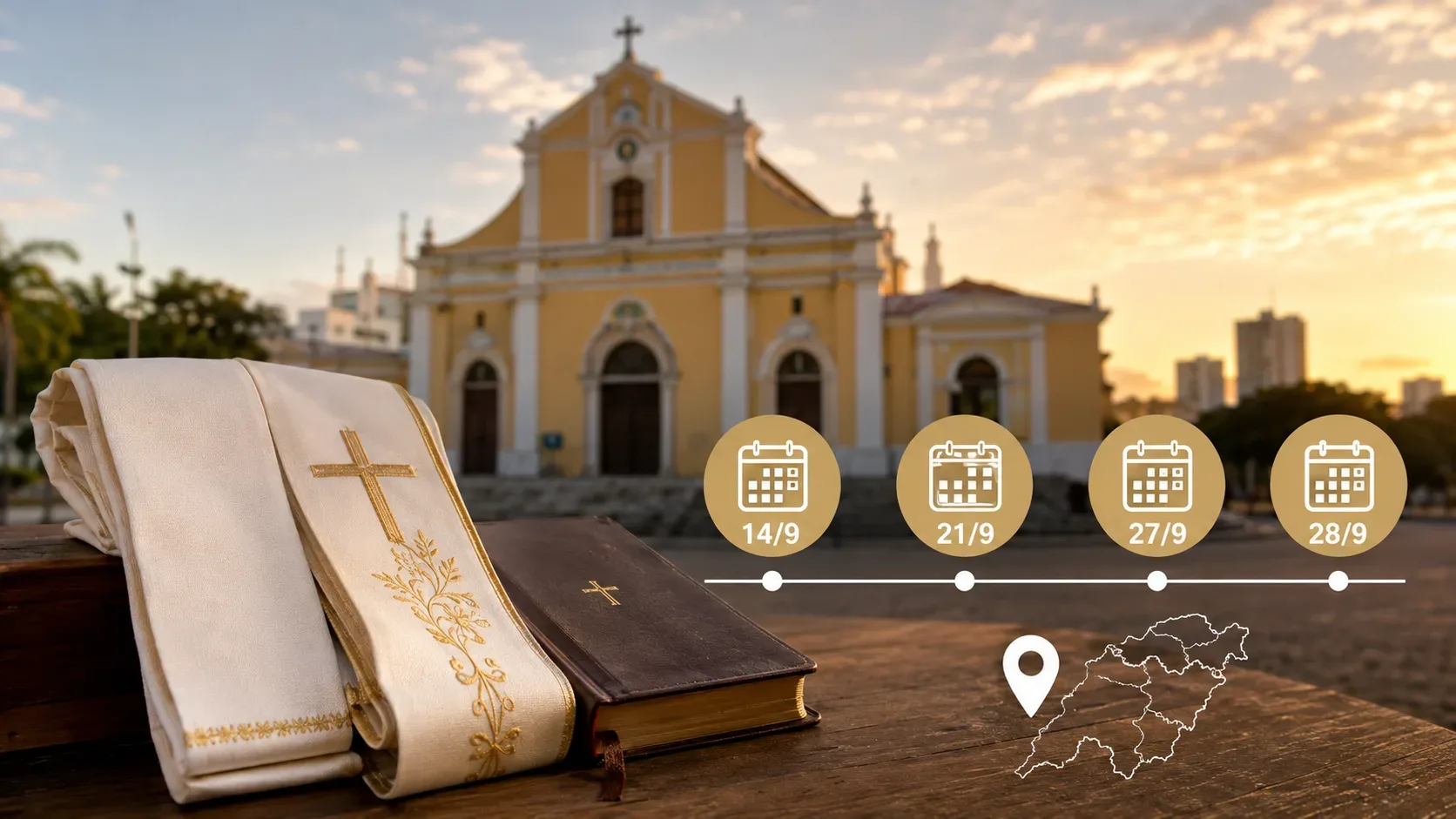
The solemn institution was prepared for July 25, at 9 am, at the Nossa Senhora da Vitória Sanctuary, with a celebration presided over by the Metropolitan Archbishop of Aracaju, Dom Josafá Menezes da Silva. The Archdiocese itself explained that the new vicarage brings together the parishes of the two municipalities and aims to strengthen evangelizing action, communion and pastoral organization.
The two dates, therefore, represent different moments. In June, the creation and appointment of the first regional vicar was announced. In July came the public institution of the new pastoral unit.
What is a vicarage and why bring together several parishes
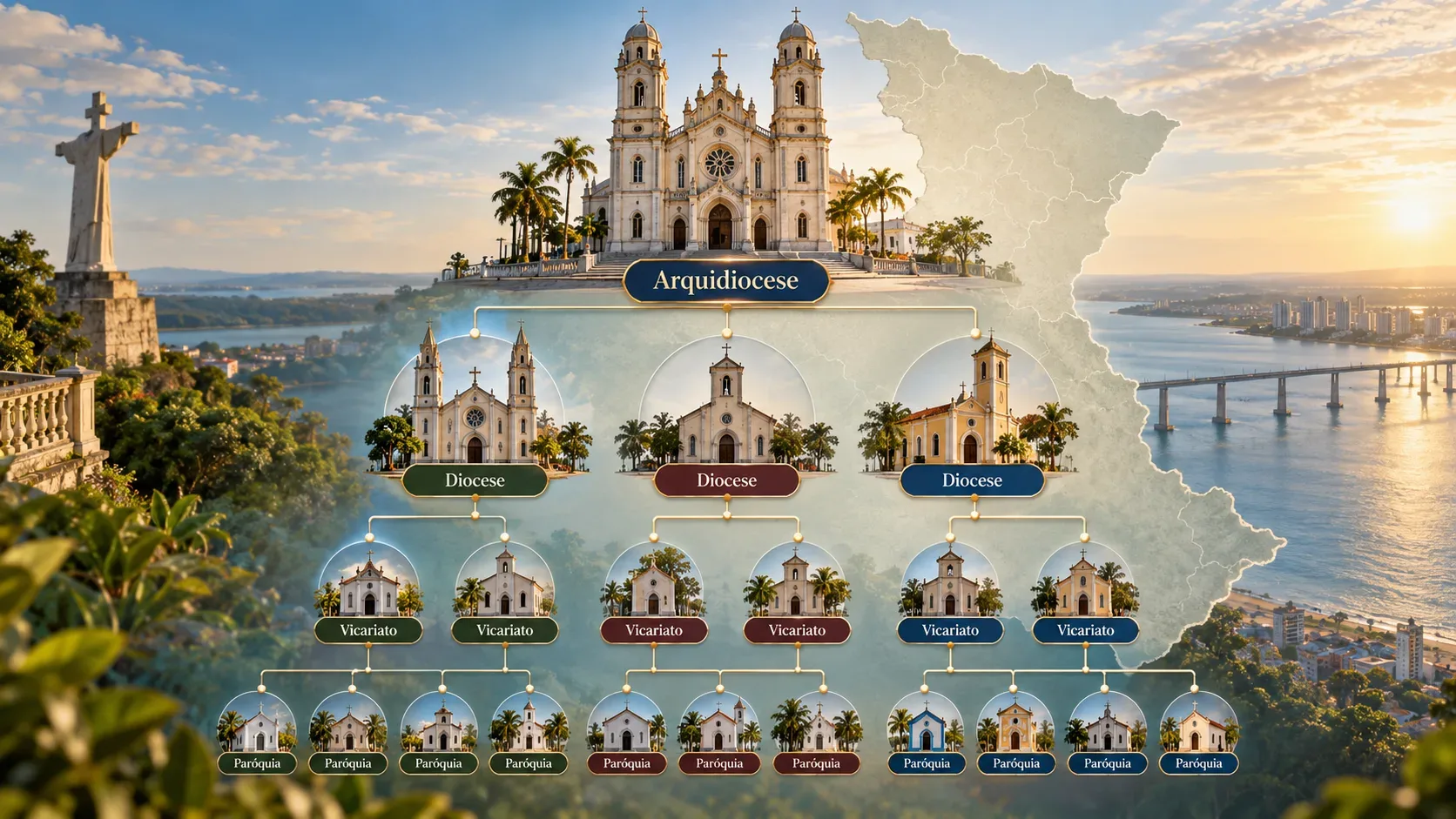
The Code of Canon Law provides that neighboring parishes may be brought together in their own groups to promote pastoral care through common action. It is in this principle of organization that the function of territorial structures of this type is understood.
The Code also deals with the figure of the vicar forane, a priest placed at the head of a group of parishes. Among its responsibilities are promoting and coordinating common pastoral activity and, as determined by the bishop, monitoring the parishes in its region. The Archdiocese of Aracaju uses, in this case, the name “Regional Vicar” and specified for Father Carlos Henrique tasks of communion between priests, articulation of evangelizing initiatives, monitoring of pastoral life and collaboration with the archbishop.
This helps to understand the change without confusing the vicarage with a new parish or a new diocese. The communities continue to be part of the Archdiocese of Aracaju and maintain their own parish life; what is added is a regional level of coordination.
What changes for São Cristóvão and Itaporanga d’Ajuda
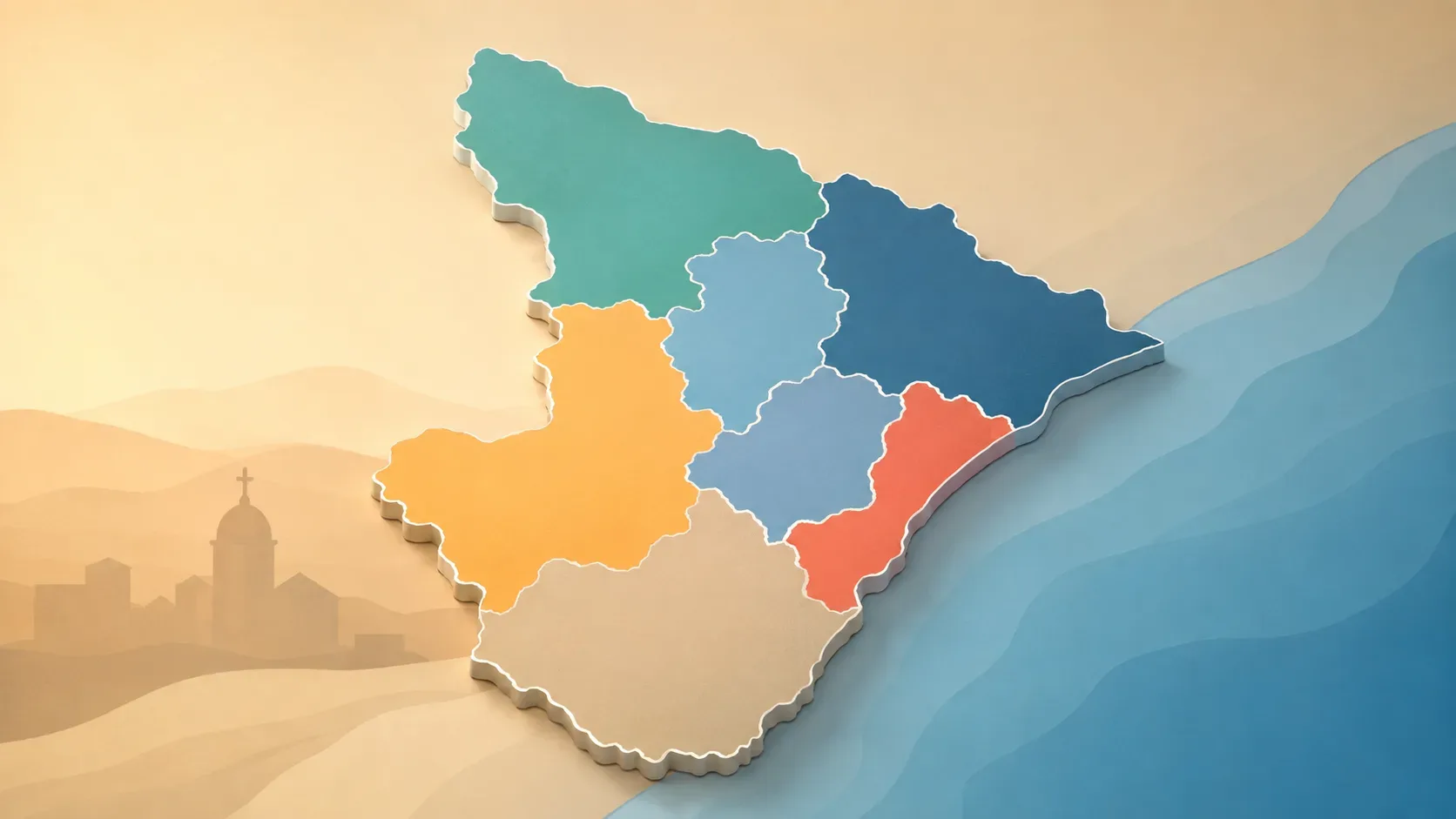
The clearest consequence is that the parishes of the two municipalities also begin to be thought of as part of the same pastoral region. Issues that go beyond the boundaries of a single community can be articulated jointly, instead of relying exclusively on isolated initiatives.
This creates better conditions for meetings between clergy, planning of common evangelizing actions and rapprochement between pastorals and communities in the two municipalities. It does not mean that all activities will need to be carried out together. The function of the vicarage is precisely to offer a structure for cooperation when it makes sense pastorally.
Father Carlos Henrique began to play an important role in this articulation. In addition to being parish priest of the Nossa Senhora da Vitória Parish and Sanctuary, in São Cristóvão, he was chosen as the first regional vicar of São Tiago Apostle. The Archdiocese assigned him the mission of promoting communion among priests and collaborating with Dom Josafá in coordinating evangelizing action in the region.
For the faithful, part of the effects will probably be noticed as activities, formations, meetings or pastoral projects organized at a vicarial level arise. These developments, however, depend on the planning that will be released by the parishes themselves and by the Archdiocese.
What doesn't change automatically with the new vicarage
The creation of the Vicariate of São Tiago Apostolo, in itself, does not equate to the extinction or merger of parishes. The official sources consulted also did not announce, as a direct consequence of the institution, general changes in mass times, parish offices, patron saints, parish boundaries or places of celebration.
This means that the faithful can continue looking for their own parish for information about masses, sacraments, catechesis, parties and other activities. When there is a joint program for the new vicariate, it must be communicated through the responsible ecclesiastical channels.
This distinction is important because the novelty is, at this first moment, mainly in the form of organization and pastoral support. The new vicarage administratively and pastorally brings together communities that already belonged to the same Private Church in Aracaju, but now share a specific regional reference.
A structure that begins to take on a life of its own
The institution of the Regional Vicariate São Tiago Apostolo opens a new stage for the presence of the Archdiocese of Aracaju in São Cristóvão and Itaporanga d’Ajuda. Its concrete result will not only be measured by the creation of a new division on the ecclesiastical map, but by the ability to bring together parishes, priests, pastoral agents and faithful in initiatives that respond to the needs of these communities.
Therefore, the next steps deserve monitoring. Joint calendars, formation meetings, missionary actions and other vicarage initiatives should show, in practice, how this new organization will be incorporated into the life of the Church in the two municipalities.
For those who participate in local communities, the safest guideline is to follow communications from the Archdiocese of Aracaju and the parish itself. It is on these channels that the concrete developments of the Vicariato São Tiago Apostolo will be announced.