Applications for the fourth cohort of the Cultural Accessibility Specialization are free and open until October 1, 2026, at 11:50 p.m., following the extension established by Notice No. 1084/2026. There are 250 places across five regional centers. The selection is aimed at professionals and representatives linked to cultural institutions, cultural initiatives, civil-society organizations and public higher education institutions. Applicants must have completed an undergraduate degree and provide documentation appropriate to their profile and application category.
Who can apply?
According to Brazil's Ministry of Human Rights and Citizenship (MDHC), eligible groups include public employees at cultural institutions; representatives of Pontos and Pontões de Cultura and Pontos de Memória; Territorial Culture Agents linked to Federal Institutes; representatives of civil-society organizations; and administrative staff and faculty at public higher education institutions (IPES). Applicants must consult Notice No. 898/2026, its amendment and the attachments published by UFRJ to establish their precise category and supporting evidence.
Affirmative-action provisions allocate, at each of the five centers, 10 places to Black, Brown and Indigenous applicants, 10 to persons with disabilities and one to travesti, transsexual and transgender applicants. Check the official self-declaration forms and the requirements for the chosen category. Reserved places do not waive general eligibility or document verification.
How are the 250 places distributed?
- Rio de Janeiro (RJ): UFRJ, 50 places.
- Porto Alegre (RS): UFRGS, 50 places.
- Brasília (DF): UnB, 50 places.
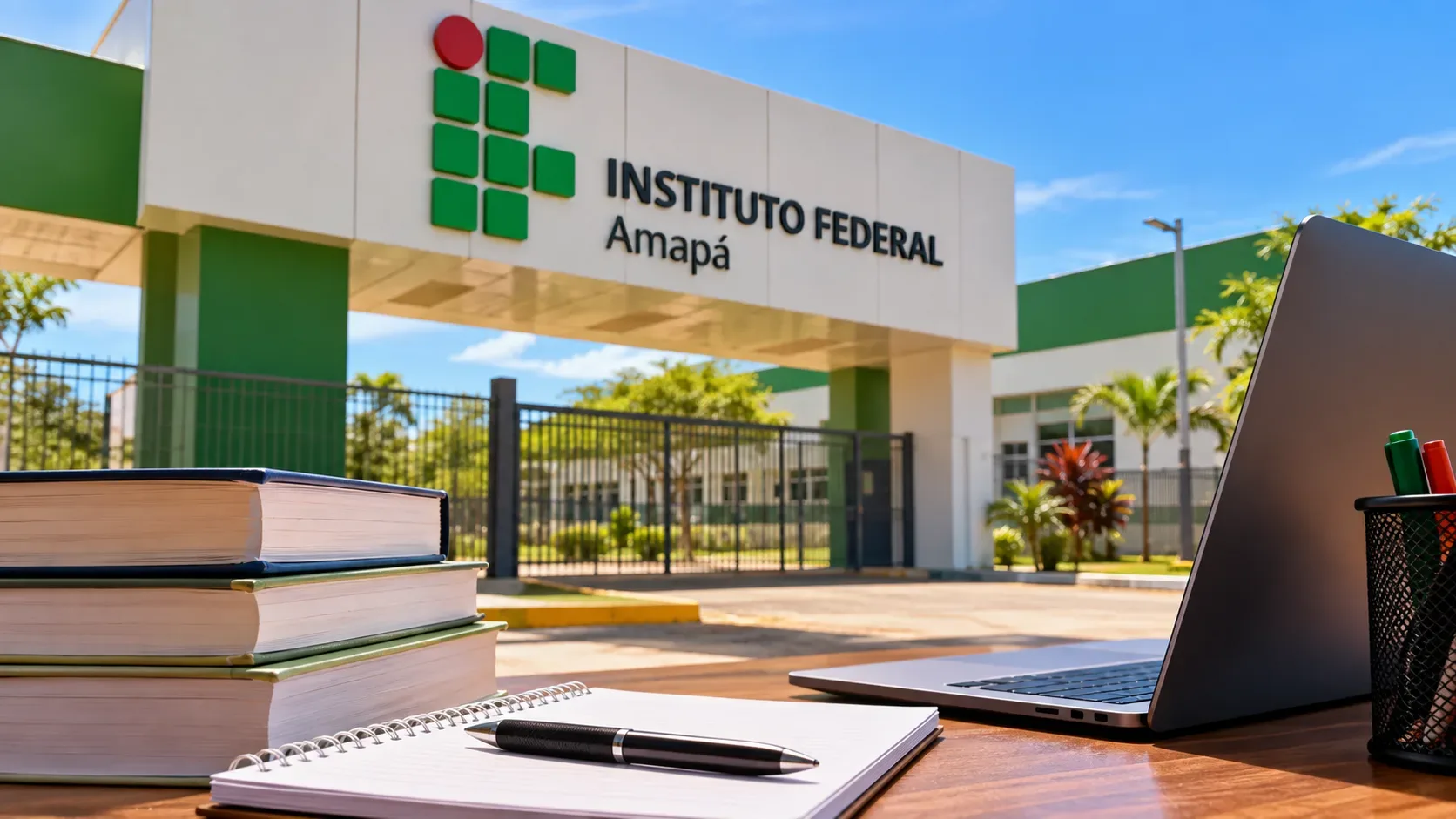
- Macapá (AP): Unifap, 50 places.
- Natal (RN): UFRN, 50 places.
Choosing a center matters: although most learning is remote, attendance at mandatory in-person meetings is required at the center to which the student is assigned.
How do you apply, and what documents are needed?
Applications are exclusively online and free. Visit the official UFRJ application page, read the notice, amendment and attachments, open the application form linked there, and submit the required documents by 11:50 p.m. on October 1. Applications already submitted remain valid and must not be resubmitted. The extension changed the deadline; all other unchanged rules remain in force.
Basic documents listed by MDHC are a Ministry of Education (MEC)-recognized undergraduate diploma, or a certificate of completion together with proof that the diploma has been requested; an identity document; CPF (Brazilian taxpayer identification number); and a Lattes or conventional CV. Depending on the applicant's institutional role and place category, evidence of cultural projects, experience in accessibility or work with persons with disabilities, institutional partnerships, letters and self-declarations may also be required. Check official templates before submitting; the basic list may not be sufficient for your situation.
How does the specialization work?
The free program comprises 390 hours over 16 months and four modules. Most activities use a virtual learning environment, including recorded lessons, readings, forums and practical exercises. Each module includes a mandatory 20-hour in-person meeting at the assigned regional center. Students pay for their own travel, meals and accommodation, so free tuition does not mean participation has no costs.
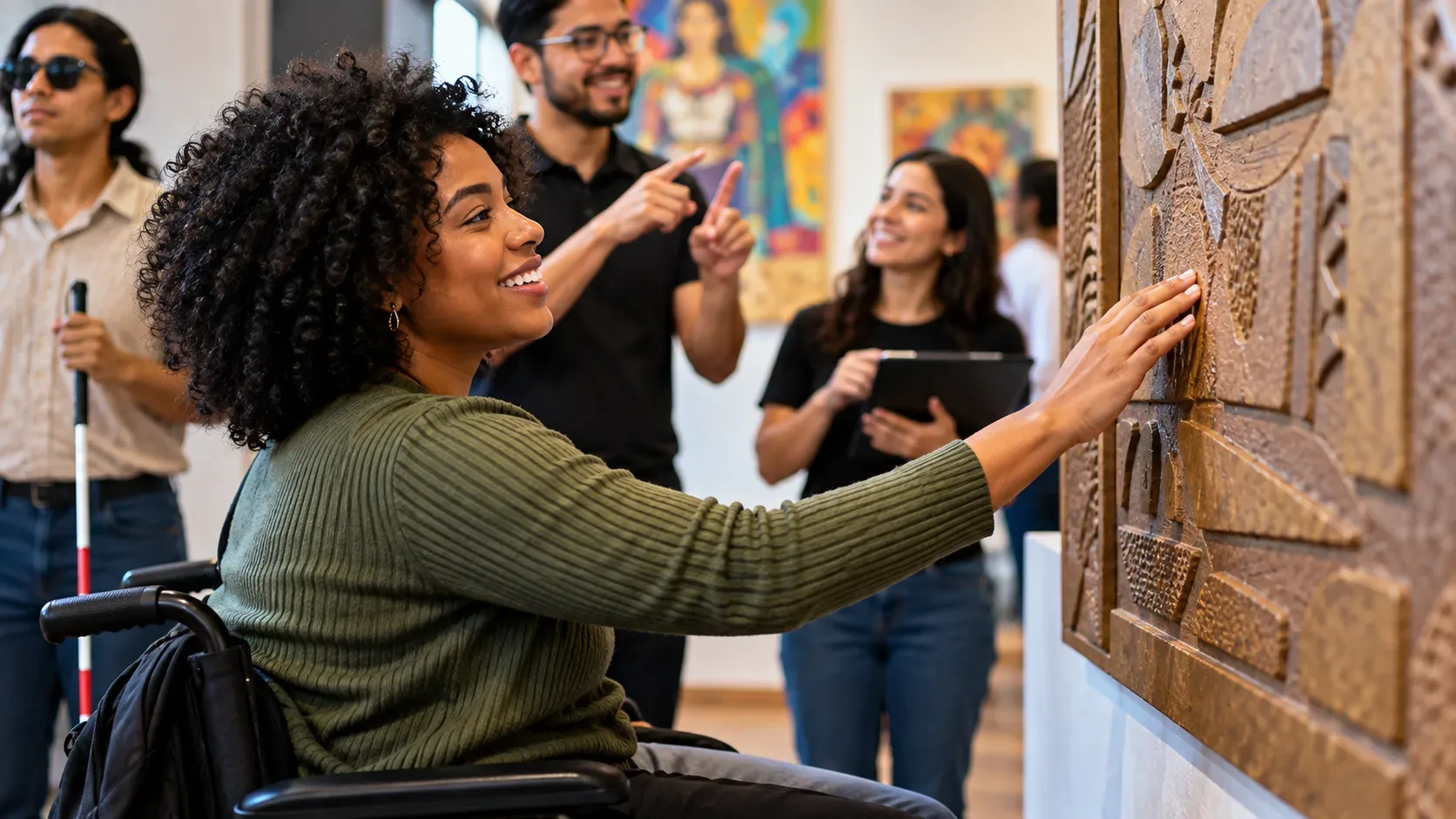
Topics include cultural policy and diversity, disability, assistive technology, arts education, audio description, captioning, plain language, Deaf culture and accessible cultural production, as well as a final course project (TCC).
What happens after applications close?
The published schedule sets document screening for September 21 to October 21, 2026; selection for November 2 to December 2; results for December 14, 2026; and enrollment for January 18 to February 5, 2027. As screening overlaps the application period, follow official instructions and communications. Consult the notice and attachments for scoring and appeals procedures.
Accessibility and official contacts
UFRJ provides a screen-reader-compatible PDF notice, a plain-language version, a Brazilian Sign Language (Libras) video and attachments. Questions: duvidasceac@medicina.ufrj.br. For assistance in Libras, the published WhatsApp contact is +55 21 98408-4740, using a video message. Check the official page before completing the form.