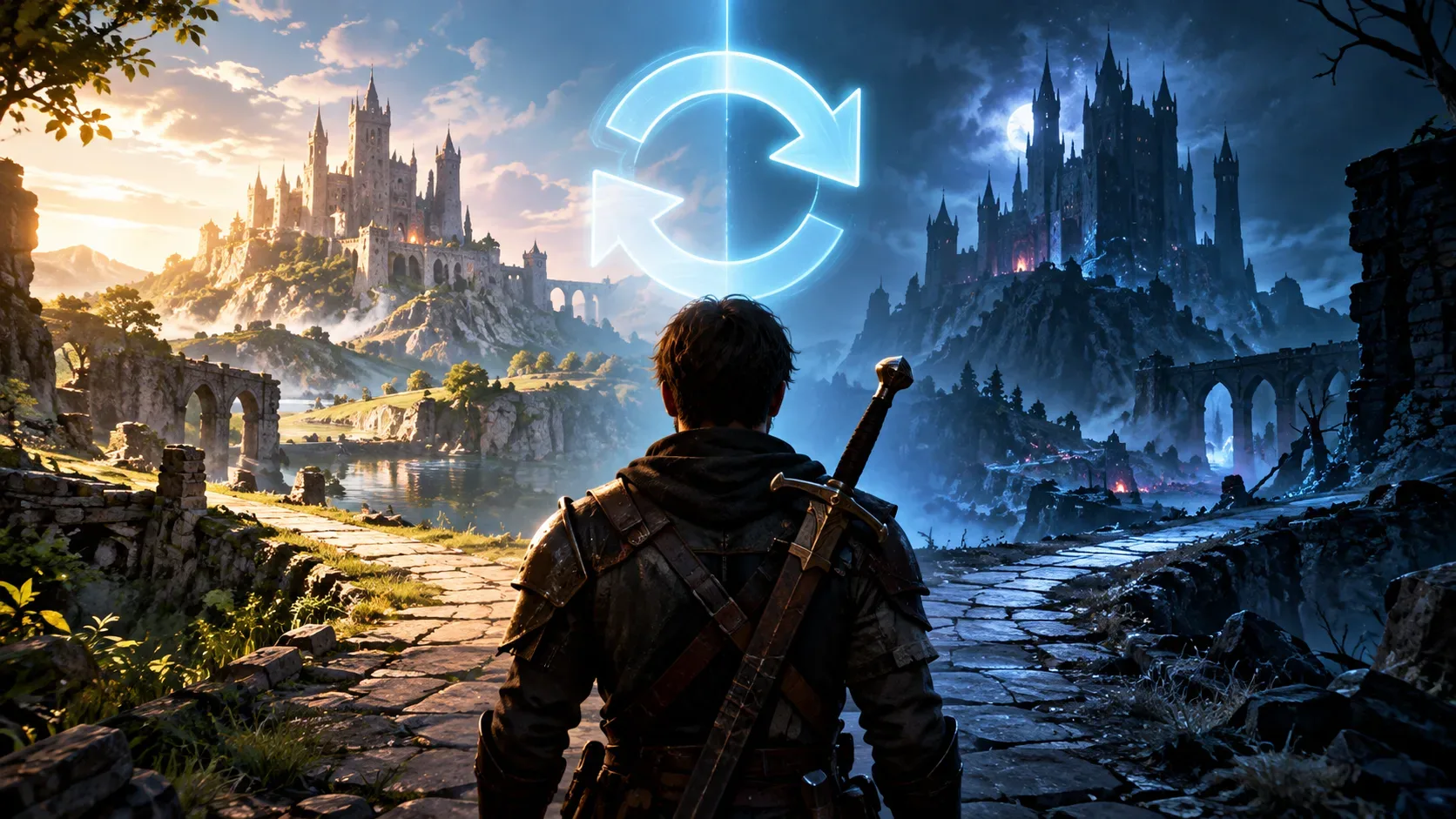
New Game Plus does not follow one universal rule. In campaign games, the most common pattern is to restart the story while carrying over part of the progression from a previous save. Levels, weapons, armor, abilities, resources, and collectibles may carry over, while quests, objectives, discovered areas, and story-linked powers may return to their initial state. What persists depends on the rules of each game.
What does New Game Plus mean in practice?
The mode, often shortened to NG+, is usually unlocked after completing the campaign or an equivalent requirement. It creates a new playthrough based on an advanced save, letting players revisit the story without necessarily rebuilding the character from scratch.
That does not mean the entire save is copied. Developers decide which systems can be preserved without breaking campaign sequencing. Two games can therefore use the same label while applying very different rules.
What usually carries over
There is no guarantee, but several elements appear frequently across New Game Plus modes:
- Character level: many games preserve the level or most numerical progression.
- Weapons, armor, and gear: starting the new campaign with previously acquired equipment is common, sometimes including endgame items.
- Abilities and combat upgrades: skill trees, talents, and permanent improvements are often retained.
- Resources and currencies: some games carry over materials, money, or crafting resources, although exceptions may apply.
- NG+-exclusive progression: some titles raise the level cap or add new gear, currencies, or stronger enemy variants.
In God of War Ragnarök, for example, official information states that equipment, weapons, and skills carry over into NG+. The mode also adds a higher level cap, new equipment, and enchantments. The official God of War page similarly describes carrying over armor, enchantments, talismans, resources, and abilities.
What usually resets
Elements that are closely tied to campaign structure are the most common reset candidates:
- Main story and quests: the campaign normally starts again so the player can replay the narrative sequence.
- Objectives and quest boards: completed tasks may return to an incomplete state.
- Map discovery: some games clear discovered locations or part of the recorded exploration.
- Story-linked abilities: even when many abilities remain, powers needed to control campaign order may be locked again.
- Quest items: keys, narrative objects, and other items used only for a specific stage are often removed or reacquired at the proper point.
Assassin's Creed Shadows provides a clear example of this split. Ubisoft states that NG+ resets story progress, the objective board, and discovered locations while preserving character level, acquired gear, skill points, Knowledge Rank, and Hideout progression.
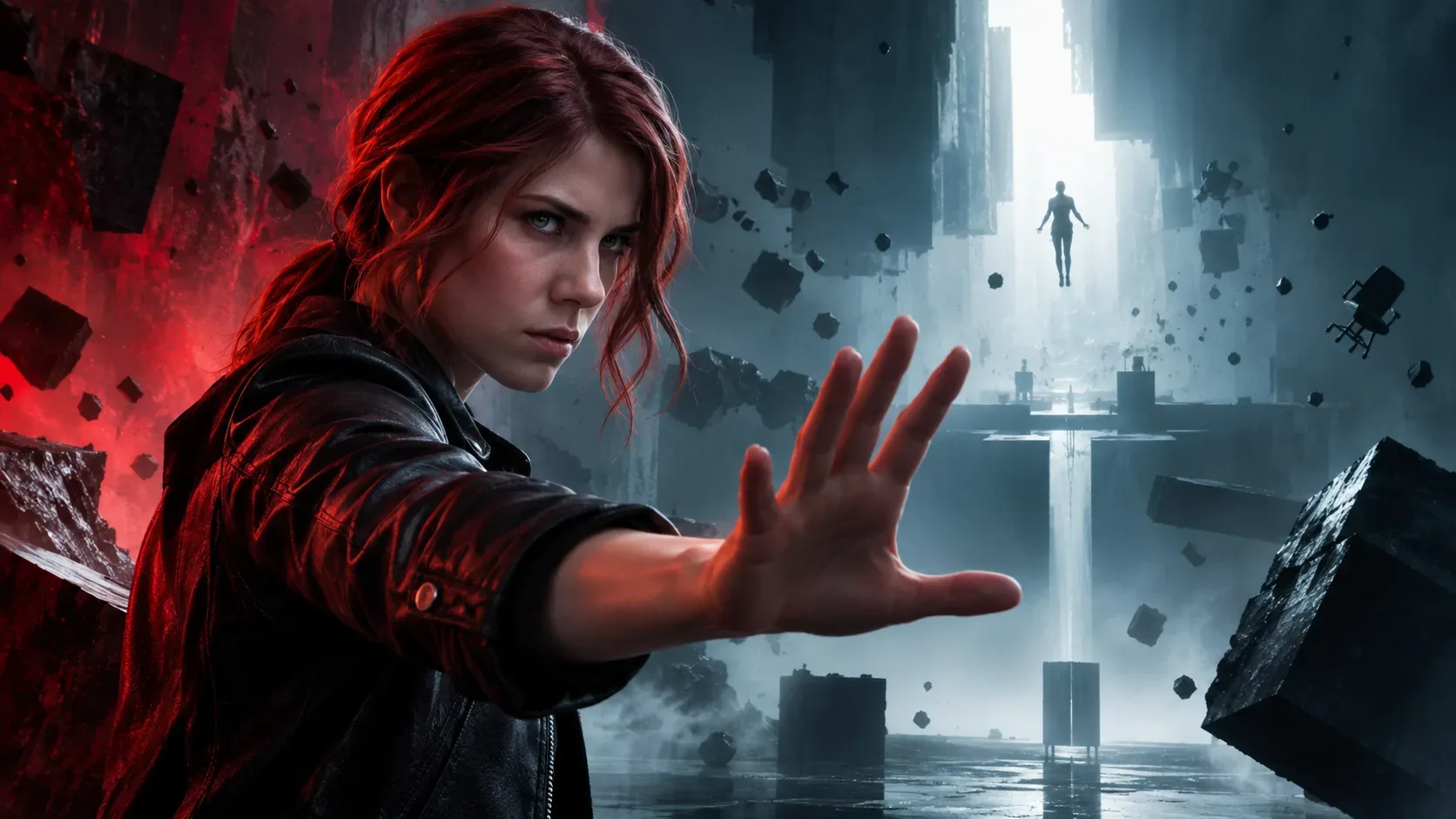
Another example shows why players should not assume every ability remains available. In the published NG+ details for Control Resonant, Remedy says upgrades, combat abilities, talents, and artifacts persist, while traversal abilities do not because they are tied to story progression.
Summary: common patterns, not guarantees
| Element | Typical NG+ behavior | Why it may vary |
|---|---|---|
| Level | Often carries over | The game may rebalance progression and difficulty. |
| Weapons and armor | Often carry over | Some items may depend on quests or specific versions. |
| Abilities | Many carry over | Story or traversal abilities may be locked again. |
| Story and quests | Usually reset | The mode is commonly built around replaying the campaign. |
| Map and discovered locations | Varies widely | Some games preserve exploration, while others reset it. |
| Currencies and materials | Varies | Limits, conversions, or NG+-exclusive currencies may apply. |
| Quest items | Usually reset | They are tied to objective and event sequencing. |
Why are some items removed even from an advanced save?
The main reason is to prevent carried progression from breaking campaign logic. A tool obtained late in the story could open an area too early, skip a quest, alter a scene, or grant access to an objective before the intended moment.
For that reason, many games separate combat progression from narrative progression. The first can be retained to reward experienced players, while the second can be reset to preserve event order.
NG+ can also change difficulty and content
New Game Plus is not always just the same campaign with a stronger character. Some titles add adjusted enemies, new gear tiers, challenges, currencies, cosmetics, or other exclusive rewards. In God of War Ragnarök, for example, NG+ raises the level cap and introduces new progression options. In other games, difficulty may be selectable or receive specific adjustments.
Starting stronger therefore does not necessarily mean the campaign will be easier. The balance may have been designed around inherited gear.
How to check the rules before starting New Game Plus
- Read the official mode description or update notes. Look for an explicit list of what carries over and what resets.
- Check which save is used as the base. Some games require a completed campaign or a save marked as finished.
- Confirm story items and exploration abilities. These are among the elements most likely to have exceptions.
- Check currencies, materials, and collectibles. They may be retained, converted, or reset.
- Avoid overwriting your only completed save unnecessarily. If the game allows it, keep the original save separate until the NG+ file is created successfully.
The safest rule
When you see the term New Game Plus, treat it as a new campaign with some inherited progression, not as a complete copy of the previous playthrough. Levels, gear, and abilities are common candidates to remain; story progress, quests, narrative items, and parts of exploration are common candidates to reset. The game's own documentation is the only reliable way to know which exceptions apply.