The fifth batch of PURSUE made more material on unidentified anomalous phenomena available to the public, but did not announce a solution to the UAP question nor present “unresolved” as a synonym for unknown technology or extraterrestrial origin.
This difference is central to interpreting Release 05. On August 7, 2026, the United States Department of War published the fifth batch of records from the Presidential Unsealing and Reporting System for UAP Encounters (PURSUE). The official portal offers 130 MB of documents and 513 MB of videos in this batch and informs that new releases will continue to occur gradually.
What has changed, therefore, is primarily the volume and variety of material available for public scrutiny. What has not changed is the need to evaluate each case based on the quality of the data that accompanies it.
What Release 05 really adds
The most concrete gain of Release 05 is documentary: records that were previously inaccessible or dispersed are now part of an open government archive, organized within PURSUE.
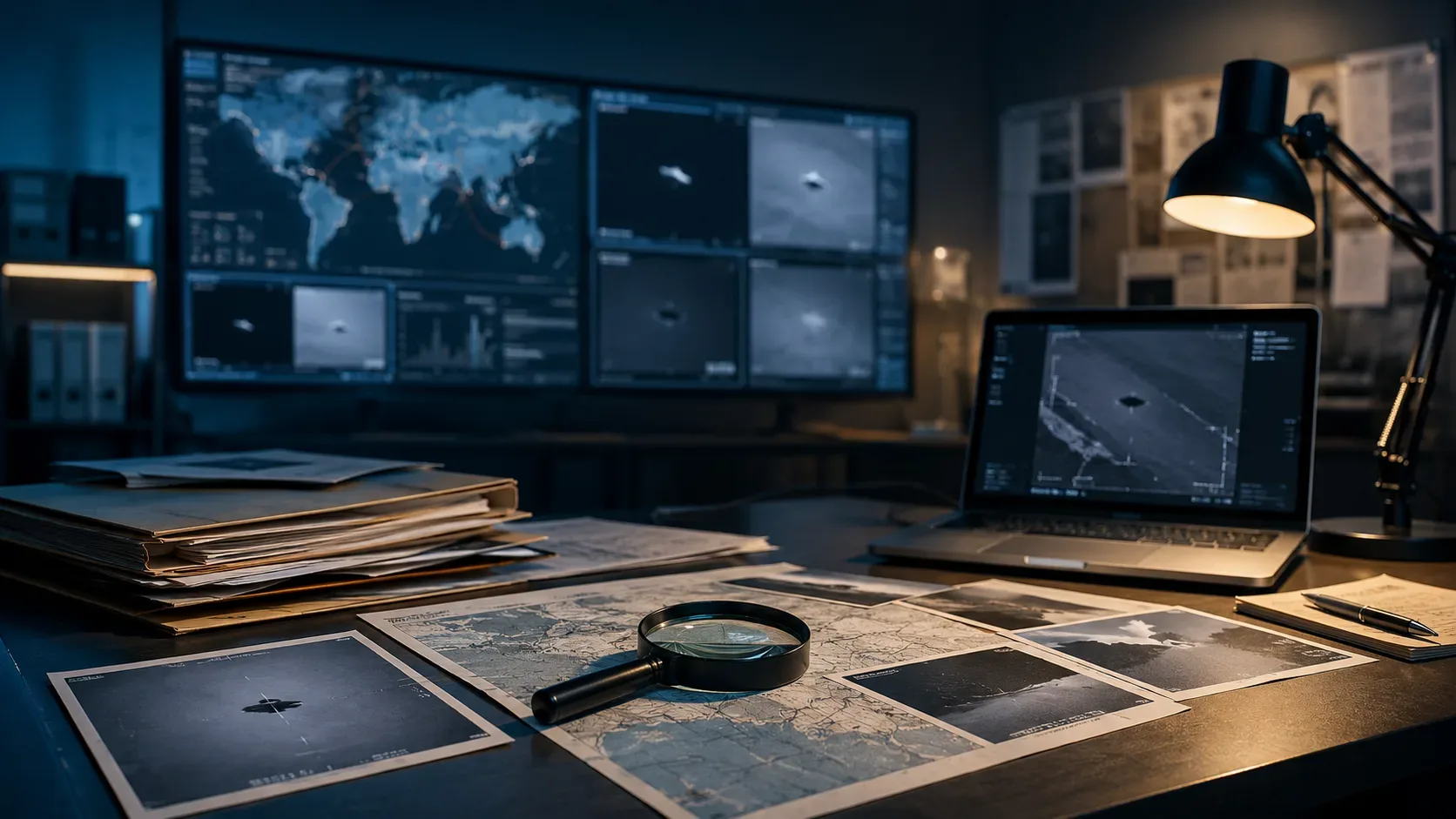
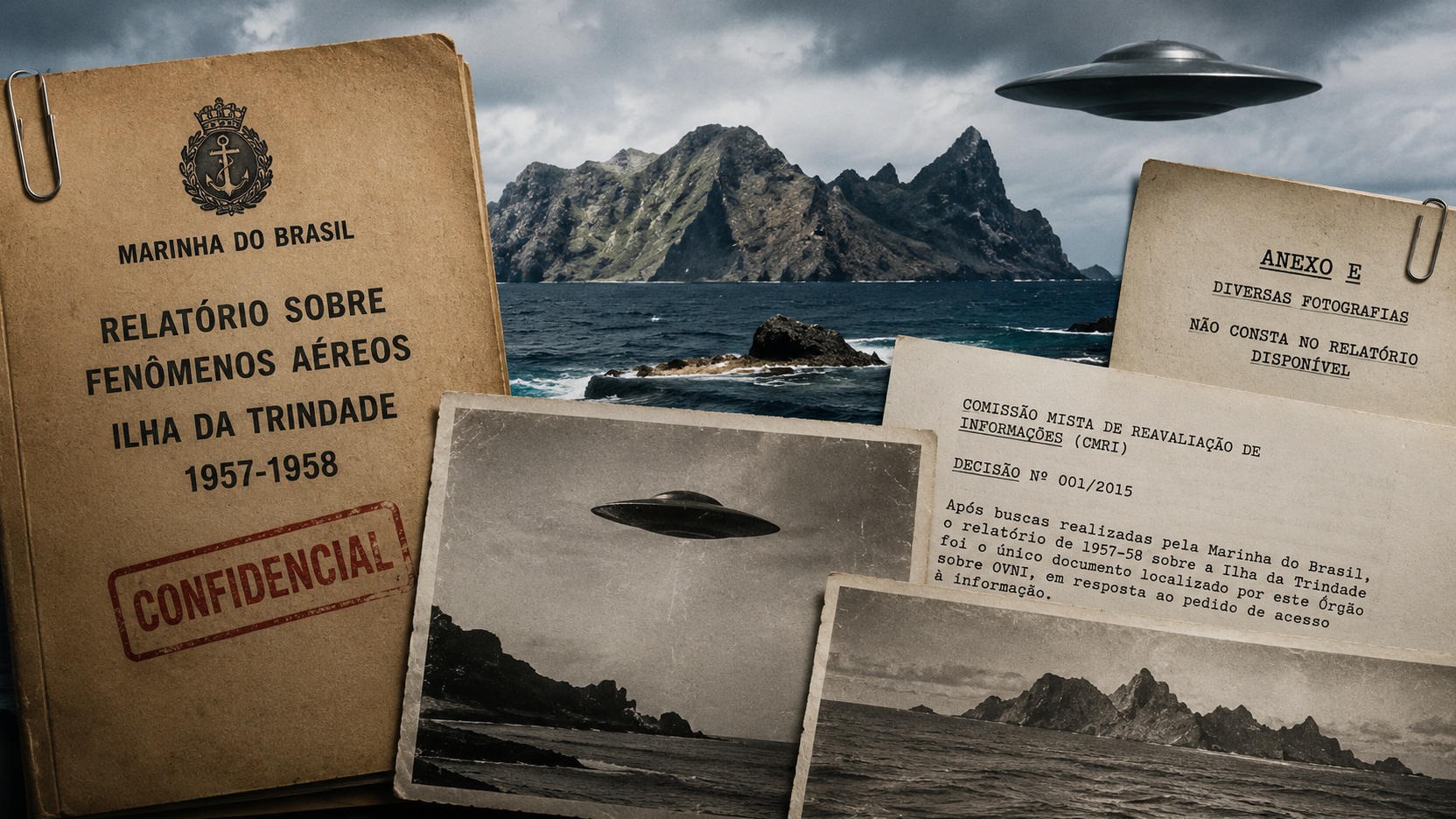
In the presentation of the fifth batch, the portal itself displays materials that are quite different from each other. There are digital representations of reports involving triangular objects, scenes reconstructed from observations, and a photograph described by the War Department as showing an unidentified object in low orbit, taken during the Space Shuttle Columbia mission in 1996.
This diversity requires care. A digital representation does not have the same probative weight as an original photograph, and a photograph or video sequence, in turn, does not automatically provide distance, size, speed or physical nature of the recorded object.
The value of the lot is precisely in allowing external researchers to examine materials that were not previously gathered publicly. This can produce new hypotheses, comparisons and, eventually, explanations. But publication of the file does not transform every observation contained therein into evidence of the same cause.
It is also relevant that PURSUE is an ongoing process. The first batch was published on May 8, 2026; the fifth arrived on August 7th. The War Department says the search, review and declassification involves dozens of agencies and millions of records accumulated over decades.
This helps you understand why releases may mix recent episodes, historical records, sensor images, and narrative reconstructions. PURSUE is, first and foremost, a file opening mechanism.
“Unresolved” means the government doesn’t know what it is
The most important part of the portal update may be less in the images and more in the explanation given by the War Department itself.
According to the definition published in PURSUE, archived materials are “unresolved” cases because the government was unable to make a definitive determination about the nature of the observed phenomenon. The text expressly adds that this can happen for a number of reasons, including lack of sufficient data.
This definition sets a clear limit for any conclusion.
“Unresolved” means that a definitive identification could not be reached with the available information. This does not mean that all conventional explanations have been eliminated.
It also does not mean, in itself, that the event demonstrated extraordinary physical abilities.
Much less constitutes official confirmation of an extraterrestrial vehicle, non-human intelligence or technology capable of violating known physics.
These hypotheses would require additional evidence that positively demonstrates these characteristics.
Lack of identification is not positive evidence of an extraordinary origin
The problem is not unique to PURSUE. Previous reports from the government structure responsible for investigating UAP show how the lack of data interferes with the classification of cases.
In the consolidated report for fiscal year 2024, AARO and ODNI recorded 757 reports. Forty-nine were solved in the period, all attributed to prosaic objects such as balloons, birds and unmanned aerial systems. Another 243 had been recommended for closure, also with conventional explanations. Twenty-one deserved additional analysis. The remaining 444 did not contain enough data to allow analysis and were sent to an active archive, which can be reopened if new information appears.
These 444 cases were not presented by the report as 444 demonstrations of extraordinary phenomena. Rather, they represent a limitation of knowledge.
AARO itself has already described the problem more broadly. Its landmark 2024 report states that past and current investigations repeatedly face incomplete data, vague reports, and recordings from sensors that were not specifically designed to study UAP. Even when an image or other instrumental data exists, essential information to determine altitude, size, speed and context may be missing.
It's a simple but decisive difference: absence of explanation is not the same as presence of evidence for a specific explanation.
A military video still needs context to be conclusive
The fact that a recording has military origins increases its documentary interest, but does not eliminate measurement problems.
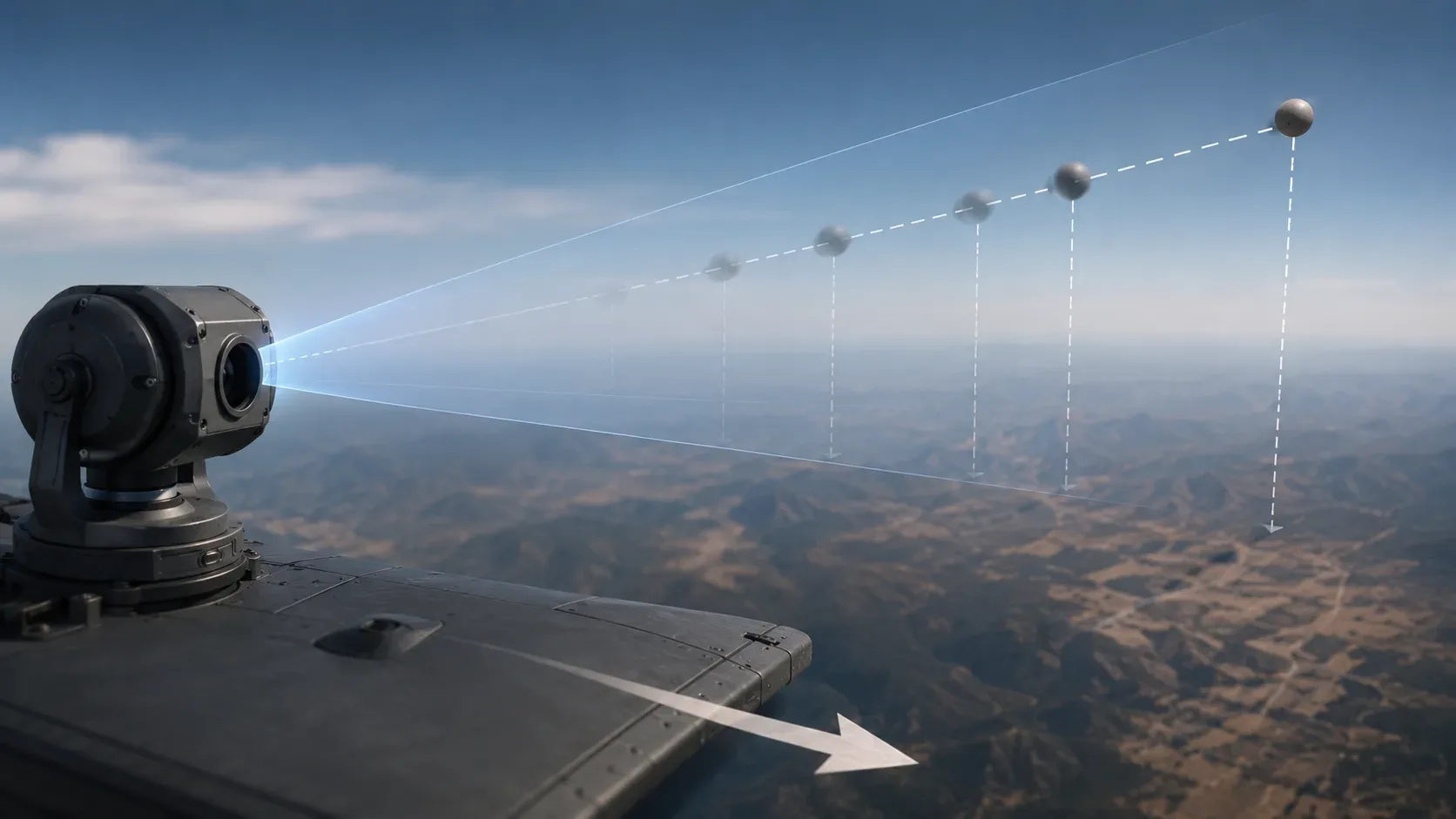
Sensors used by aircraft and other military platforms are designed for certain missions. A contrast point captured in infrared, for example, may have an image that is too bright for the sensor's operational purpose and yet not provide all the necessary parameters to reliably calculate the size, distance or speed of an unknown object.
NASA reached a similar methodological conclusion in its work on UAP. The agency says there are a limited number of high-quality observations and that this prevents firm scientific conclusions about the nature of the phenomena.. Their independent study also highlighted the importance of calibrated instruments, multiple measurements and adequate metadata.
This does not make a record useless. It just means that “there is an unidentified object in this recording” and “this object demonstrated properties impossible with known technologies” are claims of very different levels.
To reach the second, data capable of supporting measurements of this behavior would be necessary.
Digital reconstructions require even more careful reading
Some of the images highlighted by Release 05 are explicitly described by the portal as digital renderings.
This identification is important because a visual reconstruction can preserve characteristics reported by a witness — triangular shape, position of lights or observation perspective, for example — without constituting a direct photographic record of the phenomenon.
Therefore, an official image hosted on WAR.GOV should not automatically be interpreted as an “official photograph of a triangular ship”. If the file itself states that it is a digital representation, the value of that piece is in documenting how the observation was described or administratively recorded.
Confusing reconstruction with instrumental evidence would add a certainty to the archive that it does not possess.
So how important is Release 05?
The fifth batch is relevant because it increases the raw material available for independent investigation.
The more original documentation, historical context, and sensor logs are made available, the greater the possibility of cross-referencing cases, looking for patterns, and testing explanations. The War Department itself states that it intends to receive analysis and knowledge from the private sector regarding unresolved materials.
This process also allows for more objective charging for better data. Instead of discussing only second-hand accounts, researchers can ask, for each case: is there an original archive? Is there sensor metadata? Known distance? Observation geometry? Simultaneous data from radar or another platform? Has the recording been processed? Is weather and traffic information available?
It is in these details that the strength of a case increases or decreases.
Release 05, therefore, does not need to contain a “definitive revelation” to be of value. Your gain is in increasing transparency and making new pieces auditable.
At the same time, the official documentation itself prevents a more dramatic reading than the data allows. “Unresolved” keeps an open question; does not automatically provide the answer.
For the UAP debate, this is perhaps the most useful distinction of the fifth batch: genuinely interesting files can remain without definitive explanation, and this is a reason to investigate further, not to fill the evidence gap with a conclusion that has not yet been demonstrated.