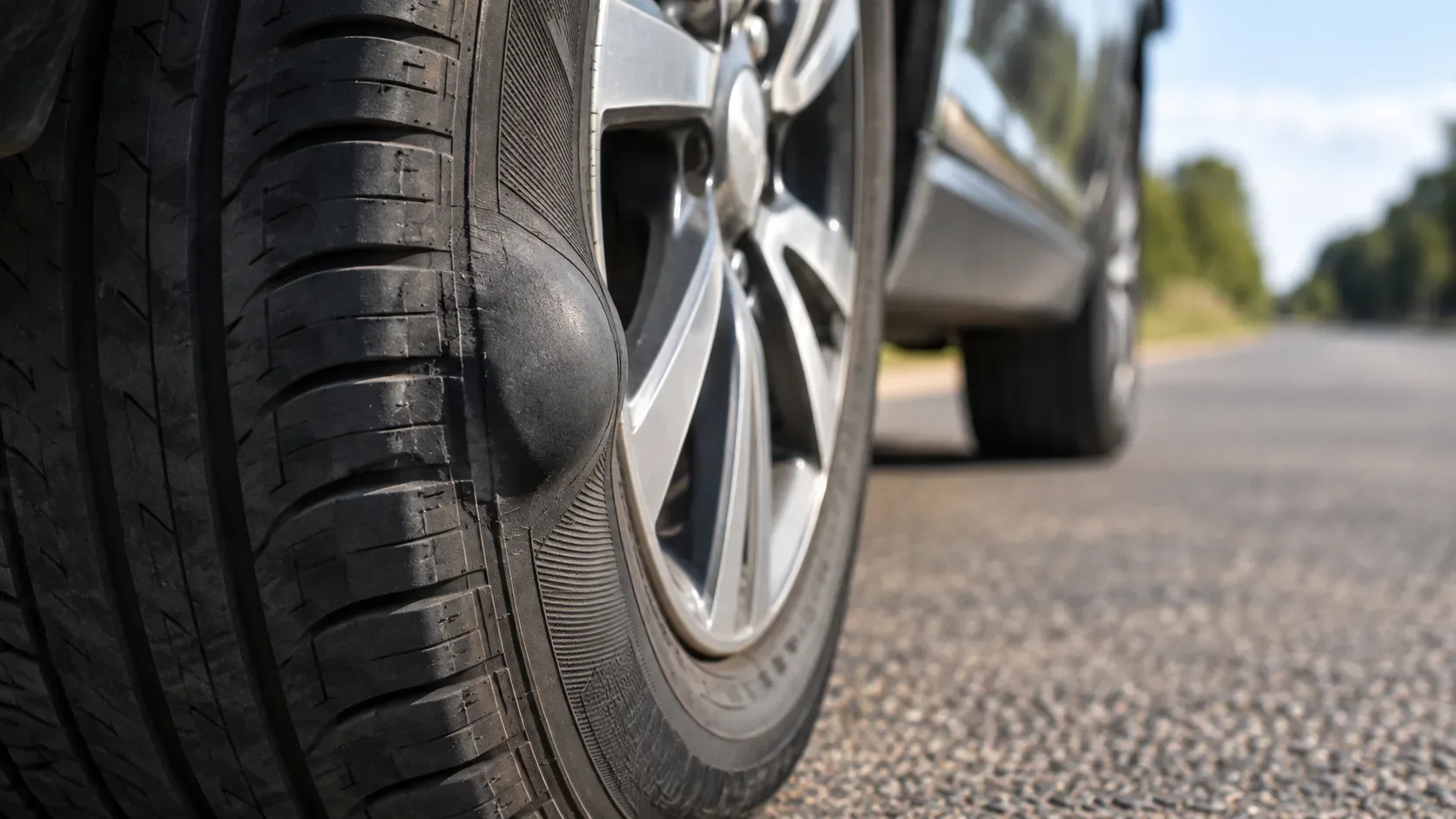
A tire sidewall bubble is an outward, localized protrusion in the sidewall. When it is truly a bubble — rather than a slight inward mark that can occur in radial-tire construction — it should be treated as structural damage. Michelin is explicit: a bulge or bubble generally points to internal cord damage caused by impact, cannot be repaired, and requires tire replacement.
What causes a bubble on a tire sidewall
The tire sidewall is more than an outer layer of rubber. The casing contains structural cords that help carry the load, maintain shape, and withstand the deformation that happens with every wheel rotation. A hard impact — such as a pothole, concrete edge, or curb — can pinch the sidewall between the obstacle and the wheel. Even if the outer rubber does not tear, some of those cords may break.
Once the internal structure loses strength, pressurized air can move into the area between tire layers and push the rubber outward. That creates the bulge. Michelin describes the mechanism as cord damage, often accompanied by a visible break in the inner liner. Bridgestone likewise warns that bumps or bulges can indicate separation within the tire body.
The bubble may appear immediately after the impact or only be noticed later. That is why, after a hard pothole or obstacle strike, it is worth inspecting both the tire and the wheel. The absence of an obvious exterior cut does not prove the internal structure is undamaged.
Bubble or normal mark? Check whether the shape goes out or in
Not every sidewall irregularity is a bubble. Radial tires can show slight inward depressions, often called sidewall indentations, associated with overlap in the internal cord construction. Michelin distinguishes this from a true bulge: an indentation is inward; a bubble protrudes outward because internal integrity has been lost.
| Visual sign | What it may mean | Prudent action |
|---|---|---|
| Localized outward bulge | Possible cord breakage or internal separation | Remove the tire from service and arrange inspection/replacement |
| Slight, regular inward depression | May be a normal radial-tire indentation | Compare visually and get an evaluation if uncertain |
| Cut, deep crack, or exposed cords | Damage that may compromise the casing | Do not keep using the tire until it is professionally assessed |
| Surface scuff with no deformation | May be only external abrasion, but depth matters | Inspect it; if there is a deep cut, deformation, or doubt, see a professional |
Why a sidewall bubble cannot be repaired
A tread puncture repair and a sidewall bubble are different problems. The U.S. Tire Manufacturers Association (USTMA) recommends repairs only when a puncture is confined to the approved tread area, is no larger than 6 mm (1/4 inch), and the tire is removed from the wheel for internal inspection. The association says not to repair injuries that extend into the shoulder or belt-edge area.
With a bubble, the defect is not merely a small channel allowing air to escape. The structure that contains pressure and carries load has failed. The sidewall also flexes continuously as the tire rotates. A patch, plug, adhesive, improvised vulcanization, or other external fix does not rebuild broken cords or restore the casing's original strength. For that reason, manufacturers such as Michelin classify sidewall damage and bubbles as replacement conditions, not repair conditions.
When to stop driving
If the deformation is an outward bubble, the safe decision is not to keep using that tire in normal driving. Stop in a safe location and install the appropriate spare if you can do so safely and in accordance with the vehicle manual. If there is no usable spare or a safe way to change it, call roadside assistance or a tow service. Michelin's guidance for a confirmed bubble is immediate replacement and professional inspection.
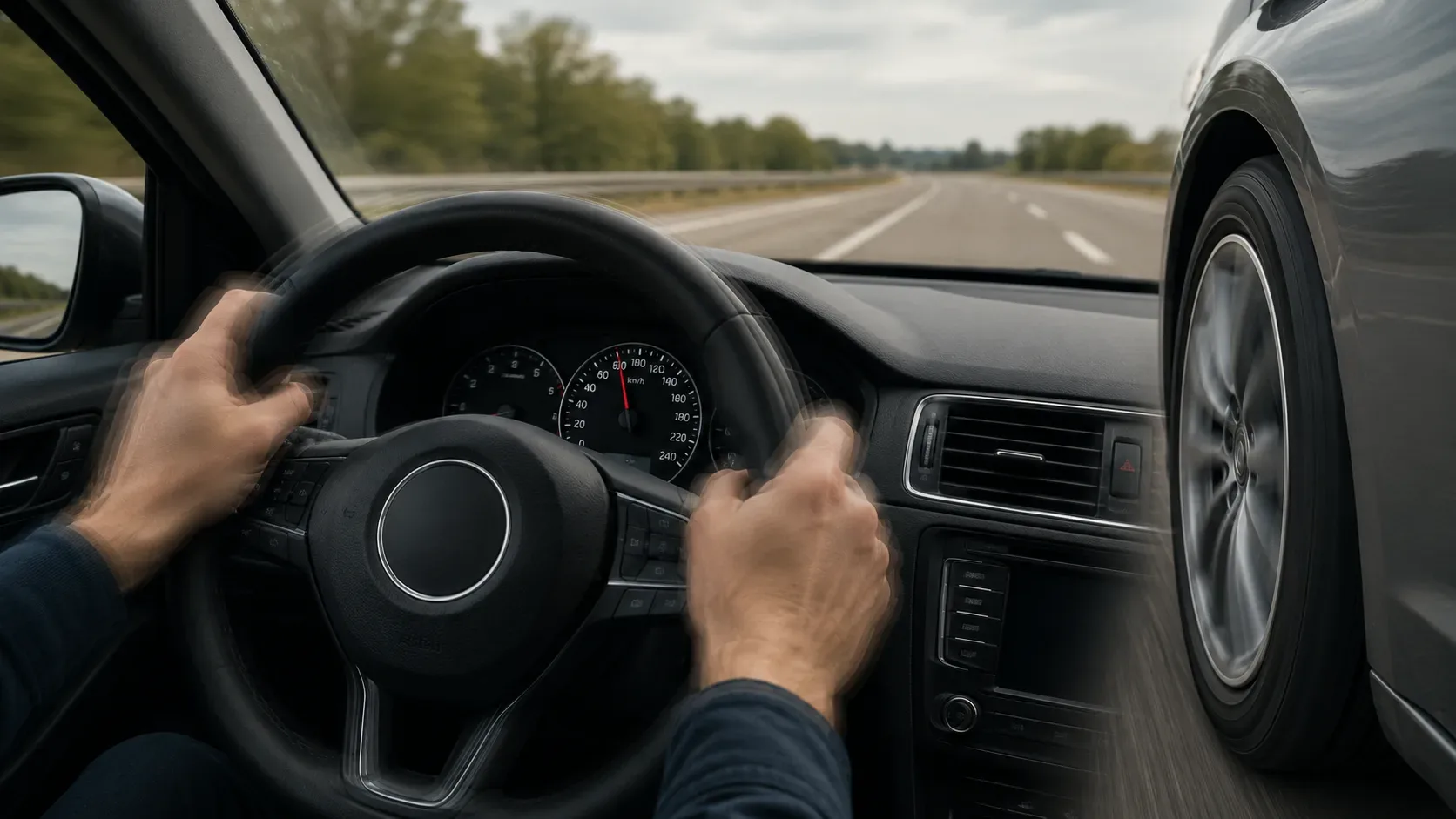
The urgency is even greater if there is pressure loss, a new vibration, a deep cut, exposed cords, a growing deformation, or visible wheel damage. These signs are not a way to estimate “how many miles are left”; they reinforce that the assembly should be taken out of service and evaluated.
What not to do with a tire bubble
- Do not puncture the bubble. It is not an external pocket that can be drained; piercing it can cause rapid pressure loss or sudden failure.
- Do not try to press the rubber back into place. The visible deformation is the result of internal damage.
- Do not patch or plug the sidewall. USTMA repair criteria apply to repairable tread injuries, not a structurally damaged sidewall.
- Do not use sealant as a fix for the bubble. Sealants may work on certain punctures, but they do not restore broken cords.
- Do not keep driving simply because the tire still holds air. Holding pressure at that moment does not restore the casing's lost strength.
After replacement, check what caused the damage
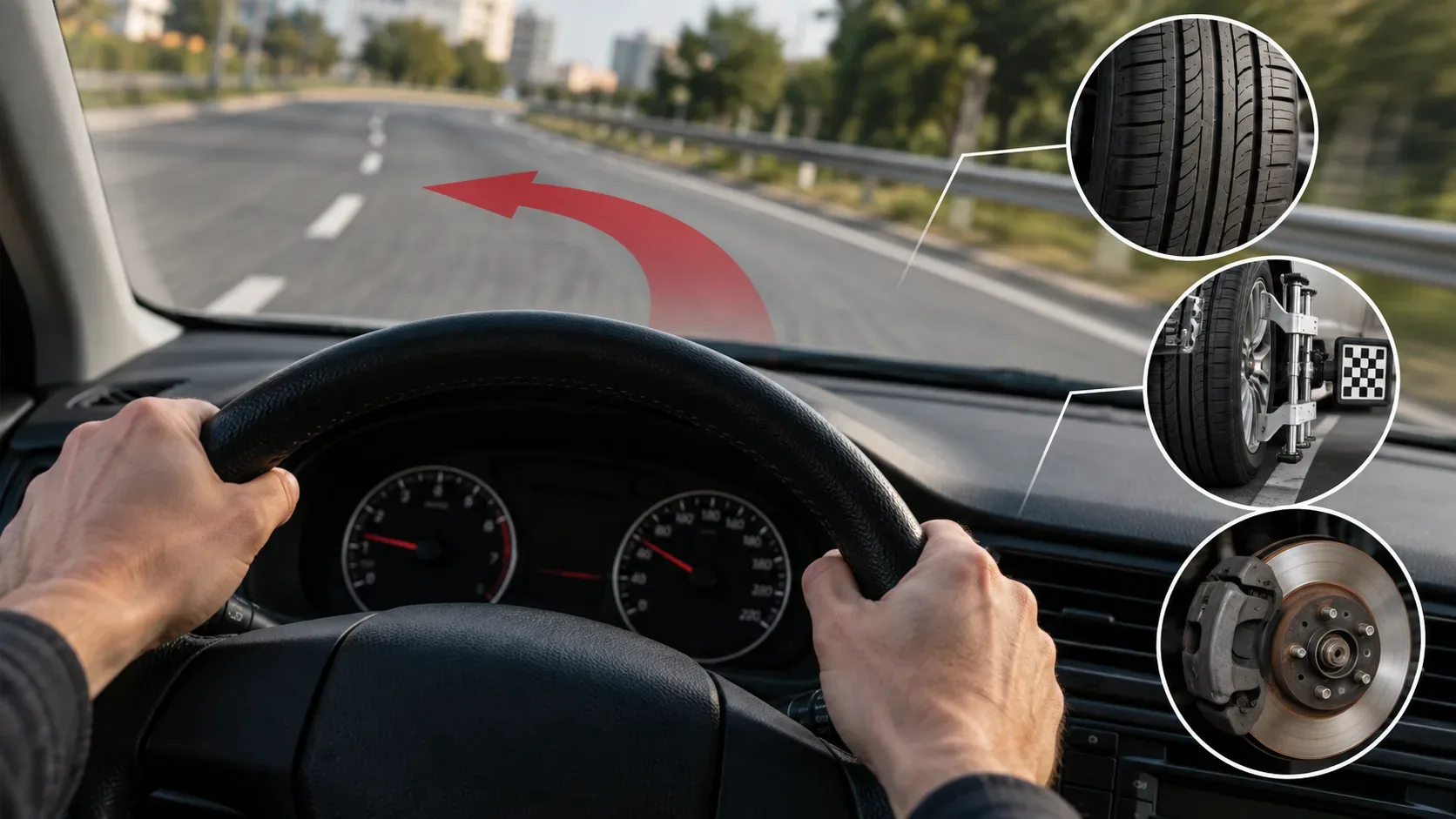
If the bubble followed an impact, have the wheel checked as well, and ask for the steering/suspension assembly to be inspected if vibration, misalignment, or another abnormal behavior appeared. A bent wheel or other damage can coexist with the tire problem. When fitting the replacement, follow the vehicle manufacturer's specified tire size, load index, and speed rating, and confirm the recommended inflation pressure on the vehicle placard or in the owner's manual.
In short: a true bubble is an outward protrusion and should be treated as structural failure. It is not solved with a sidewall patch. The correct response is to remove the tire from service, use a safe alternative to keep or move the vehicle, and send the assembly for inspection and replacement.