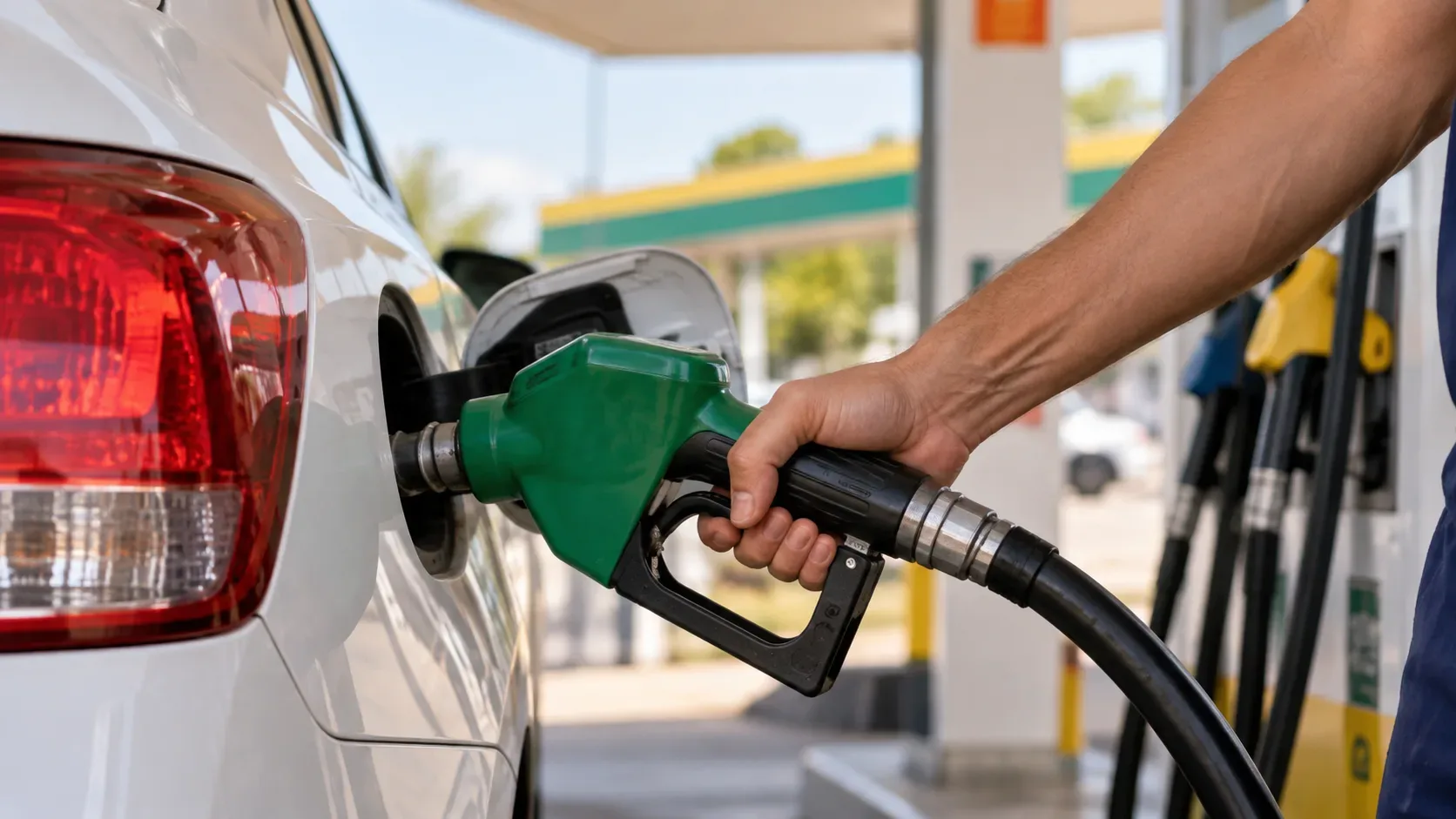
After a car has been parked for several weeks, it does not need to be treated as if it had just left a repair shop, but simply starting it and driving away is not a good idea either. The most useful check combines three areas: the 12 V battery, tires, and fluids. The goal is to identify loss of charge, loss of tire pressure, leaks, or signs of damage before a small problem becomes a breakdown or a safety risk while driving.
Before starting the engine, inspect the area around the car
Start with the vehicle switched off, on level ground, and in good lighting. Look at the ground beneath the engine, transmission, and wheels. An old, dry stain is different from a fresh puddle. Also check for wiring or hoses that appear damaged, objects under the car, and signs of animals in the engine compartment.
- Look for puddles, drips, or fresh marks from oil, coolant, or another fluid.
- Check whether any tire looks visibly low, distorted, cracked, cut, or bulged.
- Inspect the 12 V battery, when accessible, for a swollen case, leakage, loose terminals, or heavy corrosion.
- Remove leaves, nests, or objects near belts, fans, and air intakes only with the vehicle completely switched off.
If there is a significant leak, a damaged tire, a swollen battery, or any component that appears unsafe, do not force a start or attempt to drive until the cause is understood.
12 V battery: weeks without use can reduce its charge
A 12 V battery loses charge naturally and also powers systems that continue drawing a small amount of energy while the car is parked. Toyota, for example, states in its manual that stored electricity gradually decreases even when the vehicle is not in use and that long periods of inactivity can prevent the engine from starting. Ford, in storage guidance for some models, recommends extra attention when a vehicle is stored for more than 30 days, including checking and recharging the battery as necessary.
Before trying to start, notice whether interior lights, the instrument panel, or power locks seem unusually weak. If the starter turns slowly, only clicks, or does not respond, avoid making many repeated attempts. That can drain the battery further without solving the cause.
- If you use a charger, maintainer, or jump start, follow the connection sequence, connection points, and restrictions in the vehicle manual.
- Do not disconnect the battery as a routine step. Some vehicles require specific procedures and may lose settings or require reinitialization.
- If there is leakage, a swollen case, an unusual odor, or obvious damage, do not try to recharge it yourself.
In hybrids and electric vehicles, the 12 V battery still plays an important role in initializing systems, but the high-voltage battery has its own storage rules. Do not apply conventional battery procedures to the high-voltage system.
Tires: use the vehicle's specified pressure and look for damage
After several weeks parked, first check tire pressure when the tires are cold and adjust it to the value specified by the vehicle manufacturer, usually on the door placard or in the owner's manual. Do not use the maximum pressure molded into the tire sidewall as the inflation target.
Tires supporting the vehicle's weight at the same contact point can develop a temporary deformation known as flat spotting. Michelin and Continental explain that slight vibration after days or weeks of inactivity may disappear once the tires warm up and return to their normal shape. This should not be used to ignore persistent vibration.
- Do not drive on a tire that is visibly low, bulged, deeply cut, showing cords, or rapidly losing pressure.
- If vibration does not improve after a few miles at low load and a speed appropriate for the road, have the tires professionally inspected.
- If the car has a tire-pressure monitoring system, confirm inflation with a gauge rather than relying only on the dashboard warning.
Fluids: a low level needs context, not just topping up
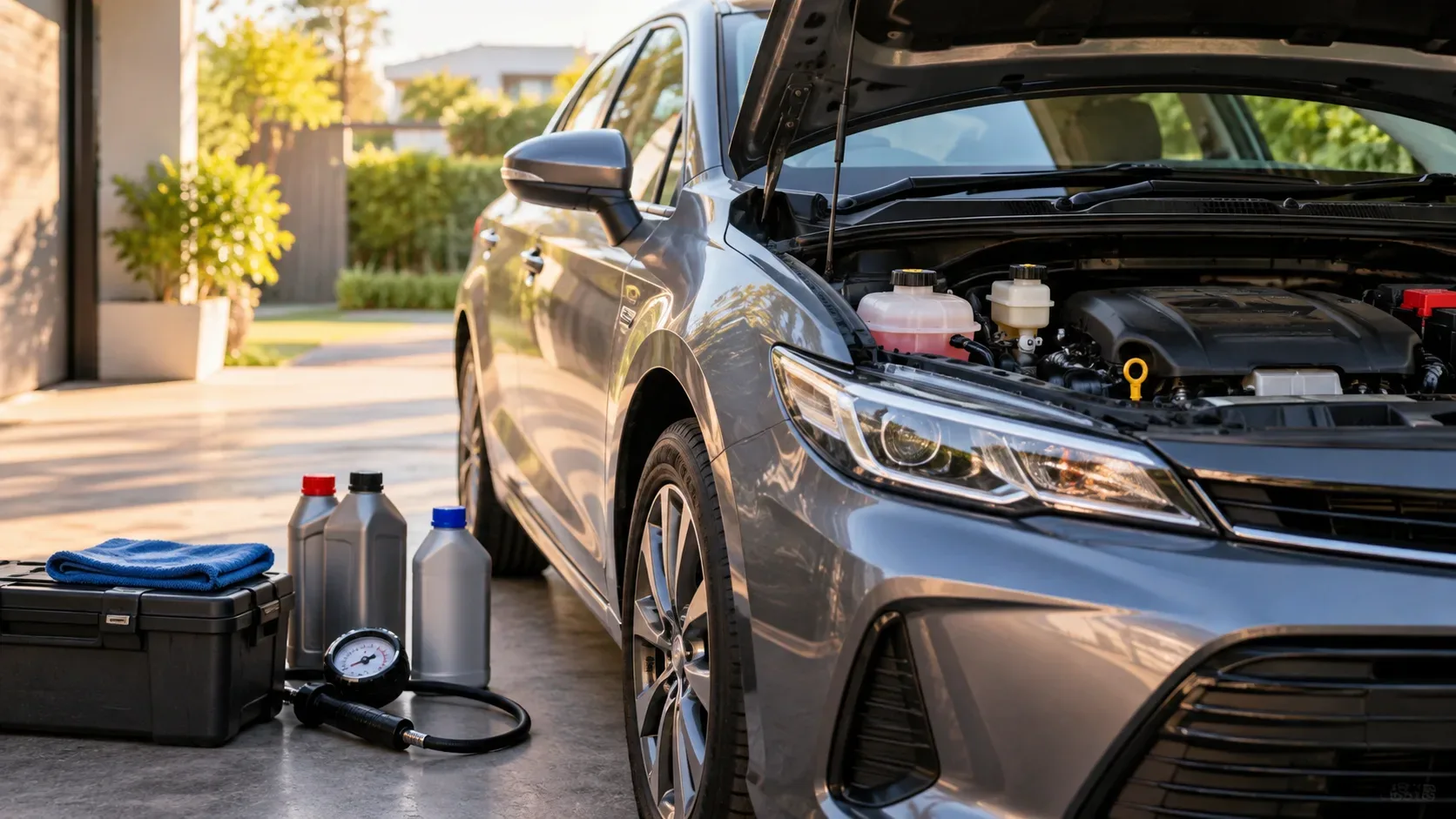
Check the reservoirs and inspection points specified in the manual. In many cars this includes engine oil, coolant, brake fluid, and windshield washer fluid. Transmissions and other assemblies may be sealed and should not be opened without the correct procedure.
Measurement conditions vary. Engine oil may require level ground and a waiting period after the engine is switched off; coolant should be checked without opening a hot, pressurized system. The model's owner manual is always the correct reference.
- Engine oil: confirm that the level is within the specified marks and look for signs of leakage. A few weeks of inactivity by itself does not create a universal oil-change rule. Follow the manufacturer's time and mileage interval.
- Coolant: a lower-than-expected level, a rapid drop after topping up, or signs of leakage require investigation. Never open the cap of a hot, pressurized cooling system.
- Brake fluid: a very low level or a noticeable drop should not be treated simply as a topping-up issue. Wear or leakage may be present and the brake system needs evaluation.
- Windshield washer fluid: it is less critical to the powertrain, but it is part of safe visibility and should be filled with a product suitable for the vehicle and climate.
Checklist by length of inactivity
The ranges below are a practical guide for attention, not a universal manufacturer standard. Climate, battery age, tire condition, previous maintenance, and vehicle electronics can change the risk.
| Time parked | Main focus | Before driving |
|---|---|---|
| About 1 to 2 weeks | Visual inspection, tire pressure, and basic battery signs | Check for leaks, set cold tire pressure, review dashboard lights, and check accessible fluid levels specified in the manual. |
| About 2 to 4 weeks | More battery sensitivity, pressure loss, and possible flat spotting | In addition to the basics, watch starter strength, terminal corrosion, and initial tire vibration. Stop if vibration persists or visible damage is present. |
| More than 30 days | Long-term storage and model-specific procedures | Consult the storage section of the owner's manual. Some manufacturers recommend additional care for the 12 V battery, tire pressure, and periodic vehicle movement. |
During the first few minutes, test the car at low speed
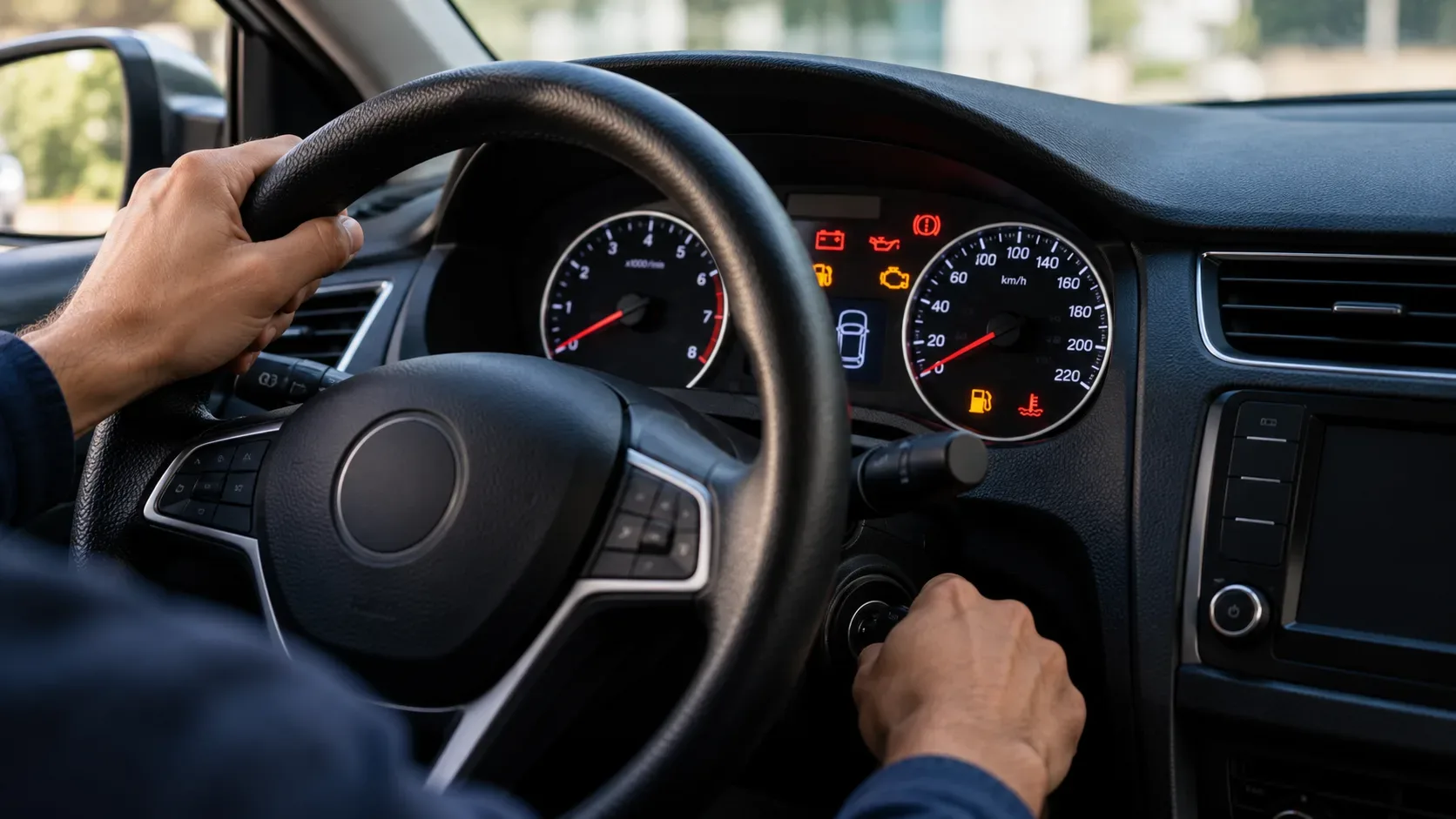
If the inspection shows no reason to stop and the car starts normally, watch the instrument panel before moving. An oil-pressure, brake-system, battery-charging, or other critical warning that remains on should be handled according to the manual.
- Allow the system to stabilize and confirm there is no abnormal noise, smell, or leakage.
- Start slowly and test the brakes in a safe area at low speed.
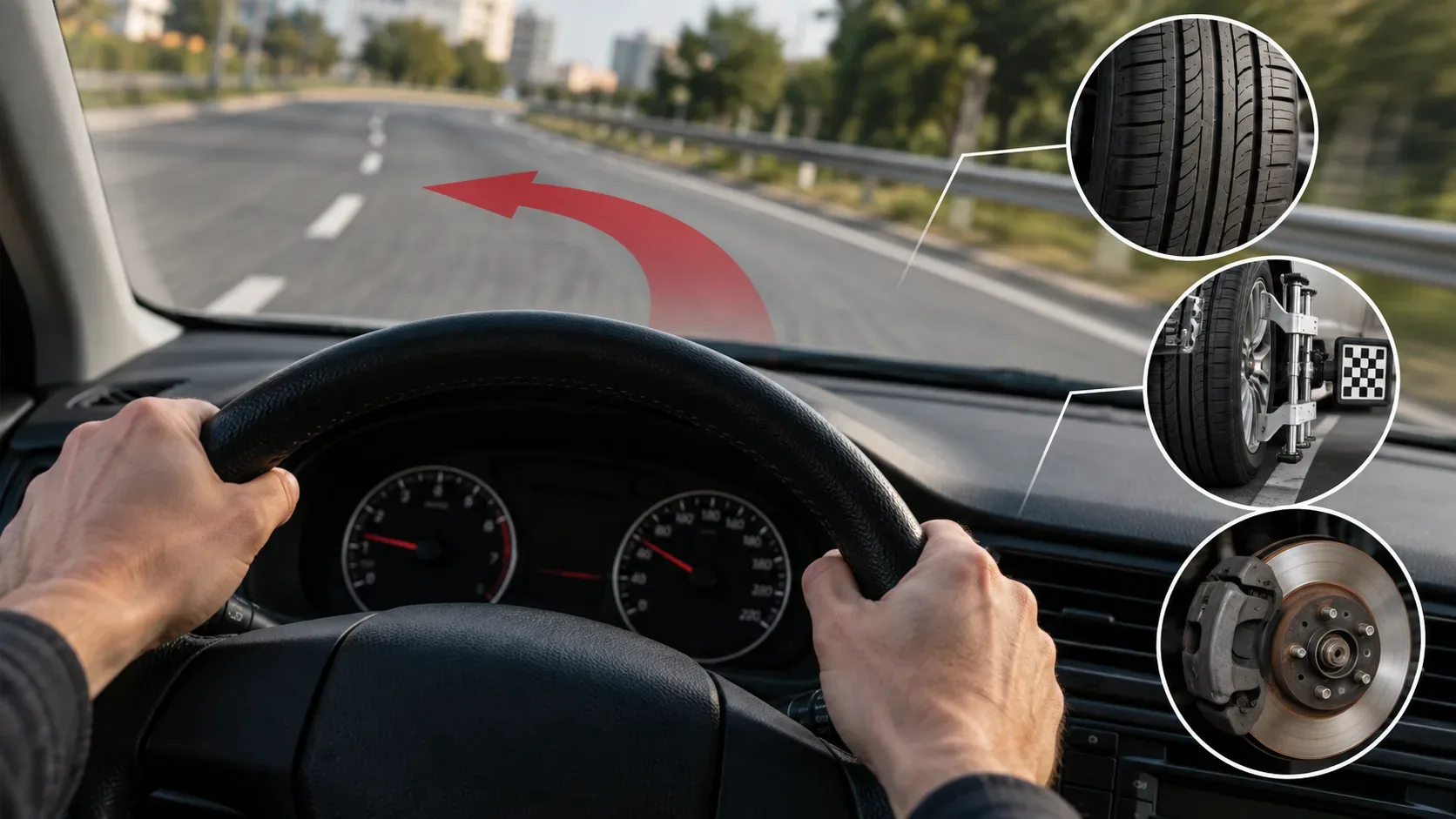
- Pay attention to strong vibration, pulling to one side, an abnormal brake pedal, or noises that increase.
- After a few miles, if everything remains normal, check the tires and the parking area again for pressure loss or fresh drips.
A thin layer of surface oxidation can appear on brake discs after the car has been parked and may decrease with normal brake use. Loud noise, uneven braking, an abnormal pedal, or a warning light requires evaluation rather than continued driving.
When the car should stay parked and be inspected
- A swollen, leaking, heavily damaged battery or one with an unusual odor.
- A tire with a bulge, cut, exposed cords, major deformation, or inability to hold pressure.
- A fluid puddle, active leak, or critically low level with no known cause.
- Very low brake fluid, abnormal pedal response, or a brake-system warning.
- A critical oil-pressure, charging, temperature, or brake warning that does not clear during the vehicle's normal procedure.
- Damage to wiring, hoses, or components caused by animals or deterioration.
The vehicle manual is the final reference
Tire pressure, fluid type, jump-start points, battery procedures, and storage rules vary by model. Use this checklist as a screening tool and confirm your car's specific instructions in its owner's manual.
Technical references: Toyota, battery discharge during long periods without use; Ford, vehicle storage guidance; Toyota, engine oil, coolant, and brake-fluid inspection; Michelin, tire flat spotting.