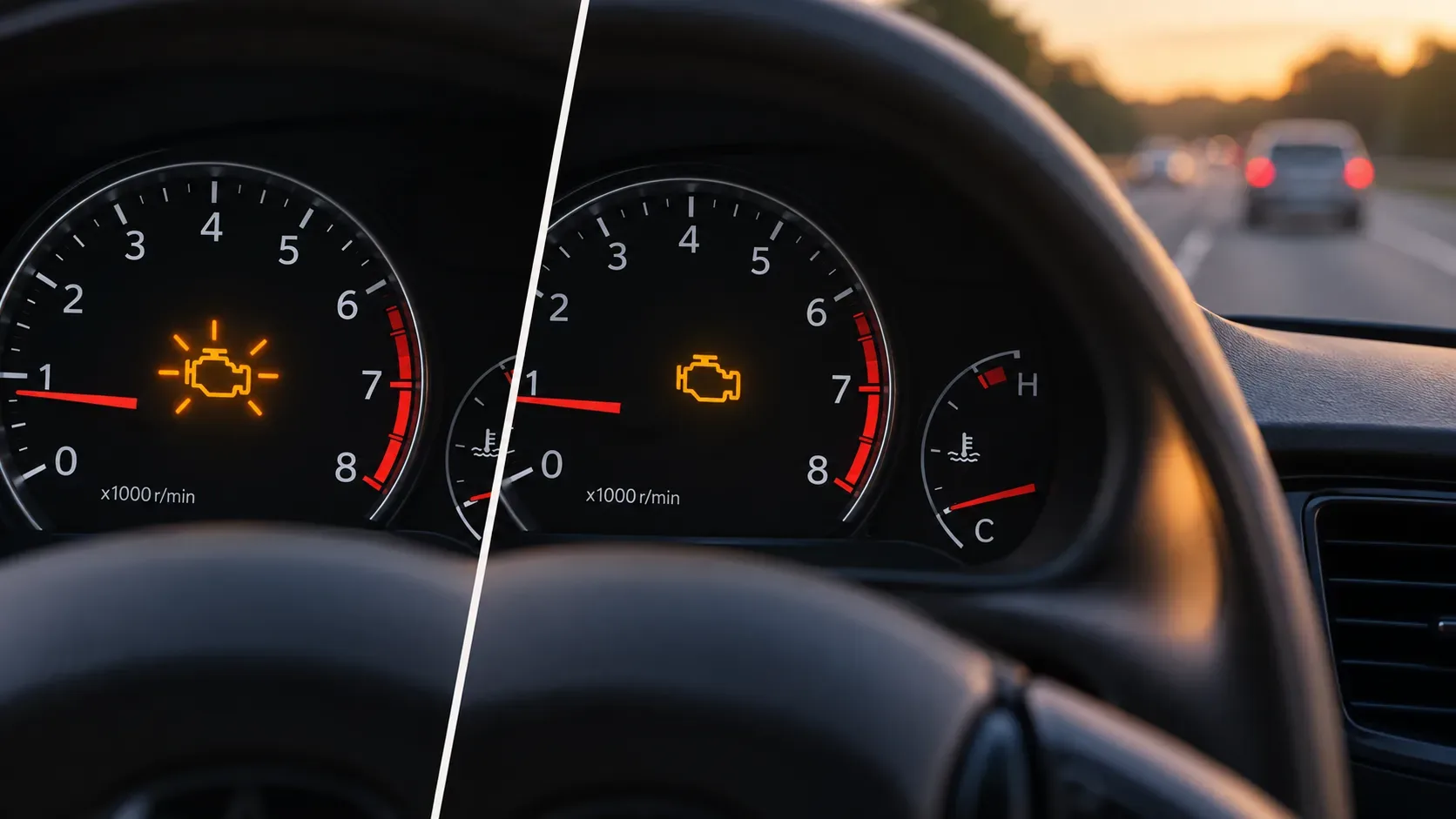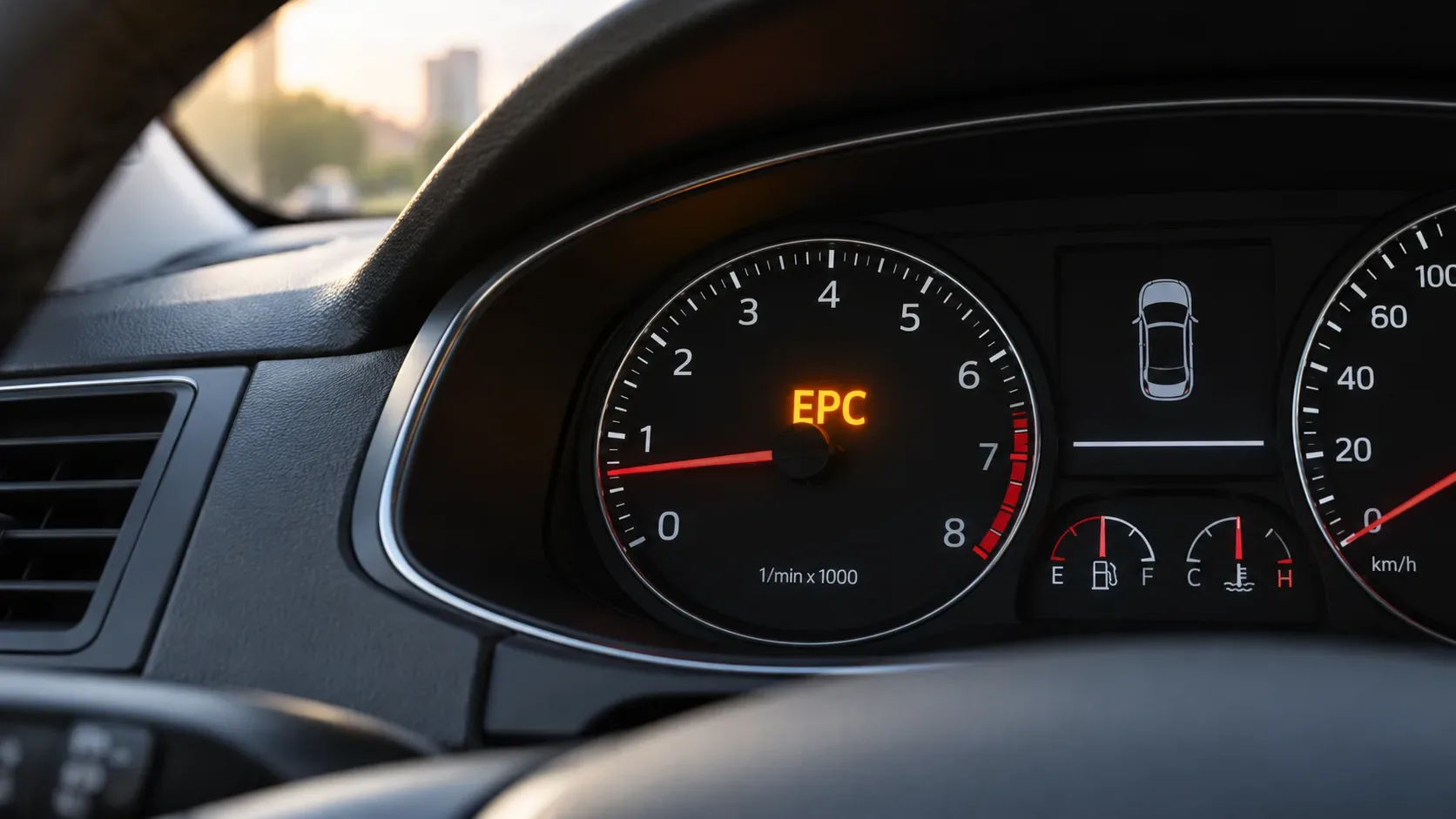
When the EPC light comes on in a Volkswagen, the dashboard is warning that the Electronic Power Control system has detected a fault related to electronic engine and throttle management. The warning, however, does not identify the failed part by itself. Volkswagen explains that the system monitors functions such as the engine, throttle body and accelerator pedal, and that different electrical or management faults can trigger the same warning.
In practice, your first decision should be guided by how the car behaves. If the EPC light appears on its own and the vehicle still responds normally, slow down, avoid hard acceleration, reach a safe place and arrange an inspection. If there is major power loss, rough running, abnormal accelerator response or other important warnings, the priority changes: do not push the car, and consider stopping safely and requesting assistance.
What the EPC light monitors
EPC stands for Electronic Power Control. In Volkswagen models that use this warning, it is related to the electronic system that coordinates engine power delivery and accelerator response.
According to Volkswagen Mexico, the system monitors the engine, throttle body and accelerator pedal. The manufacturer also lists possible sources of the warning such as accelerator-pedal sensor faults, throttle-body problems, ignition faults and damaged or loose electrical connections.
This explains why the EPC light is a system-level warning, not a label that points directly to one specific component.
Why the dashboard does not tell you which part is faulty
The instrument panel has to tell the driver quickly that something is wrong, using a limited number of lights and messages. The EPC warning groups faults that can affect electronic power control, but the exact cause depends on information the dashboard normally does not display.
Two cars with the same EPC light can have different causes. In one, the issue may involve an accelerator-pedal signal; in another, a component in the intake, ignition or an electrical connection. Replacing a part just because the EPC light came on is therefore a guess.
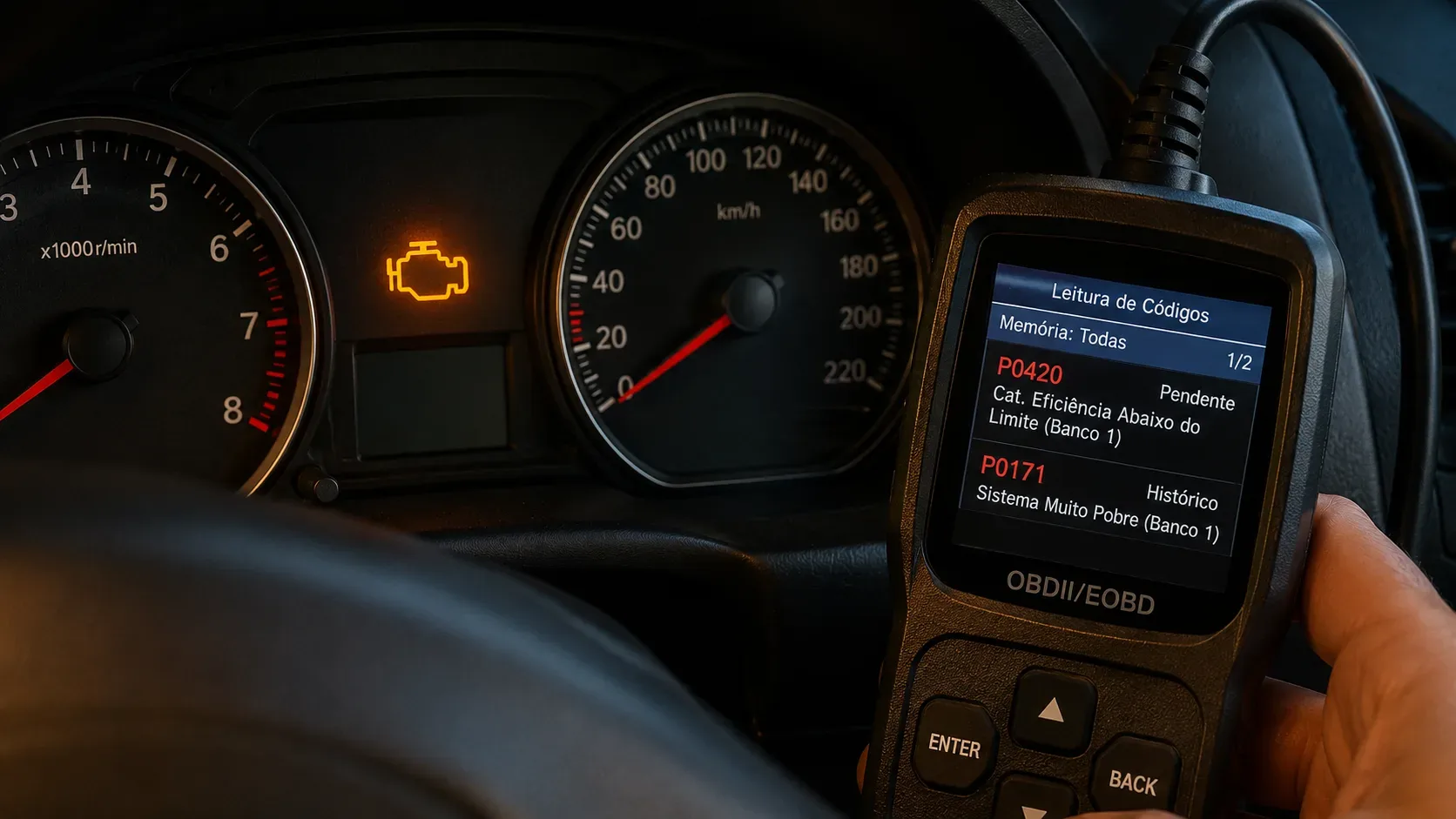
A proper diagnosis combines symptoms, dashboard messages, fault history and a scan of the fault memory with a compatible diagnostic tool. A fault code guides the investigation, but it should not automatically be treated as an instruction to replace the named component: wiring, connectors, power supply and related faults can generate similar codes.
When you may continue carefully and when it is better to stop
| Situation | Most prudent next step |
|---|---|
| EPC light on, no noticeable loss of power and no other symptoms | Slow down, avoid hard acceleration and drive only as far as necessary to a safe place or repair shop, following the model's owner's manual. |
| EPC light with clear power loss | Do not force the accelerator. The vehicle may have limited performance as a protective measure. Reach a safe place and arrange an inspection. |
| EPC with rough running, strong vibration, irregular accelerator response or difficulty maintaining speed safely | Stop as soon as it is safe and consider roadside assistance rather than continuing to drive. |
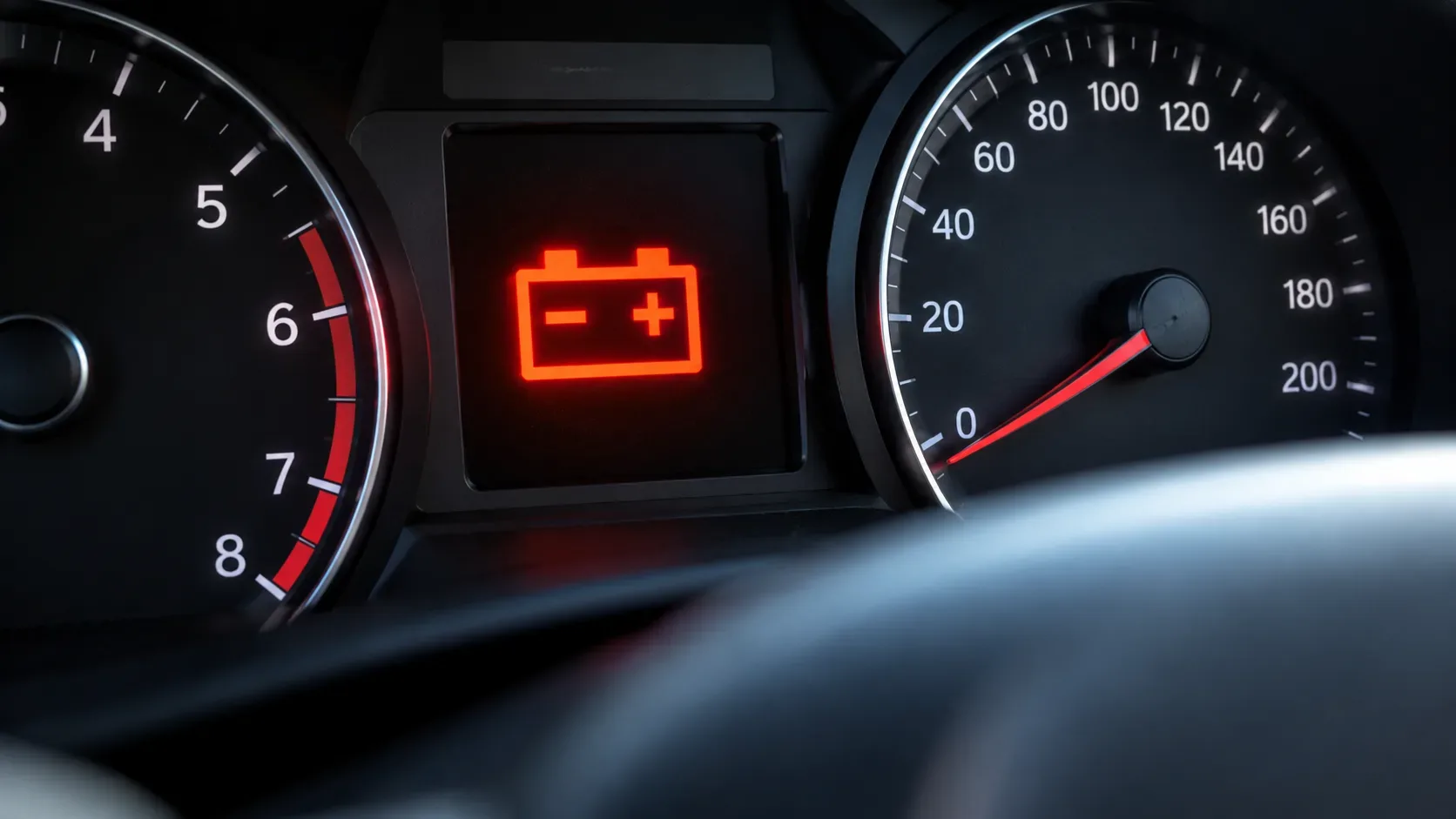
| EPC together with a red oil-pressure, temperature, brake or other high-priority warning | Follow the higher-severity warning. Red warnings may require an immediate safe stop. |
| EPC together with the engine-management/check-engine light | Treat it as a sign of a broader engine-management fault and have it diagnosed promptly. |
The exact guidance varies by model, model year and powertrain. Your owner's manual therefore remains the reference for the particular combination of lights shown on your dashboard.
What to do in the first few minutes
- Reduce speed and engine load. Avoid hard acceleration and overtaking that requires immediate power.
- Pay attention to how the car behaves. Note power loss, rough idle, vibration, acceleration problems or any new dashboard lights.
- Stop in a safe place. If you can do so safely, switching the engine off and on once may make the warning disappear temporarily.
- Do not confuse disappearing with being fixed. Volkswagen notes that restarting the engine may only reset the warning temporarily; the underlying cause can remain.
- Record what happened. A dashboard photo and a description of when the issue appeared can help the diagnosis.
- Have the faults scanned. If the light remains on, returns or appears with symptoms, seek diagnosis with equipment compatible with the vehicle.
Why a scan tool helps — and why it does not replace diagnosis
A scan tool reads codes stored by the vehicle's electronic modules and can identify which circuit, signal or operating condition moved outside the expected range. In some cases, manufacturer-specific equipment can also display additional information that a generic code reader cannot.
Even then, the code is only the starting point. A code related to the throttle body, for example, may require checks of power supply, connectors, wiring, sensor signals and the component's actual behavior before concluding that the part must be replaced.
That is the practical reason the dashboard does not say “replace sensor X”: the vehicle can detect an abnormal condition, but finding the physical cause requires context.
What not to do when the EPC light comes on
- Do not buy an accelerator pedal, throttle body, ignition coil or sensor solely because of the dashboard light.
- Do not keep demanding full power if the car has entered a limited-performance mode.
- Do not clear codes before recording them, because that can erase useful clues for the repair shop.
- Do not assume the problem is gone just because the light disappears after restarting the car.
- Do not ignore other warnings. The combination of lights and symptoms changes the urgency.
Are the EPC light and the check-engine light the same?
No. They can both relate to engine management, but they are not the same warning. EPC is tied to electronic power and throttle control; the check-engine or engine-management light follows a different monitoring logic. Both can appear together when a fault affects more than one function.
Volkswagen UK advises that when an engine-management warning appears with vibration and power loss, roadside assistance may be the safer option; without those symptoms, the guidance is to drive cautiously to an authorized repairer. The same symptom-based reasoning is useful when interpreting an EPC warning.
Can the EPC light go out on its own?
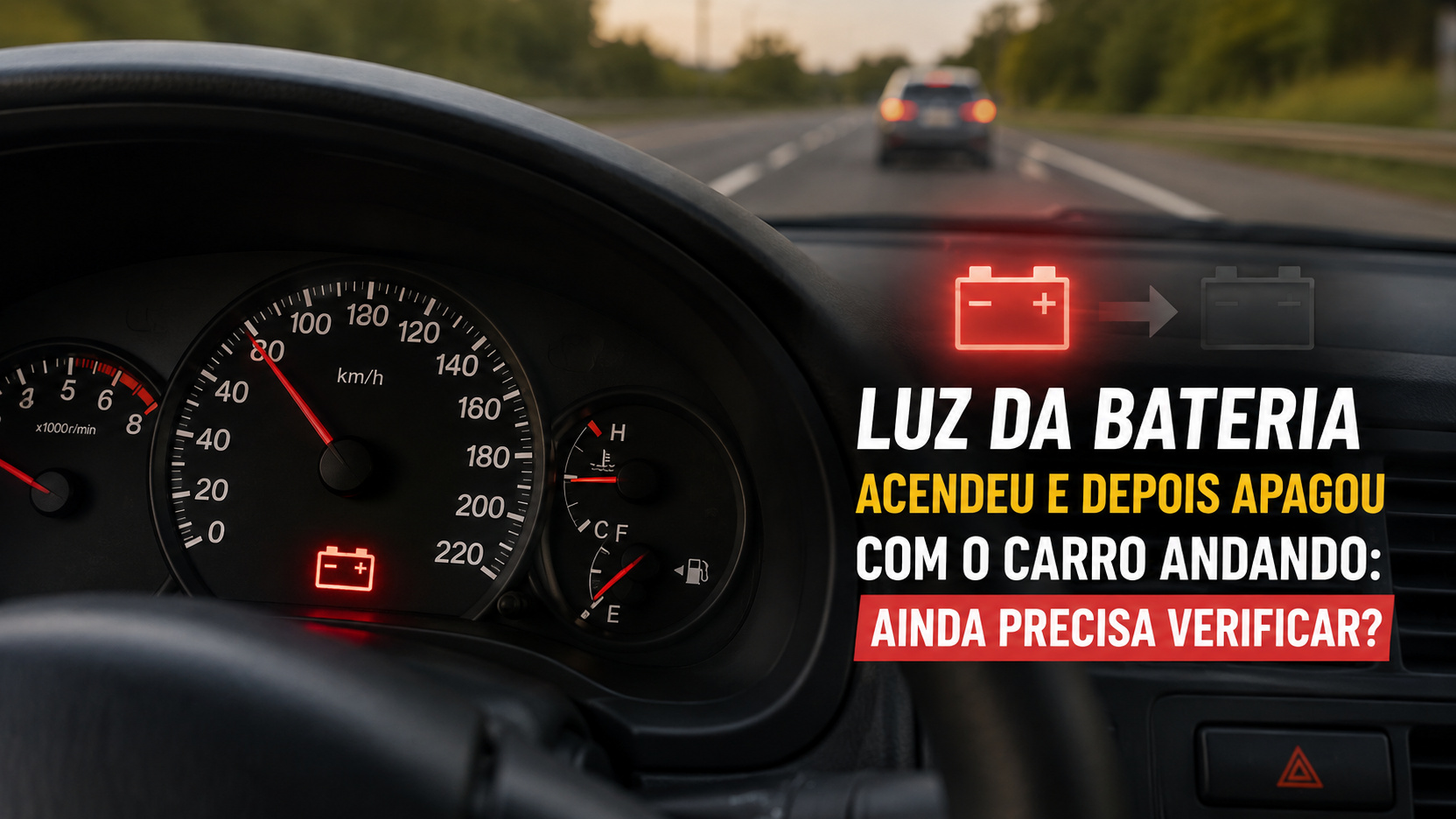
Yes. An intermittent fault may not recur after a restart, and the light can disappear. That does not prove the cause has been eliminated. If the warning returns, if power is reduced or if the car behaves differently, reading the stored fault memory can be useful before the problem becomes harder to reproduce.
How to decide your next step
EPC only and the car feels normal: drive cautiously only as far as necessary and schedule a diagnosis. EPC with limited power or poor response: do not push the vehicle and reach a safe place for evaluation. EPC with severe rough running, loss of control or a red warning: stop safely and request assistance.
The key is not to turn the EPC light into a part diagnosis. It tells you that the electronic power-control system detected an abnormal condition; finding the cause requires combining the car's behavior with fault codes and appropriate tests.