When a dish becomes too salty, the most reliable fix is not to look for an ingredient that can “pull” the salt back out. The practical approach is to lower the salt concentration in the whole dish or turn the salty portion into a base for a larger amount of unsalted food. In soup and stew, that usually means adding unsalted liquid and ingredients. In sauce, it can mean expanding the base. With pasta, it is usually better to correct the sauce and combine it with pasta that has no additional salt.
Acid, sugar, fat, and creaminess can change how salty a dish tastes, but they do not remove sodium that is already present. That distinction matters: balancing flavor is not the same as lowering the amount of salt per serving.
What actually lowers the salt concentration
Once salt has dissolved into a soup, sauce, or broth, there is no ordinary kitchen ingredient that selectively removes it and restores the recipe to its previous state. The most predictable strategy is to increase the amount of food without adding more salt. Culinary guidance from Martha Stewart also emphasizes dilution and increasing volume as methods that truly reduce sodium per serving.
- Add unsalted liquid: water, unsalted stock, milk, cream, coconut milk, or another recipe compatible base can lower the concentration as long as it does not add meaningful sodium.
- Increase unsalted solids: vegetables, grains, meat, tomatoes, rice, or pasta with no additional salt increase total volume and spread out the salt already present.
- Split the batch: when space and ingredients allow, separating part of the salty dish and later combining it with a newly made unsalted portion often preserves texture and flavor better.
- Replace some of the liquid: in soups and broths, removing part of the very salty liquid and replacing it with unsalted liquid can be more effective than simply adding more and more water.
Why a potato does not “pull” all the salt out
A raw potato added to a salty pot can absorb some liquid as it cooks, and that liquid contains dissolved salt. This does not mean the potato acts like a magnet that selects salt while leaving the water behind. When the potato is removed, some absorbed liquid and salt leave with it, but the effect on the concentration of the remaining pot is usually small.
Martha Stewart describes the effect as limited and notes that the water often added to replace the liquid absorbed by the potato can help more than the potato itself. Potato, rice, pasta, or another starch works better when it is used as additional unsalted volume, not as a selective salt extractor.
Rescue matrix by type of dish
| Dish | Main correction | Secondary adjustment | What to avoid |
|---|---|---|---|
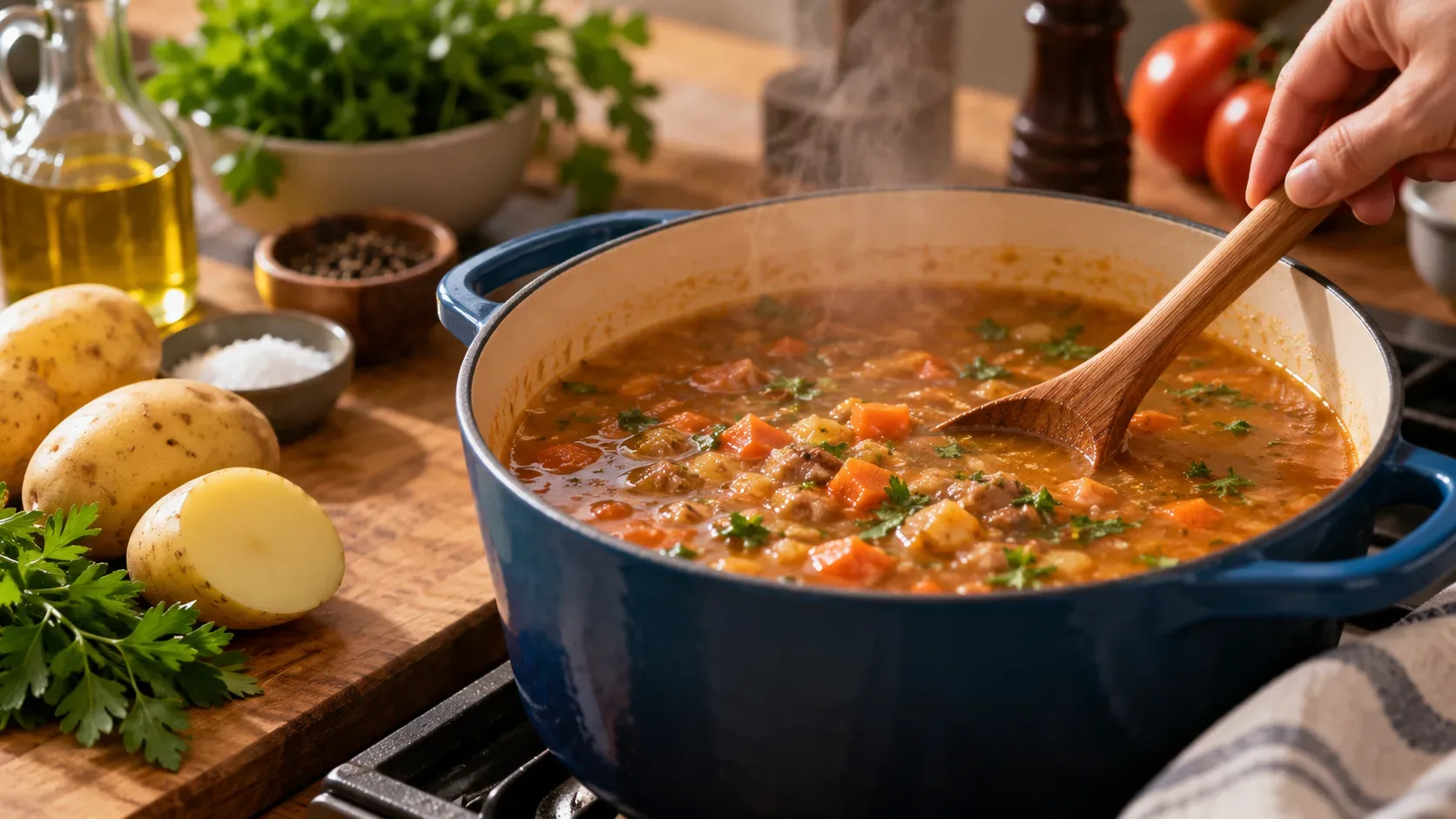
| Soup or broth | Add water or unsalted stock, or remove part of the salty broth and replace it with unsalted liquid. | Add unsalted vegetables, grains, or protein to rebuild body. | Continuing to simmer for a long time, because evaporation concentrates the salt further. |
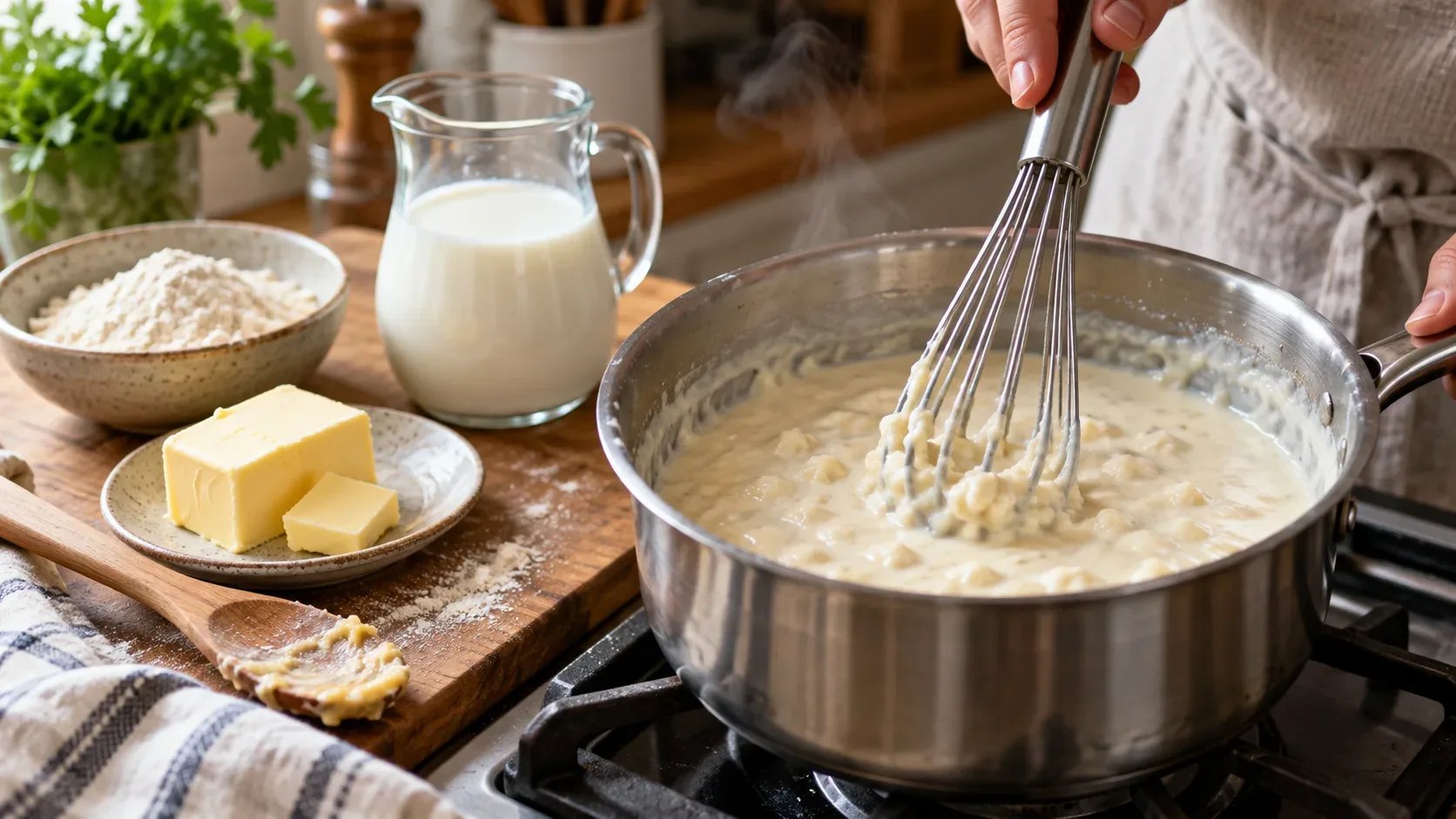
| Sauce | Expand the unsalted base with tomatoes, cream, coconut milk, or another ingredient appropriate to the recipe. | Use a small amount of acid, sweetness, or creaminess only to adjust sensory balance. | Adding more salty ingredients such as aged cheese, soy sauce, prepared stock, or salted butter. |
| Stew | Add unsalted liquid and ingredients, or split the batch and complete it with a new unsalted base. | Add potato, vegetables, or grains as part of a real increase in volume. | Assuming a single piece of potato will remove the excess salt from the pot. |
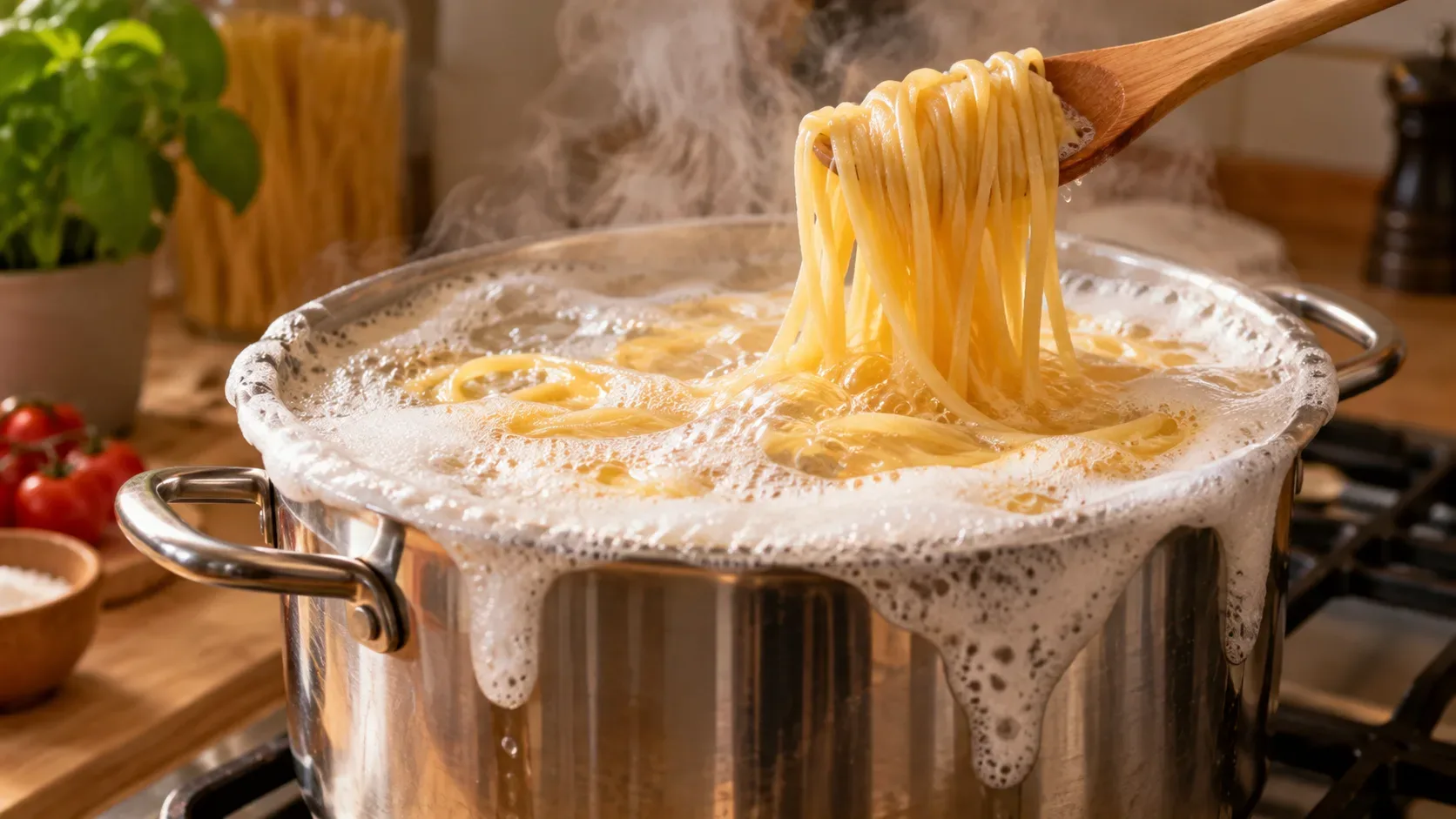
| Pasta | Correct the sauce with an unsalted base and combine it with more pasta cooked without additional salt. | Add tomatoes, cream, or another compatible component to expand the sauce. | Using more already salted pasta water when the problem is excess salt. |
Acid, sugar, and creaminess can help, but they do not remove sodium
Salt perception depends on sodium concentration and also on the food matrix. Scientific reviews of salt perception show that texture, fat, other tastes, and the way sodium is distributed can change perceived intensity. A 2024 review on sodium, food matrix, and saltiness perception focuses on those interactions.
In practice, a small amount of lemon or vinegar, a touch of sugar, or a creamy ingredient can make certain dishes taste more balanced. The sensory result depends on the food and is not guaranteed. Another review of salt reduction and sensory quality describes interactions among salty, sour, bitter, and sweet tastes, texture, and aroma, reinforcing that perception and sodium content are different things.
- Acid: it can reorganize flavor balance and add brightness, but it can also intensify other sensations. Add a little and taste.
- Sweetness: it can counterbalance a very salty sauce, but too much changes the recipe without lowering sodium.
- Creaminess: cream, yogurt, coconut milk, or unsalted purees can soften perception and, when they increase volume, also dilute salt per serving.
- Starch: rice, pasta, beans, or potatoes cooked without salt help mainly because they add mass and volume. The benefit does not come from a supposed ability to “suck up” only the salt.
Step by step to try to save the dish
- Stop reducing. If the dish is simmering uncovered, lower the heat or pause cooking so evaporation does not concentrate the salt further.
- Identify the source. Prepared stock, soy sauce, cured meats, aged cheese, preserved foods, and salted cooking water can add up without being obvious during cooking.
- Choose a compatible diluent. Use water or unsalted stock in soup, tomatoes in tomato sauce, unsalted cream in creamy dishes, or unsalted solid ingredients in stews.
- Add gradually and mix well. Reassess the taste only after the new base is evenly distributed.
- If the recipe starts losing its identity, split the batch. Treat the salty portion as a concentrate and combine it with a new portion made without salt.
When there is no fix without changing the recipe
Some mistakes are too large to correct while keeping exactly the same quantity, texture, and ingredient ratios. If a sauce is extremely salty, its base may need to be doubled. If a soup is already at the limit of its preferred texture, dilution may require adding solids and then readjusting seasonings other than salt. In very salty solid foods, especially after salt has penetrated the interior, reversal is even more limited.
In those cases, a practical solution is to use the food as a component of another preparation. A very salty sauce can season a new unsalted batch. A stew can be divided, frozen in portions, and completed later. This avoids trying to mask an excess that is still physically present.
How to prevent the problem next time
- Season in stages and taste before each new addition.
- If the recipe will reduce substantially, make the final salt adjustment near the end.
- Account for salt already present in stock, cheese, preserves, cured meats, and prepared sauces.
- Use unsalted bases when you want precise control over concentration.
- For pasta, season the cooking water with the intensity of the final sauce in mind.
The most useful principle is simple: to truly lower salt, increase or replace part of the dish with unsalted components. Flavor balancing tricks can help, but the structural correction comes from dilution, increased volume, or partially rebuilding the dish.