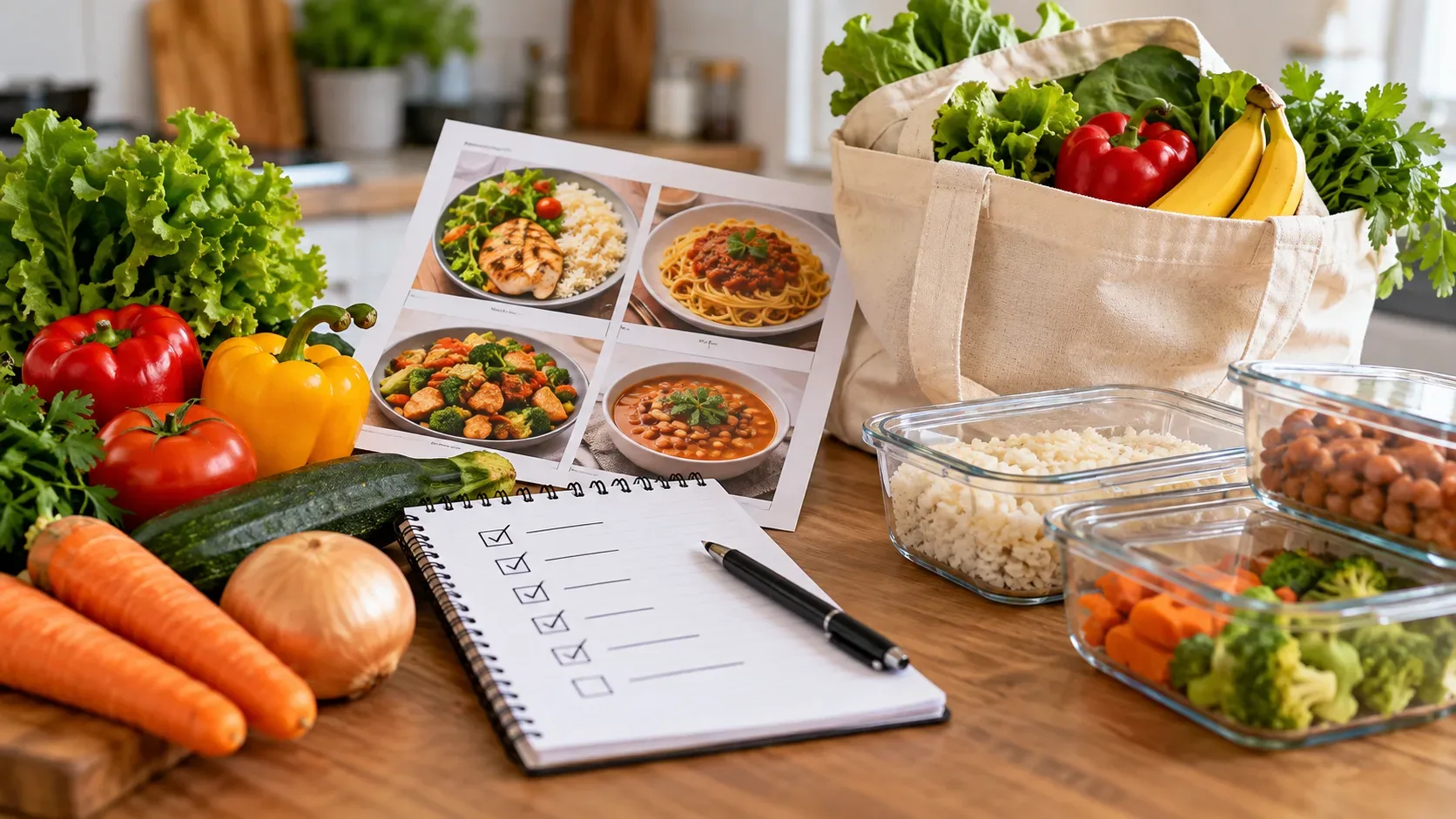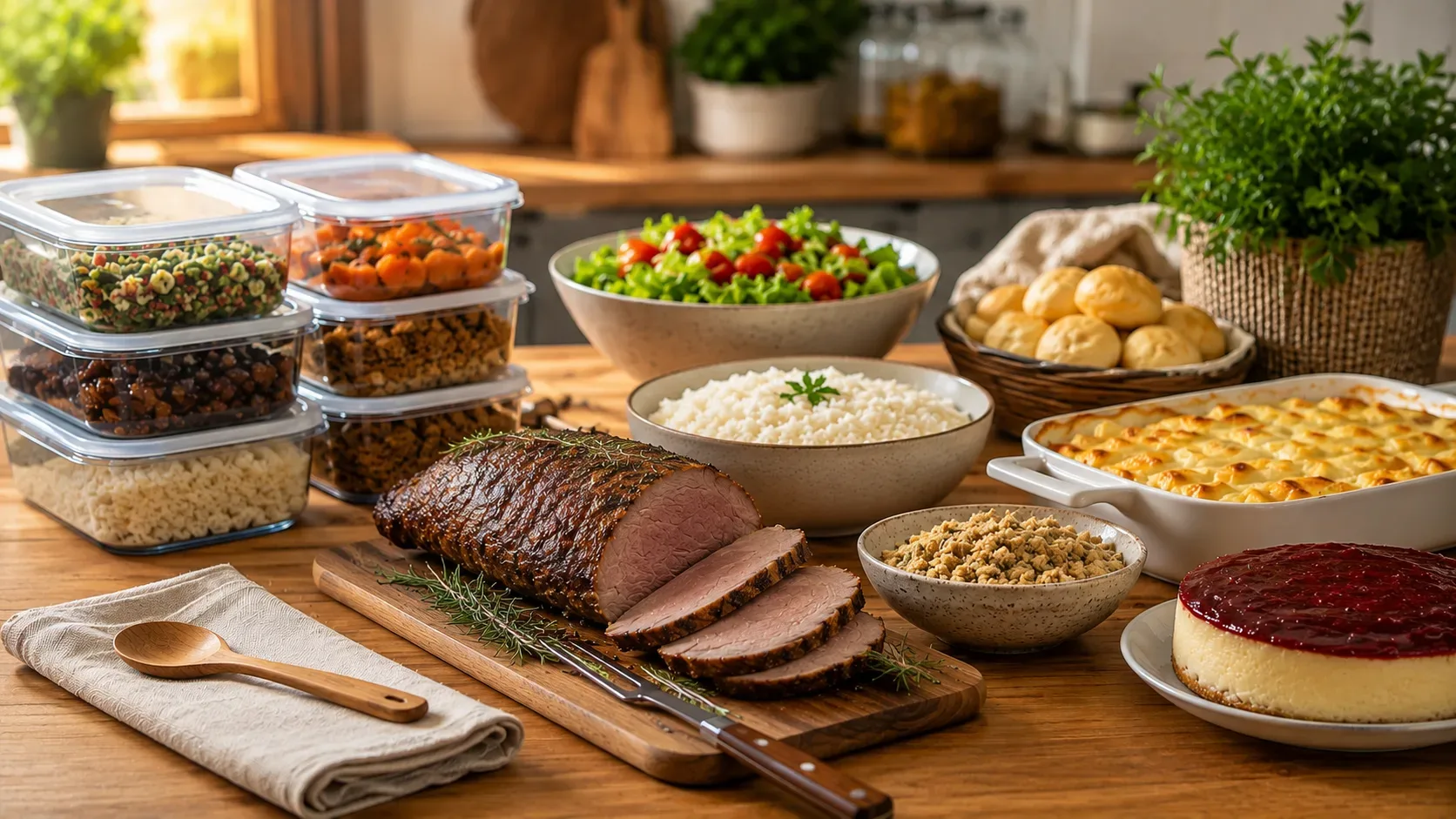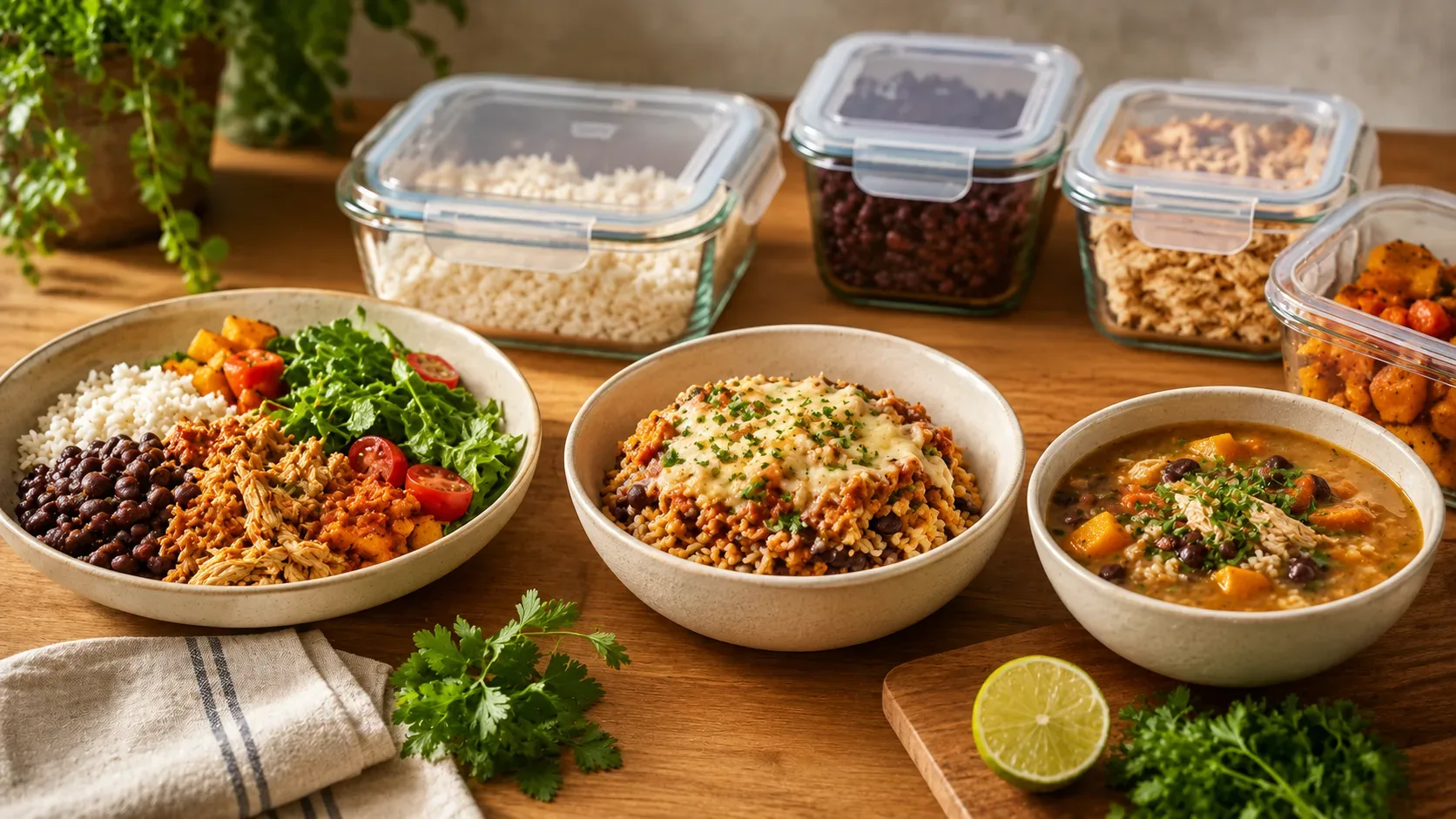
Planning your meals for the week doesn't have to mean lining up seven identical lunch boxes in the fridge. A more flexible alternative is to prepare neutral components, combine them in different ways and define, on the day of cooking, what will be consumed, refrigerated or frozen.
The Ministry of Health recognizes weekly planning, organizing purchases and freezing part of the prepared food as strategies that facilitate the family's routine. The safety of this system, however, depends on four precautions that cannot be improvised: hygiene, separation between raw and ready, adequate cooking and time and temperature control.
The method in a sentence: prepare, divide and target
The “cook once, eat three” principle works like this:
- prepare a base with ingredients that can take on different flavors;
- divide the portions before putting the food on the table;
- consume the first preparation on the same day;
- keep the second one refrigerated for the next few days;
- freeze the third on the day of preparation, if it will only be on the menu later.
This advance division prevents all the food from passing through the table, refrigerator and reheating several times. It also prevents a portion intended for the end of the week from remaining refrigerated for an excessive amount of time.
| Destination | When to consume | Action immediately after preparation |
|---|---|---|
| Meal 1 | Same day | Keep warm above 60°C until serving or consume immediately after preparation |
| Meal 2 | Within three days | Quickly cool, identify and refrigerate at 4°C or below |
| Meal 3 | Later in the week | Cool, identify and freeze on the same day at -18°C or below |
Consumer guidance published by Anvisa on December 19, 2025 recommends that well-handled leftovers be consumed within three days when kept below 4°C. For portions intended for later use, freezing on the day of preparation is the most prudent choice.
Why does this guide adopt three days, not five?
Anvisa's RDC 216 establishes a maximum period of five days for prepared foods kept at 4°C or less. The standard, however, is aimed at food services, which must monitor temperatures, document processes and identify products. The Agency's most recent guidance for consumers uses the three-day limit. Therefore, this method adopts the most conservative domestic deadline and recommends freezing in advance what will not be consumed during this period.
Three days is also not an automatic guarantee. The deadline assumes adequate ingredients, complete cooking, rapid cooling, clean containers and continuous refrigeration. If any component has more restrictive guidance on the label or has remained outside a safe temperature, the shorter condition prevails.
The ingredients matrix: one base, three paths
Instead of choosing three complete recipes and buying different ingredients for each one, create a matrix with six blocks. For each person, calculate three servings of each component that will be repeated.
| Block | Choose one or two options | Function in planning |
|---|---|---|
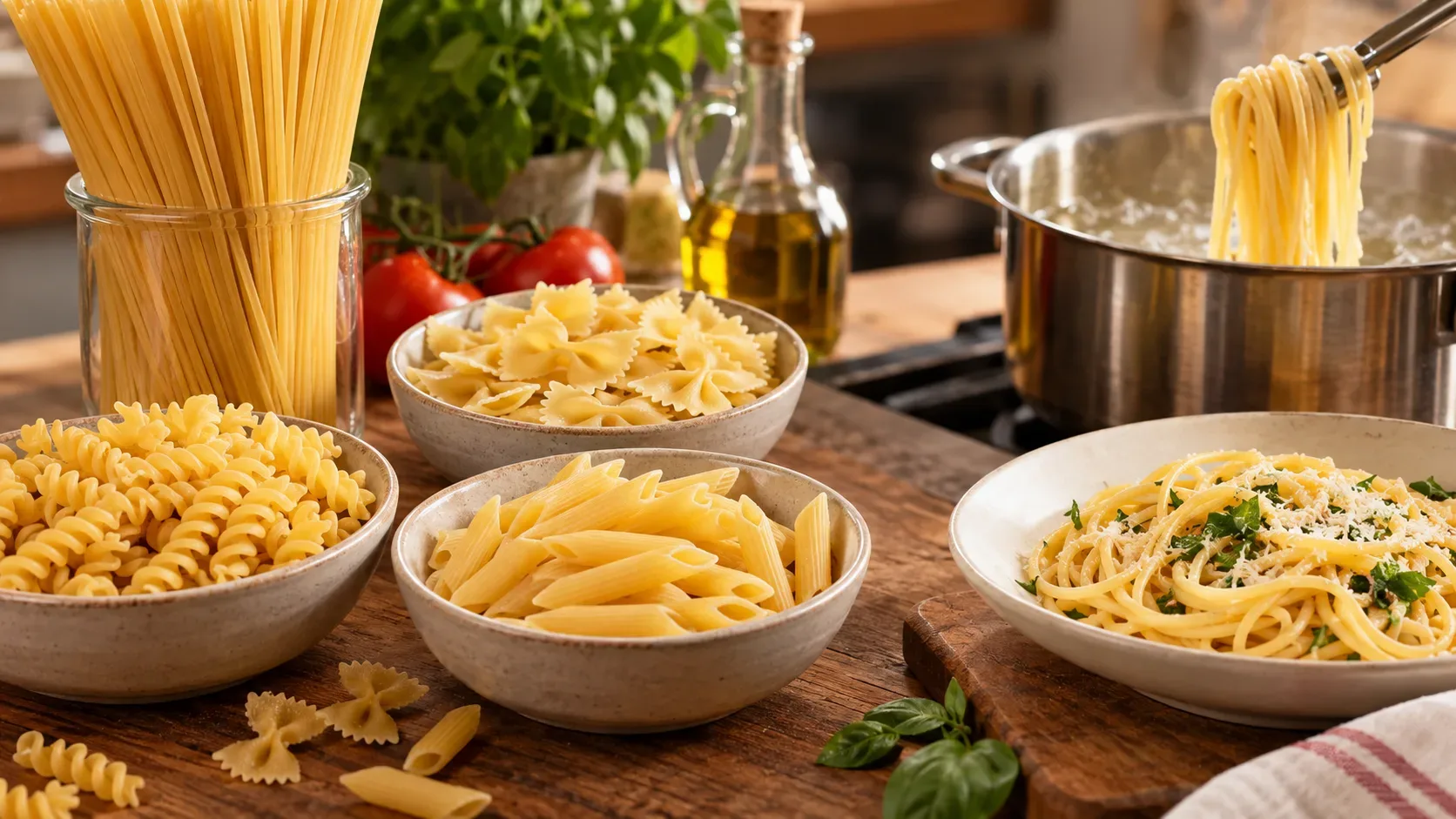
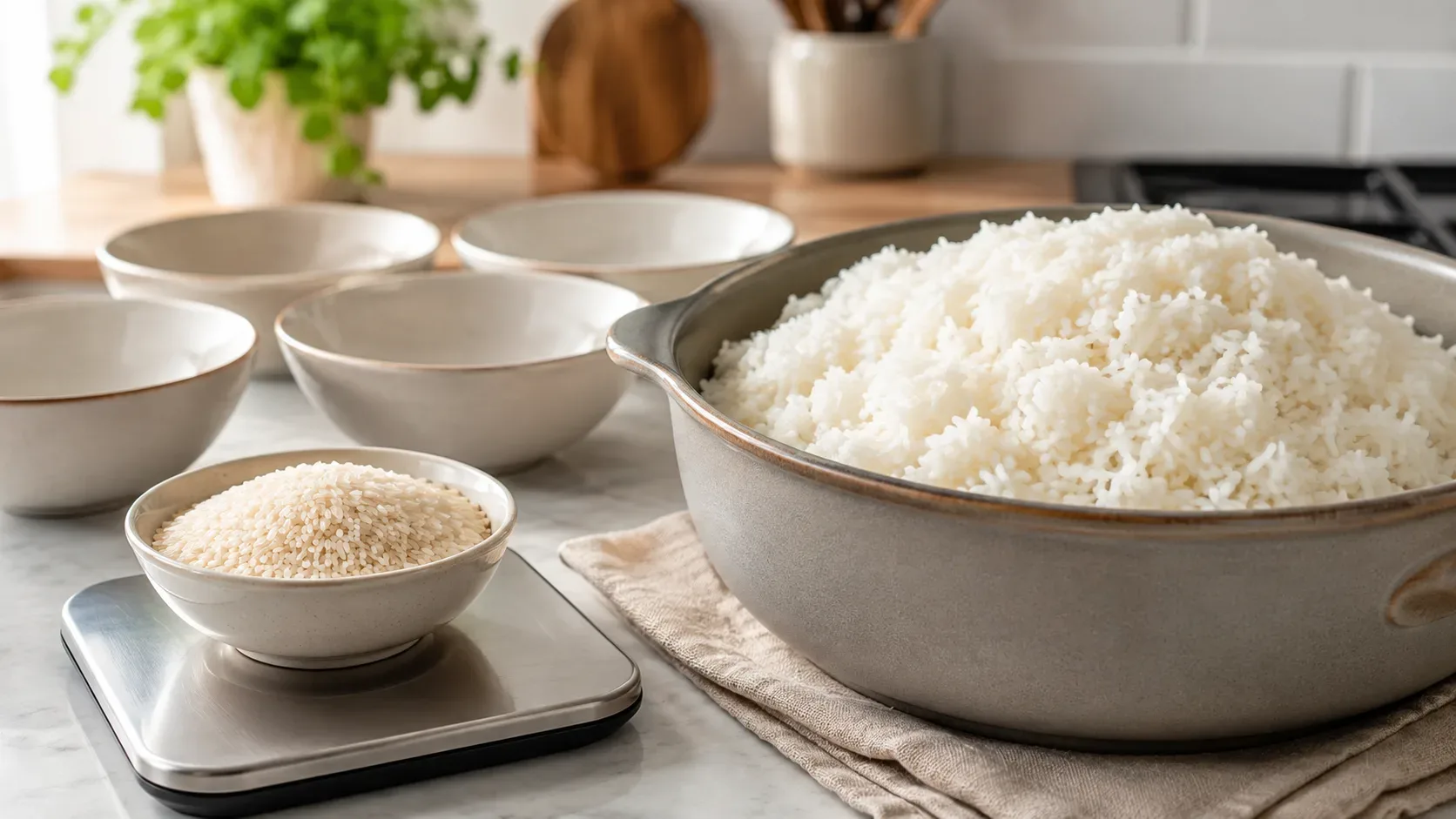
| Energy base | rice, couscous, pasta, potatoes, cassava | Supports the dish and accepts different sauces |
| Legumes | beans, lentils, peas, chickpeas | Can be served whole, mashed or incorporated into soups |
| Protein | chicken, beef, fish, eggs, tofu | Must be stored in smaller, identified portions |
| Cooked vegetables | pumpkin, carrot, zucchini, broccoli | They work as a side dish, filling or part of a broth |
| Transformation element | tomato sauce, broth, herbs, coconut milk | Makes the same base take on another flavor profile |
| Fresh finish | leaves, lemon, tomato, herbs, seeds | Must be separated and only added when serving |
The secret is to season the base in moderation. A pan of overly spicy chicken or vegetables already tossed in a bold sauce offers fewer possibilities than separately prepared components.
Moist, crispy and fresh parts should also be kept in different containers. In addition to preserving texture, this separation allows you to heat only the foods that need to be heated.
Practical example of a base for three meals
Consider a batch with rice, beans, shredded chicken and roasted pumpkin and carrots.
Meal 1 — complete dish
Serve some of the rice, beans, chicken and vegetables with sanitized leaves and lemon. This is the meal of the day of preparation.
Meal 2 — skillet with new seasoning
Use the refrigerated portion of chicken and vegetables with tomato, paprika or herb sauce. Serve with rice or transform into couscous, tapioca or bread filling, depending on the needs of the house.
Meal 3 — soup or stew
Freeze the reserved portion of beans, chicken and vegetables on the day of preparation. Once safely thawed, it can be made into a soup with water or broth, tomatoes and fresh vegetables.
This example does not require all ingredients to be mixed on Sunday. The “batch” is the set of ready-made components that reduces the work of the following days.
The preparation order that reduces time and contamination
An efficient session begins before turning on the stove.
1. Check refrigerator, freezer and containers
Make sure there is space for the pots without blocking air circulation. The refrigerator must operate at 4°C or below for the three-day method; the freezer must remain at -18°C or below. An appliance thermometer is more reliable than the internal dial position.
Separate shallow containers compatible with hot foods. Pre-write the labels with:
- preparation name;
- preparation date;
- destination: refrigerate or freeze;
- planned consumption date;
- presence of allergens relevant to the family.
2. Sanitize hands, countertops and utensils
Wash your hands before starting and again after touching raw food, trash, cell phones, dirty packaging or animals. Countertops, cutting boards, knives and containers must be clean before receiving ready-made food.
Fruits and vegetables need to be washed under running water. When sanitization is necessary, use a product suitable for food and follow the dilution and contact time informed by the manufacturer; Hypochlorite concentrations vary, so do not improvise the measurement.
3. First prepare what will be eaten raw
Cut and package leaves, herbs and vegetables that will not go through fire before handling raw meats or eggs. Then, wash the surfaces that will be reused again.
Anvisa recommends avoiding contact between raw foods and cooked foods and washing utensils used on raw products before using them on ready-made foods. Meat and poultry should not be washed, as splashes can spread microorganisms across the sink and countertops.
4. Start with the most time-consuming preparations
Put grains, legumes and oven items on the heat first. While cooking, organize sauces, seasonings and containers.
Handle raw animal protein in a separate area and preferably near the end of the cutting stage. Use a dedicated cutting board and knife or wash them carefully before any other use.
5. Cook completely
Color and texture, alone, do not confirm that meat, fish and egg preparations have reached a safe temperature. The most reliable method is to measure the center of the food with a clean cooking thermometer.
Do not use the same spoon that touched the raw food to taste the cooked preparation. Also, do not return food that has been placed on individual plates to the common container.
6. Divide before serving
Once the batch is ready, separate the portions destined for the refrigerator and freezer. Only then bring the first meal to the table.
This simple decision keeps future portions safe from used cutlery, prolonged exposure and repeated heating cycles.
Cooling: the most critical point in planning
The most common batch cooking mistake is leaving a large pan on the stove until it cools completely. The larger and deeper the volume, the slower the center loses heat.
RDC 216 establishes, for food services, that a prepared food goes from 60°C to 10°C within two hours and then is kept below 5°C or frozen at -18°C or less. At home, the practical translation is to divide food into smaller, shallow containers rather than refrigerating a deep, full pan.
Perishable foods and ready-made preparations must be refrigerated or frozen within two hours. If the environment is above approximately 32°C, adopt a one-hour limit. Don't wait for the food to reach room temperature; distribute it in small portions and refrigerate it promptly.
How to cool a large pan
- Remove large bones and divide bulky pieces.
- Distribute the preparation into two or more shallow containers.
- Do not mix freshly prepared food with older leftovers.
- Place the containers in the refrigerator or freezer within the time limit.
- Record the preparation date and destination of each portion.
In small refrigerators, producing a volume that occupies almost all the shelves can impair cold air circulation. In this case, reduce the amount prepared rather than trying to store it all at once.
Storage without confusing security with appearance
The organization must follow the “first in, first out” principle. Position older containers at the front and keep raw foods closed and below ready-made foods, preventing liquids from dripping onto them.
For this method, use the following rule:
- up to three days: portion refrigerated continuously at 4°C or below;
- later in the week: frozen portion on the day of preparation;
- unknown time or temperature: discard;
- container without date: don't rely on memory to decide.
Smell, taste and appearance are not enough tests. Foods capable of causing illness may seem normal; therefore, do not try a preparation to find out if it is still safe.
Freezing also does not “reset” an inappropriate history. A portion that has been left unrefrigerated for too long will not become safe again just because it has been placed in the freezer.
Defrosting and reheating
Transfer the frozen portion to the refrigerator the day before. It is also possible to use the microwave, as long as the food is heated or cooked immediately afterwards. Do not defrost on the counter.
Reheat only the quantity that will be consumed. Leftovers and assembled preparations should reach approximately 74°C in the center. In the microwave, cover the container, stir or rotate the food to reduce cold spots and respect the resting time before measuring the temperature. Soups, broths and sauces should come to a boil during reheating.
Do not top up an old container with a new preparation. Each batch must maintain its own date.
Allergens require a separate matrix
When someone in the house has a diagnosed food allergy, it is not enough to remove the visible ingredient at the end. Small quantities may reach other preparations via cutting boards, spoons, blenders, hands, or shared containers. The FDA defines this process as cross-contact and requires specific controls in food production.
In household planning:
- check the labels of all ingredients;
- identify allergens in the matrix before cooking;
- prepare the meal that needs to be exempt first;
- use separate utensils and containers when family protocol requires;
- thoroughly sanitize surfaces;
- do not use the same spoon to taste two preparations;
- label each jar unambiguously.
In severe allergies or celiac disease, the process must follow the individual guidance of the responsible healthcare professional. A seemingly simple replacement does not in itself resolve the risk of cross-contact.
How to reduce waste without extending deadlines
Safely reusing food means changing the shape of a food within its window of use — not trying to recover a preparation that has exceeded its appropriate time or temperature.
Some decisions help:
- freeze early: if a portion will not be consumed within the next three days, freeze it on the day of preparation;
- reserve before serving: do not depend on what may be left on the plates;
- keep separate finishings: leaves, cold sauces and crunchy ingredients only enter the assembly;
- plan real quantities: cook three servings per person, not one pot without destination;
- use the most perishable ingredients first: leave more shelf-stable or frozen items for later in the week;
- record plan changes: if Tuesday's meal was not eaten, decide that day whether it will still be used within the time limit or whether it should be discarded.
The goal is not to make food last as long as possible. It is to prevent it from being forgotten, poorly stored or over-prepared.
Checklist for preparation day
Before closing the kitchen, confirm:
- refrigerator at 4°C or less and freezer at -18°C or less;
- clean, shallow and sufficient containers;
- raw foods separated from ready-made ones;
- fruits and vegetables properly sanitized;
- cooking verified;
- separate future portions before serving;
- refrigerated or frozen foods within the time limit;
- pots with name, date, destination and allergens;
- end of the week portion frozen on the day of preparation;
- thawing plan noted.
Saving this matrix alongside your shopping list helps turn Sunday cooking into a repeatable process — not an impromptu marathon.
FAQ
Can I put food in the fridge when it's still hot?
There is no need to wait for it to cool completely on the counter. Divide the food into smaller, shallow containers and refrigerate it promptly. What should be avoided is placing a large, deep, full pan to cool slowly.
Can I leave the third meal in the refrigerator for three days and then freeze it?
It is safer to freeze it on the day of preparation. This way, it doesn't consume the entire refrigeration window before entering the freezer.
Can I thaw in the morning over the sink to eat at night?
No. Thaw in the refrigerator. The microwave can also be used when food is heated or cooked immediately afterward.
Do I need a culinary thermometer?
It is the most reliable way to check internal temperature and reduces reliance on inaccurate signals such as color, steam or texture. It's also useful to have a thermometer for your refrigerator.
Does all ready-made food last three days?
No. Three days is a general limit adopted for well-handled leftovers kept below 4°C. Specific ingredients, manufacturer recommendations, refrigeration failures, or needs of vulnerable people may require early disposal.