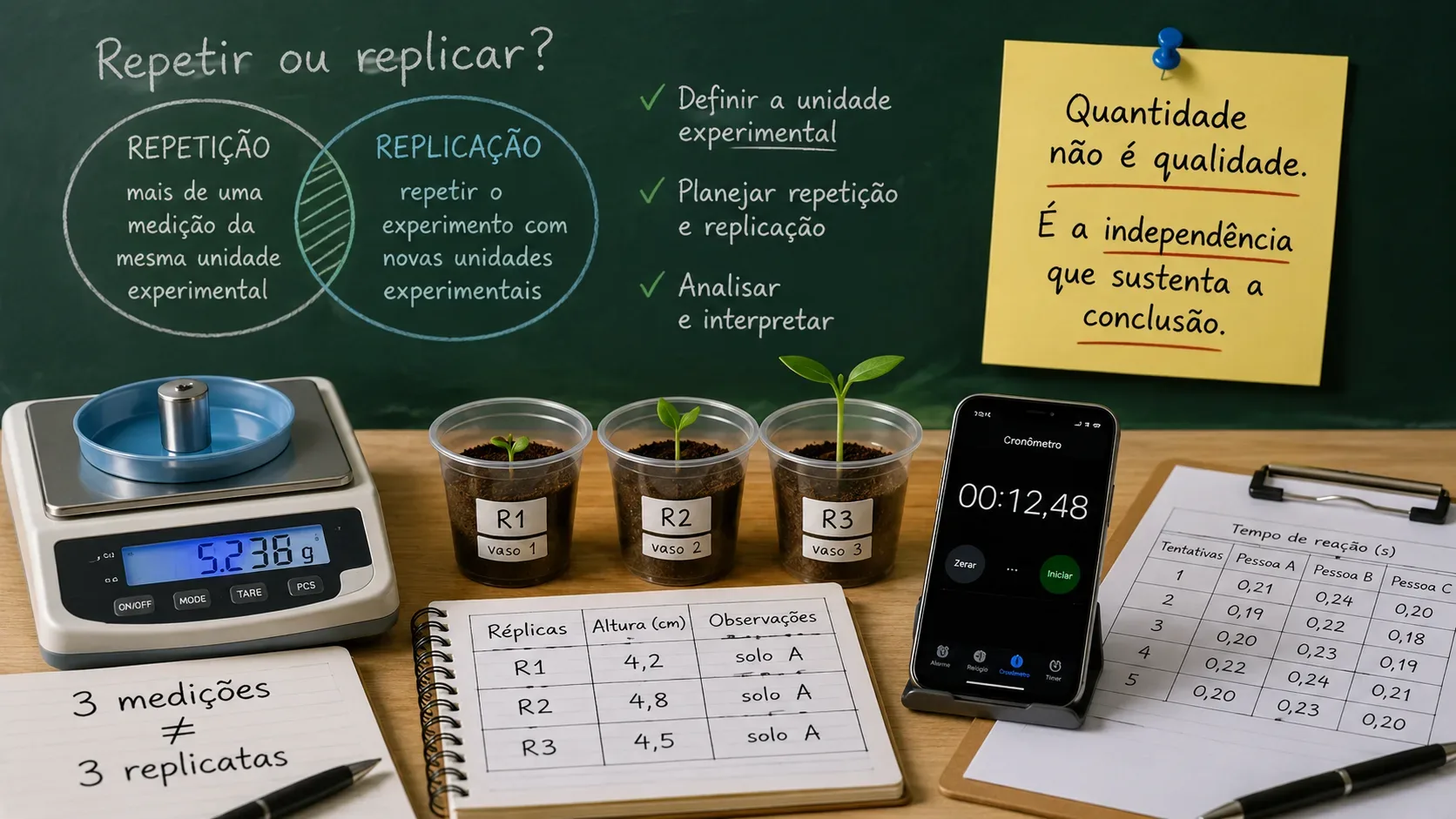
Short answer: there is no magic number of measurements that, by itself, “proves” a conclusion. Before counting measurements, you need to identify the experimental unit: the smallest element that receives a condition or treatment independently. Measuring the same unit several times improves the information about that unit, but it usually does not create new independent replicates.
Repeating a measurement and replicating the experiment are different
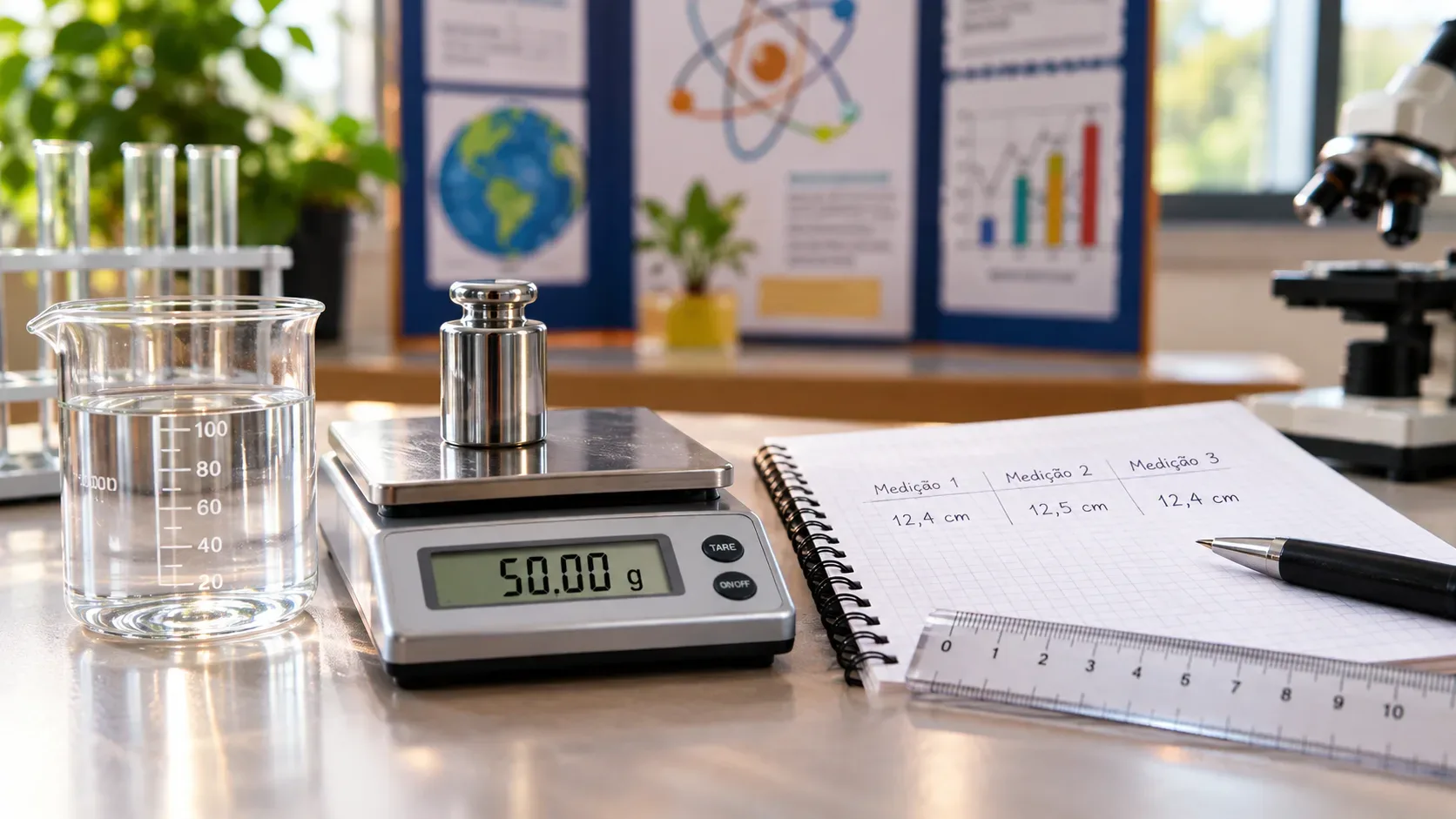
In metrology, repeatability describes the agreement among successive measurements made under essentially the same conditions. NIST, for example, defines repeatability in terms of measurements of the same measurand using the same procedure, observer, instrument, location, and a short time interval. That is useful for seeing measurement noise, but it does not, by itself, show whether an observed effect appears in independent units. See the terminology in NIST Technical Note 1297.
Experimental replication, by contrast, depends on applying the condition being studied to new experimental units. Penn State defines an experimental unit as the entity that receives the treatment — for example, a plant, person, pot, plot, or plate — and warns about pseudoreplication: treating multiple observations from the same unit as if they were multiple independent units. This mistake artificially inflates the apparent sample size. The distinction is explained in Experimental Unit and Replication.
The question that comes before “how many times?”
Ask: what receives the condition independently? That element defines the number of replicates. Then, within each replicate, you can take repeated measurements to reduce reading error or track changes over time.
- One coin weighed five times on the same scale: these are five readings of the same object. They help estimate measurement repeatability, but they still describe one coin.
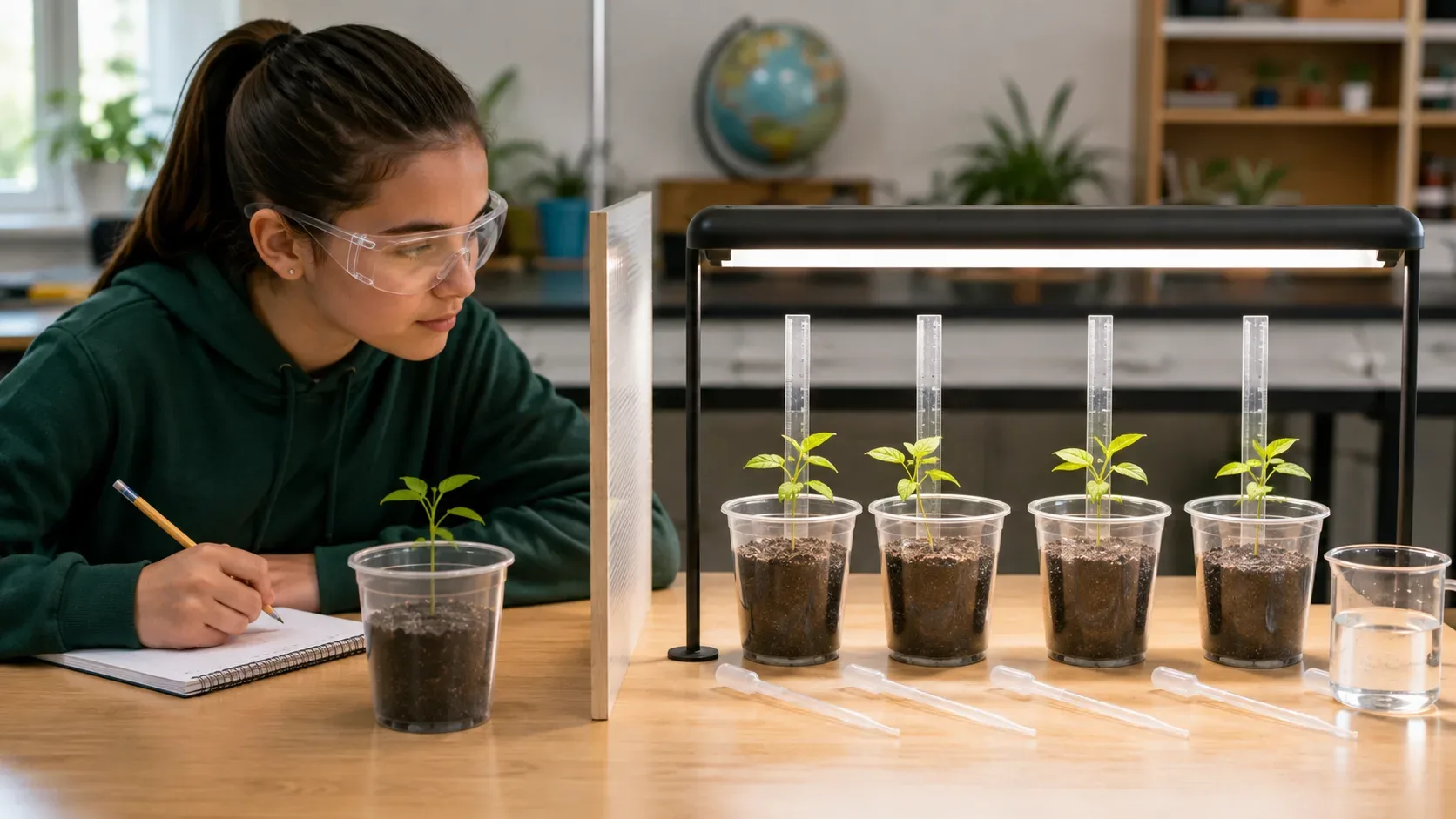
- Five separate pots receiving the same fertilizer dose: if each pot is treated independently, they can be five experimental units.
- Ten reaction-time trials from the same student: these are repeated measurements of the same person. To conclude something about students in general, you need several independent people; ten trials from one person do not become ten participants.
So are three measurements enough?
Three is a common educational reference, not a statistical law. Science-fair guidance such as Science Buddies recommends planning at least three trials for a typical experiment and makes clear that more may be necessary. The decisive point is that those trials need to be appropriate repetitions of the experiment — and, when the question compares units, they should represent independent units.
For a simple, low-risk school project, three independent replicates per condition can be used as an operational floor when the goal is to demonstrate the method and see whether a pattern appears more than once. But this floor does not guarantee statistical power, does not turn a result into “truth,” and may be insufficient when the data are highly variable, the difference between groups is small, or the conclusion is intended to apply to a broad population.
In statistics, there is no universally correct number without additional information. The NIST/SEMATECH e-Handbook explains that the required sample size depends, among other factors, on variability and accepted error risks. Planning tools such as the NC3Rs Experimental Design Assistant relate sample size to the effect of interest, variability, significance level, and power.
A defensible minimum for a school project
A sound way to write the plan is to separate an educational minimum from a statistically calculated sample size:
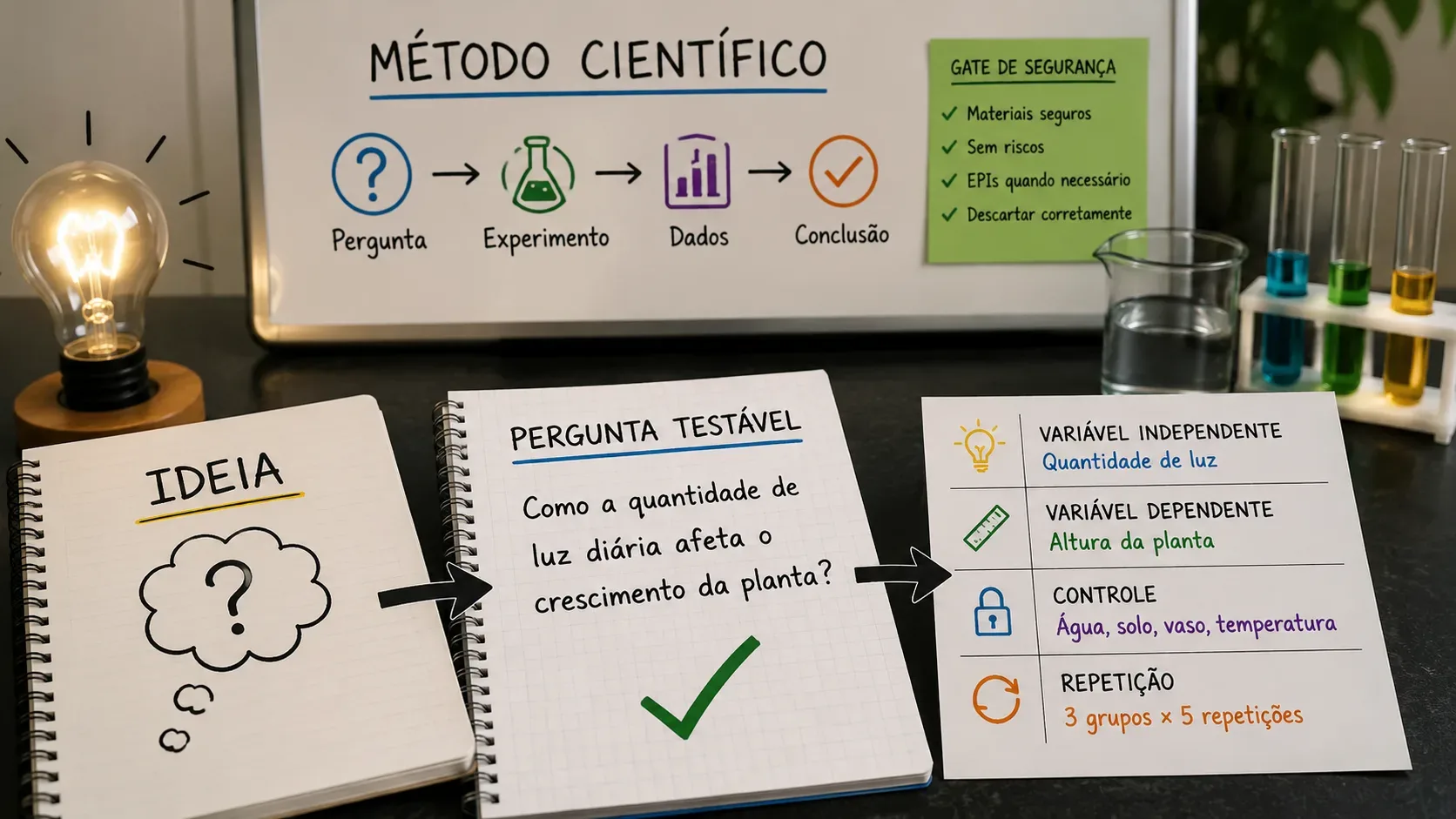
- Identify the experimental unit. State explicitly whether it is the pot, person, prepared solution, batch, surface, or another element.
- Plan at least three independent units per condition when the school experiment allows it and the school’s rules do not require more. Treat this as a practical starting point, not a guarantee of sufficiency.
- Use repeated measurements within each unit only to improve the reading or follow change over time. Do not automatically count those readings as new replicates.
- Run a pilot. If results vary widely among units, increase the number of units when time and materials allow.
- Limit the conclusion to what the design supports. With few replicates, prefer “in this experiment, we observed...” over universal claims.
Example 1: a scale — repeating the reading does not multiply the sample
Imagine the question is whether a classroom scale gives stable readings for a standard weight. You place the same object on the scale five times, removing and replacing it each time. Those five readings assess measurement repeatability. It makes sense to calculate the mean, range, and, if the class is already using statistics, the standard deviation of those readings.
But if the question is to compare the mass of two types of parts produced by different methods, measuring one part of each type ten times does not create ten replicates per group. The design would still contain only one part of each type. To study variation among parts, you would need to measure several independently produced parts.
Example 2: germination — the unit may be the seed, pot, or tray
In a germination experiment, the experimental unit depends on how the treatment is applied. If each seed is in its own container and receives its condition separately, the seed or container can serve as the unit. If ten seeds are in one tray and the whole tray receives a single solution, the tray may be the relevant unit for that treatment.
Therefore, counting thirty seeds in three trays does not automatically mean thirty replicates. It may mean three replicates with ten observation units inside each one. A useful rule is to follow the treatment: which element could receive a different condition without forcing the others to receive the same one?
Example 3: reaction time — multiple trials from one person are correlated
Suppose a student wants to compare reaction time before and after a task. Running ten trials on the same person helps estimate that person’s performance and reduces the influence of one unusually fast or slow click. However, repeated measurements from the same participant are not independent. Penn State notes that repeated responses from the same unit can be correlated and require appropriate treatment in repeated-measures analysis. See Introduction to Repeated Measures.
If the intended conclusion is about “students,” the project needs several students. A simple school-level approach is to summarize each participant’s trials — for example, with an individual mean or median — and then compare participants, clearly reporting how many people were included.
How to avoid pseudoreplication in the data table
Organize the spreadsheet or notebook with a column identifying the experimental unit. This makes it clear which rows belong to the same unit.
| Condition | Unit | Measurement 1 | Measurement 2 | Measurement 3 | Unit summary |
|---|---|---|---|---|---|
| Control | Pot C1 | ... | ... | ... | ... |
| Control | Pot C2 | ... | ... | ... | ... |
| Treatment | Pot T1 | ... | ... | ... | ... |
| Treatment | Pot T2 | ... | ... | ... | ... |
In this format, three readings from one pot remain grouped under the same identifier. This prevents an average based on many readings from being confused with a sample made of many independent units.
What to report in the project
- the question and the manipulated variable;
- the experimental unit;
- the number of independent units in each condition;
- the number of measurements taken from each unit and why;
- how conditions were kept comparable and, when possible, how treatments were randomly assigned;
- any losses, errors, or procedural changes;
- how results were summarized;
- which limitations prevent broader generalizations.
A rule of thumb that does not confuse counting with evidence
For school projects, the safest phrase is: start by counting independent units, not readings. Three independent replicates may be an acceptable educational minimum in many simple projects; three readings from the same unit may be only one replicate with three measurements. If the effect is small, results vary widely, or the conclusion needs to apply to many people or objects, you will need a larger sample or a narrower conclusion.
The best design is not the one that fills the table with the most numbers. It is the one that makes clear what was replicated, what was merely measured again, and how far the data can support the conclusion.