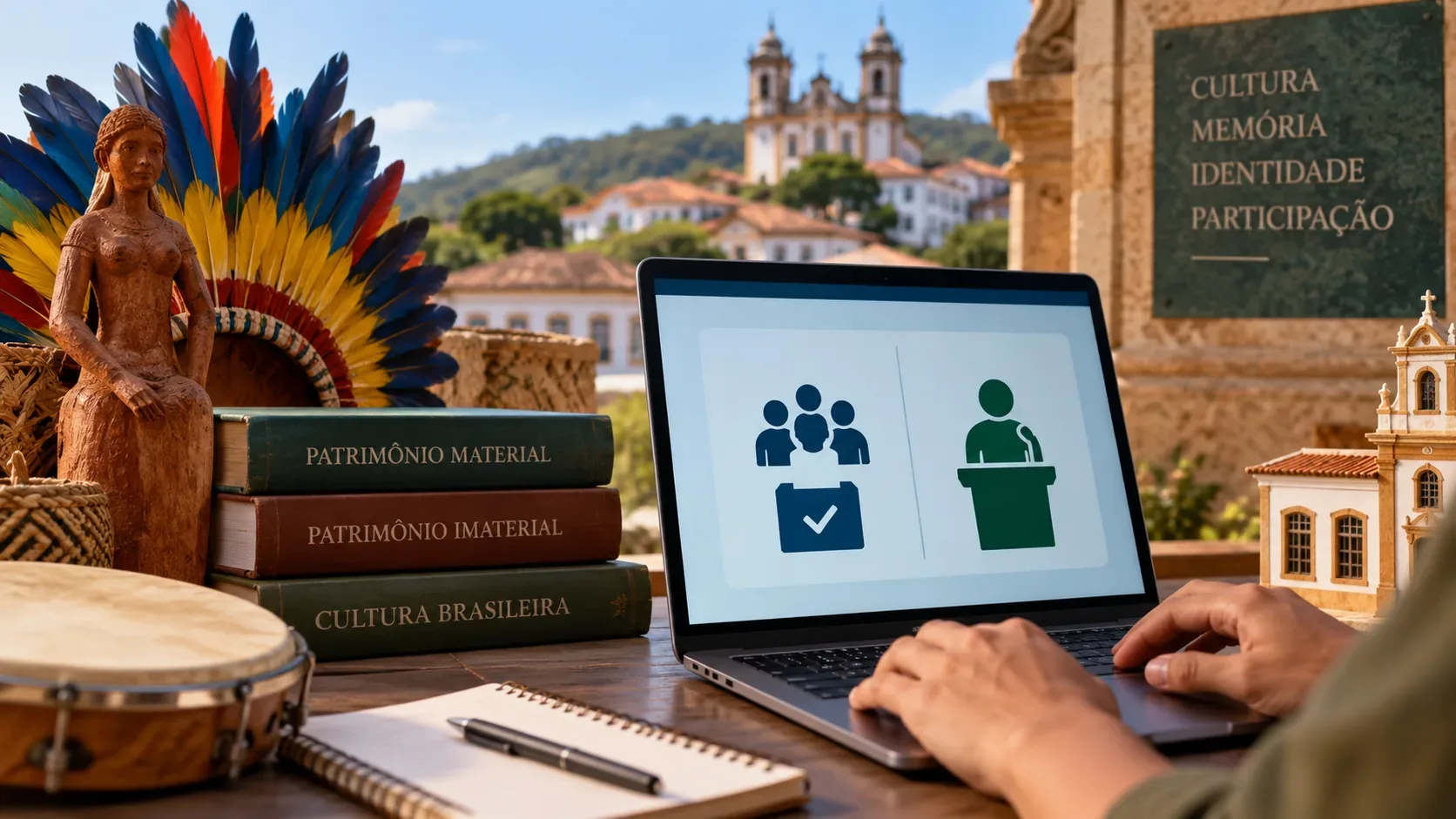
People working with cultural heritage can take part in the 2026 election of Brazil's National Council for Cultural Policy (CNPC), but eligibility is not automatic simply because someone works in the field. Each participant must choose one National Collegiate, decide whether to register as a voter or a candidate, and prove the required track record. For the Material Heritage and Intangible Heritage collegiates, registration on the Vota Cultura platform is open until 11:59 p.m. on September 22, 2026.
Material Heritage and Intangible Heritage have separate collegiates
The 2026 election organizes civil-society participation through 21 National Social Participation Collegiates. The Heritage and Memory axis includes four: Archives and Collections, Museums and Memory, Intangible Heritage, and Material Heritage. This matters because each person may register for only one collegiate.
According to Iphan, the Material Heritage and Intangible Heritage collegiates are participation channels for people working with identification, research, preservation, safeguarding, or management of cultural heritage. The official Ministry of Culture election and notice page contains the general rules for the process.
First decide: do I want to vote or run?
| Role | Minimum age | Track record to prove | What it means |
|---|---|---|---|
| Voter | 16 | At least 1 year of affiliation, activity, or research in the chosen collegiate's field | Votes for eligible candidates in that collegiate |
| Candidate | 18 | At least 3 years of cultural history and activity in the collegiate's field | Runs for a civil-society seat and, once eligible, also becomes a voter in the same collegiate |
If you only want to help choose representatives, voter registration requires a shorter track record. If you want to hold a seat, you must meet the candidate requirements. The Ministry's official FAQ also states that if a candidacy does not meet the three-year requirement but the submitted documentation proves at least one year of activity, the registration may be approved automatically in the voter category.
Who fits the heritage collegiates?
The key is to show that your actual track record matches the collegiate you select, not merely to have the word “heritage” in a résumé.
Material Heritage
Iphan describes material heritage through physical cultural assets, movable or immovable, including historic urban ensembles, buildings, archaeological and landscape sites, collections, and other tangible cultural assets. People whose work involves archaeological-site research, conservation of historic buildings and urban ensembles, heritage education focused on tangible assets, or management and protection of listed properties may have a relevant track record for this collegiate.
Intangible Heritage
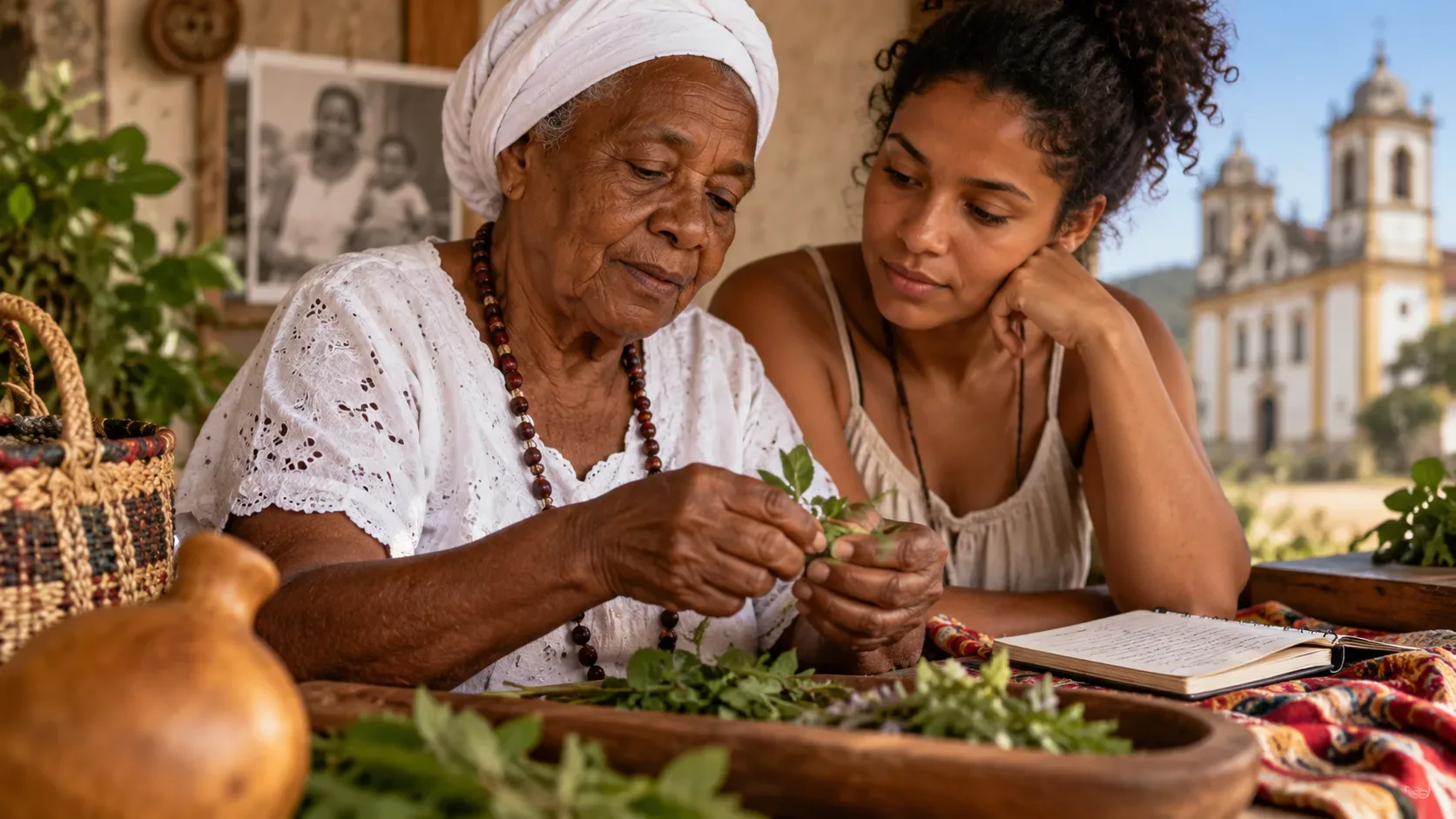
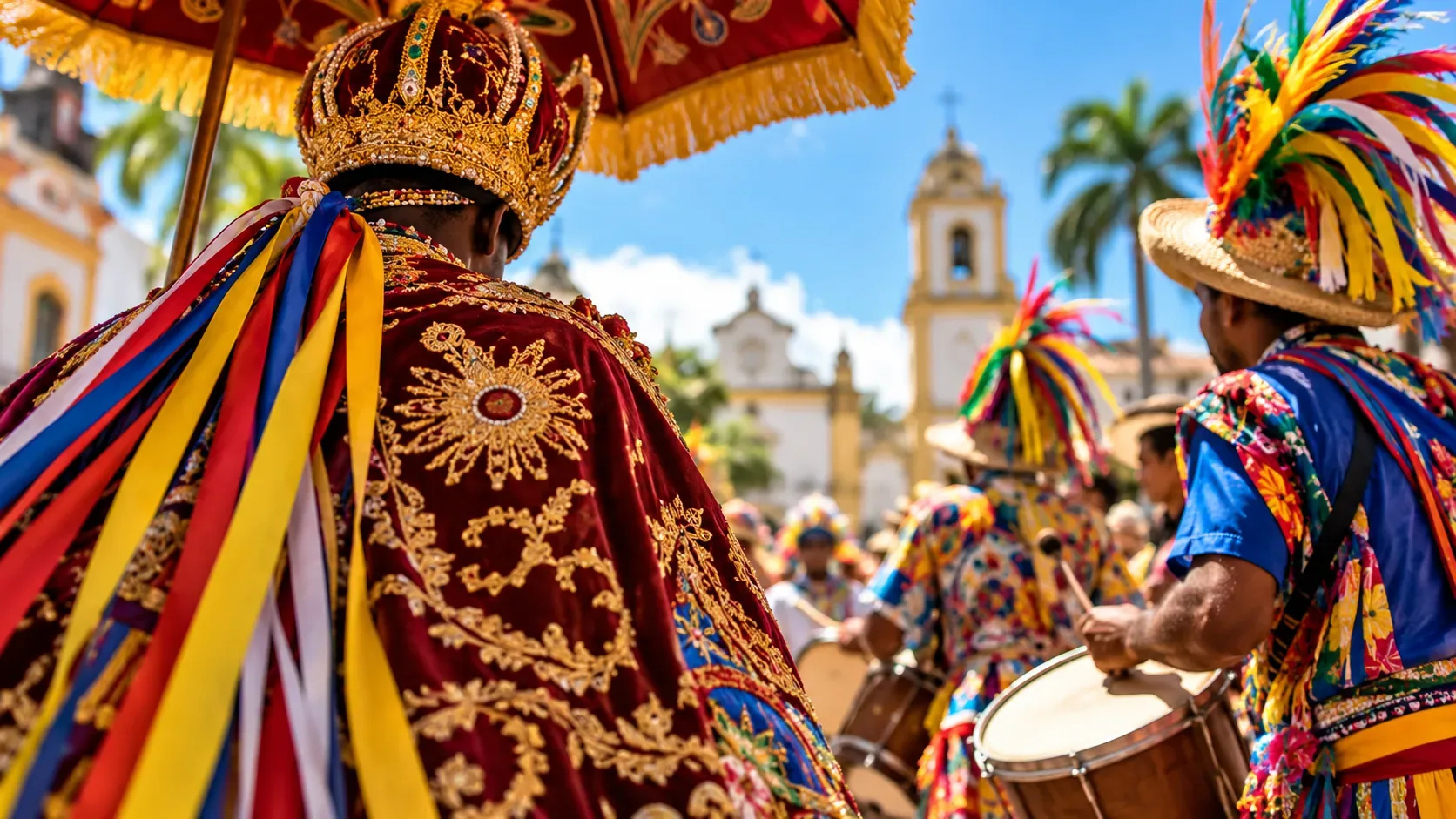
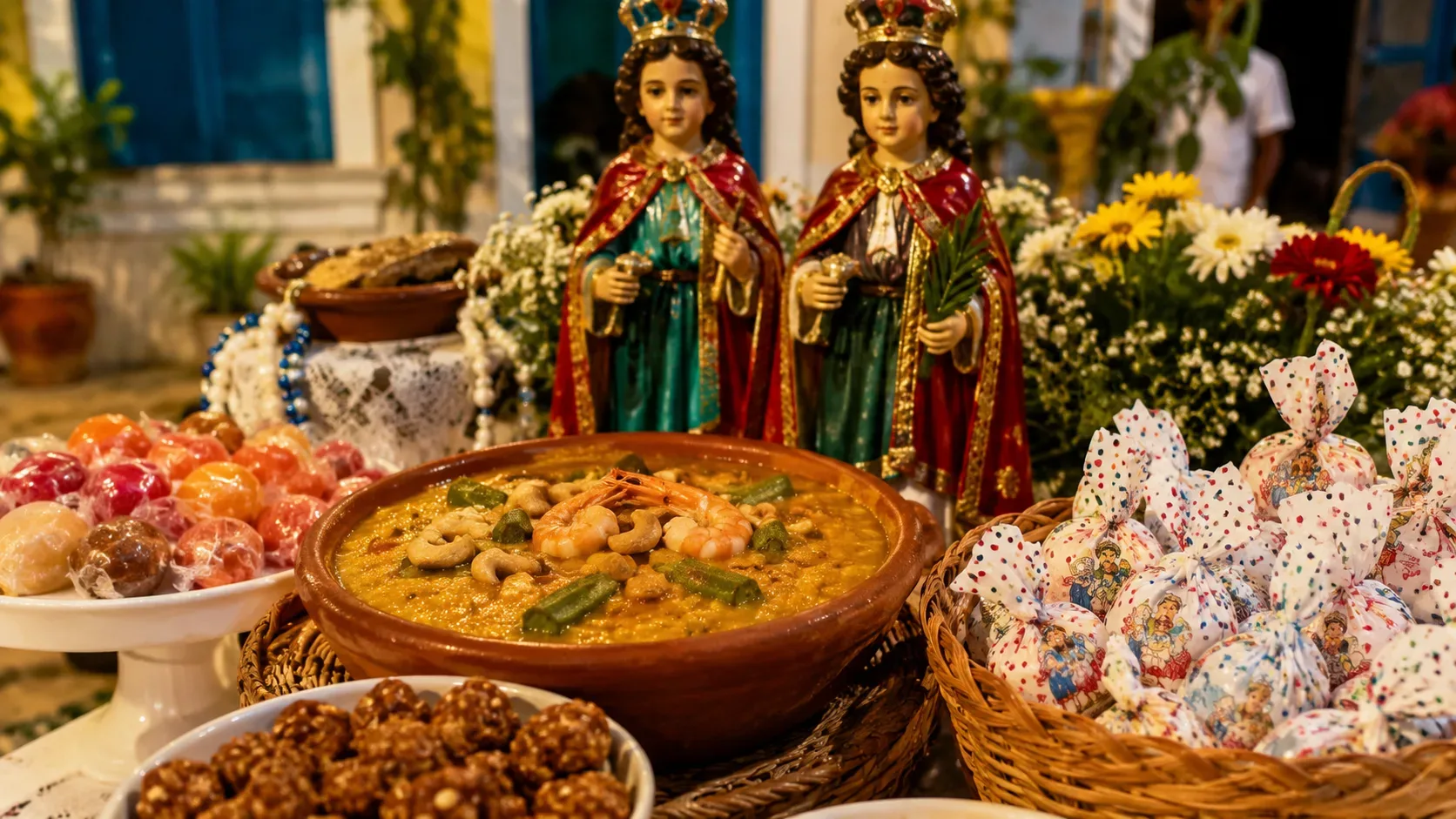
Iphan describes intangible heritage as practices and domains of social life expressed through knowledge, crafts and ways of doing, celebrations, forms of expression, and places associated with collective cultural practices. Traditional knowledge holders, researchers, technicians, producers, and cultural agents involved in identifying, documenting, and safeguarding those references may have a track record compatible with this collegiate.
Some neighboring fields have their own collegiates. If your work is mainly with archives, collections, or museums, compare your experience with the Archives and Collections or Museums and Memory collegiates before choosing. Because only one registration is allowed per person, make this decision before submitting.
Who can vote
- be at least 16 years old at the time of registration;
- prove at least one year of activity, affiliation, or research in the field of the chosen collegiate;
- be a Brazilian citizen, by birth or naturalization, or a foreign national legally residing in Brazil;
- register for only one National Collegiate.
Voting is peer-based: a voter may vote only for candidates in the collegiate for which the voter was approved. Online voting is scheduled for November 11–15, 2026.
Who can run as a candidate
- be at least 18 years old at the time of registration;
- prove at least three years of activity, affiliation, or research in the collegiate's cultural field;
- reside in Brazil and, for regional representation, in the macro-region the person intends to represent;
- meet the remaining eligibility and documentation requirements in the election notice.
An eligible candidate automatically becomes a voter in the same collegiate, so a second registration to vote is not required.
Restrictions and special situations
The Ministry says public employees who work directly in cultural-management structures or agencies of the relevant federal, state, Federal District, or municipal government may not participate as civil society unless they meet the leave, licensing, or dismissal conditions in the notice. Public employees in other fields, such as education and health, may participate as long as they do not use public structures, institutional channels, or resources in a campaign.
Members of civil-society organizations, associations, cooperatives, and cultural collectives may participate. Cultural-project scholarship recipients may also participate, and having previously received funding through cultural calls does not bar registration. These cases and their limits are detailed in the official FAQ.
What documents can prove a cultural track record?
The evidence must show both time and a connection to the collegiate's field. The Ministry lists examples such as:
- records of participation in projects, exhibitions, festivals, fairs, or other cultural activities;
- participation in councils, forums, working groups, or rights-advocacy actions;
- statements from entities, associations, unions, cooperatives, terreiros, collectives, and traditional knowledge holders;
- certificates from courses, workshops, seminars, awards, invitations, and programs;
- publications, research, articles, and records of traditional knowledge;
- proof of management of cultural spaces;
- press coverage, contracts, invoices, and records in official systems or registries.
Documents from different periods can be combined to reach the required one or three years. PDF portfolios may include external links, but the links must be public and working. Social-media records may be used as evidence when organized with dates and links.
Files submitted through the platform must follow the process limits: PDFs of up to 25 MB per file and up to 100 MB in total. The notice also allows a written portfolio to be replaced, under the conditions indicated in the form, by a video statement of up to five minutes; identity and residence documents remain mandatory.
How to register on Vota Cultura
- Read the notice and correction on the official Ministry of Culture page.
- Prepare identity and residence documents and evidence of your cultural track record.
- Access the Vota Cultura platform using a gov.br account.
- Choose one collegiate and one role: voter or candidate.
- Complete the form and upload the required evidence.
- Submit before 11:59 p.m. on September 22, 2026. The Ministry itself recommends not leaving registration or voting until the last moments because connection problems are the participant's responsibility.
Main CNPC 2026 election timetable
| Stage | Date |
|---|---|
| Voter and candidate registration | Aug. 11–Sept. 22, 2026 |
| Technical-document review | Sept. 23–Oct. 13, 2026 |
| Preliminary eligibility result | Oct. 14, 2026 |
| Appeals | Oct. 15–19, 2026 |
| Final list of approved candidates | Oct. 27, 2026 |
| Official candidate promotion period | Oct. 30–Nov. 10, 2026 |
| Online voting | Nov. 11–15, 2026 |
| Final election result | Dec. 2, 2026 |
Checklist before submitting
- Does my experience fit Material Heritage or Intangible Heritage better — or another collegiate in the Heritage and Memory axis?
- Do I only want to vote, or do I also want to run?
- Do I have documents proving at least one year for voter registration or three years for candidacy?
- If I am running, does my residence match the macro-region I intend to represent?
- Are my PDFs and links readable, public, and within the size limits?
- Can I access my gov.br account before entering Vota Cultura?
- Have I reviewed the notice, its correction, and the specific rules before submitting?
To check later changes, documents, and guidance, always use the official channels of the Ministry of Culture, Iphan, and Vota Cultura. The government lists vota.cnpc@cultura.gov.br as the official email for questions about the election.