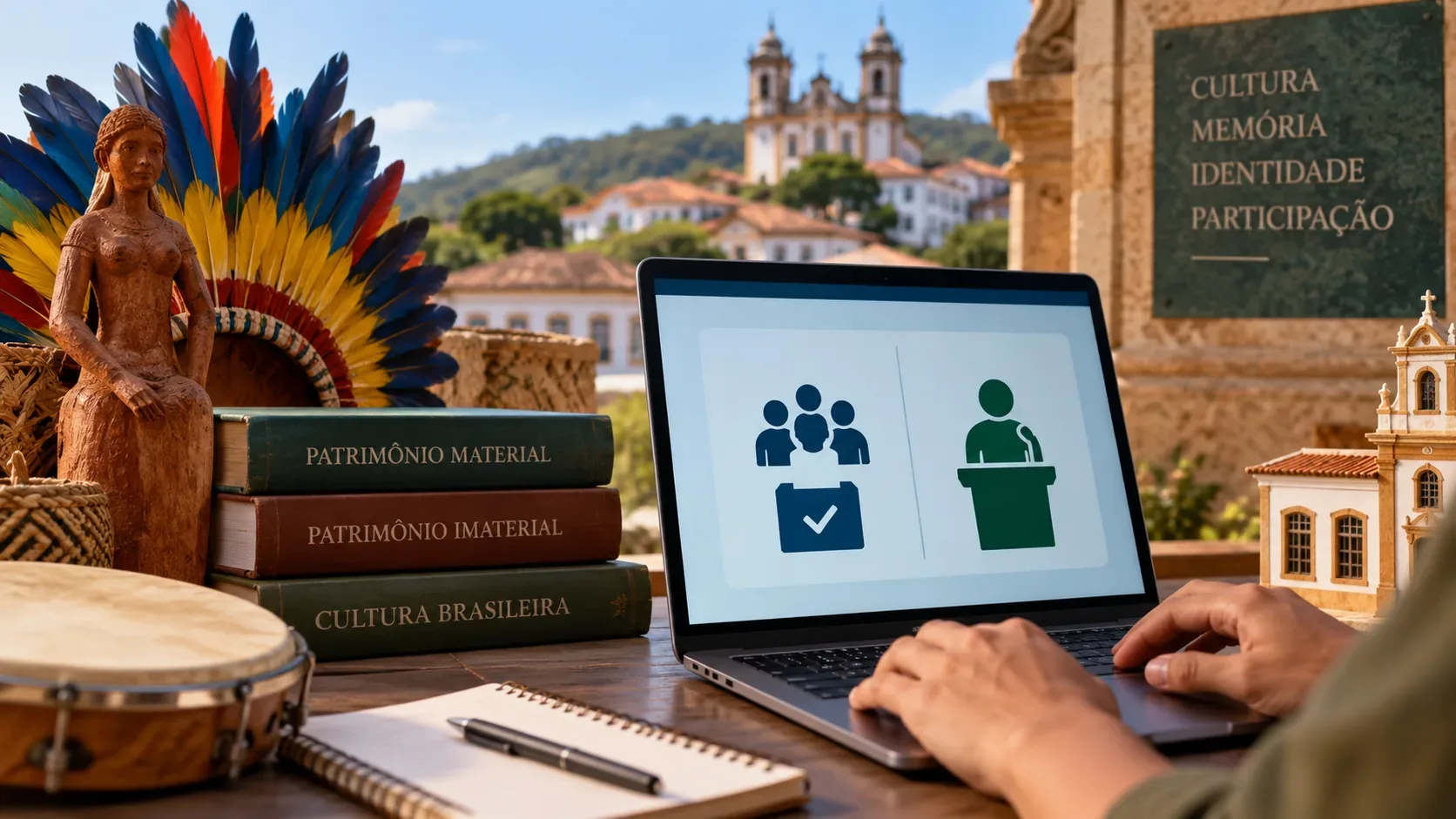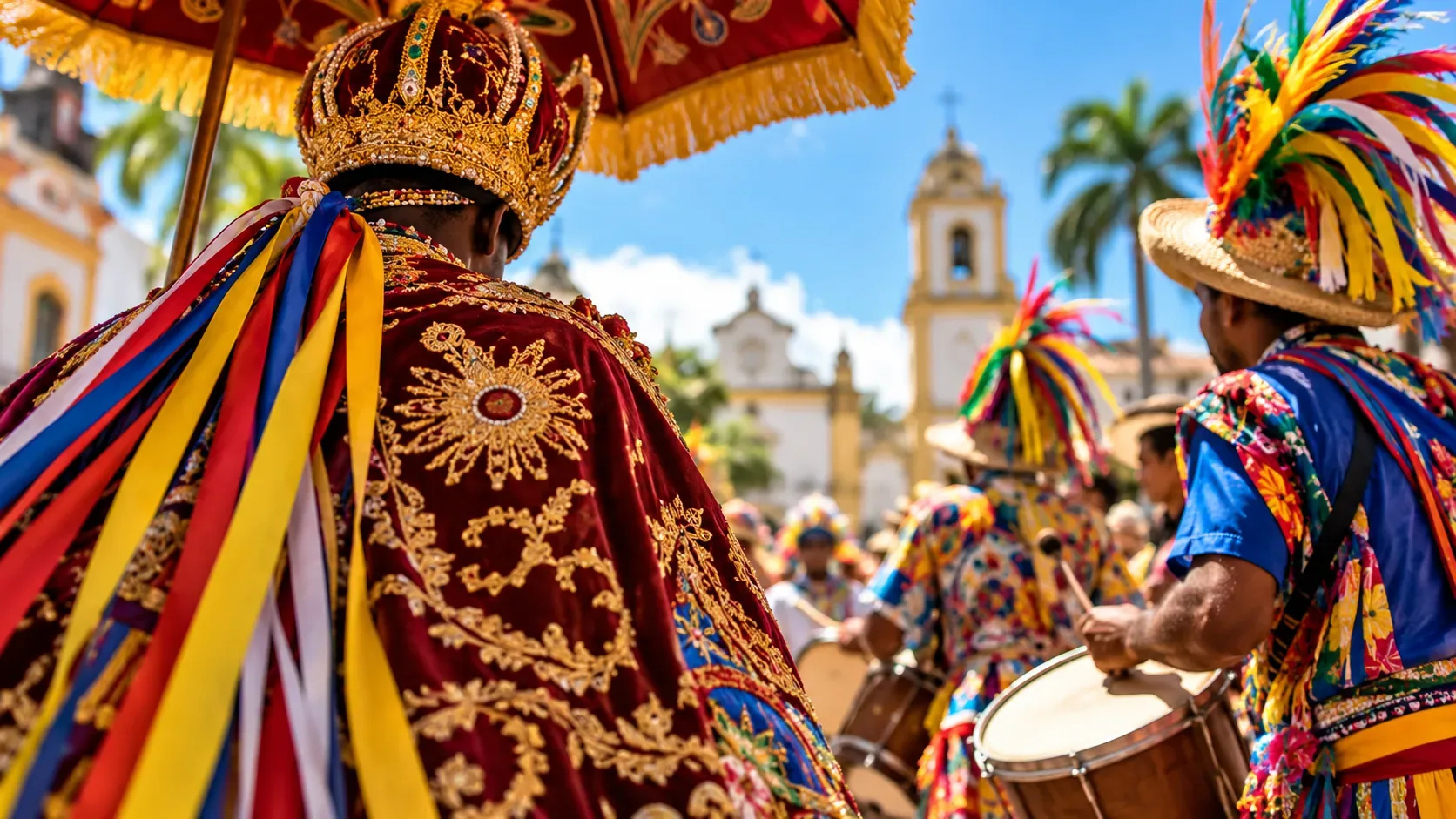
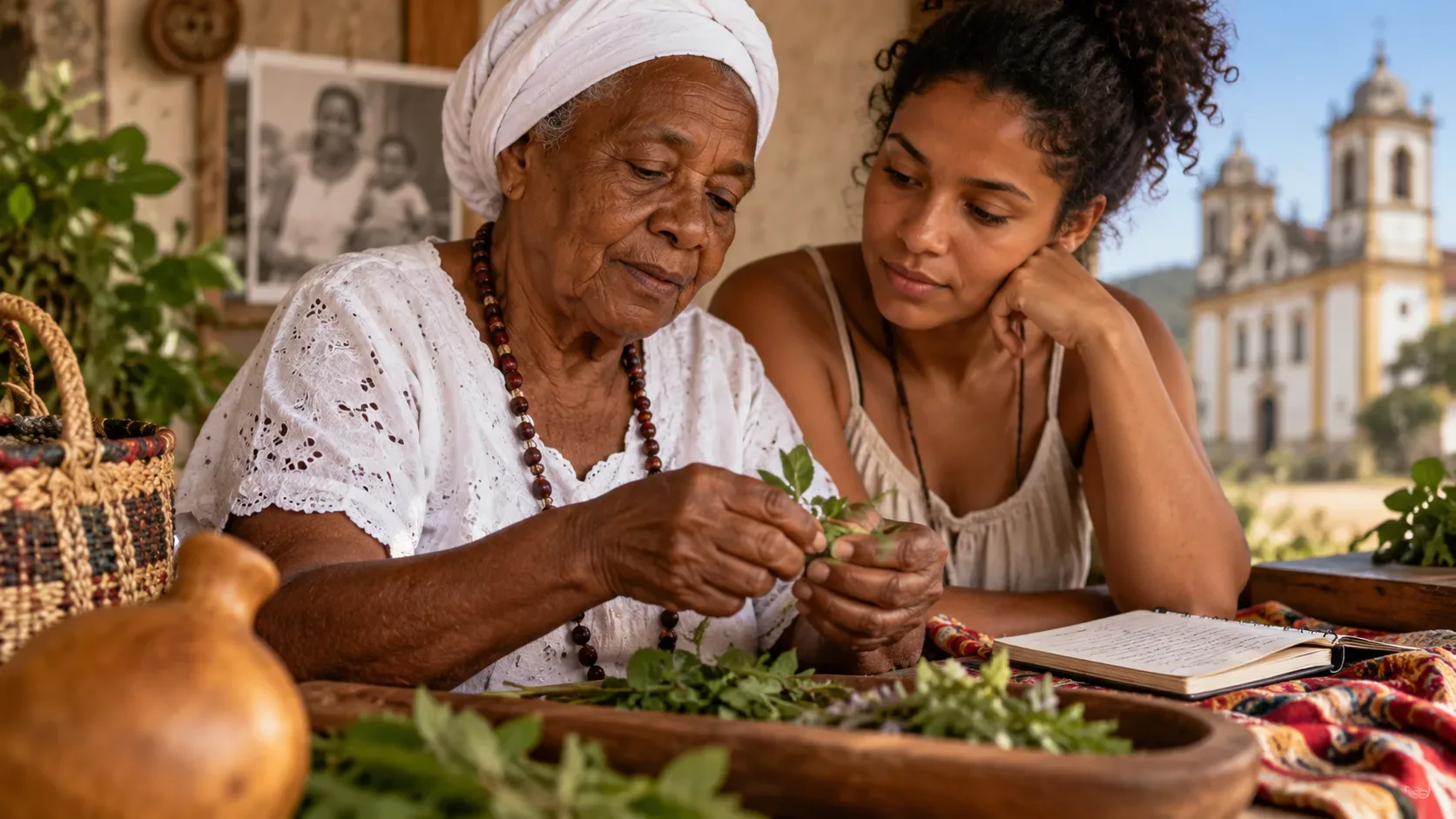
Traditional midwives are Cultural Heritage of Brazil because, on May 9, 2024, the Brazilian state recognized the Occupation, Knowledge and Practices of Traditional Midwives of Brazil as an intangible cultural asset. The recognition was approved by Iphan’s Consultative Council for Cultural Heritage and the asset was entered in the Registry Book of Knowledge. This means protecting and valuing a living body of knowledge, practices, memories, community ties and forms of intergenerational transmission — not placing a person, house, tool or object under material heritage listing.
What exactly was recognized
The recognition does not apply to one individual midwife or to a single technique. It covers an occupation found in different regions and social contexts across the country, with repertoires transmitted mainly through experience, observation, family and community life, and exchanges among midwives themselves. An update published by Brazil’s Ministry of Culture on September 2, 2026 emphasizes that this heritage has national scope and is present in rural and urban settings, including Indigenous, Quilombola and riverine communities.
The central point is cultural continuity. Decree No. 3,551/2000, which created the Registration of Intangible Cultural Assets, defines the Registry Book of Knowledge as the book for knowledge and ways of doing rooted in the daily life of communities. Registration considers a cultural asset’s historical continuity and its national relevance to the memory, identity and formation of Brazilian society.
What registration protects in intangible heritage
For intangible heritage, “protection” does not mean physically preventing change, as one might do with the facade of a historic building. The focus is on creating conditions for the cultural asset to remain meaningful to the communities that keep it alive. Areas associated with registration and safeguarding include:
- documentation: recording histories, modes of transmission, contexts and transformations of the occupation;
- public recognition: giving visibility to the bearers and to the cultural importance of their knowledge;
- transmission: supporting conditions for knowledge to circulate between generations;
- organization and participation: strengthening networks, associations, meetings and forms of participation by the midwives themselves;
- research and mapping: expanding knowledge about groups, territories and different ways in which the occupation is practiced.
Decree No. 3,551 itself requires public authorities to ensure documentation, dissemination and promotion of registered assets. Iphan’s safeguarding policies, in turn, treat these assets as living cultural references connected to communities’ ways of life and worldviews.
Registration and material heritage listing are not the same thing
| Aspect | Intangible-heritage registration | Material-heritage listing |
|---|---|---|
| What it recognizes | Knowledge, occupations, celebrations, forms of expression and places associated with collective cultural practices | Material movable or immovable assets such as buildings, urban ensembles, collections, objects, landscapes and sites |
| Main federal instrument | Decree No. 3,551/2000 | Decree-Law No. 25/1937 |
| Where it is entered | Registry Books, such as Knowledge, Celebrations, Forms of Expression and Places | Heritage Listing Books, according to the nature and value of the asset |
| Focus of protection | Continuity, transmission, documentation, recognition and safeguarding of a living cultural reference | Conservation of material fabric and prevention of destruction, mutilation or unauthorized intervention |
| Example in this topic | The occupation, knowledge and practices of traditional midwives | A church, historic building, collection or urban ensemble may be listed through its own process |
For that reason, saying that traditional midwives themselves were “tombadas” — placed under Brazil’s material heritage listing instrument — is technically incorrect. What occurred was the registration of an intangible cultural asset. A building connected to the history of traditional midwives could, in theory and through a separate process, receive material-heritage protection; that would be a different decision, concerning a different object and using a different legal instrument.
Safeguarding does not freeze a tradition
A living cultural practice changes over time. Registration does not require all midwives in Brazil to do the same things, use the same objects or reproduce an unchanging repertoire. Iphan’s own material on the occupation describes knowledge that is updated and engages with different references according to the territories and life trajectories of its bearers.
Safeguarding seeks to support the continuity of the cultural reference without turning diversity into standardization. This matters because heritage value also lies in transmission, memory, community identity and the occupation’s capacity to remain meaningful to those who practice and recognize it.
Decree No. 3,551 also provides for Iphan to reassess registered cultural assets at least every ten years. Reassessment examines the asset’s situation, changes over time and the effects of safeguarding actions before a decision is made on revalidating the title of Cultural Heritage of Brazil.
What is already visible in safeguarding actions for traditional midwives
In 2026, Iphan reported the formation of a Safeguarding Committee for Traditional Midwives in the state of Amapá. The announced areas include social organization and mobilization, research and documentation, mapping of groups, strengthening of collective bodies, dissemination and recognition. The Ministry of Culture’s September 2026 update also mentions guidelines such as strengthening associations and networks, expanding research, and transmitting and disseminating knowledge.
These actions show the practical effect of registration: the goal is not to put the occupation “in a museum,” but to create public instruments to recognize the people who keep the practice alive, document its transformations and support its cultural continuity.
What the title does not mean
- It does not mean that every traditional midwife individually received a personal title from Iphan.
- It does not mean that there is one official or mandatory way to practice the occupation throughout Brazil.
- It does not turn cultural recognition into clinical certification, a professional license or a health-care protocol.
- It does not replace health regulations, public health policies, professional training or medical guidance applicable to specific situations.
- It does not, by itself, create material heritage listing over houses, objects, tools or other physical assets connected with midwives.
This distinction is essential: Iphan recognized the cultural importance of the occupation and its knowledge. Matters of care during pregnancy, childbirth or the postpartum period also belong to the field of health and must be addressed under the applicable rules, services and qualified professionals. Cultural heritage recognition is not clinical guidance.
How to read news about this recognition
To avoid confusing the instruments, ask four simple questions:
- What cultural asset was recognized? Here, an occupation and its knowledge and practices, not a building.
- Which instrument was used? Intangible-heritage registration.
- Which book contains the entry? The Registry Book of Knowledge.
- What is the expected effect? Documentation, promotion, participation by the bearers and safeguarding actions that favor cultural continuity and transmission.
With that filter, the distinction becomes clear: material heritage listing focuses mainly on preserving physical fabric; registration and safeguarding focus on the continuity of living cultural references. In the case of traditional midwives, what Brazil recognized as heritage lies above all in knowledge, memory, community relationships and the transmission of the occupation.
Official sources
- Brazilian Ministry of Culture — “Entre mãos e gerações,” update of September 2, 2026
- Iphan — recognition of the Occupation, Knowledge and Practices of Traditional Midwives of Brazil, May 9, 2024
- Iphan — Safeguarding Committee for Traditional Midwives in Amapá, 2026
- Iphan — listed material assets and the purpose of material heritage listing
- Planalto — Decree No. 3,551/2000, establishing the Registration of Intangible Cultural Assets