The National Electric Energy Agency receives until 14 August 2026 contributions for the second phase of Public Consultation No. 1/2026, dedicated to the minimum requirements for smart metering systems used in billing low voltage consumers.
The proposal may affect, in the future, the way consumption is recorded, presented in the distributor's application and used in services such as remote reading or prepayment. This, however, does not mean that a new tariff, the immediate exchange of all meters or mandatory prepayment have already been approved. The draft is still under discussion and may be modified after analyzing contributions.
What ANEEL put in consultation
The second phase opened from July 1 to August 14, 2026. The text under debate proposes changes to the Electric Energy Distribution Procedures in the National Electric System, PRODIST, and to Normative Resolution No. 1,000/2021, which brings together rights, duties and rules for the provision of distribution services.
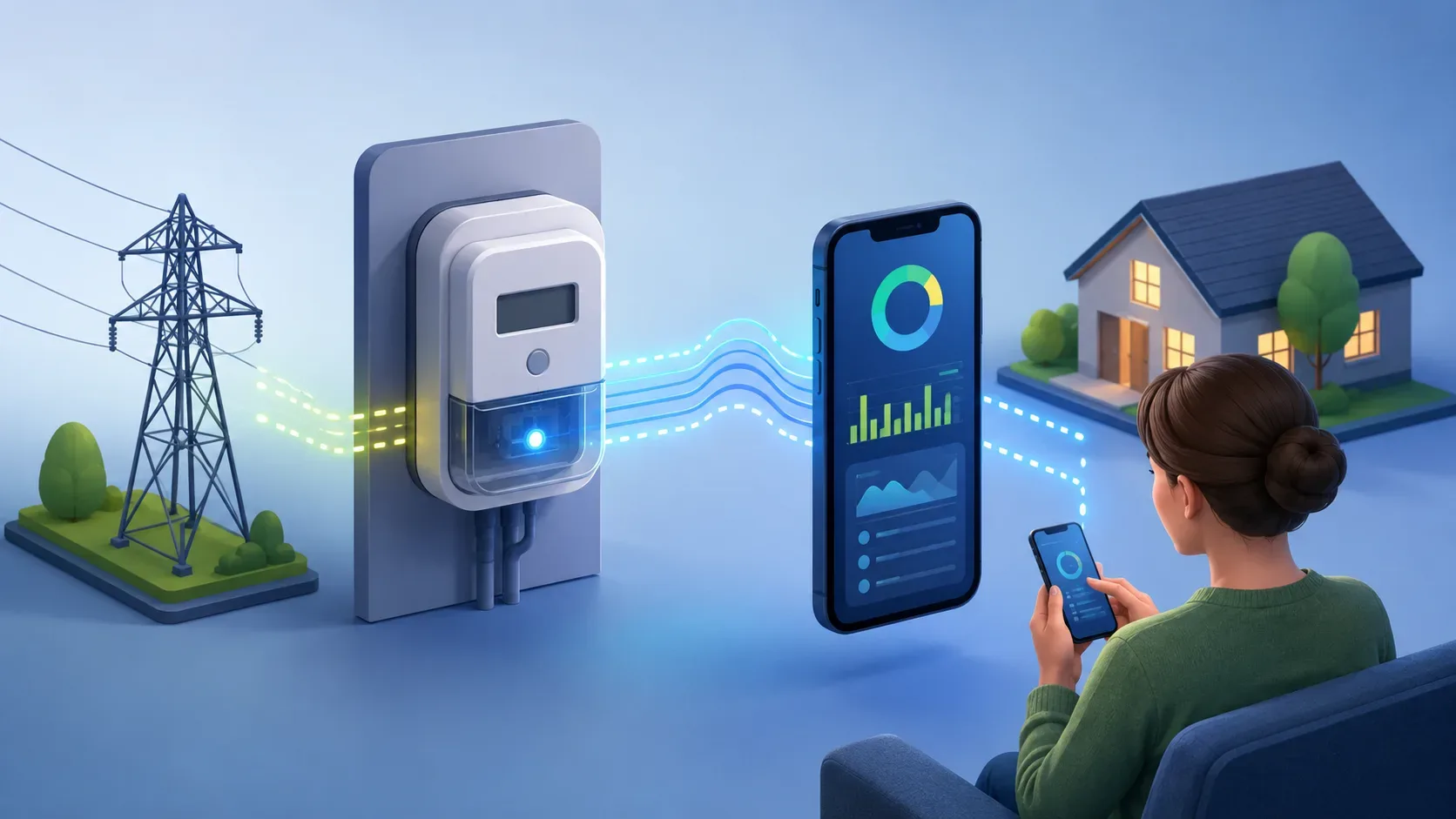
In the proposal, a smart metering system is not limited to the device installed in the property. It is made up of four integrated components:
- meter;
- consumer communication interface;
- data communication system;
- data management system.
Among the points presented by ANEEL are the minimum requirements for these components, the deadlines and means for making information available to the consumer, the functions necessary for new billing modalities and adjustments related to cybersecurity, interoperability and data quality.
The consultation is not the same as the implementation of meters
There are two related but different regulatory decisions.
The MME Normative Ordinance no. concession, for 24 months from March 1, 2026. The choice of units must consider factors such as contiguous areas, existing infrastructure, reduction of losses and operational costs and improvement of service quality.
ANEEL's consultation seeks to detail how these systems should work and integrate with distribution and billing rules.
| Question | Situation on August 5, 2026 |
|---|---|
| Deadline for contributions | Open until August 14, 2026 |
| ANEEL final requirements | Still under consultation |
| Additional implementation of 2% per year | Provised by MME Ordinance No. 126/2026 |
| Prepayment | Functionality under debate, not automatic opt-in |
| New rate for all homes | This query was not approved |
| Replacement of all meters by August | Not expected |
Therefore, the end of the consultation on August 14 is not a deadline for the consumer to exchange the device. This is the limit for sending suggestions to the Agency.
How the smart meter can appear in everyday life
Reading and monitoring consumption
The ordinance from the Ministry of Mines and Energy lists, among the minimum functionalities, remote reading, recording of interruptions with date and time, preservation of records during power outages, consumption management via the distributor's application and integration of quantities on an hourly basis.
In practice, this can allow for more detailed monitoring of consumption than the monthly information consolidated in the account. Time basis, however, is not synonymous with instant visualization. The period between measurement, processing and display to the consumer is precisely one of the aspects that needs to be detailed by regulation.
A useful contribution may ask:
- how long will it take for the data to appear;
- whether there will be queryable history;
- whether the information can be downloaded;
- if there will be channels in addition to the application;
- how the consumer can dispute an apparently incorrect reading.
Data access and privacy
The ordinance establishes that the physical ownership of the implemented systems will be held by the distribution concessionaire. This should not be confused with unrestricted freedom to use the information collected: ownership of equipment and legal control of data are different issues.
Under the General Data Protection Law, information related to an identified or identifiable person may be considered personal data. The ANPD explains that the controller is the one who makes the main decisions about the purpose and essential elements of the processing. The holder has rights such as confirmation of processing, access, correction and information about sharing.
When a consumption series is linked to a residence and its owner, more detailed data can, in theory, allow inferences about habits and schedules. Therefore, regulations need to make issues such as:
- what data will be collected;
- for what purposes they will be used;
- how long will they be kept;
- who can access them;
- in which situations will there be sharing;
- how the consumer will exercise their rights;
- which records will indicate who consulted or changed information.
The LGPD also requires technical and administrative measures against unauthorized access, loss, alteration, improper communication or other inappropriate treatment.
Meter replacement
Implementation does not need to occur at the same time in all neighborhoods. The ordinance allows the distributor to select areas according to operational, efficiency, loss reduction and quality of service criteria. It also allows modernization or replacement of already installed equipment, as long as the minimum requirements are met.
According to the guidelines currently published by ANEEL, only the distributor is authorized to supply and install the meter. The replacement must be communicated to the consumer by specific correspondence, indicating the reason. These current rules must also be monitored because the draft under consultation proposes changes to Resolution No. 1,000/2021.
Consumers who receive a warning should check the communication on the distributor's official channels and keep the document, especially to compare readings before and after replacement.
Prepayment and hourly rates
ANEEL included in the consultation the necessary functionalities to enable modalities such as prepayment. Ordinance No. 126/2026 also provides for charging capacity by time of use, with at least four programmable stations in the measurement or billing system.
Having technical capacity, however, does not mean that the consumer will automatically be transferred to prepayment or a different tariff. The application of any modality depends on the specific standards, membership conditions and guarantees that may be approved.
At this point, contributions may ask for clarity on consent or contracting, balance inquiry, alerts, dispute of charges, emergency assistance and protection of consumers in vulnerable situations.
Cybersecurity and interoperability
Remote communication transforms the meter into part of a digital infrastructure. Therefore, the discussion does not just involve reading accuracy: it includes authentication, systems updating, access control, record integrity and incident response.
The electricity sector is already subject to ANEEL Normative Resolution No. 964/2021, which determines policies to prevent, mitigate and recover cyber incidents in critical networks and installations. The current consultation evaluates specific adjustments related to the new measurement systems.
Interoperability, in turn, seeks to allow meters, communication networks and management platforms to exchange information in a compatible manner. A well-defined rule can facilitate substitutions, integration between vendors, and access to data without excessive dependence on a single proprietary system.
Points that deserve attention in the contributions
A contribution does not need to discuss all technical aspects. The participant can focus on a concrete domestic problem. Relevant questions include:
- Will the consumer have free access to all data used in billing?
- Will there be an internet option for those who don't use an app?
- Will it be possible to export the history in a readable and reusable format?
- How will communication errors be differentiated from actual consumption?
- Who can authorize third-party access to information?
- What deadlines will exist to correct inaccurate data?
- How will incidents that affect consumer data be reported?
- Will the system continue to work when there is a change of technology supplier?
- Which channels will remain available to people without a cell phone or connection?
Ordinance No. 126 preserves, at the consumer's request, the right to continue receiving the physical invoice, although it determines priority for the digital format in units that receive the smart system.
How to participate in the ANEEL consultation
ANEEL informs that contributions must be sent using the form available on the Public Consultation page nº 1/2026. The official procedure is documentary: it is not necessary to participate in an in-person hearing.
To contribute:
- Access the ANEEL Public Consultations page.
- Locate Public Consultation No. 1/2026.
- Confirm that the material corresponds to the second phase, open from July 1 to August 14.
- See the draft and available supporting documents.
- Identify the article, requirement or topic to which your observation relates.
- Submit your suggestion using the form indicated on the official page.
- Keep a copy of the text and proof of submission, when available.
A contribution can be organized like this:
Proposal item: indicate the excerpt or theme.
Problem observed: explain the difficulty for the consumer, distributor or system.
Suggestion: present the intended change objectively.
Rationale: show why the change improves transparency, security, access, competition or quality of service.
Expected impact: describe the practical outcome for the consumer.
What happens after August 14th
After the deadline, contributions become part of the regulatory analysis. The opening and results of ANEEL's public consultations are decided at a public meeting of the Board of Directors. In the sources consulted, there is no confirmed date for the approval of the final standard on smart meters.
Until this decision, requirements, deadlines and forms of data access must be treated as proposals subject to change. The safest step is to consult the official documents and submit the contribution by August 14, 2026, especially when there are concerns about privacy, billing clarity, accessibility or cybersecurity.