
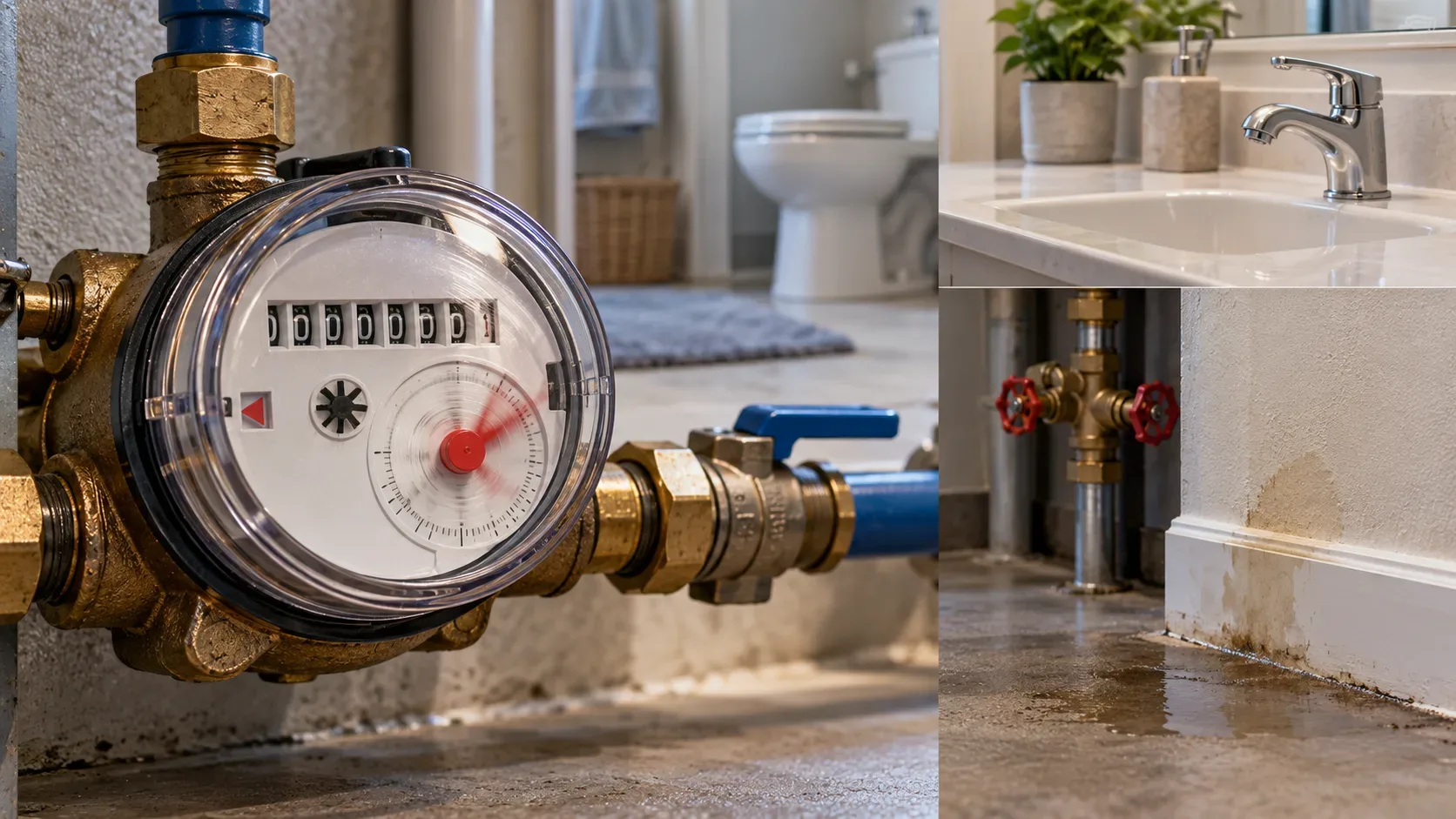
Water meter running with everything off: how to investigate a leak without opening walls
Learn how to check unexplained meter use, test pipes before and after a storage tank, recognize warning signs, and know when to call a plumber.
Read articleA Home That Works helps residents understand household problems through guidance-oriented diagnostics, checklists, and clear boundaries between a safe check and the need to call a professional.
Explore articlesThe most important content to start with.
Learn how to check unexplained meter use, test pipes before and after a storage tank, recognize warning signs, and know when to call a plumber.
Read articleOther selected strategic content.
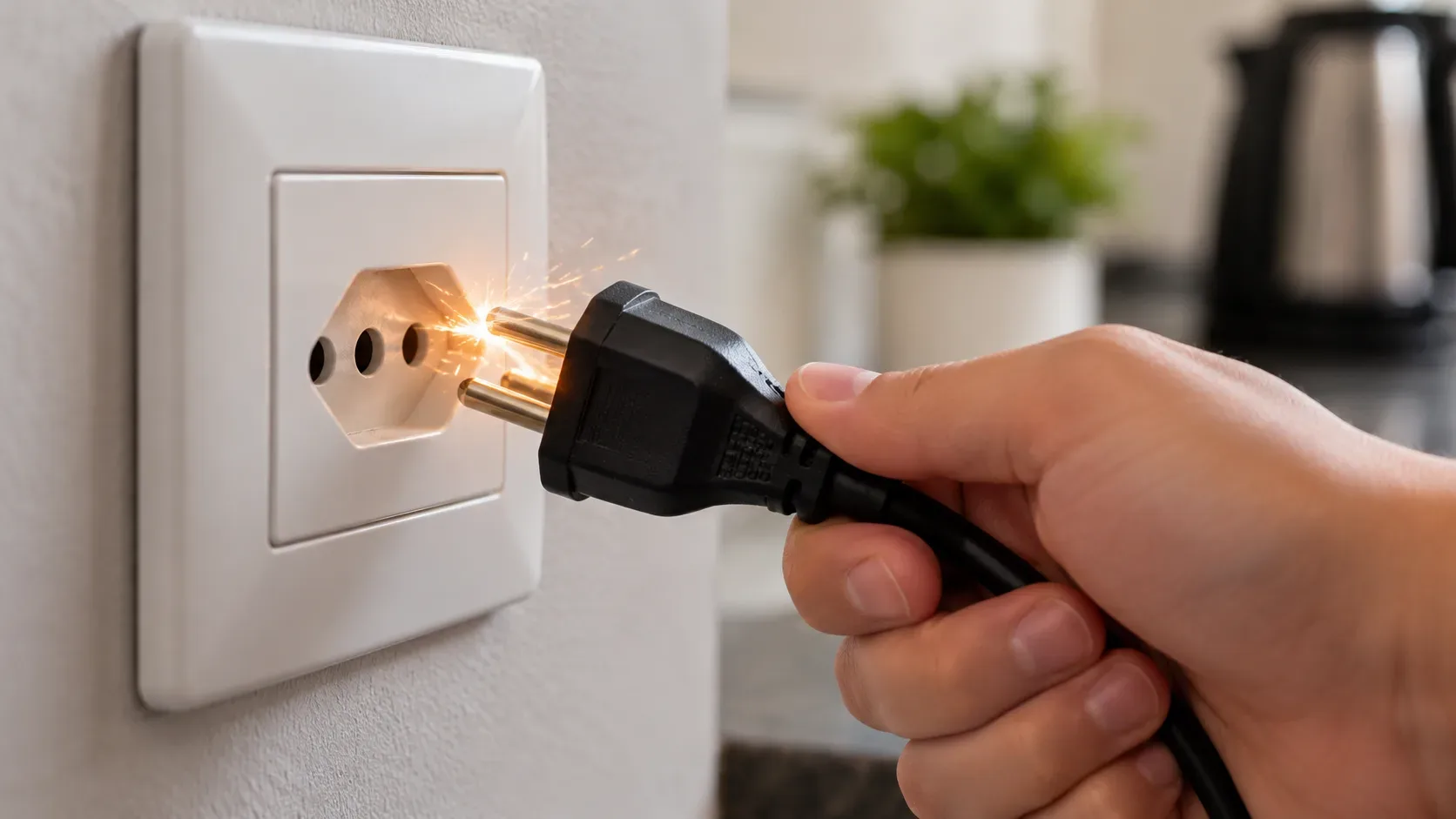
A tiny flash at the instant of connection can occur. Persistent sparking, heat, burning smell, noise, shock, or repeated breaker trips mean you should stop using it and seek evalua...
Read article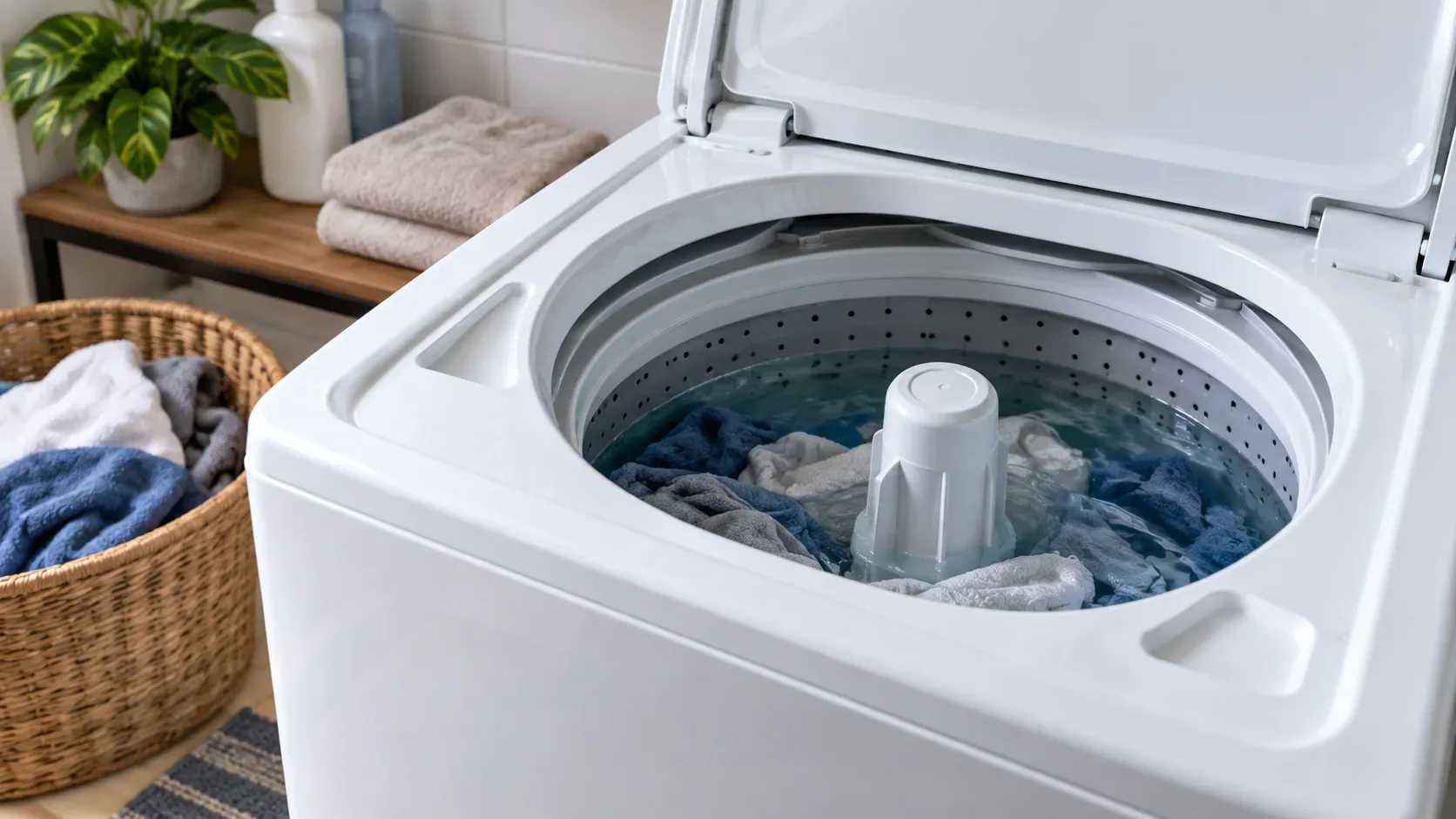
A safe sequence to separate a normal pause, an unbalanced load and a drainage problem before deciding whether service is needed.
Read article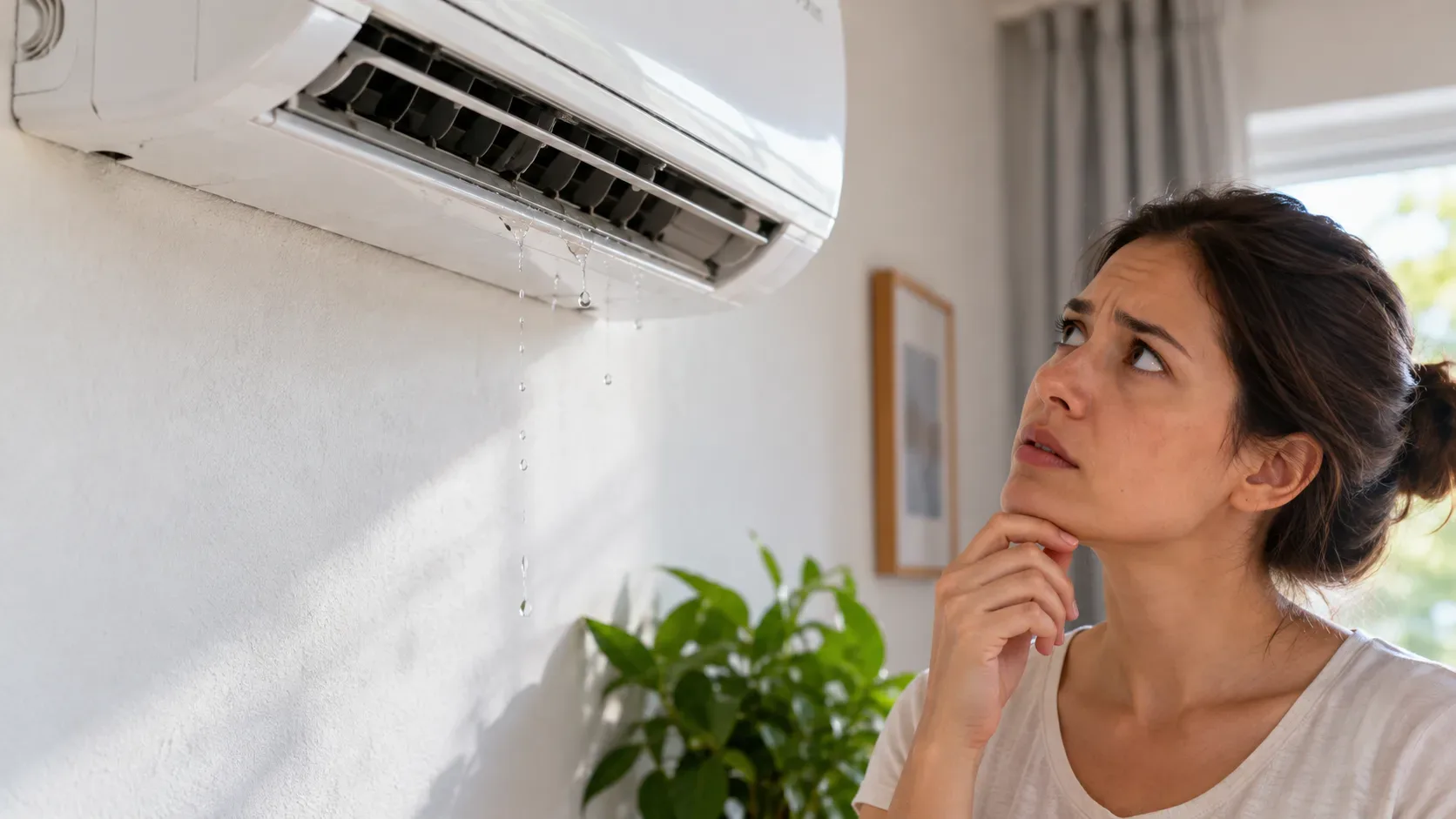
A safe way to identify the most likely cause of an indoor leak from its pattern, without opening the unit, and to know when to call a technician.
Read articleBrowse the blog main topics.
Helps interpret noises, odors, stains, flaws and other signals before making a decision.
Electrical Systems11 articlesSafety, faults, sockets, circuit breakers, lighting and criteria for calling an electrician.
Water & Plumbing7 articlesLeaks, pressure, faucets, toilet flush systems, drains and signs of plumbing problems.
Gas and Kitchen1 articlePreventative guidance on LPG, piped gas, equipment and situations that require immediate interruption.
Damp & Structure3 articlesInfiltrations, mold, cracks, floors, walls, roofs and signs that require technical assessment.
Recent posts and new content.

If the freezer freezes normally but the refrigerator is warm, airflow is often the key. Learn how to distinguish blocked vents, defrost-related ice, and a fan problem without takin...
Read article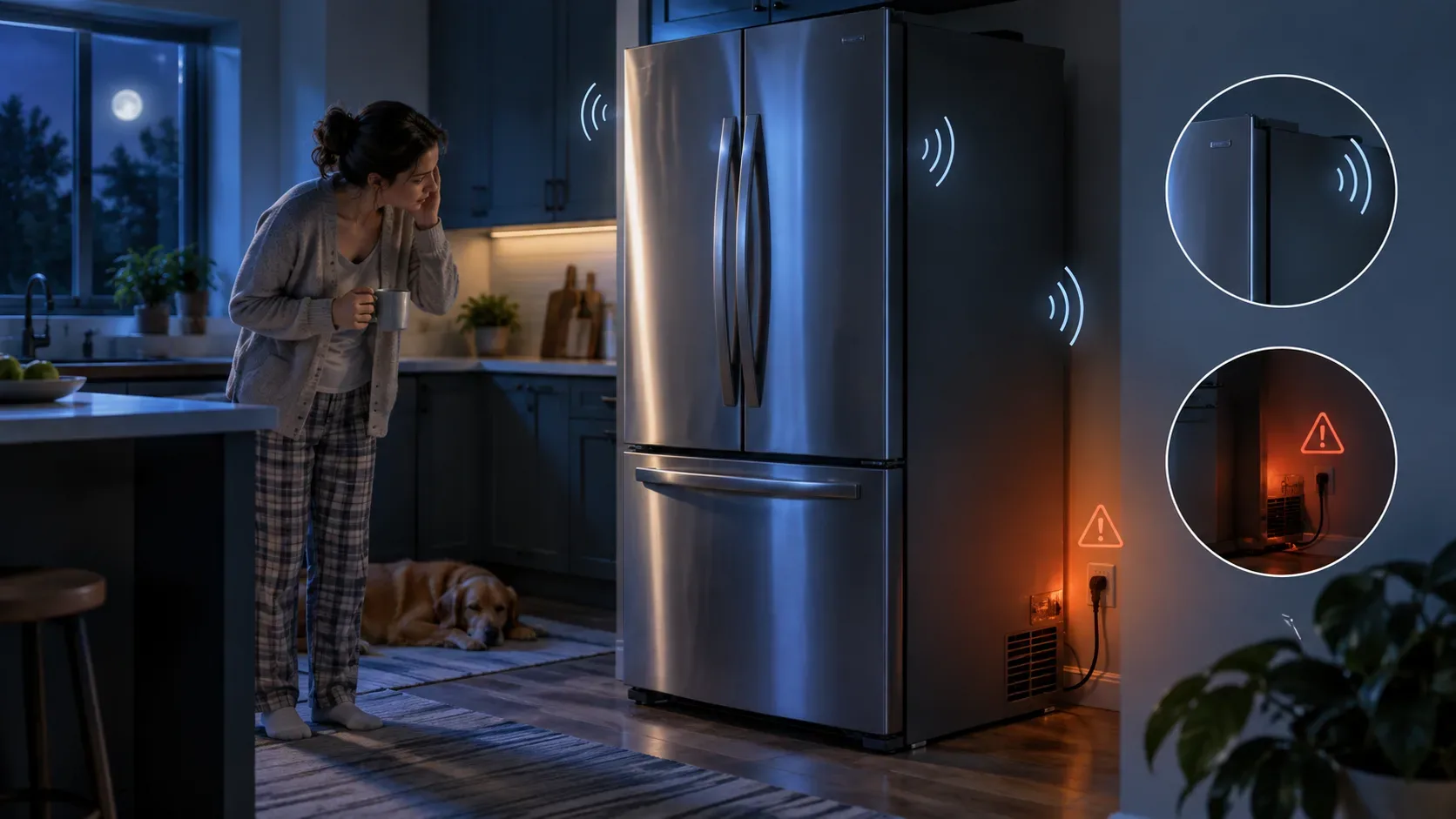
Popping can be normal during expansion, contraction, and defrosting. Learn how to connect the sound with timing, cooling performance, and electrical warning signs.
Read article
Learn how to separate genuinely low pressure from a shower restriction or a plumbing limitation before replacing the unit.
Read article
Learn why LEDs can glow or flash with the switch off, how to observe the cause without touching wiring, and which warning signs require an electrician.
Read article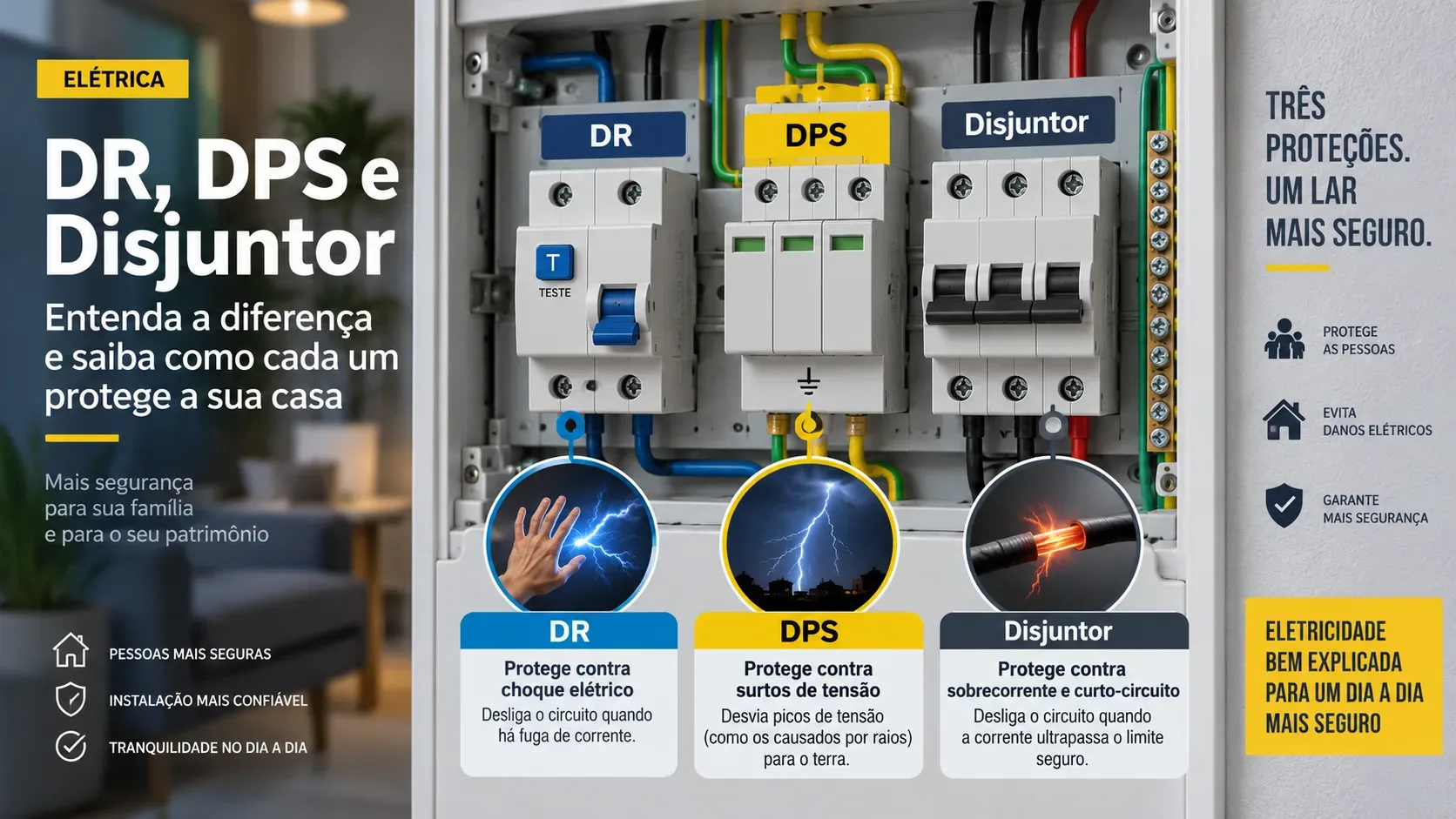
RCDs, SPDs and circuit breakers address different electrical risks. Learn how shock, surges and overcurrent differ, the warning signs, and when to call an electrician.
Read article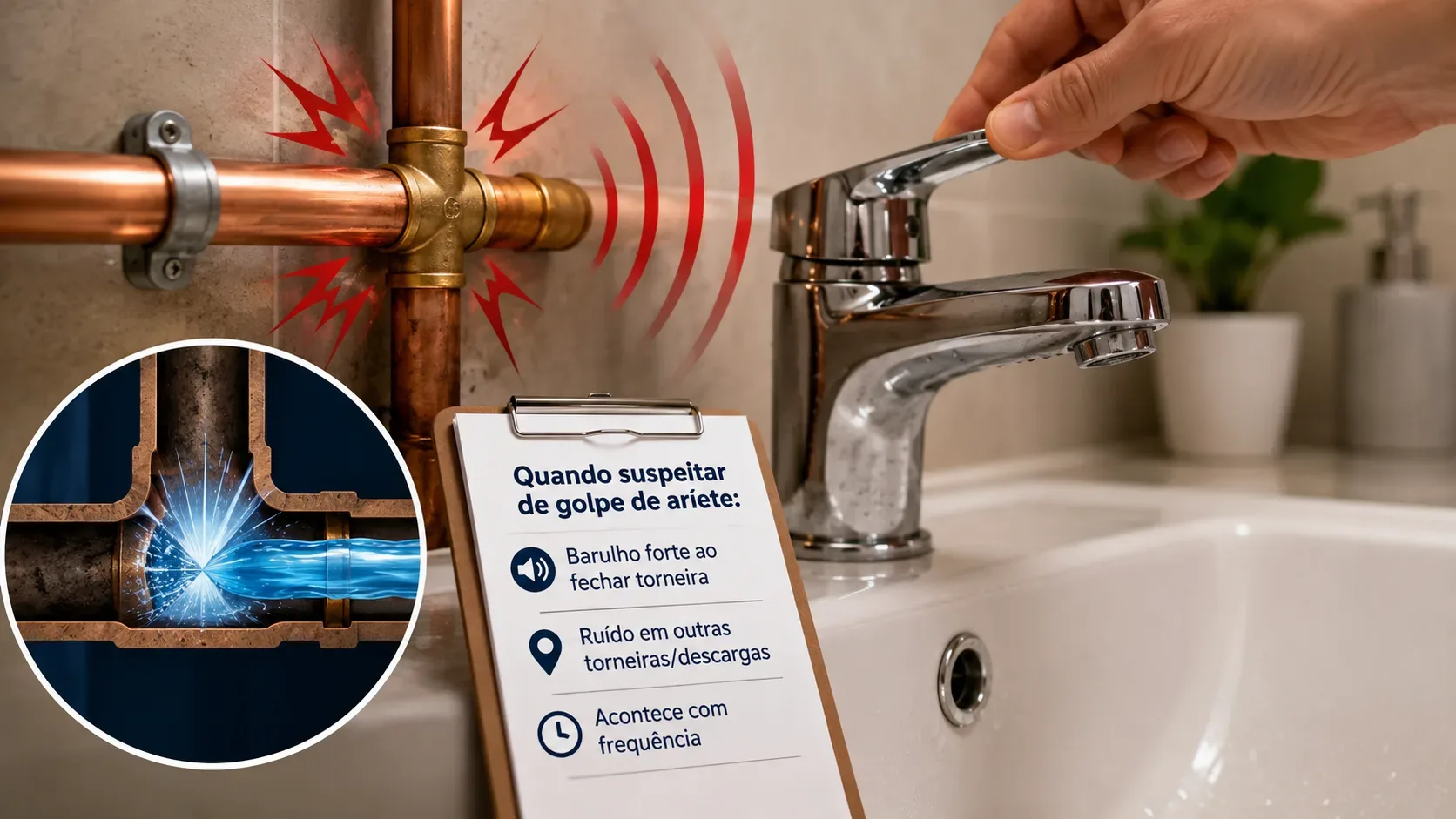
Learn the typical water-hammer pattern, how to distinguish other plumbing noises, and when repeated banging, strong vibration, or a leak warrants professional assessment.
Read article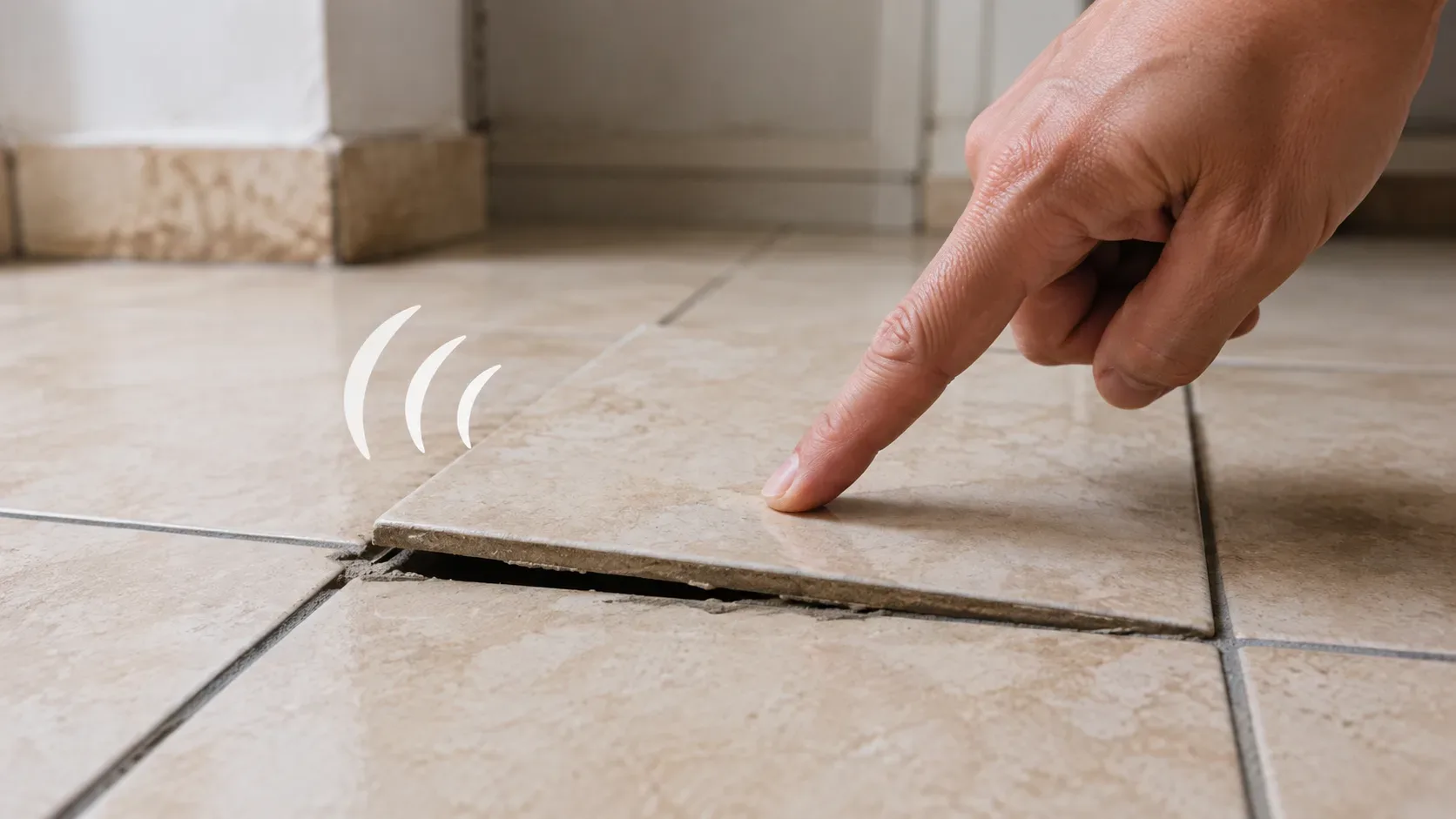
Learn how to distinguish a hollow sound from tile tenting, judge whether the problem is local or widespread, when to isolate the area and which professional to call.
Read article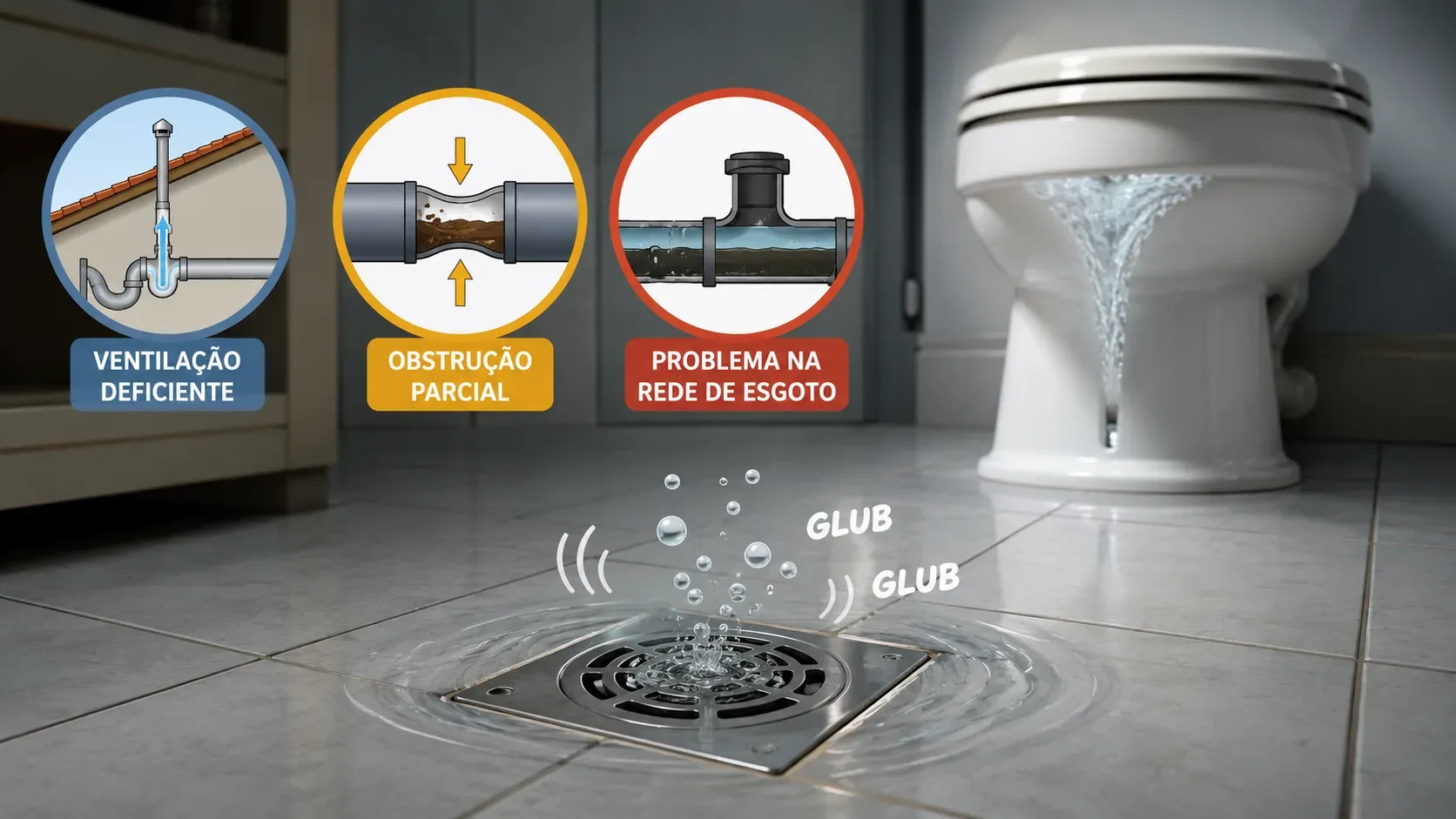
A drain that gurgles after a toilet flush signals a pressure disturbance, but the cause may be venting, a partial blockage, or a problem beyond the property. Use safe observations ...
Read article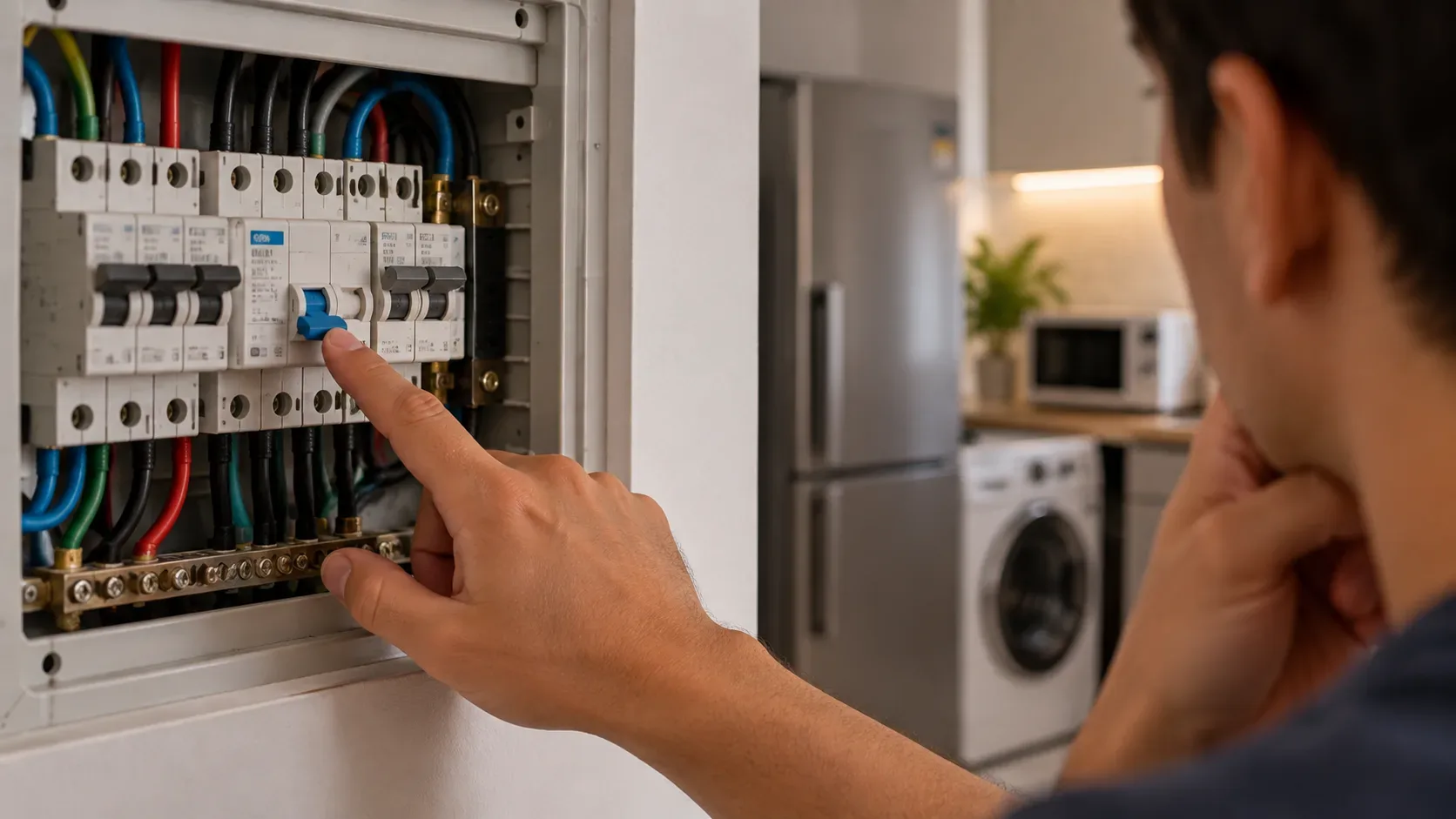
Learn which RCD tripping patterns can help locate the cause without opening the panel, altering neutral/earth connections, or testing live circuits.
Read articleContent with the most views.
Helps interpret noises, odors, stains, flaws and other signals before making a decision.
Before using anti-mold or heavy cleaning products, check the label and the status of the sanitizer in the official Anvisa system. See how to make the query.
Read articleA safe sequence to separate a normal pause, an unbalanced load and a drainage problem before deciding whether service is needed.
Read articleA safe way to identify the most likely cause of an indoor leak from its pattern, without opening the unit, and to know when to call a technician.
Read articleIf the freezer freezes normally but the refrigerator is warm, airflow is often the key. Learn how to distinguish blocked vents, defrost-related ice, and a fan problem without takin...
Read articleSafety, faults, sockets, circuit breakers, lighting and criteria for calling an electrician.
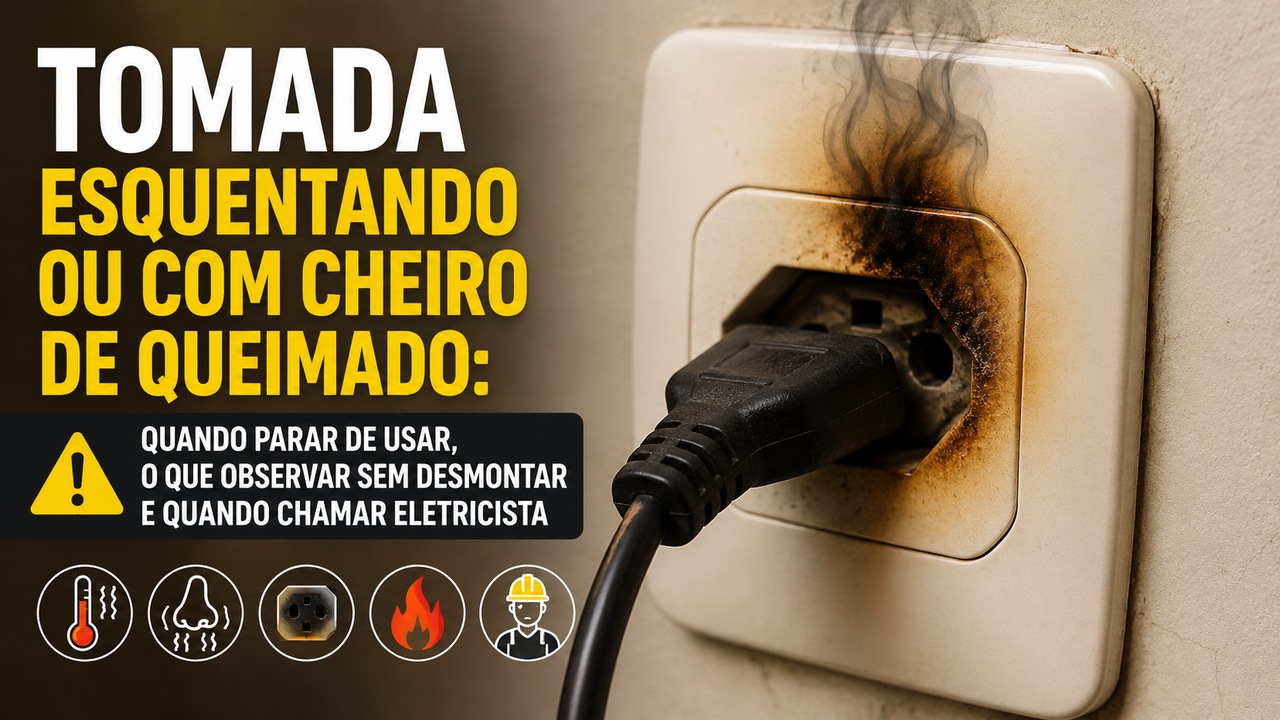
A hot outlet, burning smell, discoloration or deformed plastic call for caution. See what to inspect without taking anything apart and when to stop using it.
Read article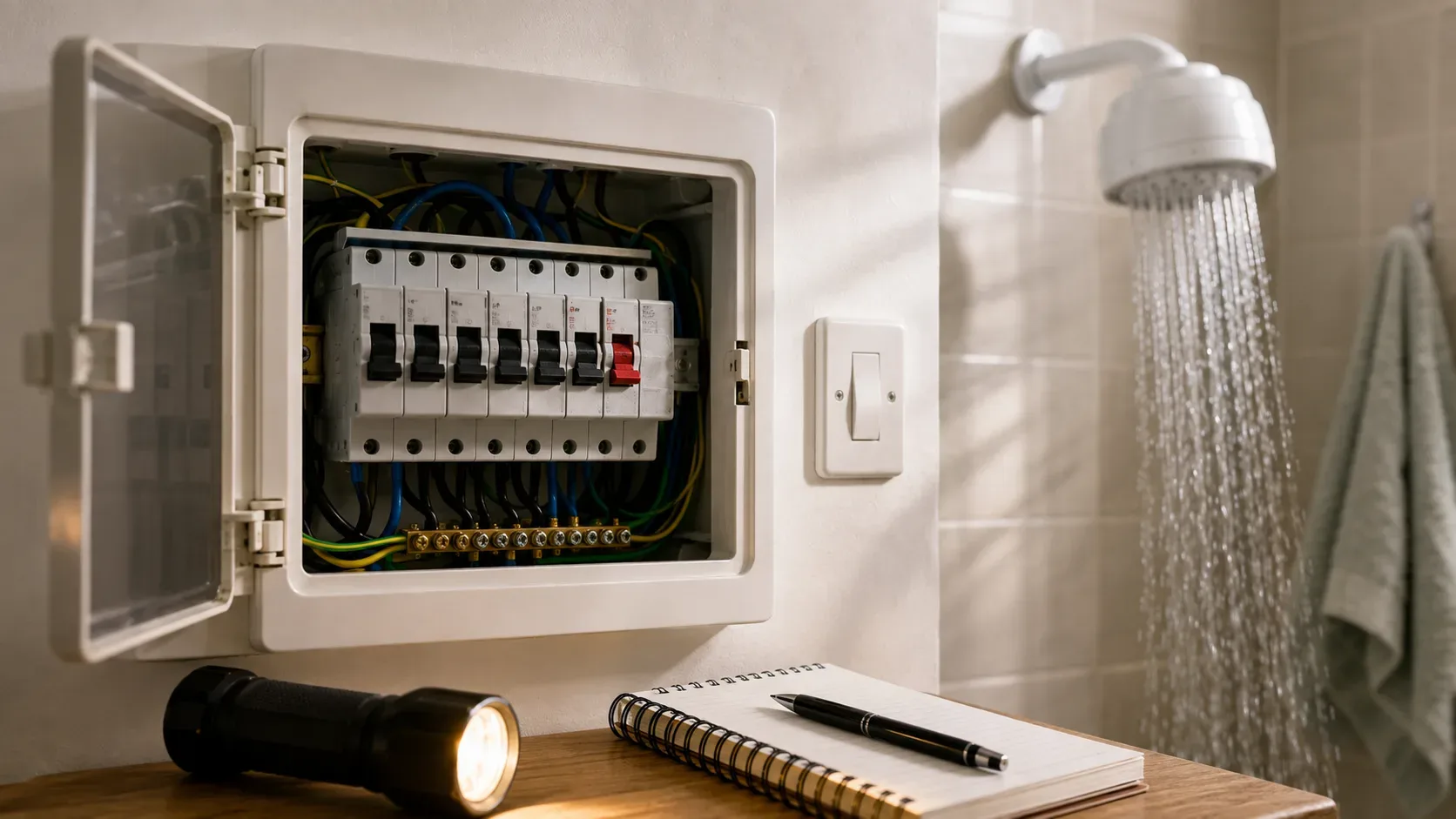
If the shower trips the circuit breaker, don't insist. See six contactless observations, identify critical signs and prepare a sheet for the electrician.
Read article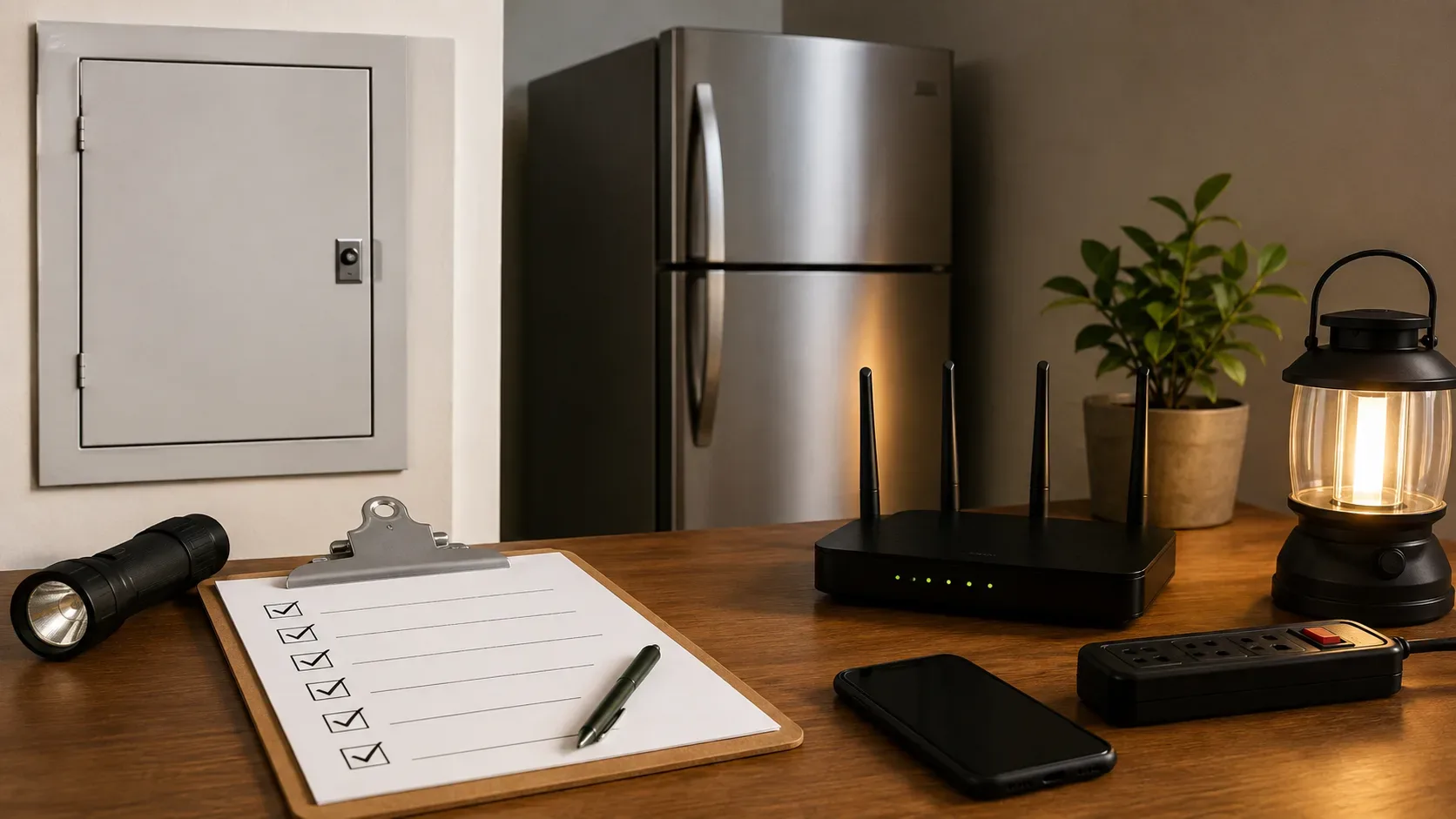
A safe checklist separates what the resident can prepare, what they should just check and which inspections require an electrician before heat and storms.
Read article
IASC 2026 has a national field scheduled until August 16th. See how to check the municipality, badge, uniform, vehicle and approach before responding.
Read articleLeaks, pressure, faucets, toilet flush systems, drains and signs of plumbing problems.
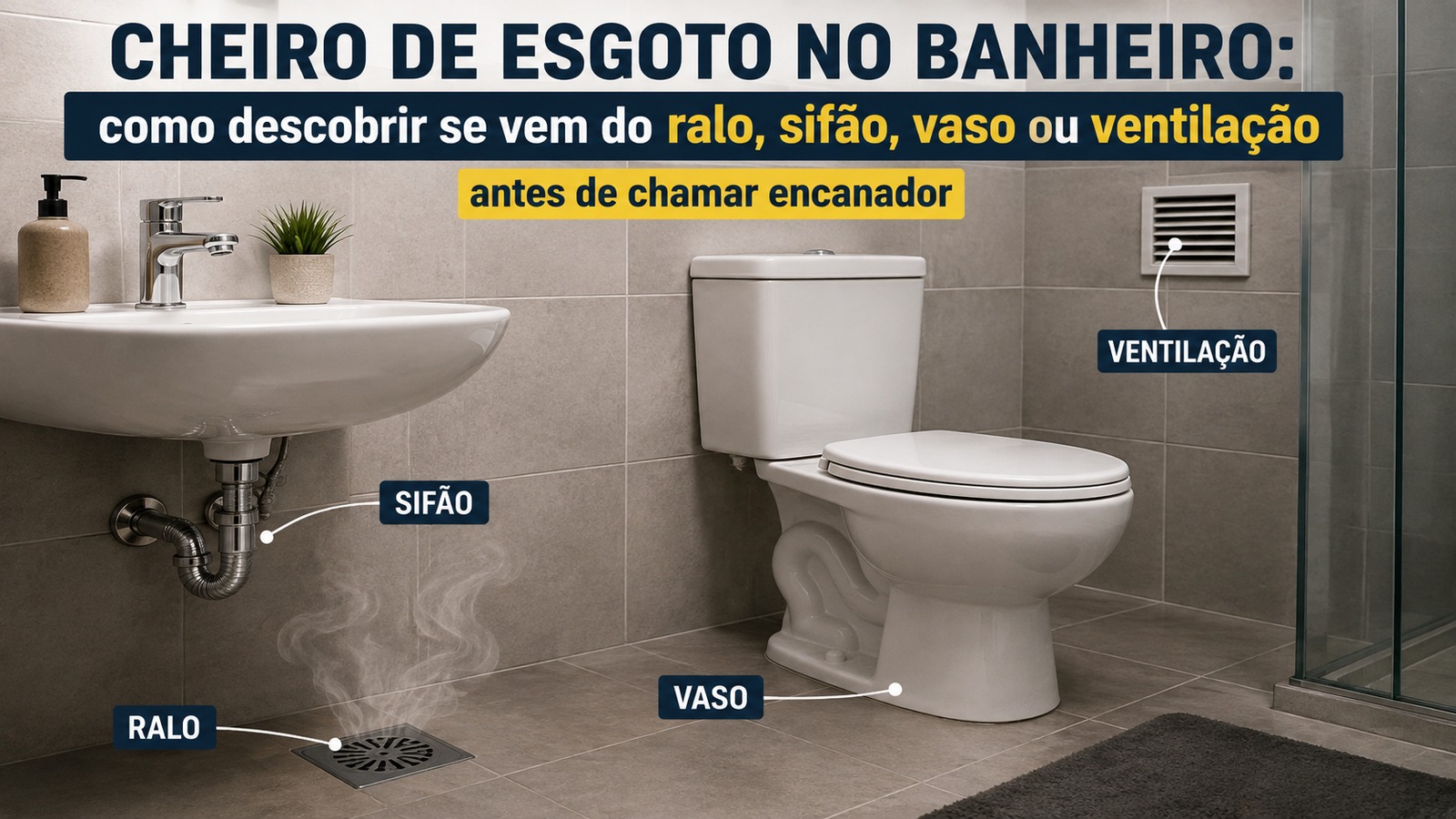
A practical guide to locating the source of the odor, distinguishing water shutoff failure, dirt, sealing and ventilation and knowing when to call a professional.
Read articleLearn how to check unexplained meter use, test pipes before and after a storage tank, recognize warning signs, and know when to call a plumber.
Read articleLearn how to separate genuinely low pressure from a shower restriction or a plumbing limitation before replacing the unit.
Read articleLearn the typical water-hammer pattern, how to distinguish other plumbing noises, and when repeated banging, strong vibration, or a leak warrants professional assessment.
Read articlePreventative guidance on LPG, piped gas, equipment and situations that require immediate interruption.
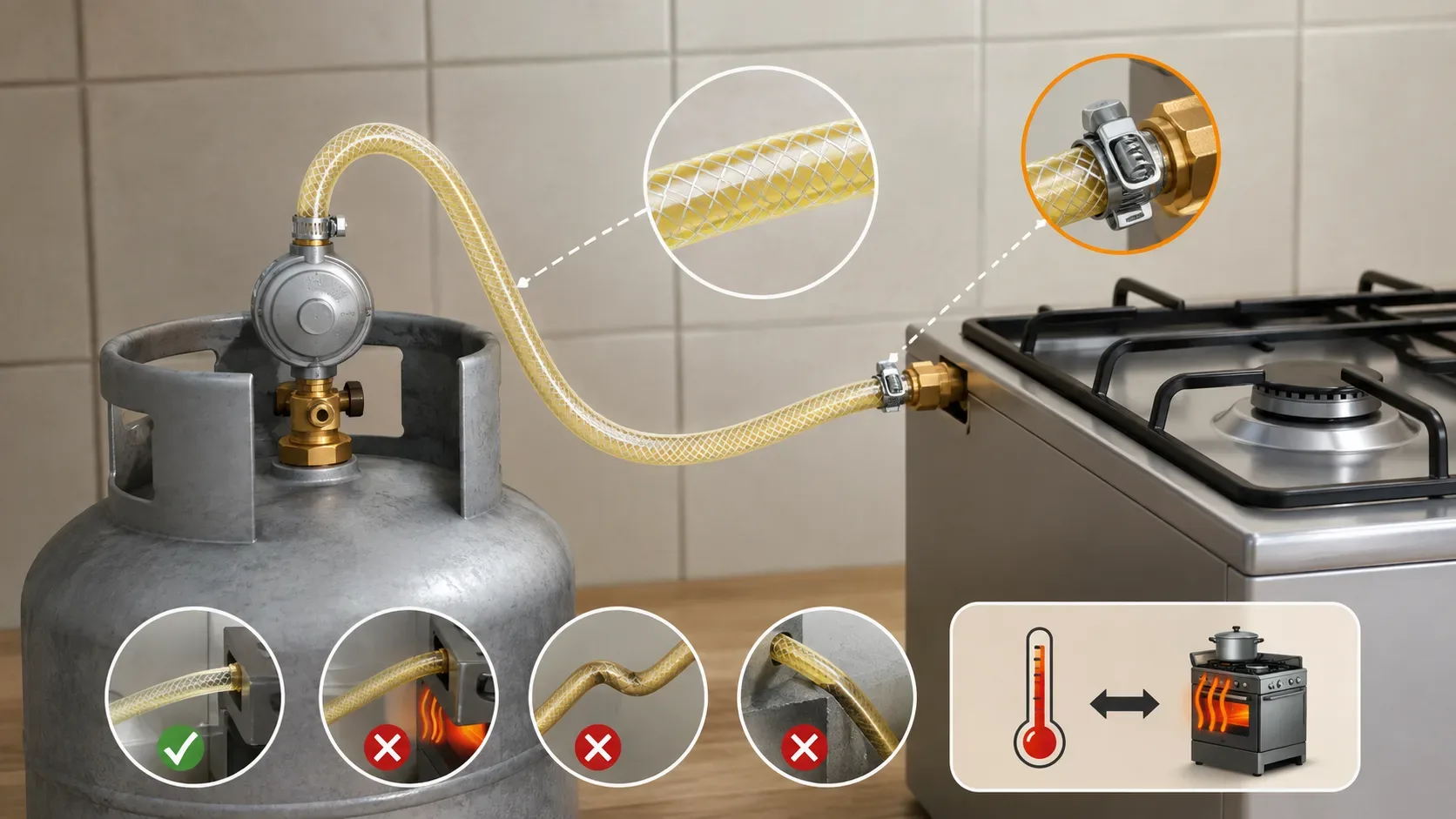
See how to check the validity, seal, visible conditions, clamps and position of the hose and regulator before using the stove with LPG.
Read articleNo articles published yet.
A Home That Works was created for residents who encounter a problem at home and do not know where to start. Our content organizes symptoms, low-risk checks, warning signs, and criteria for seeking professional help. We distinguish facts, hypotheses, and recommendations, use appropriate sources, and explain the limits of each piece of guidance. Content related to electricity, gas, structural issues, and other risky situations receives technical review before publication.