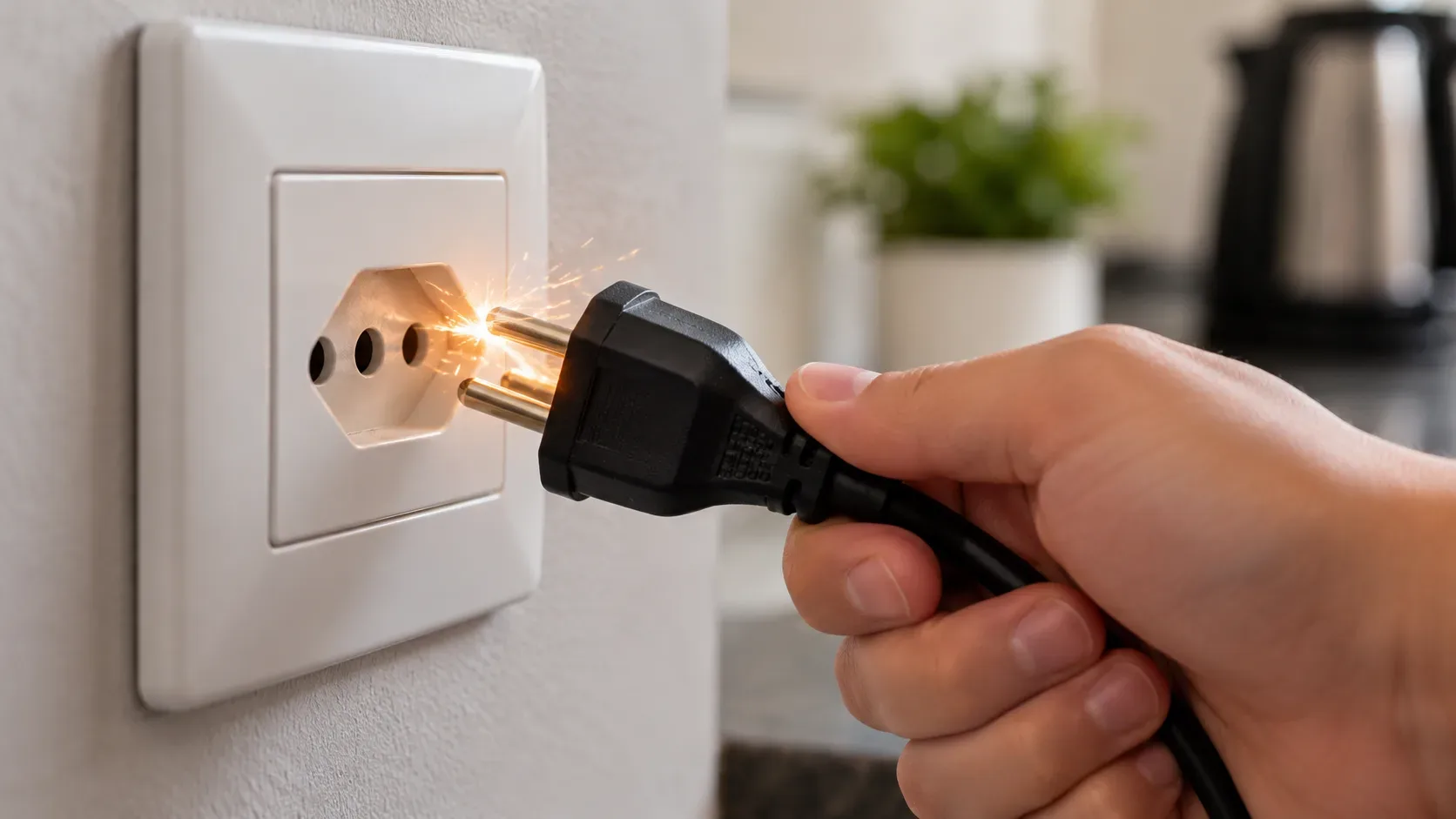
Short answer: a very small, instantaneous flash exactly when a plug's pins make contact with an energized outlet can occur without meaning there is a fault. Apple, for example, states that you may sometimes see a spark when plugging in a power adapter and that this is usually normal in that context. That does not make every spark acceptable: duration, repetition, where it comes from, and signs of overheating are what change the risk assessment.
If there is persistent sparking, crackling, buzzing, a hot outlet, discoloration, a burning smell, deformed plastic, electric shock, or a breaker that keeps tripping, stop using the connection. Safety guidance from Brazil's Ministry of Mines and Energy, the Maceió Civil Defense, and the Electrical Safety Foundation International treats heat, odors, arcing, unusual sounds, shocks, and repeated breaker trips as warning signs that deserve professional evaluation.
When a small flash can happen
The most useful question is how the spark appears. A tiny, single, very quick flash at the instant the plug touches the outlet contacts can occur while a device is being energized. Apple's USB-C power adapter support guidance explicitly documents this possibility.
This is less concerning when all of the following are true:
- the spark occurs only at the exact moment the plug is inserted;
- it is very brief and small, with no shower of sparks;
- it appears at the contact area between the plug pins and the outlet, not from the cable body, adapter body, or outlet face;
- there is no ongoing popping, buzzing, or crackling after the plug is seated;
- there is no burning smell, discoloration, melting, or abnormal heat;
- there is no shock or tingling when touching the equipment;
- the breaker does not trip and the device operates normally.
Even then, “can happen” does not mean “ignore changes.” If the behavior becomes stronger, more frequent, or is accompanied by other symptoms, switch to the safety response.
Comparison: can happen vs stop using
| What you observe | How to interpret it | Safe response |
|---|---|---|
| One tiny flash only at the instant of connection, with no other symptoms | Can occur while some devices are being energized | Observe without trying to reproduce it; follow the manufacturer's guidance |
| Sparking continues after the plug is inserted, multiple flashes, or crackling | Not the pattern of a simple connection flash | Stop using it and have the outlet and/or device evaluated |
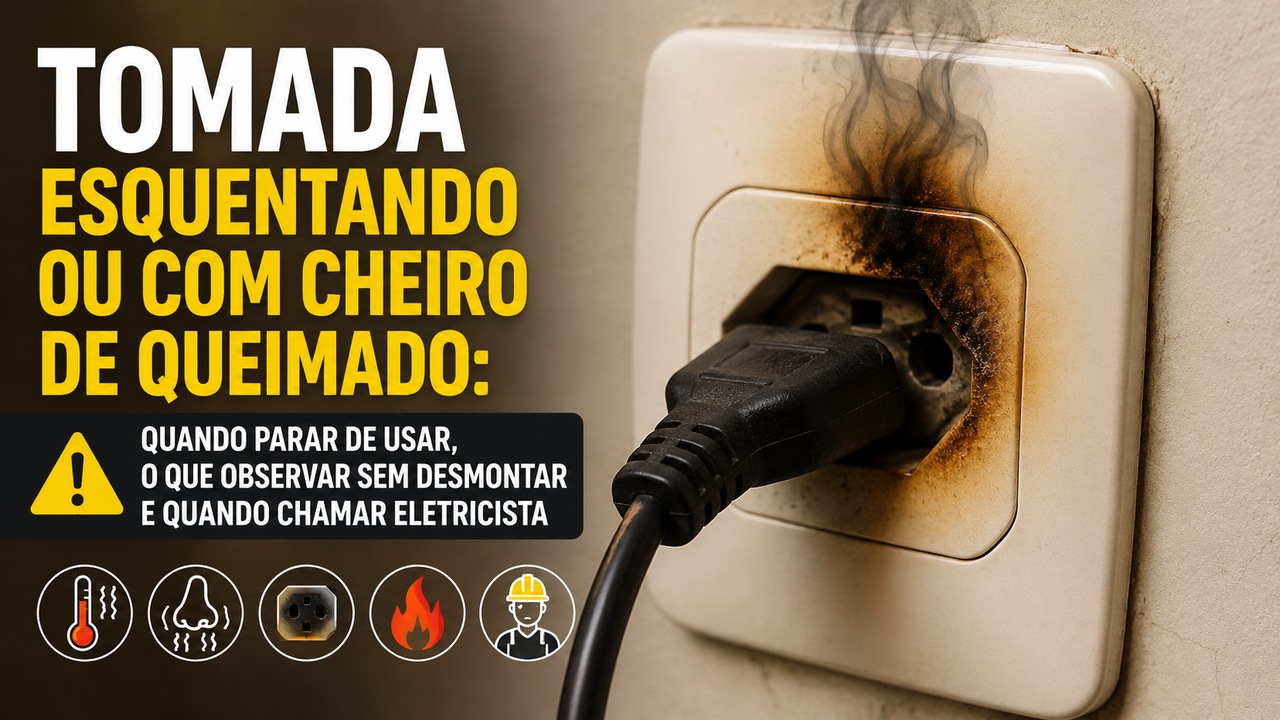
| Outlet, plug, or adapter is hot, discolored, deformed, or smells burned | There is a sign of overheating or damage | Stop using it; do not touch it if it is hot or smoking, and call a qualified professional |
| Buzzing, popping, shock, tingling, or repeated breaker trips | These are electrical hazard signs | Do not keep testing; request an electrician's evaluation |
| Spark comes from the cable, charger, or adapter body | The equipment may be defective | Remove it from service and contact the manufacturer or a service center |
What you can check without opening the outlet
The goal is not to diagnose the electrical installation yourself. It is to collect safe observations so you can decide who should evaluate the problem.
- Identify the timing. Was it a single flash during insertion, or did sparking continue after the plug was fully connected? Persistence changes the urgency.
- Identify the location. A flash right at the plug-pin contact is different from an arc coming from the outlet face, cable, adapter, or a cracked component.
- Look only at what is externally visible. With the equipment out of use and without touching hot or damaged parts, look for discoloration, melting, cracks, burn marks, or deformed plug pins. Do not remove the outlet cover plate.
- Use the history, not repeated experiments. If the same outlet has already shown heat, noise, or abnormal sparking with different devices, that points toward the installation. If the issue consistently follows the same charger, cable, or appliance, product service should also be considered. Do not repeatedly plug and unplug it just to see whether the spark happens again.
- Consider adapters and extension cords. Brazil's Ministry of Mines and Energy advises against permanent use of extension cords and multi-plug “T” adapters and warns about overloads and improvised connections. If any intermediate part is heating or damaged, stop using the setup instead of improvising another connection.
Signs that call for an electrician
Call a qualified electrician when the problem appears to be in the outlet or building wiring, especially if you notice:
- recurrent, intense, or persistent sparking at the outlet;
- an outlet or faceplate that is hot, darkened, or deformed;
- the smell of hot insulation or burned plastic;
- buzzing, popping, or crackling;
- a plug that sits loosely in the outlet or makes intermittent contact;
- shock or tingling;
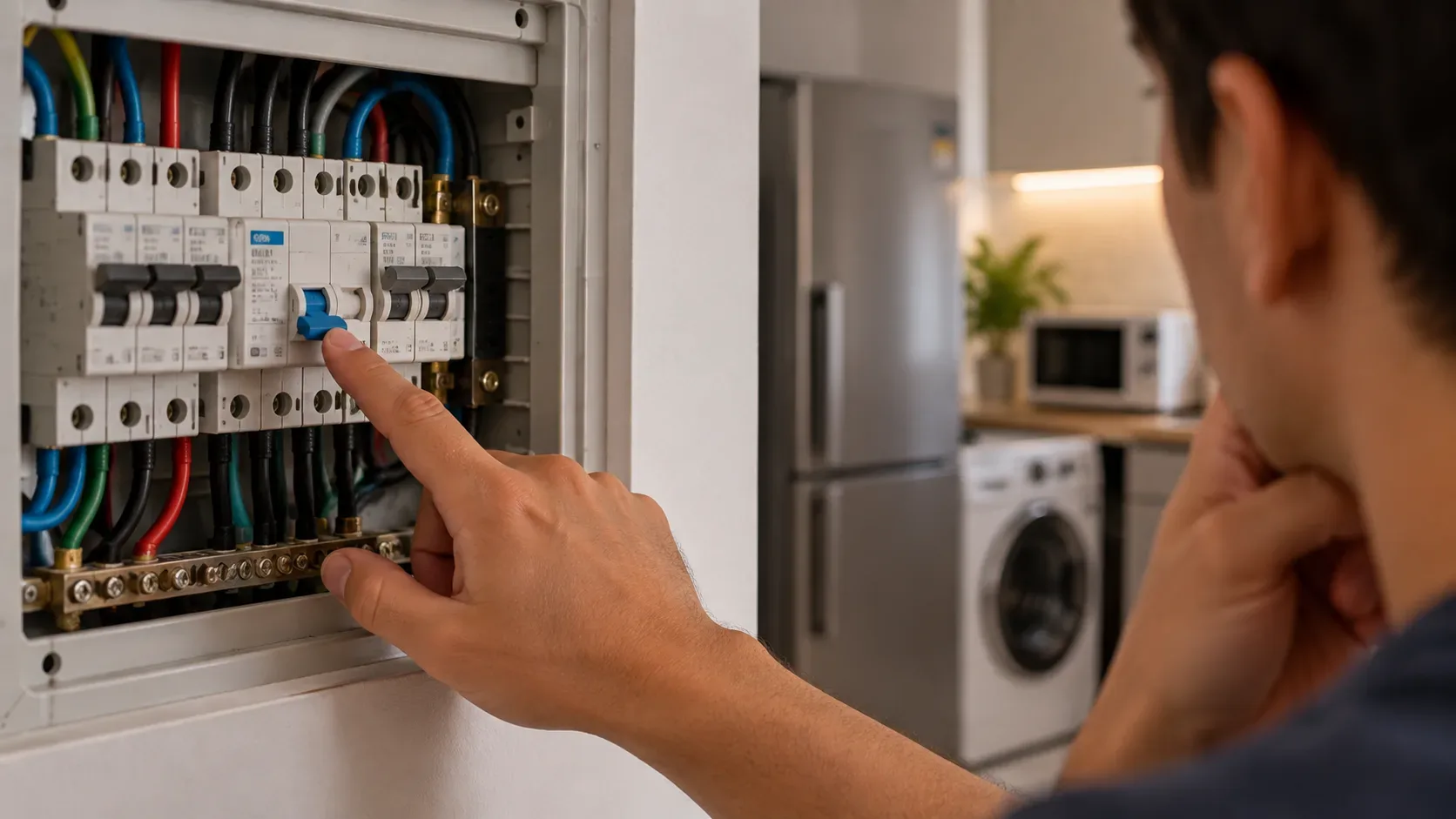
- a breaker that trips repeatedly;
- flickering lights or power interruptions associated with that outlet.
ESFI lists arcs and sparks, unusual sounds, overheating, hot-insulation odor, and shocks among residential wiring hazard signs and recommends inspection by an electrician. Maceió Civil Defense also highlights hot outlets, burning smell, and tripping breakers as signs that an installation may be operating outside safe limits.
When to contact the appliance's service center
If the outlet shows no abnormal signs but the problem is concentrated in the plug, cable, power supply, or charger, the manufacturer or an authorized service center may need to evaluate the product. Stop using it if the cable is damaged, pins are deformed, the casing is cracked, there are burn marks, or a spark comes from a part that should not be externally live. Brazil's Ministry of Mines and Energy recommends power supplies and chargers that match the manufacturer's specifications.
If you cannot tell whether the source is the outlet or the appliance, the conservative choice is to stop using that combination until a professional evaluates it.
What not to do
- do not open the outlet, remove the faceplate, or touch conductors to “tighten” a connection;
- do not insert objects to clean, widen, or adjust contacts;
- do not bend plug pins, add shims, or force a loose plug;
- do not sand electrical parts or use tape as a makeshift repair;
- do not remove a grounding pin or use improvised adapters;
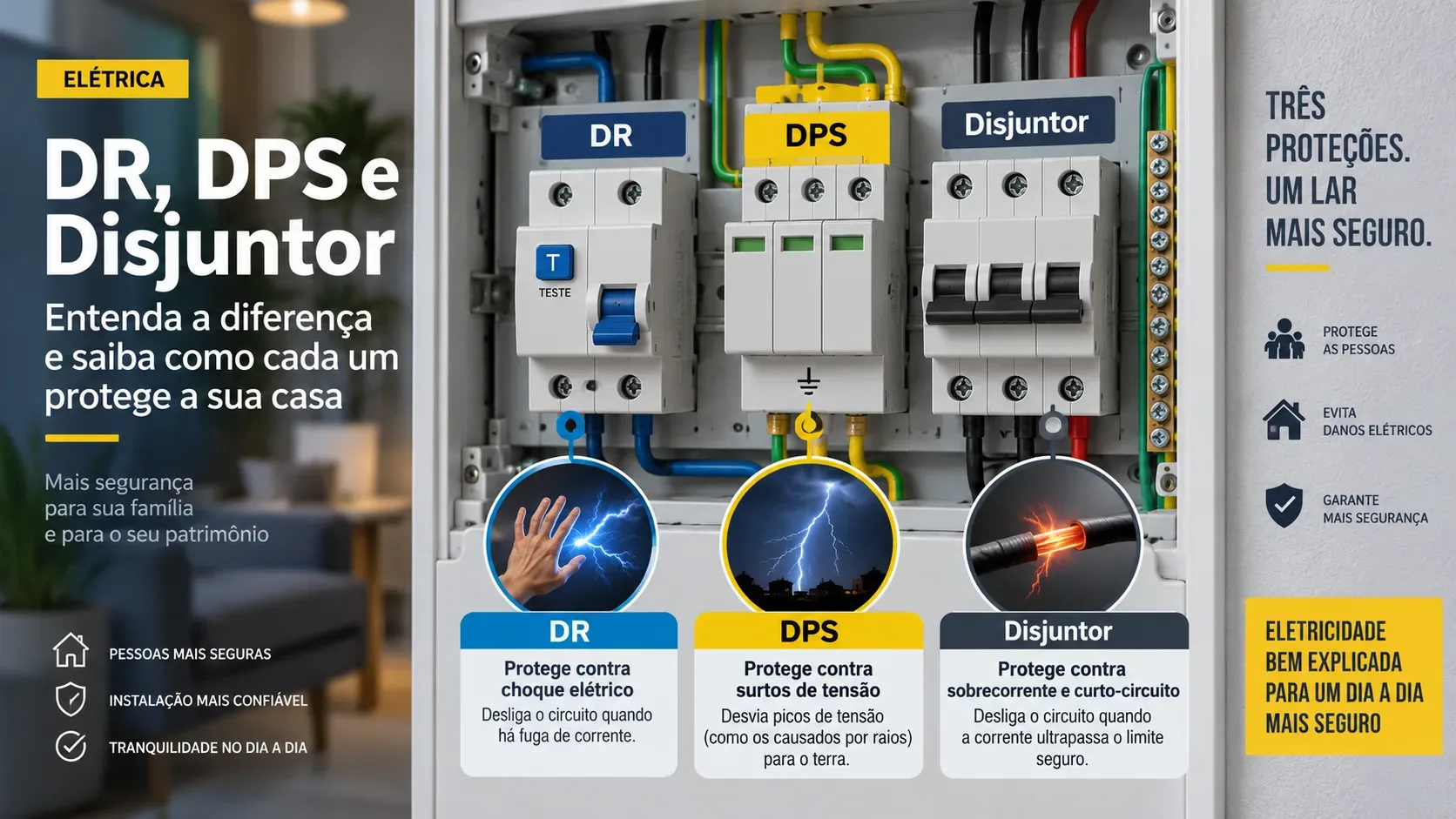
- do not install a higher-current breaker just to stop nuisance trips;
- do not throw water on an electrical fire.
For electrical installation, maintenance, and repair work, the Brazilian Ministry of Mines and Energy recommends qualified professionals and certified materials.
If there is smoke, fire, or active arcing
Treat it as an emergency. Move people away, do not touch the outlet or equipment, and if you can cut power at the main breaker without exposing yourself to danger, do so. Do not use water. Maceió Civil Defense advises switching off the main breaker when it is safe, calling the fire department, and having the installation evaluated by a qualified professional afterward. In Brazil, the fire department number is 193.
Practical rule for deciding
Tiny, single, instantaneous flash with no other symptom: it can occur when some devices are connected; monitor it and follow the manufacturer's guidance. Persistent or repeated sparking, or sparking with heat, odor, noise, damage, shock, or breaker trips: stop using it. Do not try to repair the outlet. If the warning signs are at the electrical point, call an electrician; if they are on the cable, plug, or power supply, contact the appliance's service support. If there is smoke or fire, treat it as an emergency.