

The Hour of the Star: who narrates Macabéa's story and why does it matter?
Rodrigo S. M. is the fictional narrator of The Hour of the Star, while Macabéa is the protagonist. See how this mediation changes the reading of the novel.
Read articleLiterature explained to help readers discover authors, understand works, and find new reading paths without reducing books to simple summaries.
Explore articlesThe most important content to start with.
Rodrigo S. M. is the fictional narrator of The Hour of the Star, while Macabéa is the protagonist. See how this mediation changes the reading of the novel.
Read articleOther selected strategic content.

Choose among Machado de Assis's short stories and novels according to the style you want, with guidance on narrators, irony, and pacing.
Read article
Compare Sagarana, Primeiras estórias, and Corpo de baile by length, language density, and narrative form to choose a strong entry point into Guimarães Rosa.
Read article
A practical method for identifying unreliable narration and distinguishing error, faulty memory, self-justification, and deliberate lies.
Read articleBrowse the blog main topics.
Explanations and analyses of novels, short stories and other works to understand structure, themes, characters and narrative choices without replacing the reading itself.
Where to Start10 articlesStarting points for discovering authors, genres, periods and works without needing prior literary knowledge.
Literary Contexts2 articlesHistory, movements, ideas and events that help to understand when, how and why certain works were written.
Authors & Paths1 articleTrajectories, phases, influences and reading paths to better understand writers and their works.
Genres & Traditions4 articlesScience fiction, fantastic fiction, Gothic literature, novels, short stories and other traditions explained through their characteristics, differences and transformations.
Recent posts and new content.

Learn how concentration, complexity, pacing, narrative threads, and character development distinguish short stories, novellas, and novels without relying on a universal page limit.
Read article
A reading map of the six 2026 shortlisted novels, with themes, length, style, and reader profiles to help you choose what to read before the October 5 ceremony.
Read article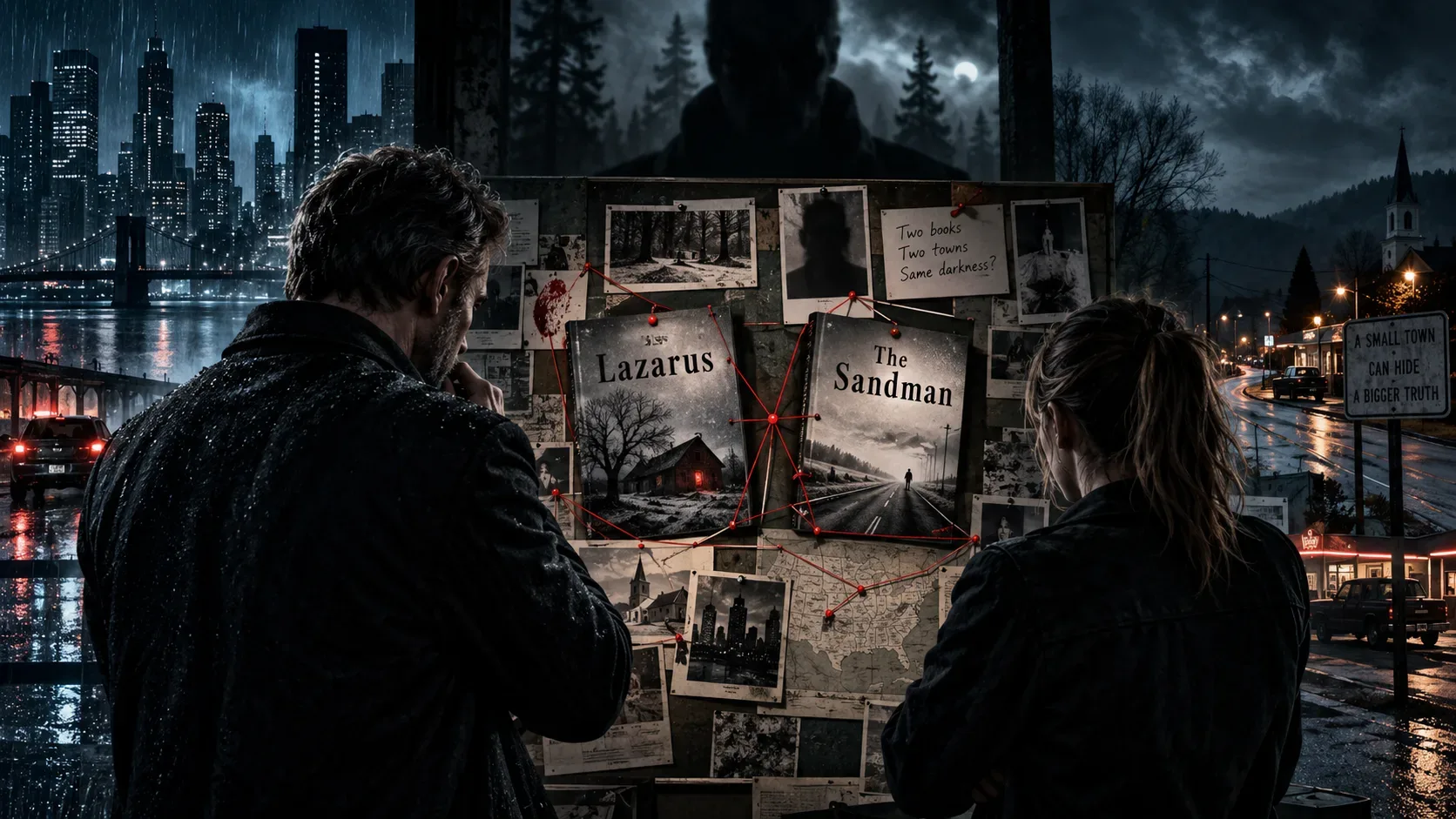
Apple TV's series combines The Sandman and Lazarus, books 4 and 7 by Lars Kepler, while rebuilding characters, setting, and relationships in a new continuity.
Read article
Netflix has confirmed Gus, Woodrow, and the cattle drive to Montana as the core of its new adaptation. Here is what that covers from the novel and what remains undefined.
Read article
Learn who may nominate candidates, how the Committee and Swedish Academy narrow the field, the 2026 timetable and the 50-year confidentiality rule.
Read article
The Secret Adversary is the best starting point, while Partners in Crime and N or M? offer alternate routes depending on reading style and spoiler tolerance.
Read article
A spoiler-light guide to Wokulski, 1878–1879 Warsaw, class conflict, the novel’s major themes, and what the 2026 series has announced it will reinterpret.
Read article
The Booker Prize 2026 shortlist has not been announced yet. Check the official date, avoid confusing it with the International Booker, and use the longlist to choose what to read n...
Read article
A spoiler-light guide to the families, conflicts, pacing, and turning points in Jane Austen’s novel — plus a careful look at how six episodes could divide that material without con...
Read articleContent with the most views.
Explanations and analyses of novels, short stories and other works to understand structure, themes, characters and narrative choices without replacing the reading itself.
Rodrigo S. M. is the fictional narrator of The Hour of the Star, while Macabéa is the protagonist. See how this mediation changes the reading of the novel.
Read articleApple TV's series combines The Sandman and Lazarus, books 4 and 7 by Lars Kepler, while rebuilding characters, setting, and relationships in a new continuity.
Read articleNetflix has confirmed Gus, Woodrow, and the cattle drive to Montana as the core of its new adaptation. Here is what that covers from the novel and what remains undefined.
Read articleA spoiler-light guide to Wokulski, 1878–1879 Warsaw, class conflict, the novel’s major themes, and what the 2026 series has announced it will reinterpret.
Read articleStarting points for discovering authors, genres, periods and works without needing prior literary knowledge.
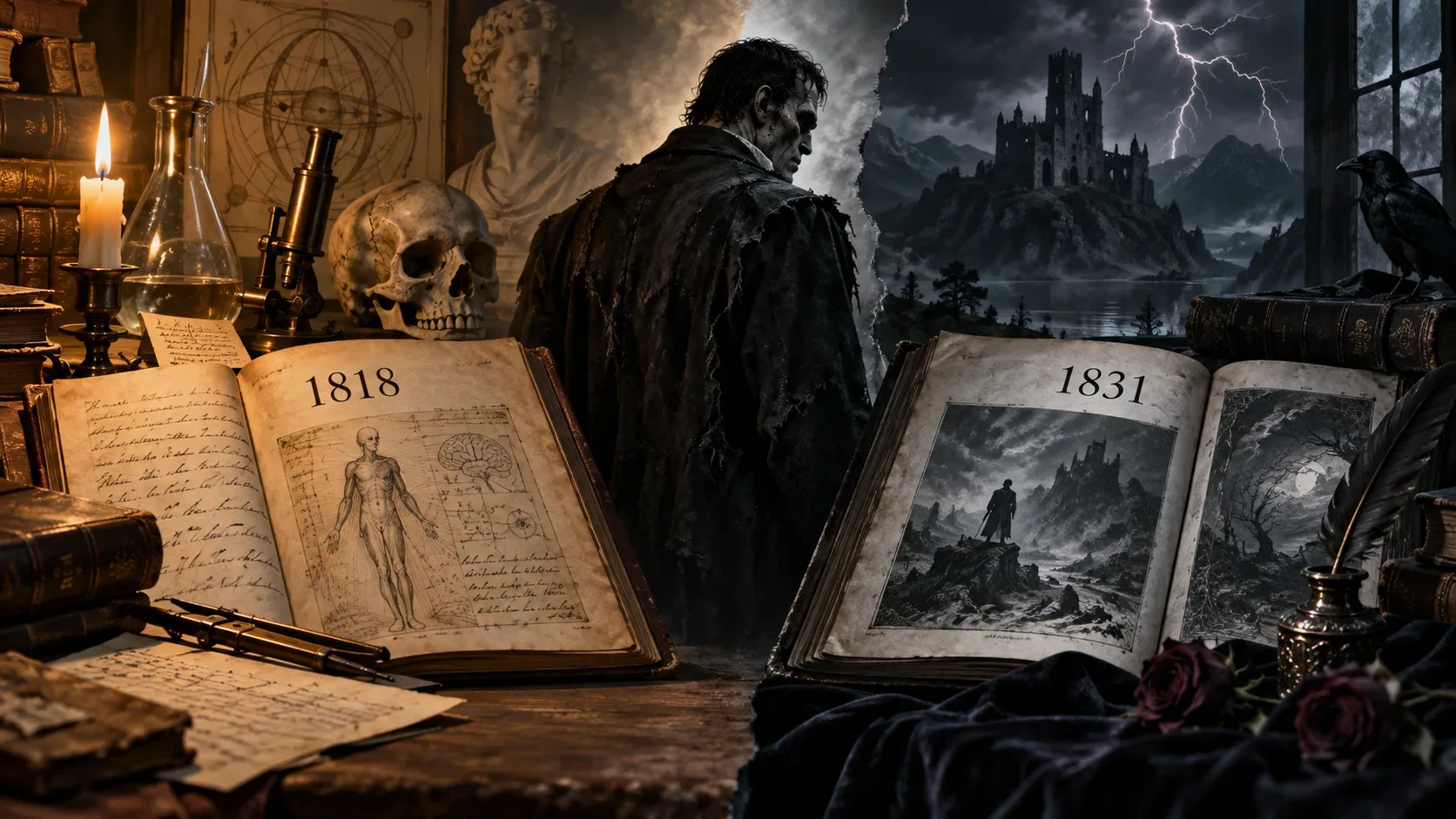
The two versions preserve the same central plot but change structure, Elizabeth’s origin, the balance between responsibility and fate, and the authorial framing. Here is how to cho...
Read article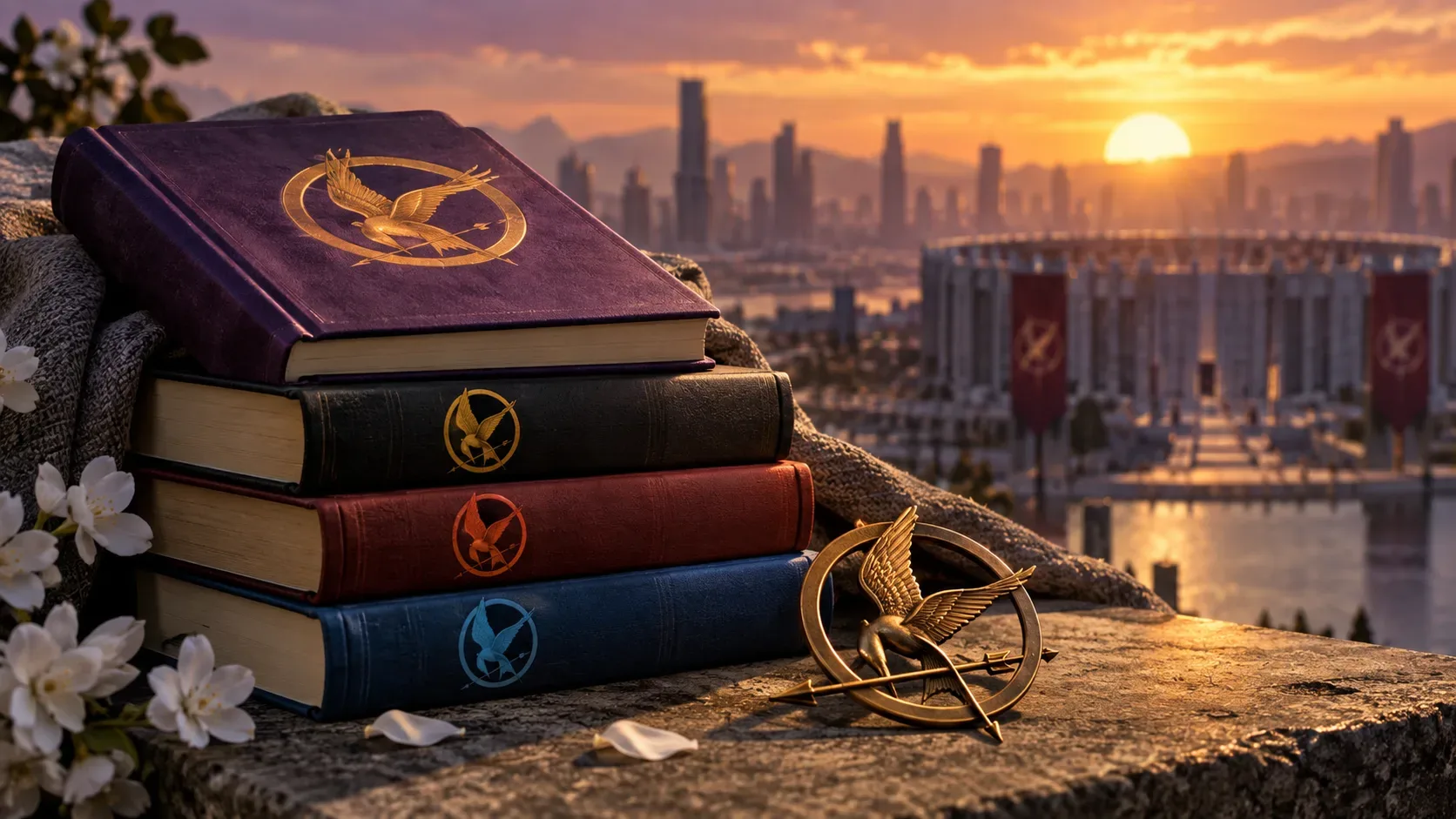
If time is short, Catching Fire is the best reread. Use these minimal, recommended, and complete routes to refresh Haymitch and the Quarter Quells without spoiling the movie.
Read article
Compare three entry points to Virginia Woolf and choose according to your interest in fiction, essays, interiority, and formal experimentation.
Read article
A guide to choosing your first Clarice Lispector book by the kind of reading experience you want: short stories, continuous narrative, or chronicles, with clear next steps.
Read articleHistory, movements, ideas and events that help to understand when, how and why certain works were written.
Learn who may nominate candidates, how the Committee and Swedish Academy narrow the field, the 2026 timetable and the 50-year confidentiality rule.
Read article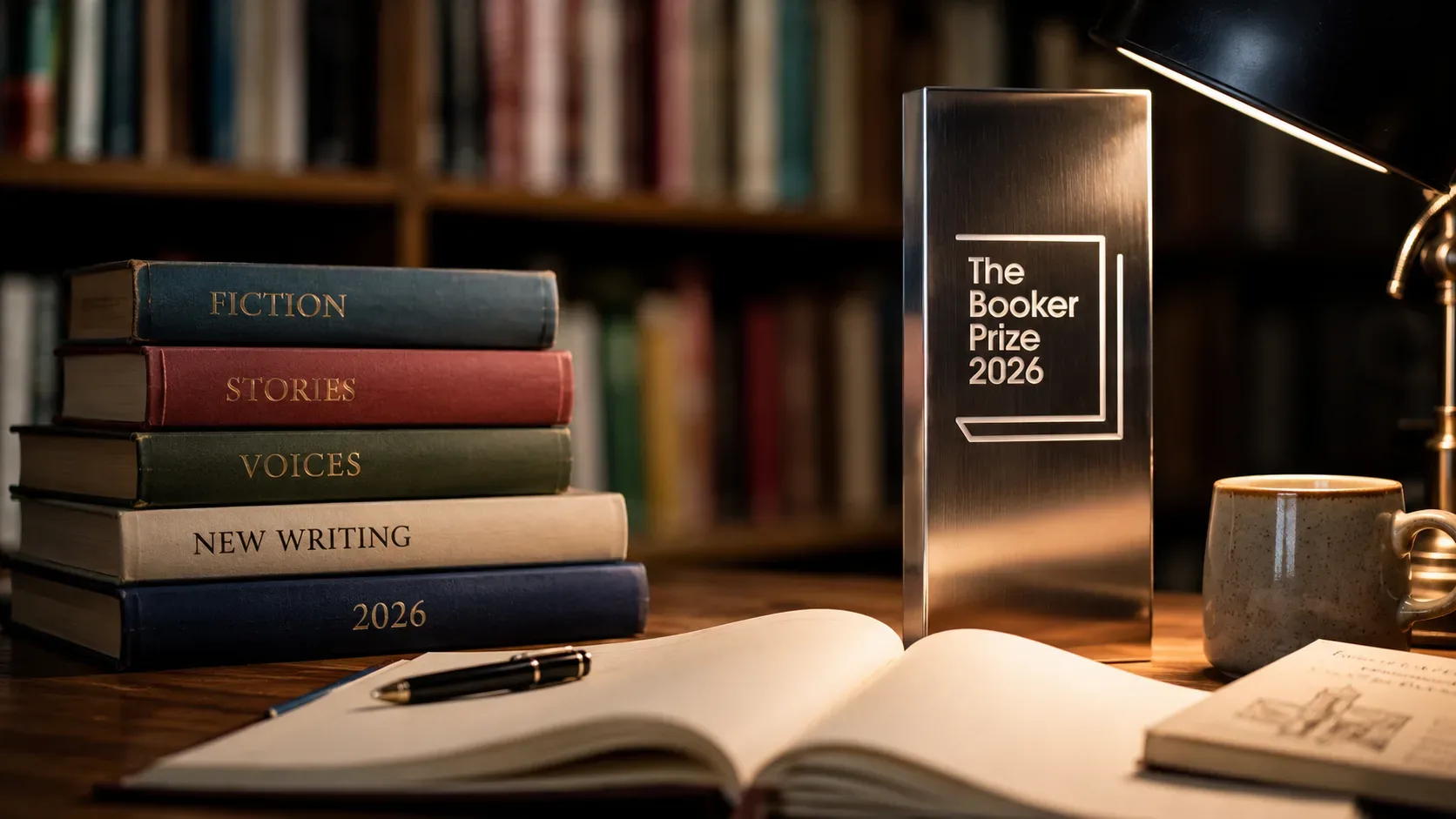
See why the 13 novels on the 2026 longlist are eligible, review the full list, and understand what changes when six finalists are named on September 22.
Read articleTrajectories, phases, influences and reading paths to better understand writers and their works.
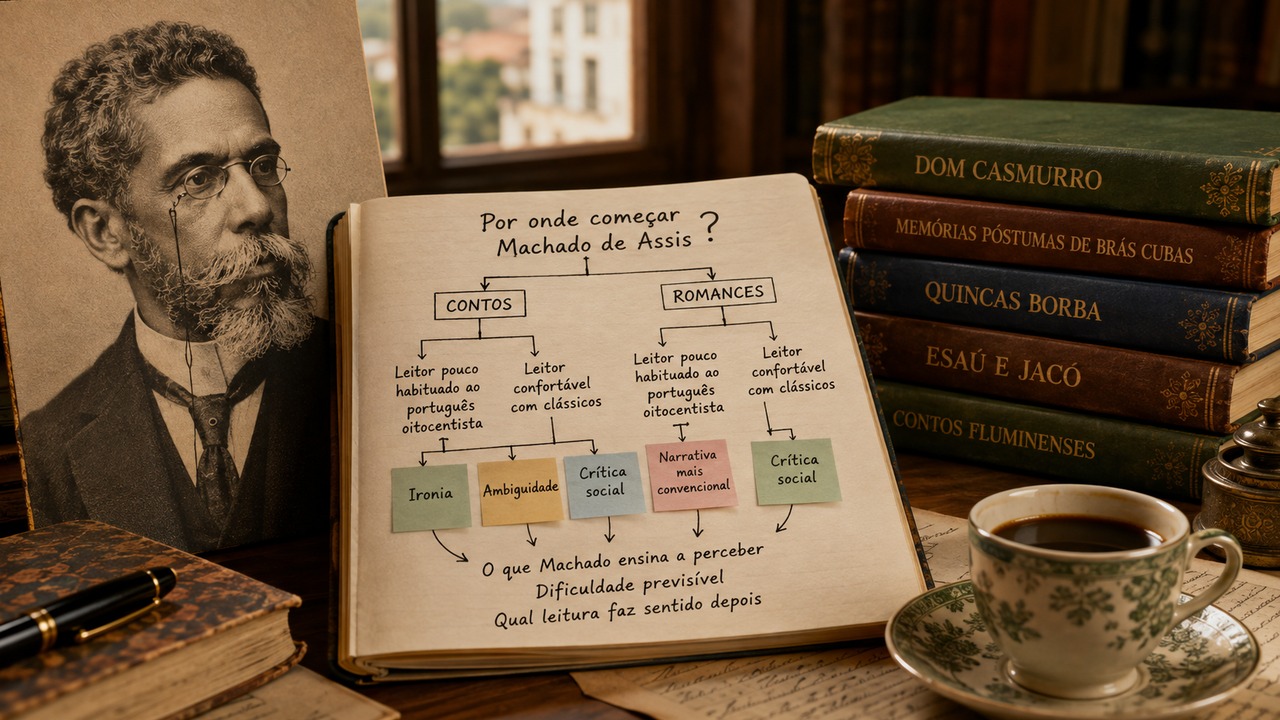
A journey to choose your first reading of Machado de Assis according to your breath, familiarity with classics and interest in irony, ambiguity or social criticism.
Read articleNo articles published yet.
Inside the Page is a blog for people who want to discover and understand literature without turning reading into an obligation or a summary. We explain works, authors, genres, and historical contexts, create paths into new reading experiences, and show different ways to enter a book. Analyses distinguish facts, interpretation, and context, cite sources when necessary, and clearly mark spoilers. Poetry remains the separate editorial territory of Verse Margin.