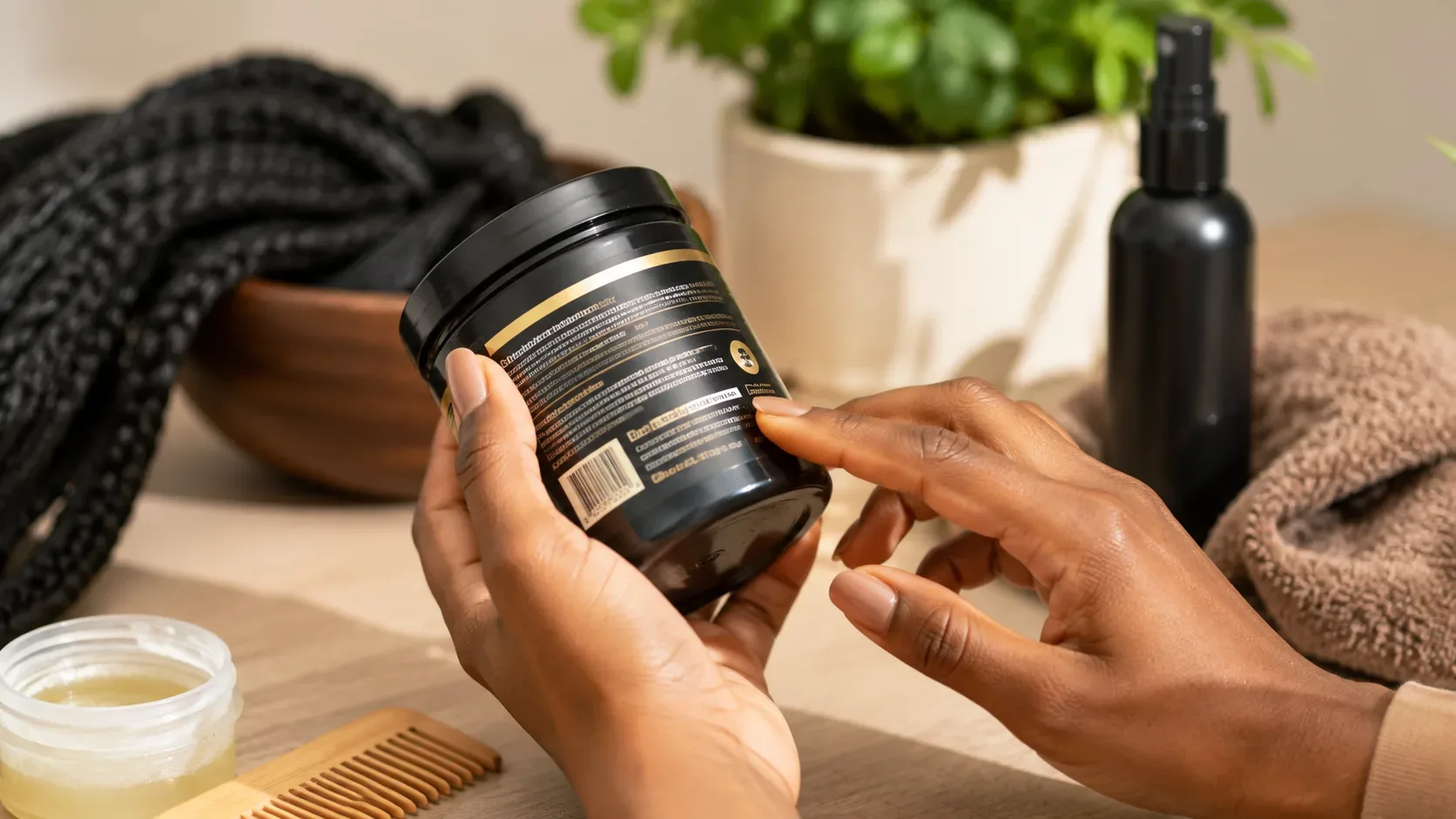
Pomades, pastes and other stylers can make it easier to fix braids and hairstyles, but the choice should not be made solely based on texture, price or someone else's recommendation. Before application, it is necessary to confirm that the product is authorized, that the packaging allows its origin to be identified and that the instructions for use can be clearly followed.
On January 9, 2026, the National Health Surveillance Agency published GGMON Alert nº 1/2026 to reinforce care with hair products intended for braiding or styling hair. The document cites events such as eye irritation and burning, redness, keratitis, allergic reactions and temporary loss of vision. The Agency emphasizes, at the same time, that authorized products are considered safe when used correctly.
Prevention, therefore, depends on two different checks: the regulatory status of the product and the way it will be used. Finding a number on the label is not enough if that number does not correspond to the product being consulted, just as authorization does not replace the instructions, warnings and limits indicated by the manufacturer.
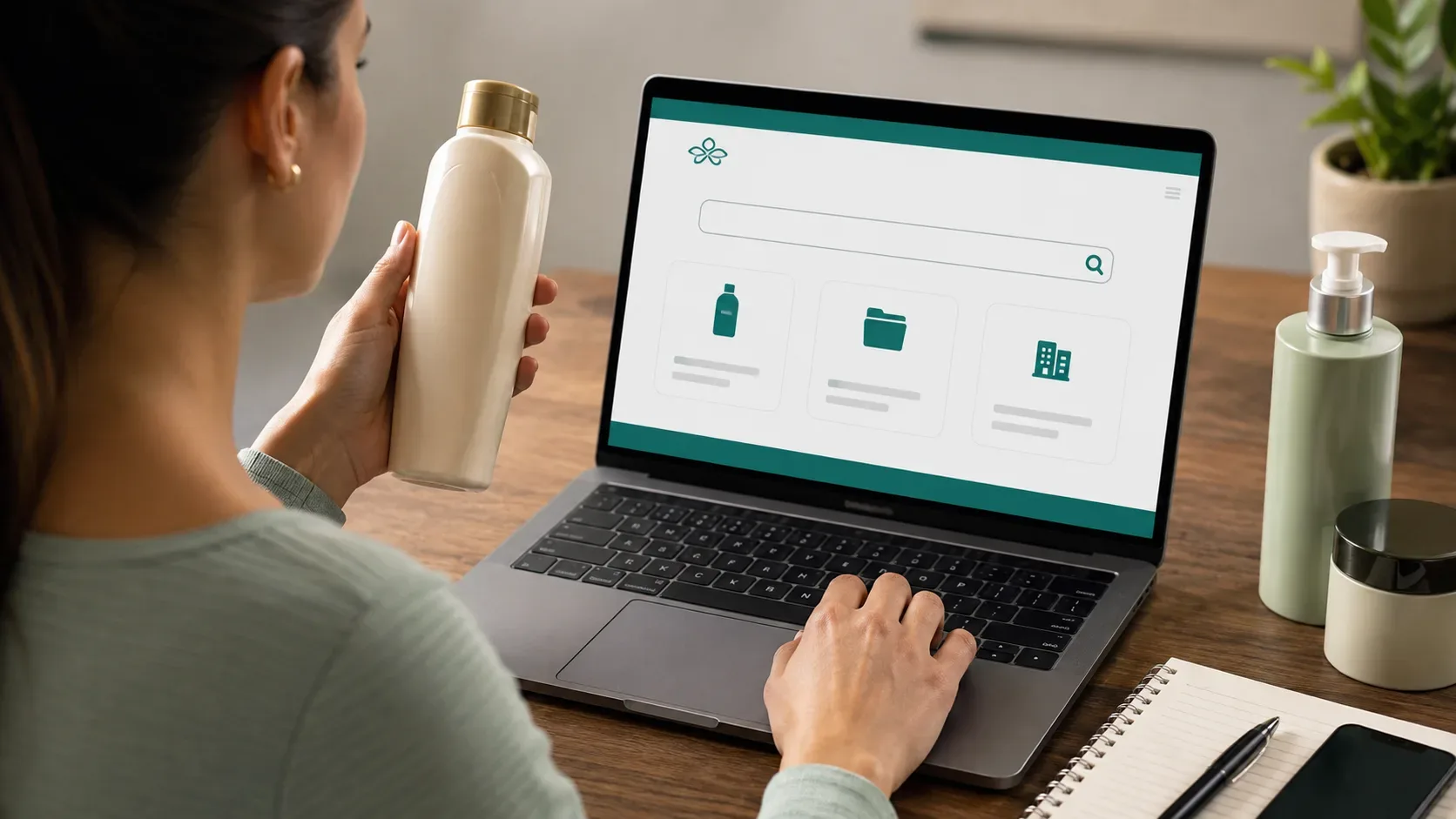
Why the consultation with Anvisa comes before the application
For ointments intended for braiding, fixing or styling hair, the official guidance is to use only products present on the specific list of ointments authorized by Anvisa. The case number usually starts with 25351 and follows a format similar to 25351.XXXXXX/20XX-YY. This identifier allows you to compare the packaging item with official data.
The regularization of these ointments now requires registration with prior analysis of the documentation presented by the company. Requirements include information on skin and eye safety, formulation, labeling and method of use. In 2025, Anvisa also published a technical manual to guide the proof of the safety of these products.
This does not mean that the word “Anvisa” printed on the packaging is a sufficient certification. Confirmation must be made on the official channel, comparing product data. It is also not recommended to rely solely on advertisements, photographs from online stores or statements from the seller.
Checklist: what to check before buying or using
1. Exact name and purpose of the product
Read the full name and check if the packaging states that the product is intended for fixing, shaping or assisting in hairstyles and braids. Beard products, tip repairs, gels, waxes and ointments may have different framing and instructions.
The purpose found on the label must match the intended use. A claim in a video, advertisement or social media post does not replace a formal indication of the manufacturer.
2. Process number
Look for the regularization process number, starting with 25351. It may be on the outer packaging or the container, depending on the presentation of the product.
The absence of this number, illegible printing or an identifier that does not correspond to the item being consulted are signs to not apply the product until the situation is clarified. Anvisa itself recommends that the query should preferably be made using the process number.
3. Presence on the list of authorized ointments
Access the official product page for braiding or styling hair and open the list of authorized ointments. Search by process number and compare:
- full name;
- brand;
- responsible company;
- presentation or variation identified;
- product status.
The search must result in the same product, and not just another item with a similar name or from the same brand. As regulatory situations may change, it is worth checking again when there is a new purchase, change of packaging or long interval since last use.
4. Responsible company and origin
The label must identify the company that owns the product, its CNPJ and a service channel. Information such as name, brand, composition, country of origin, content and regularization process must also be available.
Current regulations require that labeling be clear, legible, truthful and sufficient to prevent inappropriate use. When there is no external box, the mandatory information must be available on the primary packaging itself.
In practice, avoid using product transferred to unmarked containers, sold in fractional portions or delivered by the salon without access to the original packaging. Without the label, it is not possible to confirm process, batch, expiration date, company, composition or instructions.
5. Batch, expiration date and packaging conditions
Check that the batch and expiration date are legible. Also observe if the container has a leak, broken lid, signs of tampering, unusual color change, separation, different odor or external residue.
The batch allows you to track manufacturing if a complaint or investigation arises. Validity assumes that the product has remained in the original packaging, without damage and under the indicated storage conditions.
A seemingly intact packaging does not replace regulatory consultation, but damaged or untraceable packaging is reason enough not to use the content.
6. How to use and recommended quantity
Products intended for fixing or styling hair must present a detailed method of use, including the ideal amount for application. If the guidance is in a leaflet or on the outer box, this material must be preserved while the product is in use.
Vague expressions such as “use as necessary”, without any additional reference, do not authorize excessive applications. Do not increase the amount to prolong the hold and do not mix different products to create a stronger formula. Anvisa advises moderate use and advises against mixing without instructions.
7. Warnings and restrictions
Read the warnings before you start styling, not just after a reaction. Check it out especially:
- areas in which the product can be applied;
- need to avoid eyes and mucous membranes;
- quantity indicated;
- storage conditions;
- audience restrictions;
- procedure indicated for accidental contact.
In the 2026 alert, Anvisa advises that these products are not used on children and kept out of their reach and out of reach of animals.
Visual summary of what the label needs to allow you to check
| Item | What to check | Warning sign |
|---|---|---|
| Identity | Name, brand and purpose | Incomplete name or use other than intended |
| Regularization | Process started by 25351 and presence on the official list | Missing, illegible or mismatched number |
| Provenance | Company, CNPJ and customer service | Pot without label or seller who does not show the packaging |
| Traceability | Batch and validity | Data deleted, covered or changed |
| Safe use | Quantity, method of application and warnings | Vague or impossible to read instructions |
| Integrity | Seal, lid and appearance of content | Leak, tampering or unusual alteration |
Care during styling
Even after confirming authorization, keep the product away from eyes. Use only the indicated amount, do not mix with another cosmetic and interrupt the procedure if burning, itching, redness or discomfort appears.
Anvisa recommends not applying ointment if there is already irritation on the scalp, eyes or other area that may come into contact with the product. It also advises caution in situations where the styler may run, such as swimming pools, the sea or washing your hair. When removing while bathing, tilting the head back can help reduce drainage towards the eyes.
Storage also matters. Follow the temperature and conditions described by the manufacturer, keep the packaging closed and do not leave the container exposed to the sun or heat unless this is stated on the label.
What to do if ointment gets in your eyes
The official procedure is straightforward:
- Stop the application immediately.
- Flush your eyes with running water for at least 15 minutes.
- Seek medical attention, especially if there is pain, redness, persistent irritation, swelling, foreign body sensation, or vision changes.
- Take packaging or legible photographs of the product, if this can be done without delaying service.
Washing should not be delayed to locate proof of purchase, make a notification or try to find out which ingredient caused the discomfort. Health care is a priority and the article does not replace professional assessment.
What to do if you have skin or scalp irritation
Stop using the product and gently wash the affected area with plenty of water to remove residue. If symptoms persist, worsen, or spread, seek medical attention.
Do not reapply to “test” if the reaction repeats itself and do not use another cosmetic to try to neutralize the first. The general guidance for cosmetovigilance is to stop use, remove the residue and seek evaluation when the reaction does not improve or worsens.
Save the container. Register, when possible:
- full name of the product;
- process number;
- brand and manufacturer;
- batch and validity;
- application date and time;
- approximate quantity;
- place where it was used;
- symptoms observed;
- photographs of the label and packaging;
- information about health care, if any.
This data helps to differentiate the product used from others with similar names and supports the analysis of the report.
How to report a reaction or irregularity
An adverse event is an undesirable health-related effect following the use of a cosmetic. A technical complaint involves suspected alteration, defect, labeling problem or irregularity in the product or company, even if no damage has yet occurred.
Citizens can register adverse events and cosmetic technical complaints through e-Notivisa, using a gov.br account. The system accepts reports on behalf of yourself or third parties. Companies, professionals and health services use the professional channels indicated by Anvisa, depending on the profile and registration required.
When the product does not appear on the authorized list or there is a suspicion of irregular trade, the advice is to notify the local Health Surveillance or use Anvisa's general service channel. Notification of a reaction is not a substitute for seeking medical attention.
Since August 28, 2025, companies are also obliged to report serious adverse events associated with cosmetics, in accordance with the Good Cosmetovigilance Practices established by RDC 894/2024. Consumer reporting helps companies and authorities identify patterns and adopt investigative or supervisory measures.
Authorized product means zero risk?
No. Authorization indicates that the product has passed the applicable regulatory process and can be sold under approved conditions. Correct use, quantity, conservation and the individual characteristics of those who use the cosmetic remain relevant.
It is also not correct to conclude that all braid ointments are dangerous. The 2026 alert states that authorized products are safe when used correctly, while Anvisa's inspection actions have paid special attention to irregular products and inappropriate use.
The official consultation reduces an important part of the risk, but does not authorize ignoring a reaction. Burning, irritation or visual changes should not be treated as a normal consequence of styling.
Checklist to save before your next hairstyle
Before applying, confirm:
-
The name and purpose correspond to the product that will be used.
-
The label shows process started by 25351.
-
The item appears on the official list of authorized ointments.
-
Name, brand, company and process match the query.
-
Lot and expiration date are readable.
-
The packaging is intact and has not been split.
-
The method of use informs the recommended amount.
-
Warnings can be read before application.
-
The product will not be used on children.
-
The packaging will be photographed or preserved for possible tracking.
Check the product on Anvisa's official channels before purchasing or applying and save this checklist for your next hairstyle.