Not every remote contact with a veterinarian is a consultation. A conversation by phone, messaging app or video call can be teleguidance, telescreening or teleconsultation, and each modality has different objectives and limits.
The distinction is important because only teleconsultation can involve diagnostic definition, request for tests, prescription and therapeutic conduct — and, even then, it depends on previous registered in-person care and cannot be used in urgent or emergency situations. Teleorientation and teletriage help organize care, but do not replace a veterinary consultation. held on August 3, 2026, the specific standard used by the CFMV/CRMVs System continued to be CFMV Resolution No. 1,465, of June 27, 2022, in force since July 1, 2022. In addition to remaining available in the CFMV Legislation Manual, it was again presented as a current standard in guidance published by CRMV-PR on July 1, 2026 and in the CRMV-SP frequently asked questions consulted in 2026. No subsequent resolution that would revoke or replace it was identified in the official sources researched. between teleguidance, telescreening and teleconsultation
The modality is not defined only by the channel used. A video call can be a teleguidance or a teleconsultation; an app conversation can function as telescreening. What determines the modality is the purpose of the service, the acts performed and compliance with regulatory conditions.
| Modality | What can solve | What you can't do | Main conditions |
|---|---|---|---|
| Teleorientation | Provide general and initial veterinary guidance; clarify how to search for the appropriate service; explain general care and next steps without individualizing diagnosis or treatment | Cannot define diagnosis, indicate therapeutic approach, request exams or prescribe | The professional must inform you in advance that the contact is not a veterinary consultation |
| Telescreening | Identify and classify the situation; decide whether the case allows teleconsultation or whether it requires immediate or scheduled in-person care | Cannot diagnose, prescribe or request exams | Serves to define the gateway and level of priority, not to treat the problem |
| Teleconsultation | Carry out a remote consultation and, when there is sufficient information and clinical security, formulate a diagnosis, order tests, prescribe or define a course of action | It cannot be used in urgencies or emergencies; should not proceed when the in-person exam is necessary | Requires a prior Veterinary-Animal-Responsible Relationship established in person and recorded in the medical record, except for the temporary exception foreseen for disasters |
The limitations do not mean that teleguidance and teletriage are worthless services. In many cases, the person responsible's most urgent question is knowing where to seek help and how quickly. Telescreening can fulfill this role without turning an initial assessment into an impromptu remote diagnosis. action: general information, without individual diagnosis
Teleorientation is defined by the CFMV as general and initial medical-veterinary guidance carried out remotely. It can clarify how the services work, guide the person responsible about the need to gather documents and the animal's history or explain, in general, when a certain type of situation deserves professional evaluation.
The central limit is that teleguidance does not authorize diagnosis or therapeutic conduct. The resolution also prohibits the request for exams and any prescription in this modality. Before starting the service, the professional must make it clear that this is not a veterinary consultation. the practical
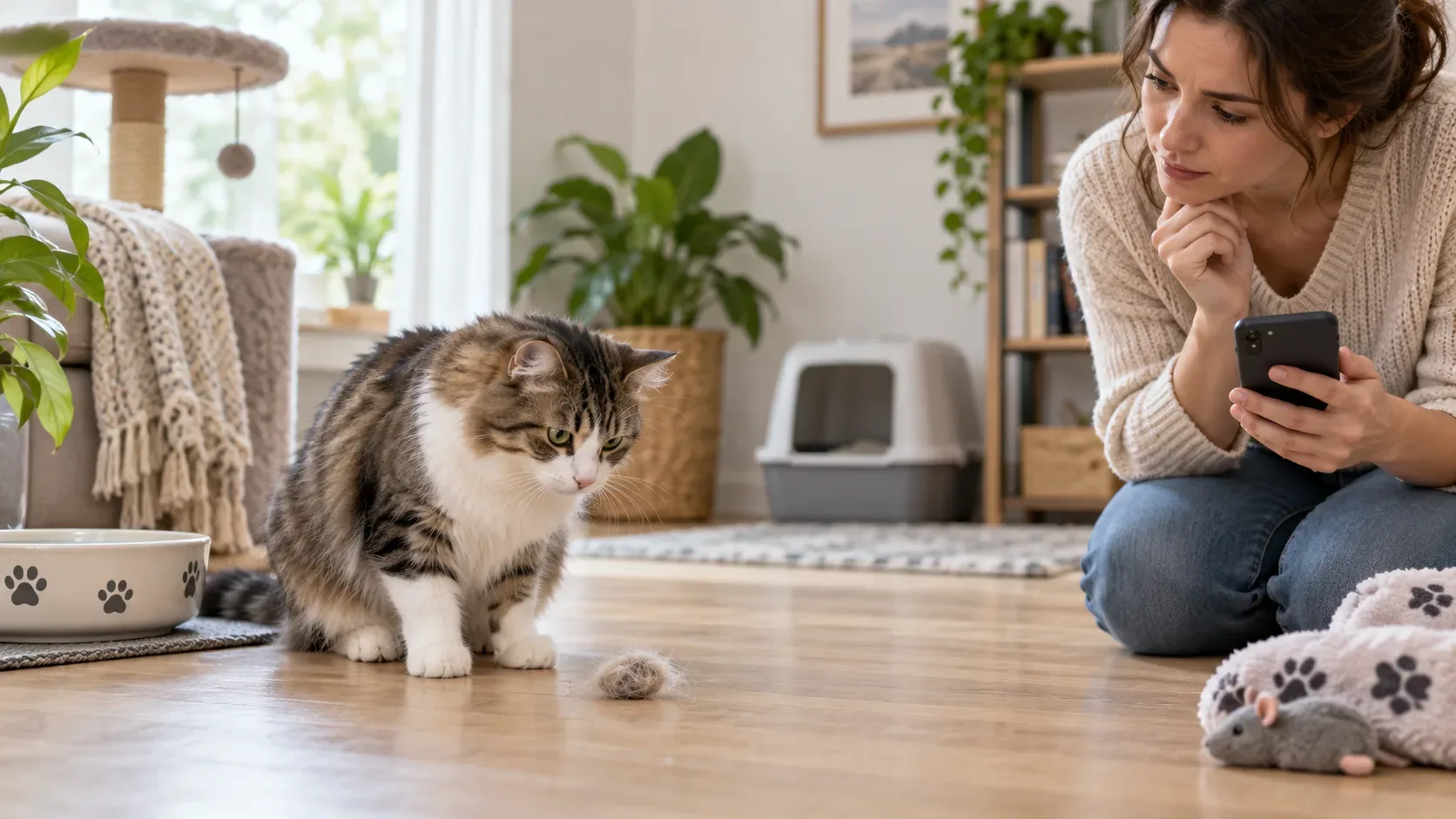
A person in charge asks via message whether a certain behavior change requires consultation. In teleguidance, the veterinarian can explain that sudden changes may warrant evaluation and inform how to schedule care. He should not state, through this contact alone, which disease the animal has or prescribe a medication.
If the information indicates that it is necessary to classify the severity and decide between remote or in-person care, the contact may become telescreening.
Teletriage: decide the priority and type of service
Telescreening is intended to identify and classify situations. Your result may be an indication of:
- teleconsultation, when regulatory conditions are met;
- scheduled in-person consultation;
- in-person service on the same day;
- immediate care in a clinic or hospital with an urgent or emergency structure.
It may involve questions about the onset of signs, evolution, behavior, breathing, feeding, elimination of urine and feces, possible traumas, ingestion of substances and known diseases. This information helps the veterinarian to estimate priority, but does not replace clinical examination.
As with teleguidance, telescreening does not allow for a diagnosis, ordering tests or prescribing. The professional must inform that the contact does not constitute a veterinary consultation. electriagem really solves
Telescreening mainly answers three questions:
- Does the animal need to be seen in person?
- Should the service be immediate or can it be scheduled?
- Does the case meet the conditions for a safe teleconsultation?
If there is significant doubt about the patient's stability, in-person care tends to be the safest option. The resolution itself establishes that in-person assistance is the gold standard and gives the veterinarian the responsibility for deciding whether the information received is sufficient to continue at a distance. ta: remote clinical consultation with specific conditions
Teleconsultation is a service in which the veterinarian and patient are in different locations and the professional carries out a consultation using information and communication technologies.
Within technical and ethical limits, it can result in a diagnostic hypothesis or conclusion, request for tests, prescription and definition of therapeutic conduct. The veterinarian, however, can interrupt remote care and recommend an in-person examination whenever the images, report, connection or other data are not sufficient to make a safe decision. before there was previous in-person service
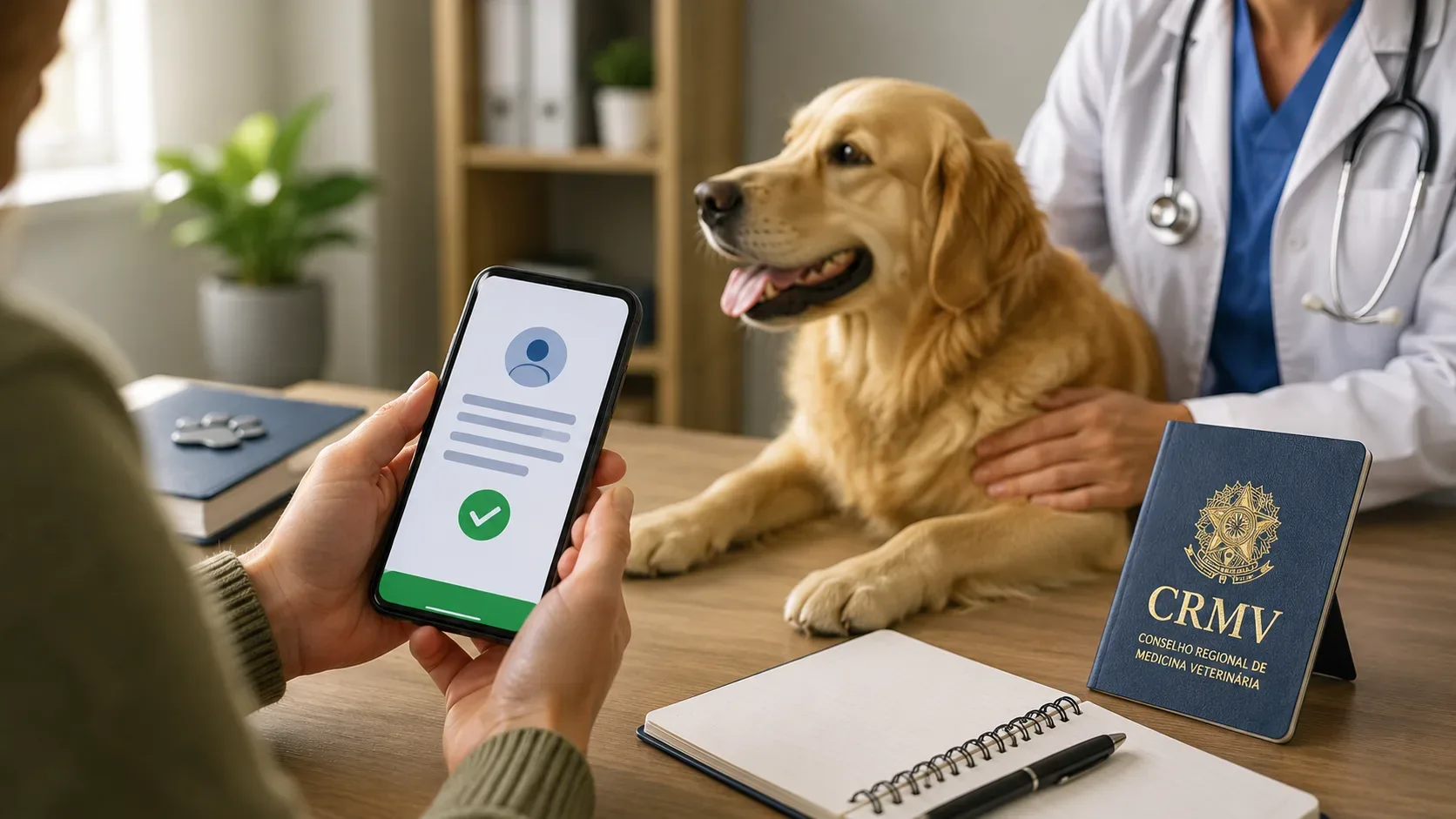
By CFMV Resolution No. 1,465/2022, teleconsultation depends on a Prior Veterinary-Animal-Responsible Relationship, known by the acronym RPVAR.
This relationship must be written and formal, established between the veterinarian and the person responsible, and must be supported by previous in-person care of the animal proven by medical records. Before the teleconsultation, the professional must check the data and characteristics of the patient and guardian. The first remote contact with an animal that has never been examined in person by a professional cannot be treated as a common teleconsultation. The resolution provides for an exception in disaster situations that actually impede travel and make in-person consultation unfeasible. The exceptionality must be registered and only lasts as long as the impediment lasts. of production, the standard adds the need for prior knowledge of the property, considering elements such as management, breeding system, epidemiological situation, health history, herd characteristics, climate and topography. sulta is not allowed in urgencies and emergencies
The resolution defines emergency as a condition that involves intense suffering or imminent risk of death and requires immediate assistance. It defines urgency as an unforeseen condition, with or without potential risk to life, which also requires immediate assistance to avoid developing into an emergency. In both cases, teleconsultation is prohibited. The motorcycle can still be used to direct the person responsible and guide travel, but it should not delay going to an in-person service.
Signs to seek immediate in-person care
The signs below were gathered from emergency references for dogs and cats. The list is not exhaustive, and the severity depends on the species, age, history and speed of evolution. Wild animals, birds, rabbits, reptiles, horses and production animals require assessment compatible with the species.
| Sign or situation | Safer conduct |
| Difficulty breathing, very forced breathing, mouth open to breathe or gums that are bluish, purplish or very pale | Seek emergency care immediately |
| Fainting, collapse, unresponsiveness, severe weakness, or sudden inability to stand | Immediate face-to-face service |
| Seizure, active tremors or repeated episodes | Emergency care; do not wait for a teleconsultation |
| Run over, major fall, serious bite or other trauma, even without obvious external injury | Quick in-person assessment, as internal injuries may not be visible |
| Heavy or non-stop bleeding | Immediate service |
| Suspected ingestion of a medicine, chemical, toxic plant or other dangerous substance | Contact a veterinary service and proceed for evaluation without waiting for signs to appear |
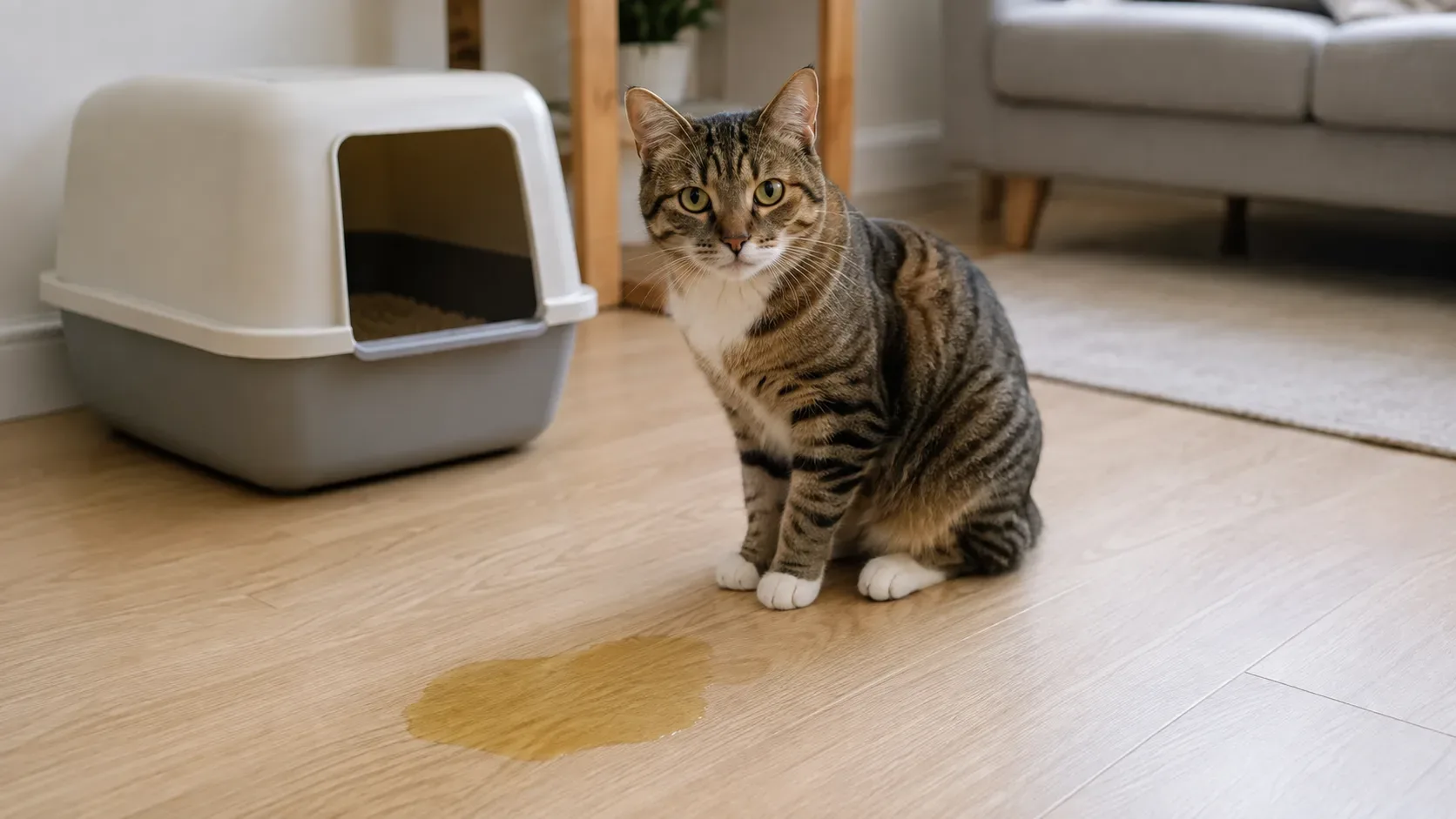
| Repeated straining to urinate, production of few drops or no urine | Immediate care, especially when there is pain or it worsens quickly |
| Severe or repeated vomiting, bloody diarrhea, severe prostration or inability to keep water | Urgent in-person assessment |
| Attempts to vomit without producing content, accompanied by an enlarged, hard or painful abdomen | Emergency, due to the risk of stomach dilation and torsion in dogs |
| Severe pain, persistent vocalization, extreme agitation or inability to move normally | In-person service |
| Swelling of the face, hives or allergic reaction, especially with respiratory disorders | Immediate service |
| Labor with difficulty or effort without birth | Veterinary emergency |
Cornell University Veterinary Hospital includes emergency conditions such as respiratory distress, collapse, changes in gum color, trauma, bleeding, difficulty urinating, drug ingestion, seizures, pain, severe vomiting, unproductive attempts to vomit, and a distended or painful abdomen. The Merck Veterinary Manual reinforces that poisoning, severe pain, uncontrolled bleeding and difficulty breathing require immediate care. acute, do not delay transport to take photos or videos. When it is safe, call the clinic while arranging travel, describe what happened and let them know the patient is on the way. This contact allows staff to prepare reception and provide transportation directions. prepare for remote service
When the case does not show signs of urgency or emergency, some information helps the veterinarian to assess whether contact can continue remotely:
- name, species, breed, approximate age and weight of the animal;
- exact or approximate moment when the change began;
- evolution since the beginning and last occasion when the animal appeared normal;
- previously diagnosed diseases;
- medicines, supplements or products in use;
- food and recent diet changes;
- occurrence of trauma, escape, contact with other animals or possible ingestion of objects and substances;
- ability to eat, drink, urinate, defecate, walk and breathe normally;
- recent photos or videos, when requested and safe to produce;
- previous exams, prescriptions and medical records.
Chronology is especially useful: write down when the problem started, what changed, and what signs appeared later. Sudden changes in activity, gait, eating, elimination habits, or behavior may indicate a problem that needs evaluation. and documents in teleconsultation
A prescription issued after teleconsultation or telemonitoring must identify the veterinarian, the patient and the person responsible, in addition to recording the date and time of the service. Recipes and other documents must use an advanced or qualified electronic signature.
In the case of medicines subject to special control, the resolution requires a qualified electronic signature, based on a digital certificate, in addition to compliance with the rules of the regulatory body responsible for the product. A photograph of a handwritten prescription or an informal message with the name of a medication does not, in itself, prove that all remote prescription requirements have been met.
Records, security and right to copy
The information, images and signals recorded during telemedicine are part of the patient's medical record. The veterinarian must record which technologies were used and preserve the integrity, security, confidentiality and fidelity of the information.
The person responsible for the animal has the right to request and receive a digital or printed copy of the care record. When information is shared for teleconsultation or telediagnosis, the resolution requires a consent form signed electronically by the person responsible. s can only be carried out by a veterinarian with active registration in the CFMV/CRMVs System. Companies that provide veterinary telemedicine services must be registered with the CRMV of the federative unit in which they are located and have a Technical Responsibility Note from a regularly registered professional. veterinary telemedicine activities
In addition to the three modalities aimed directly at the person responsible, the regulations include:
Telemonitoring
It is the continuous remote monitoring of health or disease parameters. It can only occur after previous in-person care, during recovery from a clinical or surgical procedure or when monitoring a chronic illness.
In chronic cases or cases of prolonged follow-up, there must be a face-to-face consultation with the attending veterinarian at intervals not exceeding 180 days. consultation
It is carried out exclusively between veterinarians to exchange information and opinions that help with diagnosis or treatment. Responsibility for care remains with the professional who assists the animal in person, while others respond according to their respective actions. ostico
Consists of the transmission of data and images between veterinarians for interpretation and issuing a report or opinion remotely. The document must be signed electronically by the professionals who provided the service. frequent
Can the animal's first care be a teleconsultation?
As a rule, no. Teleconsultation depends on a prior relationship established in person and recorded in the medical record. The regulatory exception refers to disasters that temporarily prevent in-person service. Can anyone prescribe during teleorientation?
No. Teleguidance and telescreening do not authorize diagnosis, request for exams or prescription. The definition of therapeutic conduct also does not pertain to teleguidance. Does the previous in-person service guarantee that all returns can be remote?
No. The in-person history allows teleconsultation to be considered, but the veterinarian maintains autonomy and responsibility to decide whether the case has sufficient information and safety conditions. He may recommend a face-to-face consultation at any time. Can you go through telescreening first?
The contact can help you recognize the need for immediate assistance and indicate the appropriate service. However, when there are already obvious signs of severity, you should not wait for a remote consultation or prolong the conversation before starting the trip.
Is WhatsApp service a teleconsultation?
Not necessarily. WhatsApp, telephone and video calls are just technological channels. The service can only be considered a teleconsultation when it meets the regulatory conditions, including the previous face-to-face relationship, professional registration and the absence of urgency or emergency.
The rule of thumb
Teleorientation informs. Teletriage classifies and forwards. Teleconsultation clinically assesses distance, but depends on previous in-person contact and does not respond to urgencies or emergencies.
Save the table, keep the address of an in-person veterinary service and an emergency unit accessible and, in the event of rapid worsening or serious signs, prioritize travel.