

Cat only wants running water: how to adapt bowls and fountains safely
Learn how to arrange water stations, try wide bowls and fountains, keep them clean, and spot changes in thirst or urination that warrant veterinary assessment.
Read articlePaws in Tune helps pet guardians understand dog and cat behavior, adapt household routines, and recognize changes that deserve veterinary evaluation.
Explore articlesThe most important content to start with.
Learn how to arrange water stations, try wide bowls and fountains, keep them clean, and spot changes in thirst or urination that warrant veterinary assessment.
Read articleOther selected strategic content.

An isolated hairball may be an occasional event. Learn how to distinguish vomiting from coughing, what to monitor, and which signs require veterinary care.
Read article
Occasional licking can be normal, but frequent licking with redness, odor, pain, or swelling deserves attention. Learn the signs, relative urgency, and what to record for the visit...
Read article
Experiments found that cats narrow their eyes more in response to human slow blinking and are more inclined to approach afterward, but the gesture is not a fixed translation of emo...
Read articleBrowse the blog main topics.
Explanations about communication, habits, learning and changes observed in dogs.
Feline Behavior8 articlesContent about communication, environmental needs and everyday behaviors of cats.
Routine and Environment3 articlesOrganization of the home, enrichment, food, rest, walks and predictability.
Coexistence and Adaptation2 articlesIntroducing animals, welcoming young pets, moving house and reorganizing the family routine.
When to Seek Help8 articlesAssociated signs, sudden changes and situations that justify veterinary or behavioral guidance.
Recent posts and new content.

Learn why cats knead blankets, beds, and laps, which contexts are normal, and when a sudden change may warrant veterinary evaluation.
Read article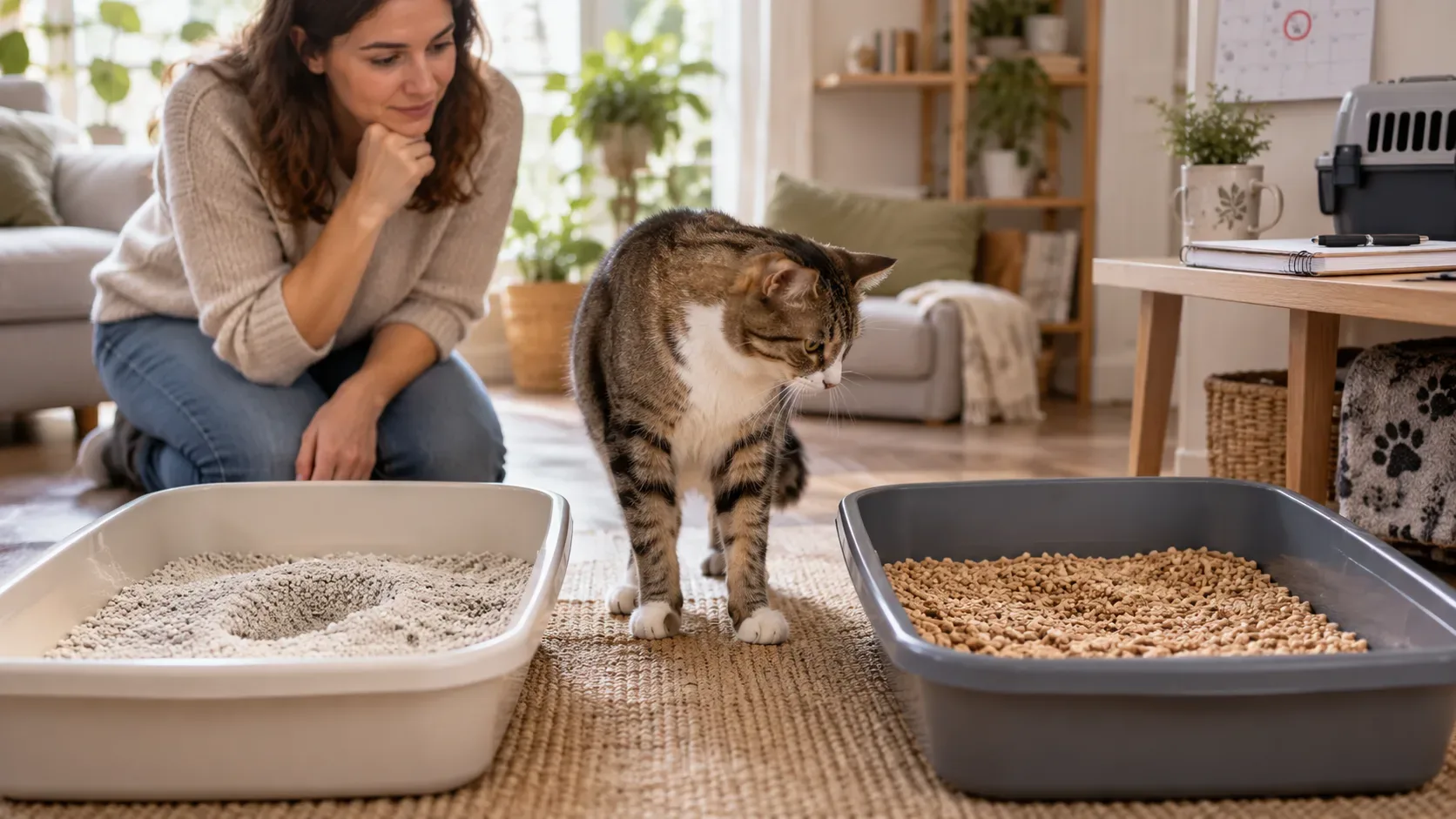
A two-box A/B test can show whether new litter bothers a cat, as long as other factors stay equal and possible medical signs are not delayed or ignored.
Read article
A practical plan to reduce nighttime door scratching, avoid accidental reinforcement, provide alternatives, and recognize signs that warrant veterinary evaluation.
Read article
Ambushing feet can be play/predation, but it may also reflect fear, pain, or redirected aggression. Learn what patterns to watch and how to respond without punishment.
Read article
Nighttime pacing in a senior dog should not automatically be blamed on age. Learn what to observe, how to document the pattern, and which signs call for faster veterinary assessmen...
Read article
Learn how greeting context, body language, and urinary signs can help distinguish excitement, fear, and possible medical causes.
Read article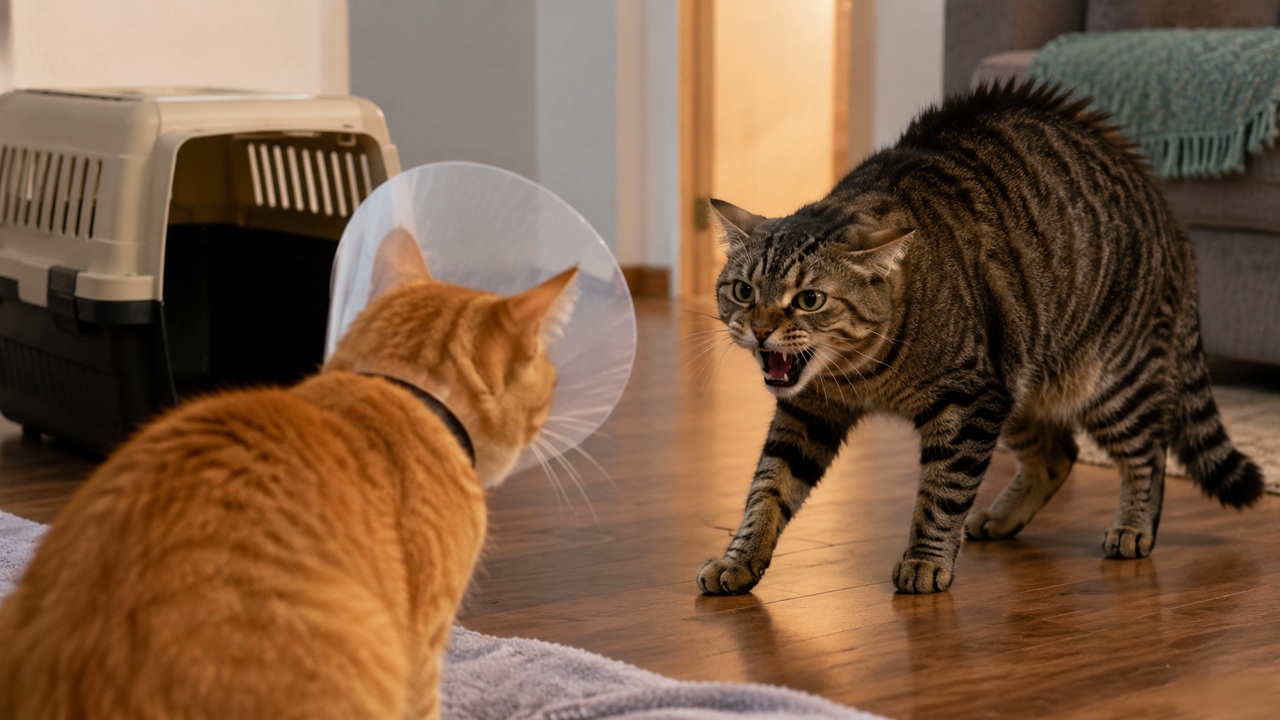
After a consultation, surgery, or hospital stay, a cat may come home smelling and behaving differently and be treated like a stranger. See how to separate them and reunite them saf...
Read article
Puppy biting can be play, exploration or teething discomfort. Learn how to read the context, teach limits without punishment and know when to seek help.
Read article
Growling while guarding food or toys is a warning that asks for distance. Learn how to reduce risk, what to avoid, and when to seek professional help.
Read articleContent with the most views.
Explanations about communication, habits, learning and changes observed in dogs.

Growling, tensing or eating faster near the bowl may be resource protection. See how to reduce your risk at your next meal, what not to do and when to seek help.
Read article
A practical method for observing triggers, creating distance, navigating inevitable encounters and training calmer responses without forcing approaches or using punishment.
Read article
Barking, crying and destruction in the absence of the owner can have different causes. See how to use video and context to record the pattern before completing.
Read articleLearn how greeting context, body language, and urinary signs can help distinguish excitement, fear, and possible medical causes.
Read articleContent about communication, environmental needs and everyday behaviors of cats.
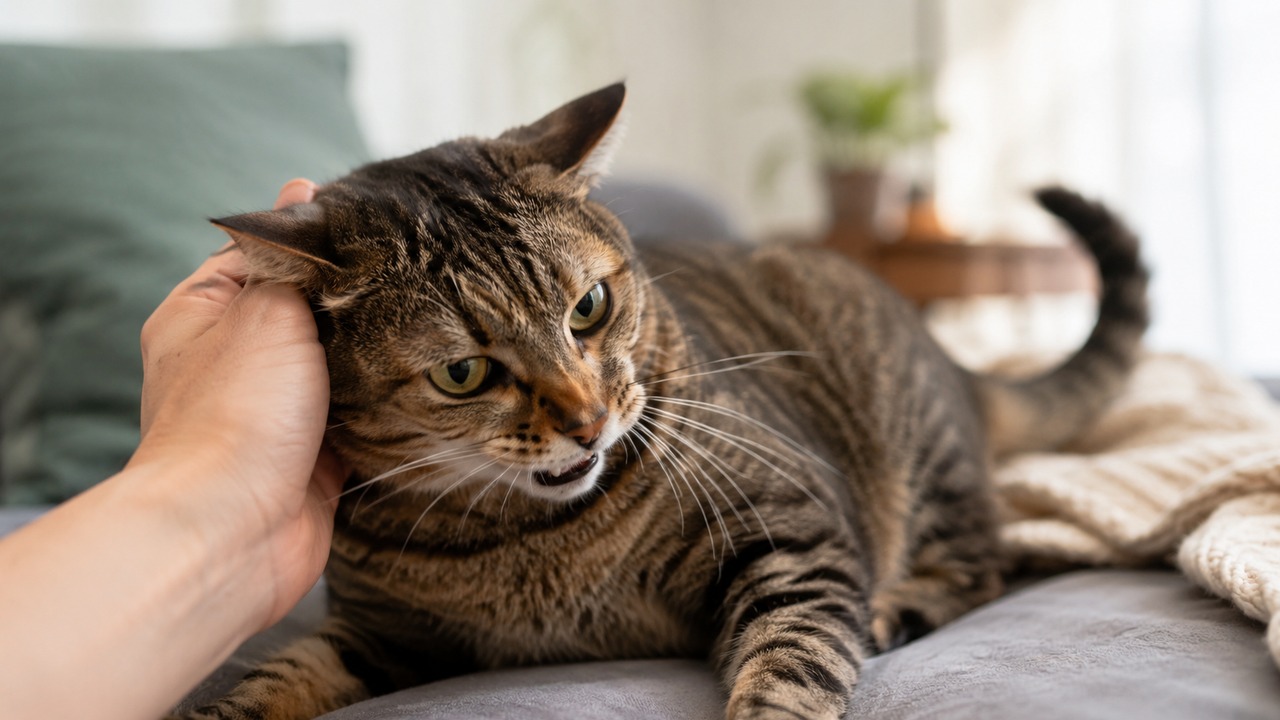
A practical method to stop petting before biting, differentiate limits to playful touching and recognize changes that require veterinary evaluation.
Read articleLearn how to arrange water stations, try wide bowls and fountains, keep them clean, and spot changes in thirst or urination that warrant veterinary assessment.
Read articleExperiments found that cats narrow their eyes more in response to human slow blinking and are more inclined to approach afterward, but the gesture is not a fixed translation of emo...
Read articleLearn why cats knead blankets, beds, and laps, which contexts are normal, and when a sudden change may warrant veterinary evaluation.
Read articleOrganization of the home, enrichment, food, rest, walks and predictability.

In homes with two or more cats, the “cats + 1” rule is a good starting point. The distribution of boxes, however, must consider territories, floors and social relationships.
Read article
If the cat runs away when it sees the carrier, the solution is to make it part of the routine. Here's a gradual process for reducing aversion before your next appointment.
Read article
Organize a refuge, protect escape routes and agree rules with adults and children to receive visitors without forcing dogs and cats to interact.
Read articleIntroducing animals, welcoming young pets, moving house and reorganizing the family routine.

Introducing a second cat should be progressed by behavior, not timing. See the steps, comfort signals, warnings and when to back off.
Read articleAfter a consultation, surgery, or hospital stay, a cat may come home smelling and behaving differently and be treated like a stranger. See how to separate them and reunite them saf...
Read articlePaws in Tune helps dog and cat guardians observe behavior with greater clarity and fewer rushed interpretations. Our content explains species-specific needs, the influence of routine, environmental changes, and adaptation strategies. When a behavior may be related to pain, discomfort, or another health change, the article explains the limits of home guidance and recommends veterinary evaluation. Sensitive content receives professional review and includes sources and update dates.