Decree No. 13,108/2026 created specific consumer-protection rules for ticket sales in Brazil. Published in the Federal Official Gazette on September 1, 2026, it covers box offices, websites, apps and other sales channels, but excludes sporting events governed by Brazil's General Sports Law. Its effective dates are split: most provisions apply from publication, while Articles 4, 5, 13 and 15 through 18 take effect 20 days later.
What changes, in short
For people buying online, the most visible change is the combination of price transparency, clearer virtual-queue information, protection during the pre-purchase stage and new duties for resale platforms. The decree also strengthens rules on half-price tickets, the right of withdrawal, ticket-holder transfers and refunds when an event is canceled, postponed or materially changed.
Not everything starts on the same day. Price and fee transparency, along with the duty to show a buyer's queue position, the estimated number of users ahead and the approximate waiting time, are among the provisions with immediate effect. Technology-based measures against mass purchases, temporary ticket reservation during pre-purchase, specific resale duties and free transfer mechanisms have a 20-day delayed effective date.
Checklist by stage of the purchase
1. Before joining the queue or choosing a ticket
- Check the total price and fees. Articles 6 and 7 require ticket prices and ancillary fees to be presented clearly and separately throughout the purchase process, from the initial advertisement through completion.
- Question duplicate fees or charges with no corresponding service. The decree treats duplicate, similar or non-service-related ancillary charges as abusive when they are not tied to an effectively provided and disclosed service.
- Extra services cannot be added automatically. Additional services require the consumer's prior and express consent.
- If you are on a resale platform, check whether it identifies itself as a secondary channel. The express duty to state that it is not the official sales channel appears in Article 5 and takes effect after the 20-day period.
2. While you are in the virtual queue
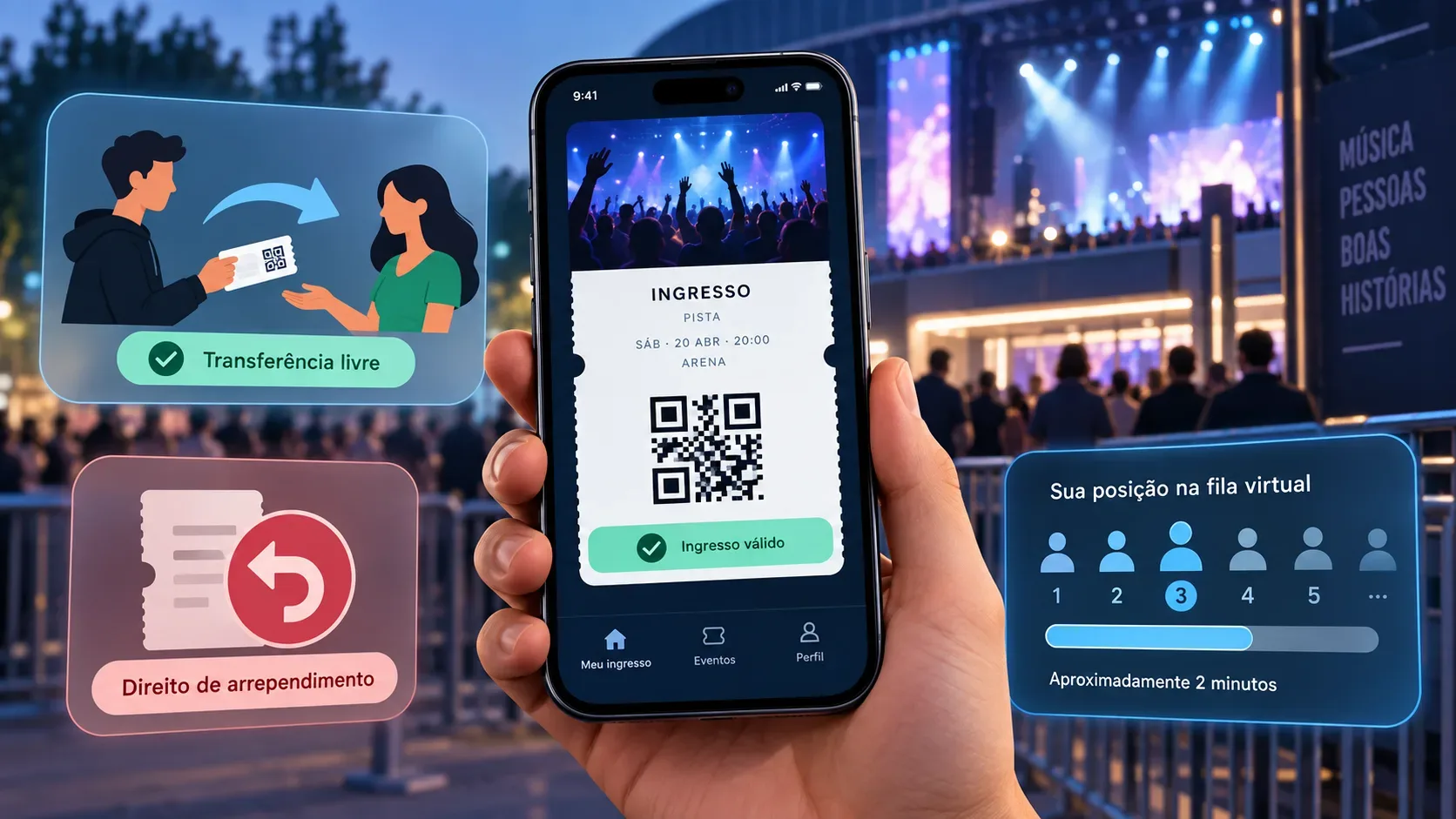
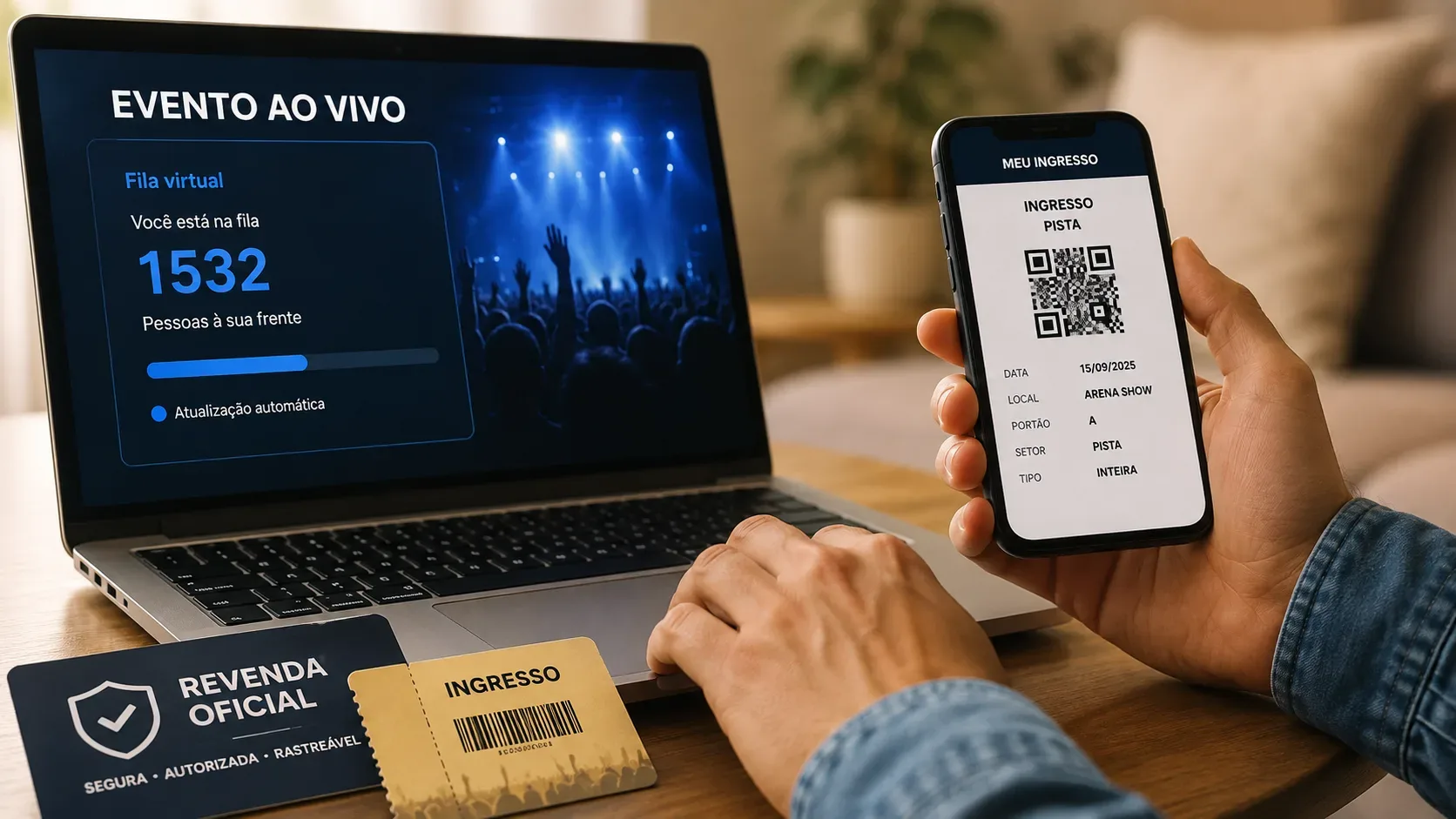
When an electronic sale uses a virtual queue or another controlled-access system, Article 14 requires the primary seller to provide three items clearly and prominently: your position in the queue, the estimated number of users ahead of you and the approximate time until you can reach the purchase stage. This article is not among the provisions subject to the 20-day delay.
A second layer of protection comes later. Article 4 requires primary sellers to adopt measures against mass, abusive or speculative ticket acquisition, including automated systems, and to strengthen protections for high-demand events, such as virtual queues, consumer pre-registration or per-buyer ticket limits.
3. During pre-purchase and payment
Article 13 provides that, once selected in the pre-purchase area, a ticket must be temporarily reserved for enough time to complete the required data and finish the transaction. During that reservation, the stated ticket price and fees cannot change because of a new sales batch, dynamic pricing or a similar criterion. The platform must also show the remaining reservation time in real time. These rules take effect 20 days after publication.
Even before Article 13 takes effect, the price-and-fee transparency rules in Articles 6 and 7 already apply.
4. After the purchase: withdrawal and ticket transfer
The decree expressly states that tickets purchased electronically are subject to the right of withdrawal under Article 49 of Brazil's Consumer Defense Code. The Code provides a seven-day period for contracts made outside a commercial establishment. Article 16 of the decree, effective after 20 days, also requires a specific, clear and easy-to-access channel for exercising that right, without procedures that make cancellation harder or slower.
Ticket-holder transfer also gets its own rule. Under Article 17, a consumer may transfer a ticket to another person at no cost through the official platform or a system it provides, with holder information updated and the transaction kept traceable and authentic. Articles 17 and 18 share the same 20-day delayed effective date.
5. If the ticket is being resold
The decree does not set a universal percentage cap on resale markups. Instead, it creates transparency duties and mechanisms aimed at speculative secondary markets and abusive prices. Once Article 5 is in force, a secondary intermediary must, among other things:
- show the total price, including fees and taxes;
- provide a field for the seller to declare the ticket's face value;
- warn when the ticket is offered above face value;
- state whether the seller is an individual or a legal entity;
- make clear that it is not the official sales channel;
- provide a channel to report potentially irregular listings;
- remove or suspend listings when automated systems, abusive resale or another prohibited practice is identified;
- adopt mechanisms designed to discourage speculation and abusive resale.
A free holder transfer is not the same as resale. The transfer under Articles 17 and 18 is an official mechanism to change the ticket holder without a transfer fee. Resale involves offering or intermediating a previously acquired ticket and is subject to the decree's separate secondary-market duties.
6. If the event is canceled, postponed or materially changed
Articles 20 through 22 guarantee a full refund of amounts paid, including ancillary ticket fees, in cases of cancellation, postponement or a material change to the event. Fines or withholdings cannot be imposed when the change is not caused by the consumer. The consumer must be able to choose among using the ticket on the new date, receiving credit for future use or receiving a full refund, preferably through the same payment method used for the purchase.
Effective now, effective later, and outside the decree
| Status | Main points |
|---|---|
| Effective from publication in the Official Gazette on September 1, 2026 | Price and fee transparency; no automatic add-ons without consent; half-price ticket protections; physical-queue rules; disclosure of position, estimated users ahead and approximate wait time in virtual queues; full refunds for cancellation, postponement or material change; and other provisions not listed for delayed effectiveness. |
| Effective 20 days after publication | Articles 4 and 5: general duties of primary sellers and resale intermediaries, including anti-automation measures and secondary-market obligations. Article 13: temporary pre-purchase reservation and frozen price/fees during that period. Articles 15 through 18: auditability, the dedicated withdrawal channel and ticket-holder transfer mechanisms. |
| Does not apply | Ticket sales for sporting events covered by Law No. 14,597/2023. In addition, some technology obligations in Article 4 do not apply to primary sellers that operate exclusively through physical box offices. |
What the decree does not promise
- It does not guarantee ticket availability. The rules address transparency, security and sales practices, not a general minimum inventory for consumers.
- It does not create a universal numerical cap for all resale markups. Its focus is transparency, identifying speculative practices and combating abusive prices.
- It does not make every obligation effective immediately. The decree expressly splits effective dates, which matters when assessing complaints from the first days after publication.
- It does not cover sporting events governed by the General Sports Law.
Quick consumer checklist
- Save the screen showing the total price, fees and conditions before paying.
- If there is a virtual queue, record your position, estimated users ahead and indicated waiting time.
- During pre-purchase, after Article 13 takes effect, check the reservation countdown and whether price and fees remain unchanged.
- On resale platforms, check whether the platform says it is not official, shows the declared face value and warns when the price is above face value.
- Prefer official ticket-holder transfer mechanisms when available.
- For cancellation or postponement, keep the event communication and the options offered for a refund, credit or new date.
Sources and caution in applying the rule
The primary legal source is Decree No. 13,108 of August 31, 2026, published in the Official Gazette on September 1, together with the official explanation from Brazil's Ministry of Justice and Public Security. The withdrawal right referenced by the decree comes from Article 49 of the Consumer Defense Code. Because the decree is recent and uses staggered effective dates, specific cases — especially abusive resale, dynamic pricing and rules on particular platforms — should be checked against the transaction date, the event terms and any later complementary regulation.