On September 10, 2026, Brazil's National Consumer Secretariat (Senacon) said it had opened a preliminary review of changes to Amazon Prime Video. The central issue is not simply the presence of advertising on a streaming service, but how ads and the paid option to remove them were applied to consumers whose contracts were already in force. As of September 11, 2026, the official communication reviewed did not announce a finding of illegality, a fine, or a general refund obligation.
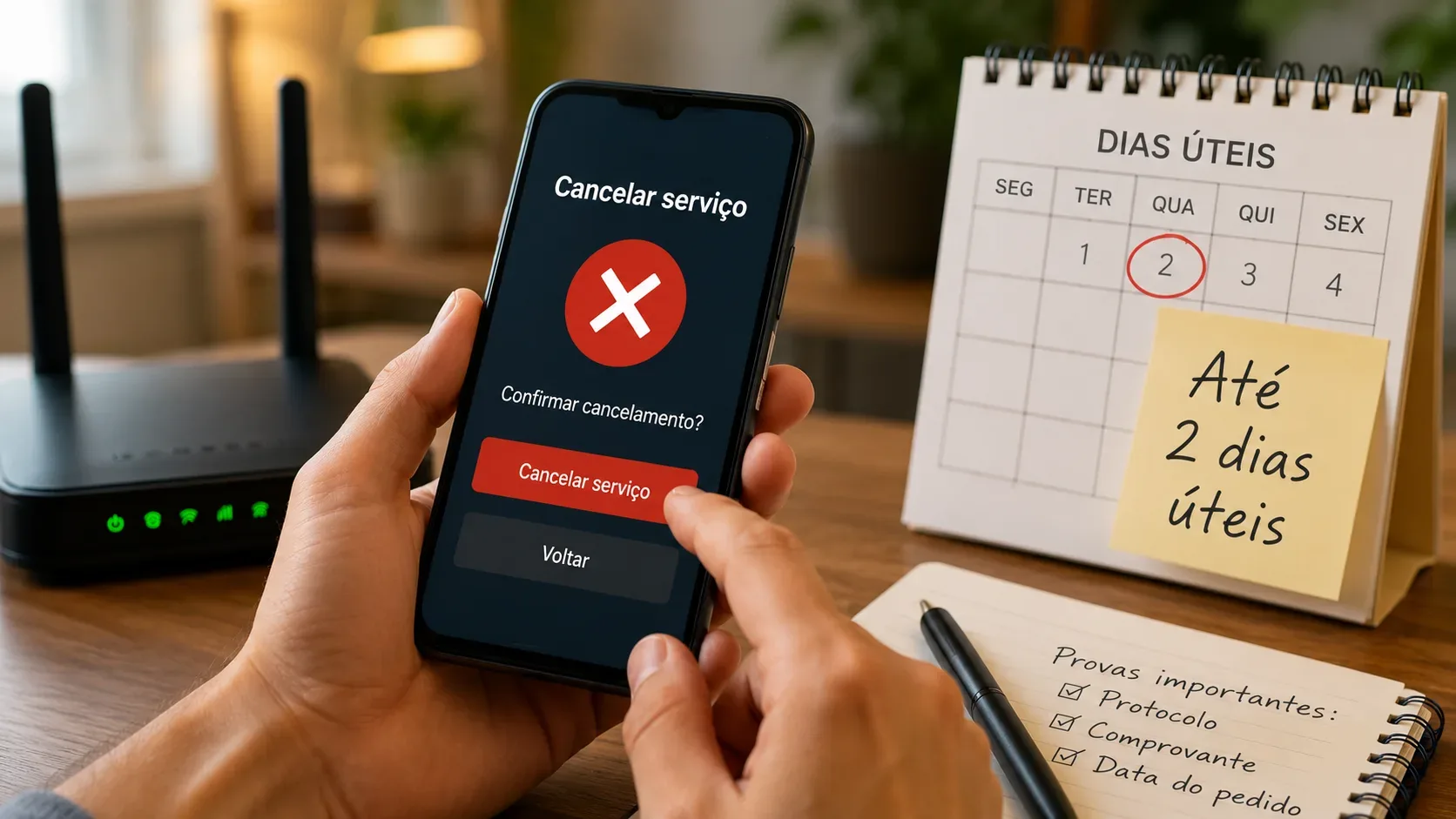
For subscribers, the practical consequence is straightforward: before deleting emails, changing plans, or ending the subscription, it is worth preserving documents that show what was purchased, for how long, at what price, what conditions were disclosed, and when advertising began to appear. These records can help reconstruct the specific situation if a charge or contractual change needs to be challenged.
What changed and came under Senacon's review
According to the official notice published by Brazil's Ministry of Justice and Public Security, the company told Senacon that ads began reaching the entire subscriber base on April 2, 2025, including consumers with fixed-term contracts still in force. Subscribers who wanted to remove advertising were offered an ad-free option for an additional R$10 per month.
The same notice, based on information provided by the company, states that the monthly plan went from R$19.90 to R$29.90 when the ad-free option is considered, while the annual plan went from R$166.80 to R$286.80. The company also said consumers had been notified on February 25 and 26, 2025, about 36 days before implementation.
| Date | What the official source records |
|---|---|
| Feb. 25-26, 2025 | Dates on which, according to the company, consumers were notified of the change. |
| Apr. 2, 2025 | Date on which, according to Senacon, the company said ads began reaching the full subscriber base. |
| Sep. 10, 2026 | Senacon announces the opening of a preliminary review of the service changes. |
Advance notice is relevant, but Senacon itself stresses that notice alone does not settle the question of fixed-term contracts that were still being performed when the change took effect.
What exactly Senacon is checking
The review announced by the agency focuses on questions that depend on the contractual situation of different groups of consumers. The points expressly mentioned include:
- the conditions in force when the subscription was purchased;
- the term of the contracts affected by the change;
- whether there was valid consent to change conditions while the contract was being performed;
- whether contractual clauses authorized changes and how those clauses were presented;
- whether relevant provisions were sufficiently clear, readable, and prominent;
- the frequency, duration, extent, and manner in which ads were inserted;
- the possibility of a manifestly excessive advantage or contractual imbalance, especially for people with fixed-term contracts.
Senacon says its analysis considers Article 51, item XIII, of Brazil's Consumer Defense Code, which addresses clauses authorizing a supplier to unilaterally change the content or quality of a contract after it has been entered into. The Code also establishes the right to adequate and clear information and provides in Article 30 that sufficiently precise information or advertising becomes part of the contract.
What Senacon has not decided
The wording used by the agency matters: this is a preliminary review. The official notice does not state that every use of ads on Prime Video is illegal, nor that every subscriber automatically has a right to a refund, damages, or the continuation of a particular plan.
The September 10 communication also contains no final decision on the validity of each contractual clause or on the effects for every type of subscription. Senacon says it will continue its analysis based on the information submitted by the company and the data gathered through market monitoring.
It is therefore more accurate to say that the agency is checking whether certain changes, in certain contractual relationships, complied with consumer-protection rules. The outcome may depend on factors such as the subscription date, the period paid in advance, the wording of the terms accepted, and the way the change was communicated.
Why fixed-term contracts receive special attention
A consumer who prepays for an annual period may have a different documentary situation from someone on a monthly renewing charge. That does not mean one model is automatically lawful or unlawful; it means the term and the conditions originally accepted are important pieces of evidence when assessing whether a change occurred during a period that had already been contracted.
Senacon's notice highlights exactly this point: the agency wants to check whether consumers who entered into fixed-term contracts under conditions that did not provide for advertising had those conditions changed before the end of the contracted period and then had to pay more to preserve the experience originally offered.
Checklist: what evidence subscribers should keep
There is no need to turn a streaming subscription into a complex legal archive. The goal is to preserve records that make it possible to reconstruct the subscription and the change. Give priority to documents showing dates, price, term, and identification of the account or plan.
| Record | Why it may be useful |
|---|---|
| Original subscription or renewal confirmation | Helps show the start date, plan type, and contracted period. |
| Terms and conditions available when the subscription was purchased | Allow comparison of the original conditions with later versions. If possible, save a file or local copy as well as the link. |
| Payment receipts and invoices | Show the price, billing frequency, and any additional charge. |
| Emails or notifications from February 2025 | May document how, when, and how prominently the change was communicated to the account. |
| Screenshots of the plan and the ad-free offer | Help record the price and choices shown to the subscriber on a particular date. |
| Screenshots of playback containing ads | May record that advertising appeared on the account and in what context. Note the date and type of content. |
| Support case numbers, chats, and emails | Show requests for clarification, responses received, and any attempt to resolve the issue. |
| Plan-change or cancellation history | Helps show when the plan was changed, the ad-free add-on was purchased, or the subscription was ended. |
Keep original files whenever possible. Screenshots are more useful when they show the date, context, and enough of the full screen to identify the situation. When sharing documents through public channels, avoid exposing passwords, full card numbers, tax IDs, or other unnecessary personal data.
How to organize the records without losing context
A simple folder may be enough. Arrange files chronologically and use dates in file names, such as 2025-02-25-change-email.pdf, 2025-04-02-ad-screen.png, and 2025-04-invoice.pdf. In a text file, note when the subscription began, whether it was monthly or annual, the last renewal date before the change, and any support case numbers.
This timeline reduces the chance of mixing different events and makes it easier to explain the case objectively. The most useful approach is not to accumulate dozens of repetitive images, but to preserve documents that show the sequence: contracted condition → change notice → implementation → charge or effect observed → contact with the company.
The ad-free option exists, but it does not remove advertising from all content
The Prime Video help page states that the ad-free subscription is available in Brazil. It also explains that some content may still contain advertising, including free ad-supported programming, live TV, and sports events. This detail matters because it prevents the contractual-change discussion from being confused with an expectation of absolutely no promotional messages in every type of content.
If you want to challenge the change, start by recording the problem objectively
Subscribers who believe their specific situation warrants review can first contact the company and keep the case number and response. If the dispute is not resolved, the consumer can check the company's availability on Consumidor.gov.br or contact the appropriate Procon consumer-protection office. The public service itself recommends gathering contracts, payment records, and support protocols whenever possible.
When writing a complaint, describe verifiable facts: when you subscribed, what period had been paid for, what condition was offered, when you received notice, when ads began appearing, and whether there was an additional charge for an ad-free option. Avoid presenting as established fact an illegality that is still under review; focus on the difference between what was contracted and what actually happened on your account.
What is the status of the case now
As of September 11, 2026, the confirmed fact is that Senacon opened a preliminary review and disclosed the issues it says it is examining. The next stage depends on the continuation of that analysis and on any future official statements or decisions.
For subscribers, the most useful step at this stage is documentary: preserve the version of the contract and offer you received, change notices, charges, and support records. That makes it possible to assess the case using concrete evidence, whatever Senacon's eventual conclusion may be.