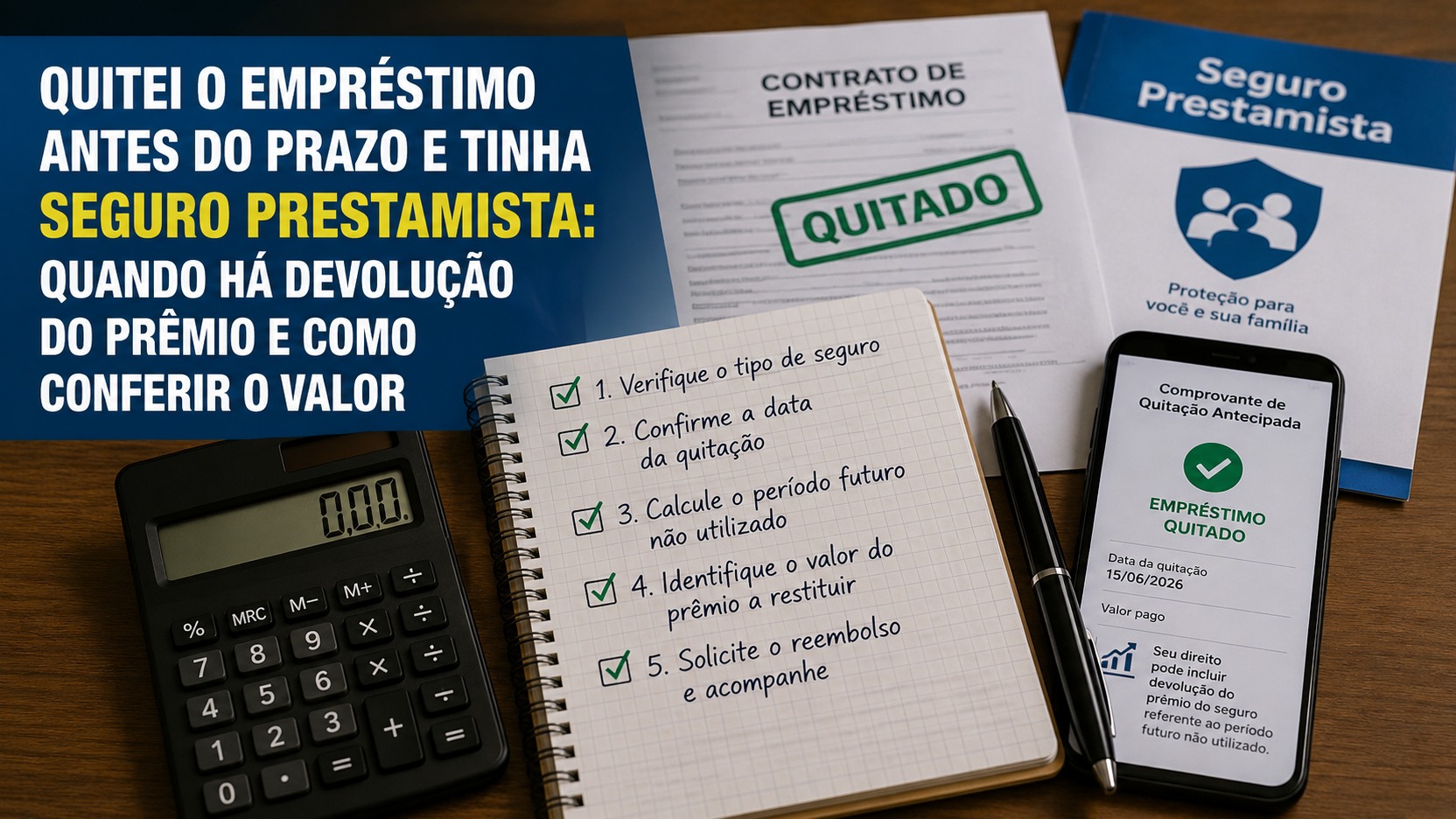
If you paid off a loan before the due date and there was credit life insurance tied to the debt, there are two different calculations to check. The first concerns the credit itself: early payoff proportionally reduces future interest and other charges. The second concerns the insurance: if a premium was paid in advance for a coverage period that ceased to exist when the loan was paid off, that amount may be refundable.
The guidance from Brazil's Superintendence of Private Insurance (Susep) is direct for credit life insurance: when the debt is paid off early, the premium paid in advance for the remaining period must be returned to the insured. In its guidance on personal insurance, the authority also states that early extinction of the obligation automatically cancels the insurance, with formal notice to the insurer and, where applicable, a refund of the premium corresponding to the future period.
That does not mean, however, that every early payoff produces an extra deposit. The decisive point is to find out how the premium was charged, which period it paid for, and what cancellation and recalculation rule appears in the insurance terms.
First, separate the debt discount from the insurance refund
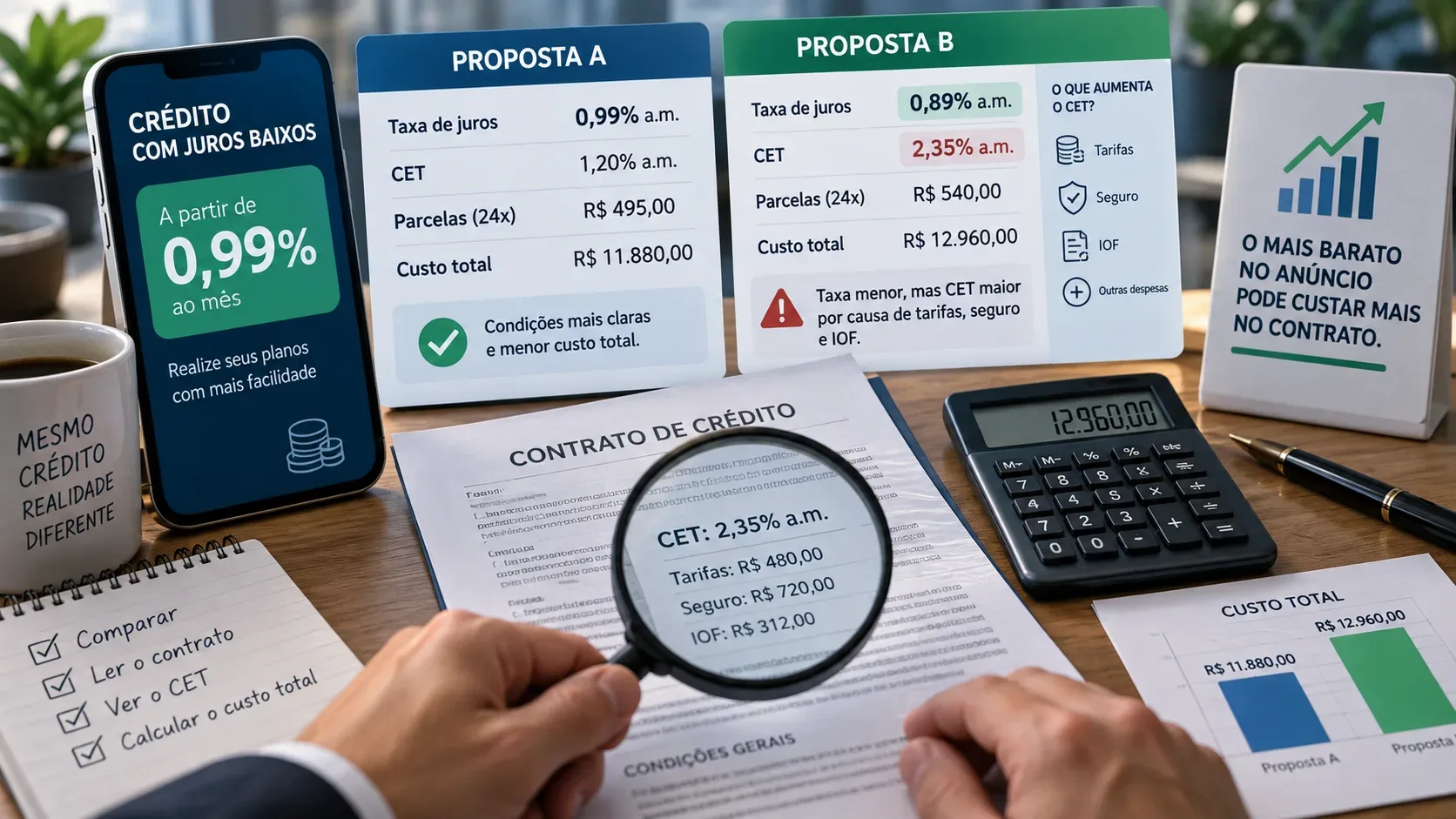
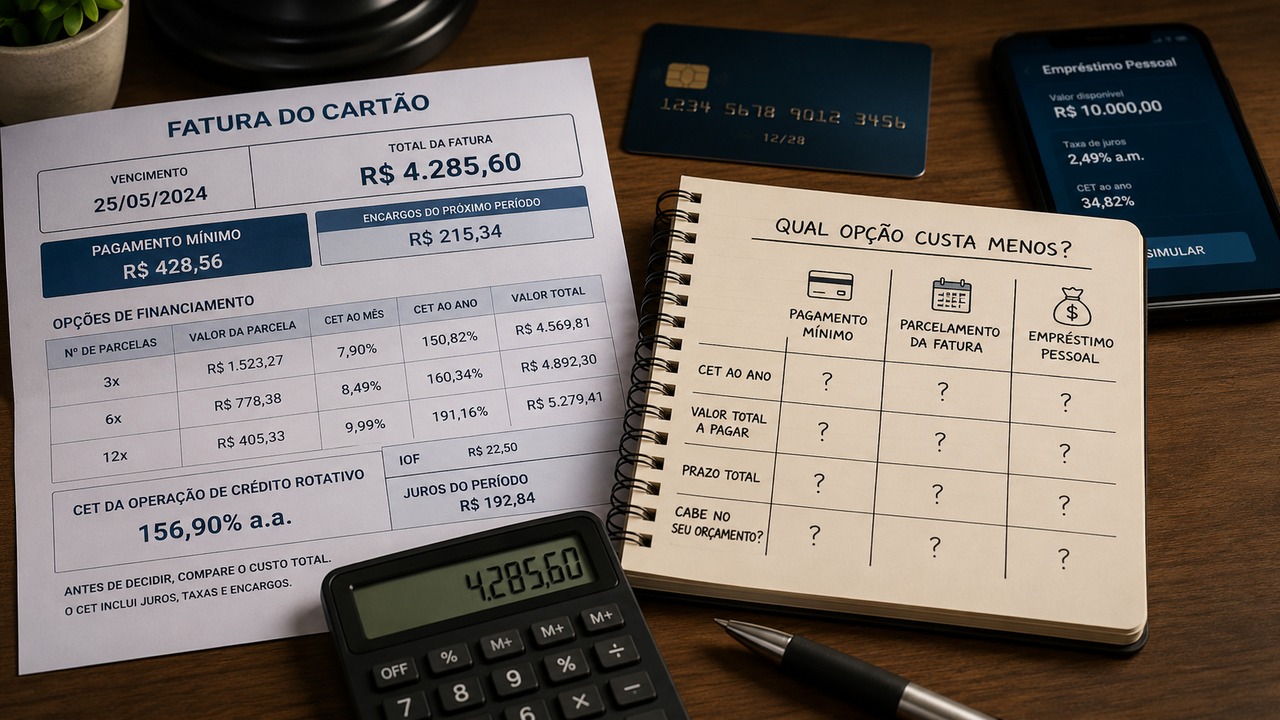
The Central Bank of Brazil defines early settlement as the partial or total payoff of a debt before maturity, with a proportional reduction in interest and other charges, according to the contract. This discount is part of the loan calculation and would exist even if there were no credit life insurance.
The insurance premium, by contrast, is the amount paid for insurance coverage. When part of that premium was paid in advance to cover months that will no longer exist because the obligation ended, the issue is different: it concerns the portion of the insurance corresponding to the remaining period.
This distinction is especially important when the premium was included in the financed amount. In that case, early payoff may reduce interest that would have accrued on the
financed balance, including the portion of the premium that was financed. That interest reduction does not, by itself, prove that the insurance refund was made. To complete the review, you also need to identify what happened under the insurance contract.
When there is premium to refund
Single premium or premium paid in advance for the full term
This is the case in which the possibility of a refund is clearest. If the insured paid, at the beginning, a premium intended for a term that would follow the debt and the obligation ended earlier, there is a future period that will no longer be covered. Susep states that the prepaid premium corresponding to that remaining period must be returned.
Under CNSP Resolution No. 439/2022, the term of credit life insurance may not exceed the term of the obligation to which it is linked when the debt has a scheduled end date. Susep Circular No. 667/2022 also requires the policy terms to address early extinction of the obligation and to state that the insured may cancel the insurance at any time.
Premium charged month by month
If the charge was monthly and each payment compensated only for the period that actually elapsed, there may be no future premium already paid to refund. The insurance ends with the obligation, but the refund may be zero because no future coverage had been paid for in advance.
That is why looking only at the existence of the insurance or at the total amount projected over the entire loan can be misleading. The relevant document is the one that shows how much was actually paid to the insurer, on which dates, and for which risk period.
Premium that varies with the balance or another parameter
Some credit life insurance products use a variable insured amount and objective criteria tied to the obligation. Susep Circular No. 667/2022 requires the contract to state the recalculation criterion for the insured amount and, when applicable, for the corresponding premium. In those cases, dividing the original premium by the number of months can produce a misleading estimate.
How to check the amount without mixing the two calculations
1. Find the insurance certificate or policy
Look for the insurer's name, the policy or individual certificate number, the start and end dates of coverage, the premium, the payment method, and the obligation to which the insurance was linked. Susep Circular No. 667/2022 requires credit life insurance to be formalized in its own document, separate from the debt documents, and requires that document to identify the insured obligation.
If you only have the loan agreement, ask the bank or correspondent for the insurance documents and confirm which company is the insurer. The bank may have sold or intermediated the product without being the company responsible for the coverage.
2. Pin down the date on which the debt was actually extinguished
Use the payoff receipt, settlement statement, or equivalent document. Do not confuse the date on which you requested the payoff amount with the date on which payment was actually recognized and the obligation ended.
That date should be compared with the originally scheduled end of coverage. The difference between those moments reveals whether there was a future period that potentially went unused.
3. Find out how the premium was paid
Check whether there was a single premium, a premium financed together with the loan, a separate monthly charge, or some variable model. This point completely changes how the result should be read.
If the premium was embedded in the financing, look in the contract and in the transaction statement for the portion corresponding to the insurance. Then confirm with the insurer how much it received and which coverage period was associated with that amount. What matters for the refund is the insurance premium related to the period that ceased to run, not merely the accounting balance of the loan.
4. Ask the bank for the payoff calculation breakdown
The Central Bank of Brazil states that, in an early settlement process, the financial institution must provide, when requested, a copy of the signed contract and a worksheet showing the origin and evolution of the debt, including the interest charged, proportional discounts, and the payoff balance.
That worksheet is useful for auditing the credit calculation. It helps confirm how much future interest and other charges were deducted, but it does not replace the insurance calculation breakdown.
5. Ask the insurer for the specific refund calculation
Request the insurance cancellation date, the total premium actually paid, the coverage period already used, the remaining period, the contractual rule applied, and the amount refunded or the reason why no refund is due.
If the company says the amount was already offset in the loan payoff, ask for a demonstration of that offset. The calculation should make it possible to identify separately the reduction in credit charges and the destination of any unused insurance premium.
A simple calculation can be a test, but not a conclusion
As an example only, imagine a single premium of R$ 600 for twelve months of coverage. If the obligation ended after five months and the contract provided for strictly time-proportional allocation, a review calculation would consider seven months remaining, or 7/12 of the premium, which would equal R$ 350.
This example is not a universal formula. It works only as a consistency check when the contract itself uses simple time proportionality. If the premium varied with the outstanding balance, the insured amount, or another parameter, the calculation breakdown must follow the contracted criterion. The current regulation requires those criteria to be provided in the insurance terms.
Signs that the review is not finished yet
The answer deserves another check when the institution shows only the loan interest discount and does not explain the destination of the insurance; when the premium appears in the contract but the insurer is not identified; when the insurance cancellation date is later than the payoff date without explanation; or when there is a refund amount
without a calculation breakdown sufficient to understand the period and rule used.
It is also a warning sign to receive the generic statement that personal insurance never refunds premiums. In risk coverage, cancellation should indeed not be confused with redeeming a reserve. But Susep itself gives specific guidance for credit life insurance: the premium paid in advance for the remaining period must be refunded when the debt is paid off early.
Where to complain if the numbers do not add up
If the question is about the insurance refund, start with the insurer's official service channels, keep the protocol number, and ask for a response with the documents and calculation breakdown. Susep advises that complaints not resolved by the company's customer service and ombudsman be taken to Consumidor.gov.br.
If the problem lies in the payoff calculation itself - the balance, interest, or proportional discounts - the issue is with the bank or financial institution. The Central Bank recommends starting with the institution's customer service and ombudsman. If there is no solution, the consumer may turn to Procon, Consumidor.gov.br, and may also file a complaint with the Central Bank. The BC clarifies that it does not decide individual cases, although it forwards complaints to institutions and uses those records in supervision.
What is in force in 2026
Law No. 15,040/2024, known as the Insurance Contract Law, entered into force on December 11, 2025. In August 2026, Susep still identifies CNSP Resolution No. 439/2022 and Susep Circular No. 667/2022 as the main rules for personal insurance. In March 2026, the authority opened a public consultation to update that regulation to the new law and stated that the review of Circular 667 would come at a later stage.
For a practical review today, therefore, the safest combination is to use Susep's specific guidance on refunding the future premium, read the terms of your insurance, and require separate calculations for the credit and the insurance coverage.
The final review comes down to four numbers and two documents
In the end, you need to be able to answer four questions with documents: how much premium was actually paid; what the scheduled coverage term was; on what date the debt was extinguished; and what portion of the premium was associated with the period that would no longer be covered.
On the bank side, the settlement worksheet should show the reduction in interest and the payoff balance. On the insurer side, the certificate or policy and the calculation breakdown should explain the cancellation and any refund. When these two calculations are shown separately, it becomes much easier to know whether the refund was correct, whether there was no future premium to refund, or whether an amount is still owed.
This is general guidance based on the official rules and guidance available in August 2026. For contracts with specific terms, significant amounts, or a persistent disagreement, reviewing the insurance document and the credit agreement is essential.