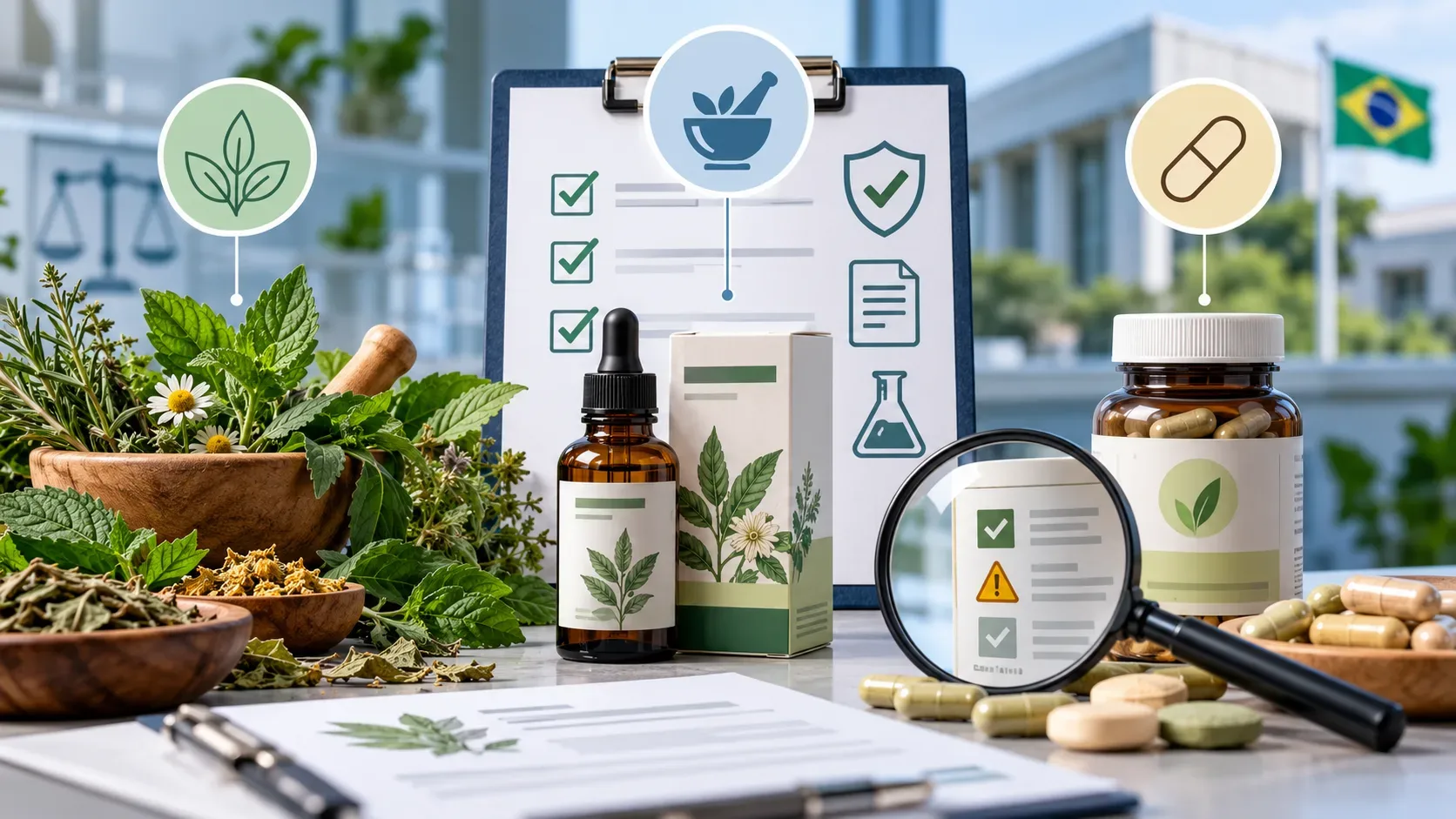
Medicinal plant, herbal medicine or supplement: what Anvisa assesses
Understand how medicinal plants, herbal medicines and food supplements differ, how they are regulated, what to read on labels and key safety warnings.
Read articleRooted in Evidence investigates medicinal plants and teas by combining scientific studies, official monographs, safety information, and traditional knowledge, clearly separating clinical evidence, historical use, and hypothesis.
Explore articlesThe most important content to start with.
Understand how medicinal plants, herbal medicines and food supplements differ, how they are regulated, what to read on labels and key safety warnings.
Read articleOther selected strategic content.
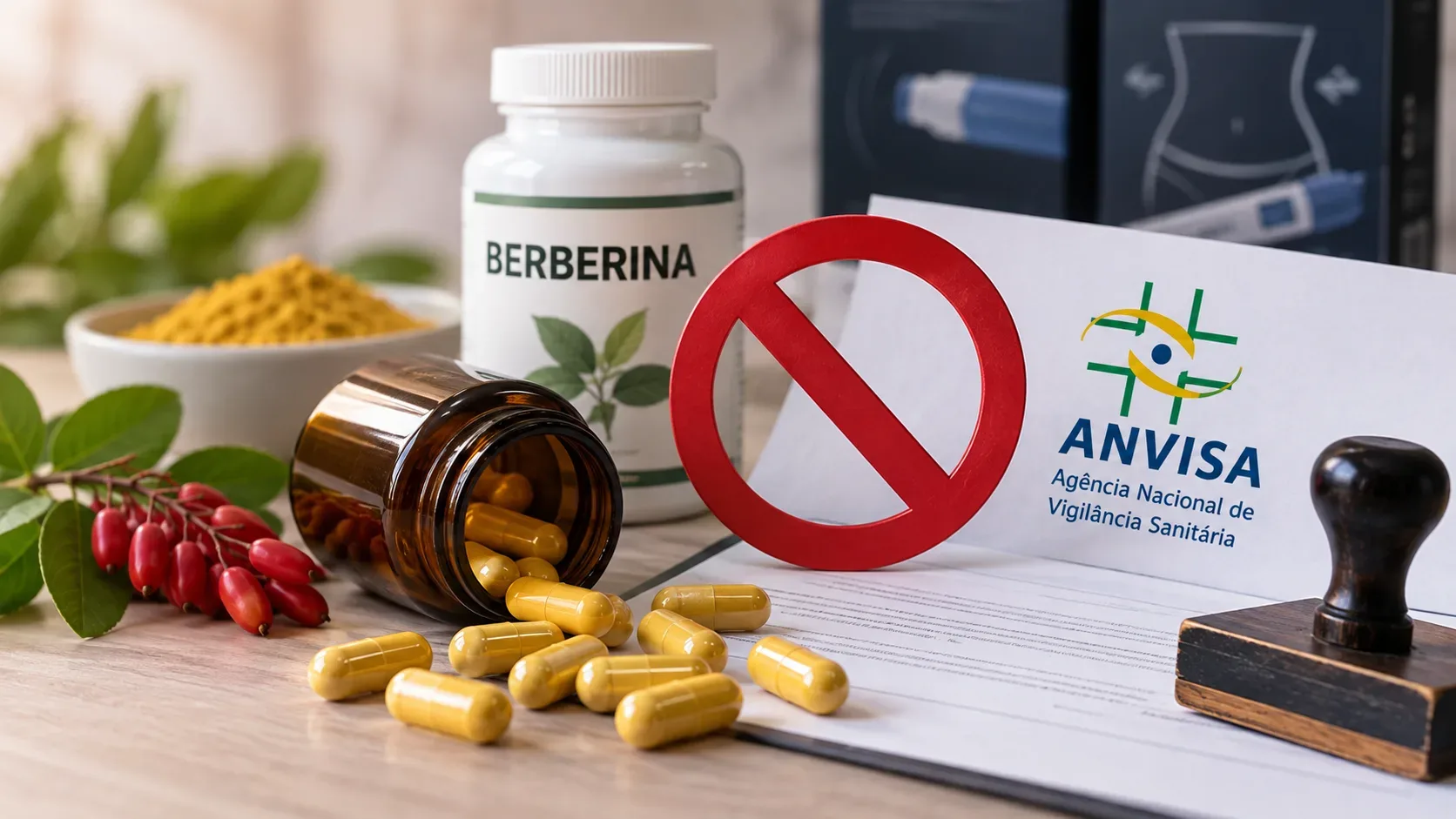
The September 11, 2026 decision targets unregularized berberine-based products marketed with a “Natural Ozempic” appeal; here is what the measure actually means.
Read article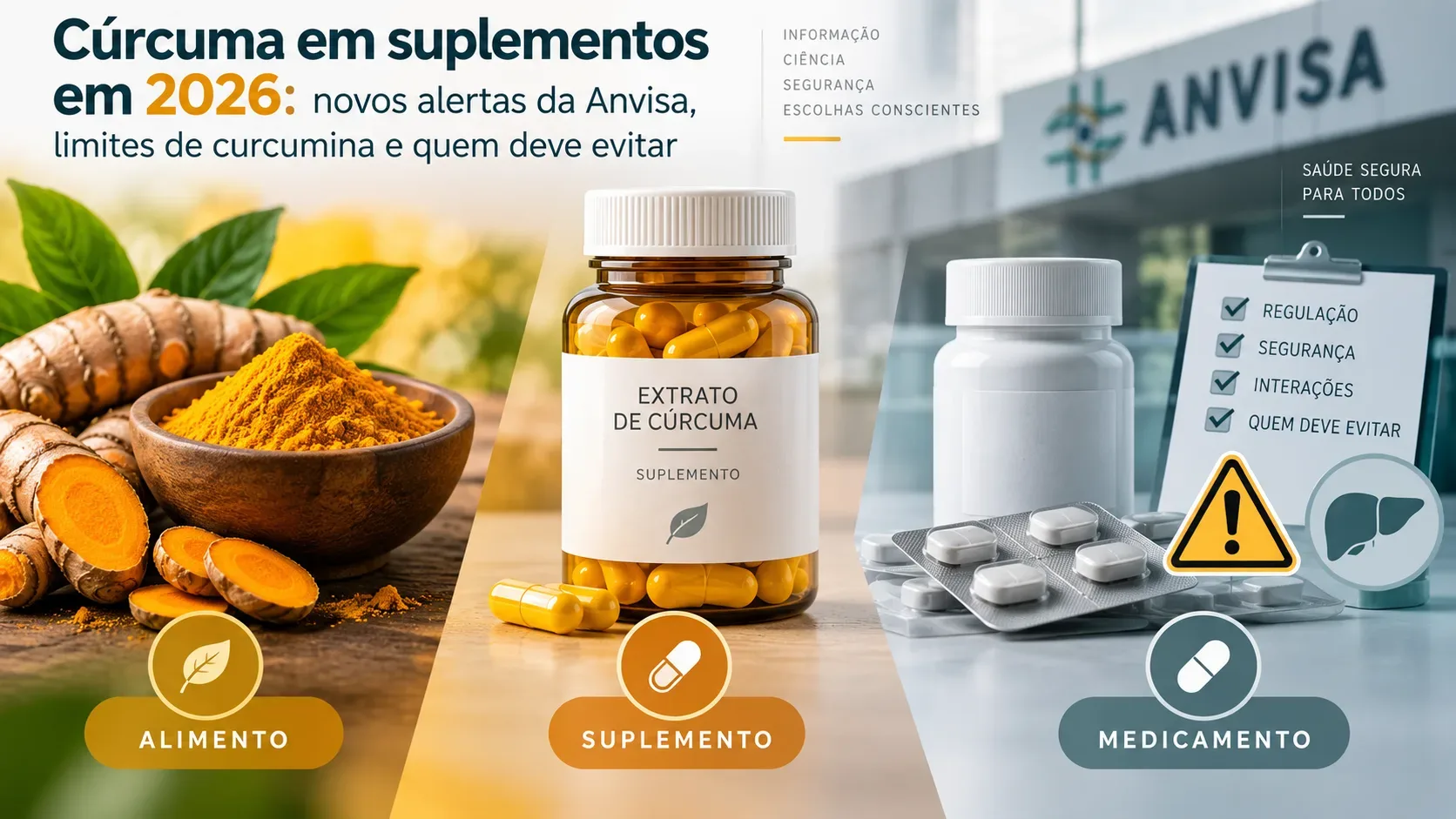
Understand the new curcuminoid limits, Anvisa's mandatory warning, who should avoid turmeric supplements and why ordinary culinary turmeric is not the focus of the alert.
Read article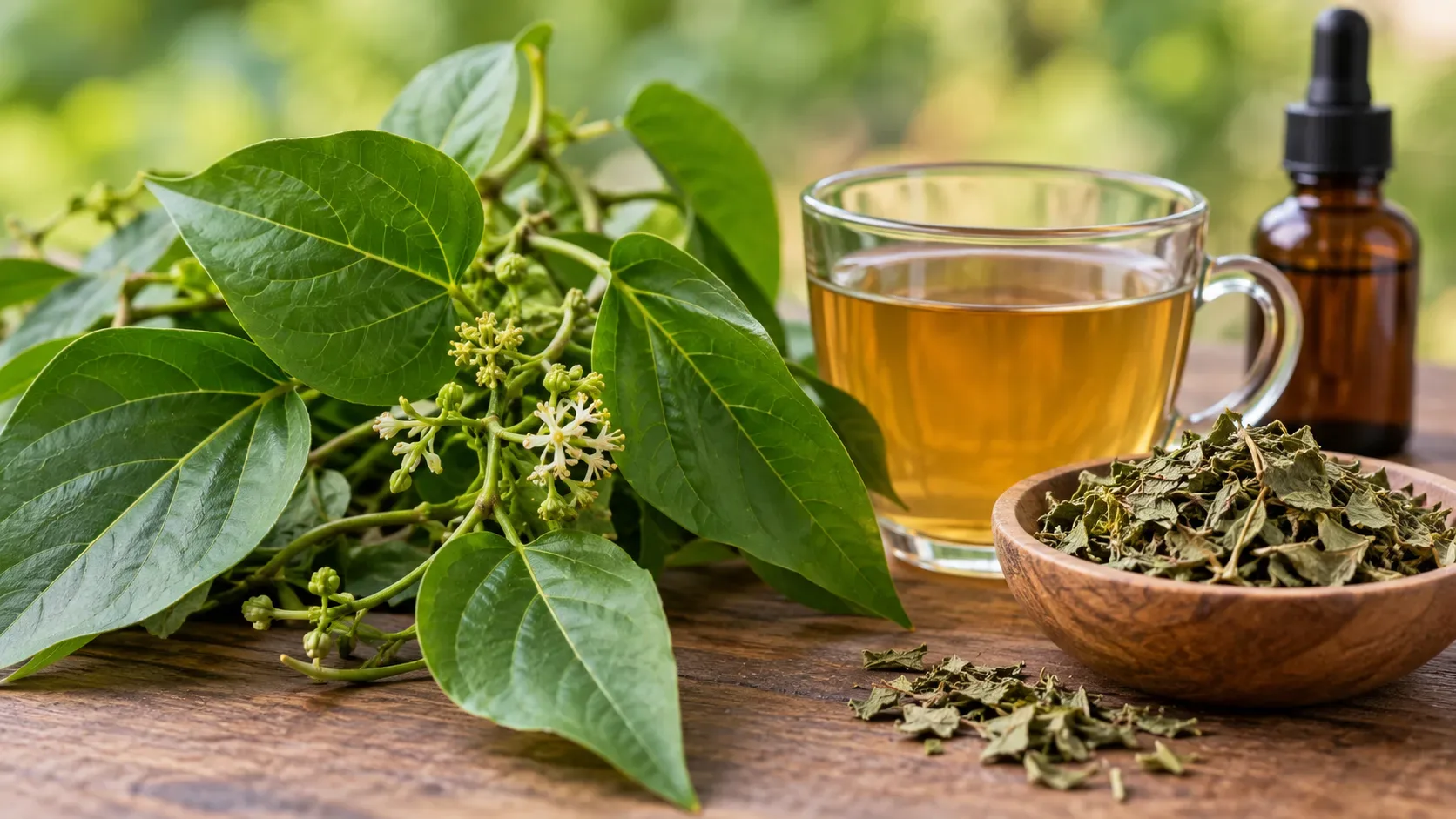
Anvisa’s monograph classifies guaco under traditional use, with specific preparations, doses, duration limits, and interactions that restrict broader claims.
Read articleBrowse the blog main topics.
Recent posts and new content.
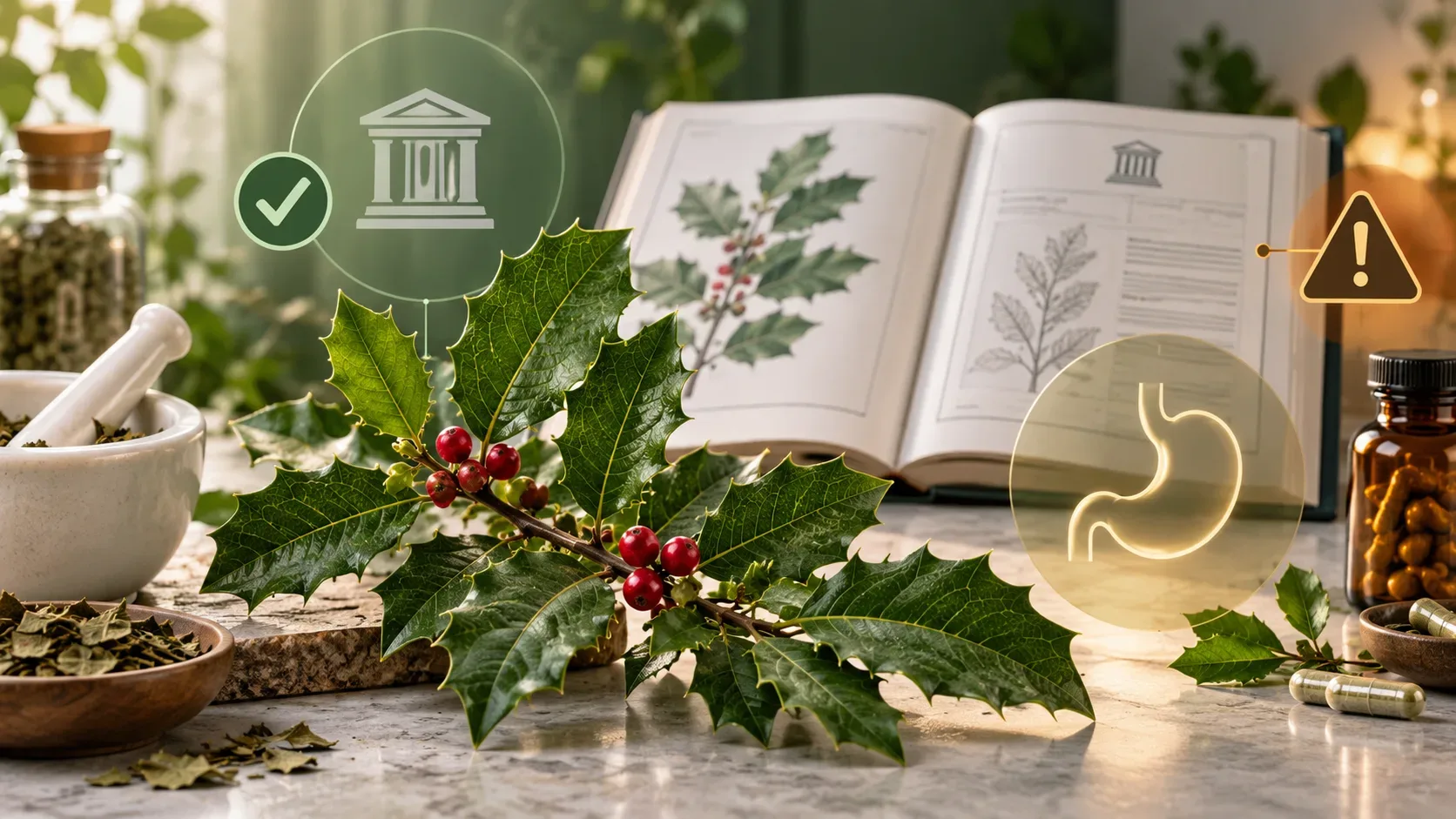
Brazilian official sources recognize traditional use of espinheira-santa for relief of heartburn and dyspepsia, but that is not the same as curing gastritis, reflux disease, or ulc...
Read article
Anvisa’s new framework updated herbal-medicine registration, quality controls, and monographs. Here is what the simplified pathway establishes — and what it does not.
Read article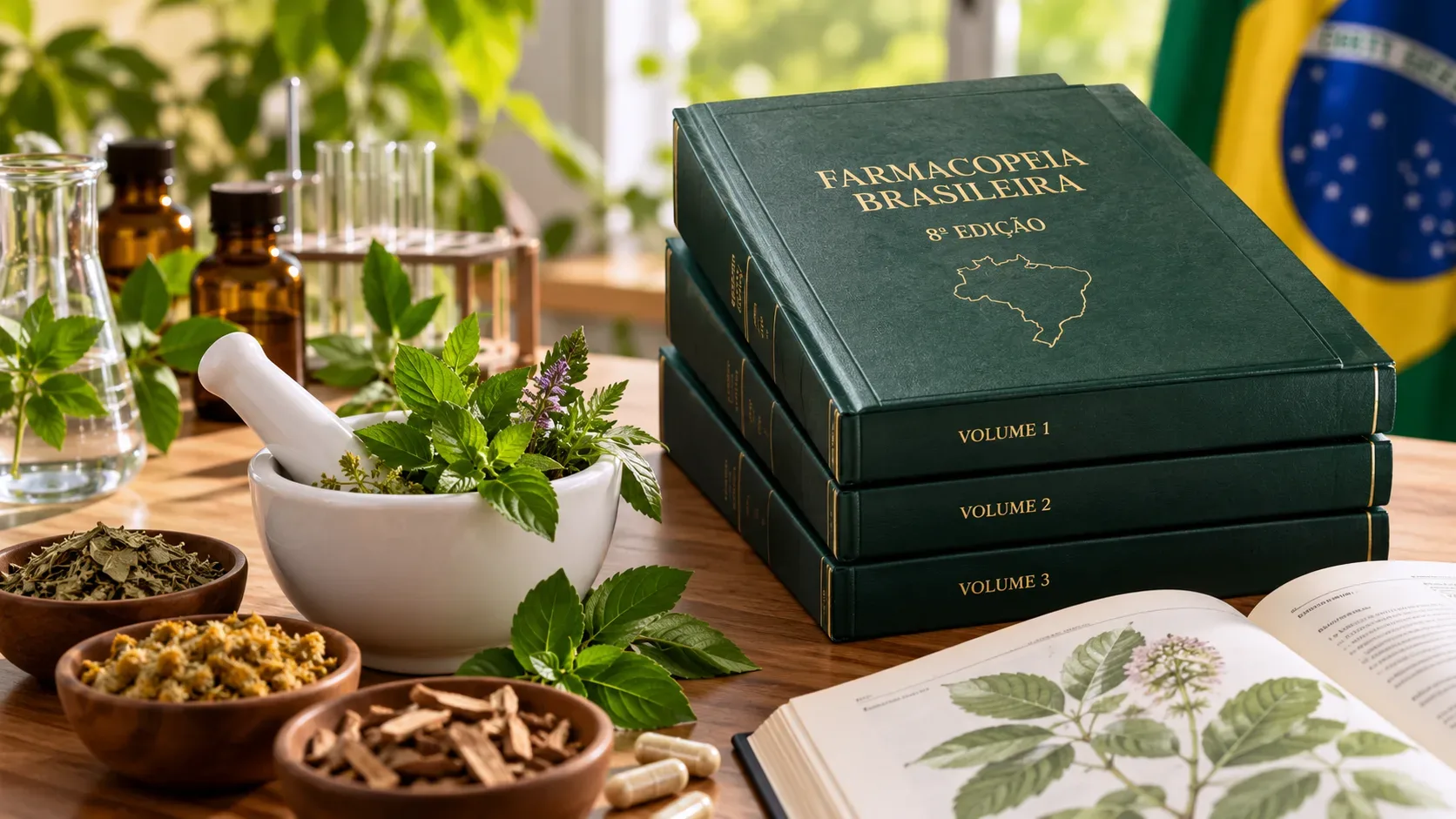
The 8th edition updates medicinal-plant monographs and methods. Learn how to read the compendium without confusing quality control with clinical efficacy.
Read articleUnderstand how medicinal plants, herbal medicines and food supplements differ, how they are regulated, what to read on labels and key safety warnings.
Read articleThe September 11, 2026 decision targets unregularized berberine-based products marketed with a “Natural Ozempic” appeal; here is what the measure actually means.
Read articleUnderstand the new curcuminoid limits, Anvisa's mandatory warning, who should avoid turmeric supplements and why ordinary culinary turmeric is not the focus of the alert.
Read articleAnvisa’s monograph classifies guaco under traditional use, with specific preparations, doses, duration limits, and interactions that restrict broader claims.
Read articleContent with the most views.
Contraindications, adverse effects, identification, drug interactions and situations that require professional guidance.
Understand how medicinal plants, herbal medicines and food supplements differ, how they are regulated, what to read on labels and key safety warnings.
Read articleThe September 11, 2026 decision targets unregularized berberine-based products marketed with a “Natural Ozempic” appeal; here is what the measure actually means.
Read articleUnderstand the new curcuminoid limits, Anvisa's mandatory warning, who should avoid turmeric supplements and why ordinary culinary turmeric is not the focus of the alert.
Read articleMonographs, regulation, SUS, Anvisa and official references on medicinal plants and herbal medicines.
Anvisa’s monograph classifies guaco under traditional use, with specific preparations, doses, duration limits, and interactions that restrict broader claims.
Read articleBrazilian official sources recognize traditional use of espinheira-santa for relief of heartburn and dyspepsia, but that is not the same as curing gastritis, reflux disease, or ulc...
Read articleAnvisa’s new framework updated herbal-medicine registration, quality controls, and monographs. Here is what the simplified pathway establishes — and what it does not.
Read articleThe 8th edition updates medicinal-plant monographs and methods. Learn how to read the compendium without confusing quality control with clinical efficacy.
Read articleRooted in Evidence is a blog dedicated to medicinal plants, herbs, teas, and the knowledge built around them over time.
Each piece seeks to separate three different dimensions: uses documented among peoples and traditions, findings from scientific research, and known limits or risks.
Traditional use is not automatically presented as evidence of clinical effectiveness. Likewise, a result obtained with an extract, capsule, or standardized formulation is not automatically attributed to a homemade tea.
Whenever possible, we use scientific studies, systematic reviews, official monographs, the Brazilian Pharmacopoeia, and ethnobotanical sources. Health-related content should present relevant contraindications, interactions, and limitations.
The blog is informational and does not replace assessment, diagnosis, or treatment by a healthcare professional.