

Successive percentages: why do two 20% discounts not add up to 40%?
Learn why two successive 20% discounts equal 36%, with a changing calculation base, formula, and worked examples.
Read articleMathematics explained step by step, with worked examples, visual reasoning, and explanations that show how and why each concept works.
Learn why two successive 20% discounts equal 36%, with a changing calculation base, formula, and worked examples.
Read article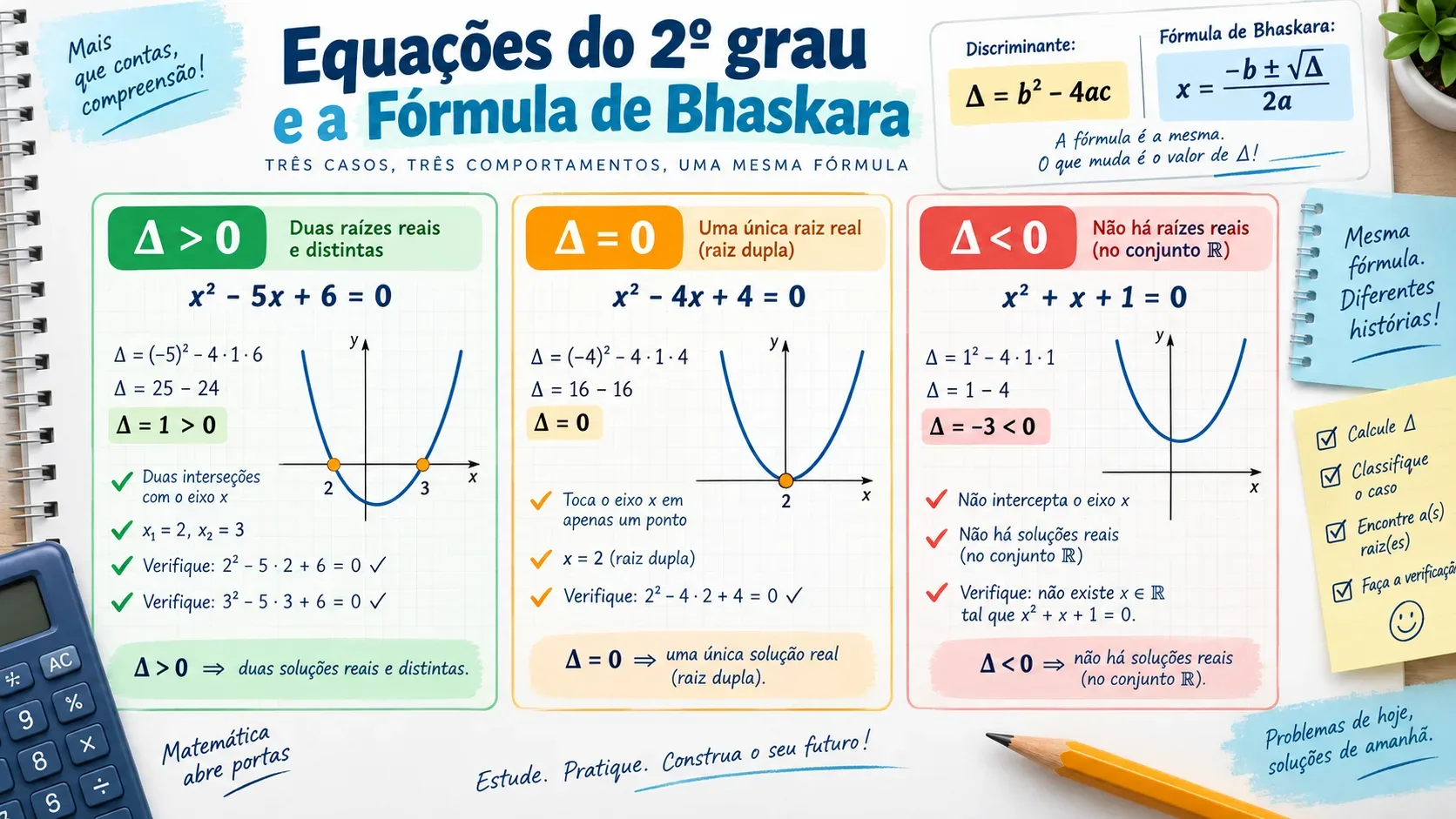
Learn to identify a, b, and c, calculate the discriminant, and solve three quadratic equations, including repeated roots and cases with no real solution.
Read article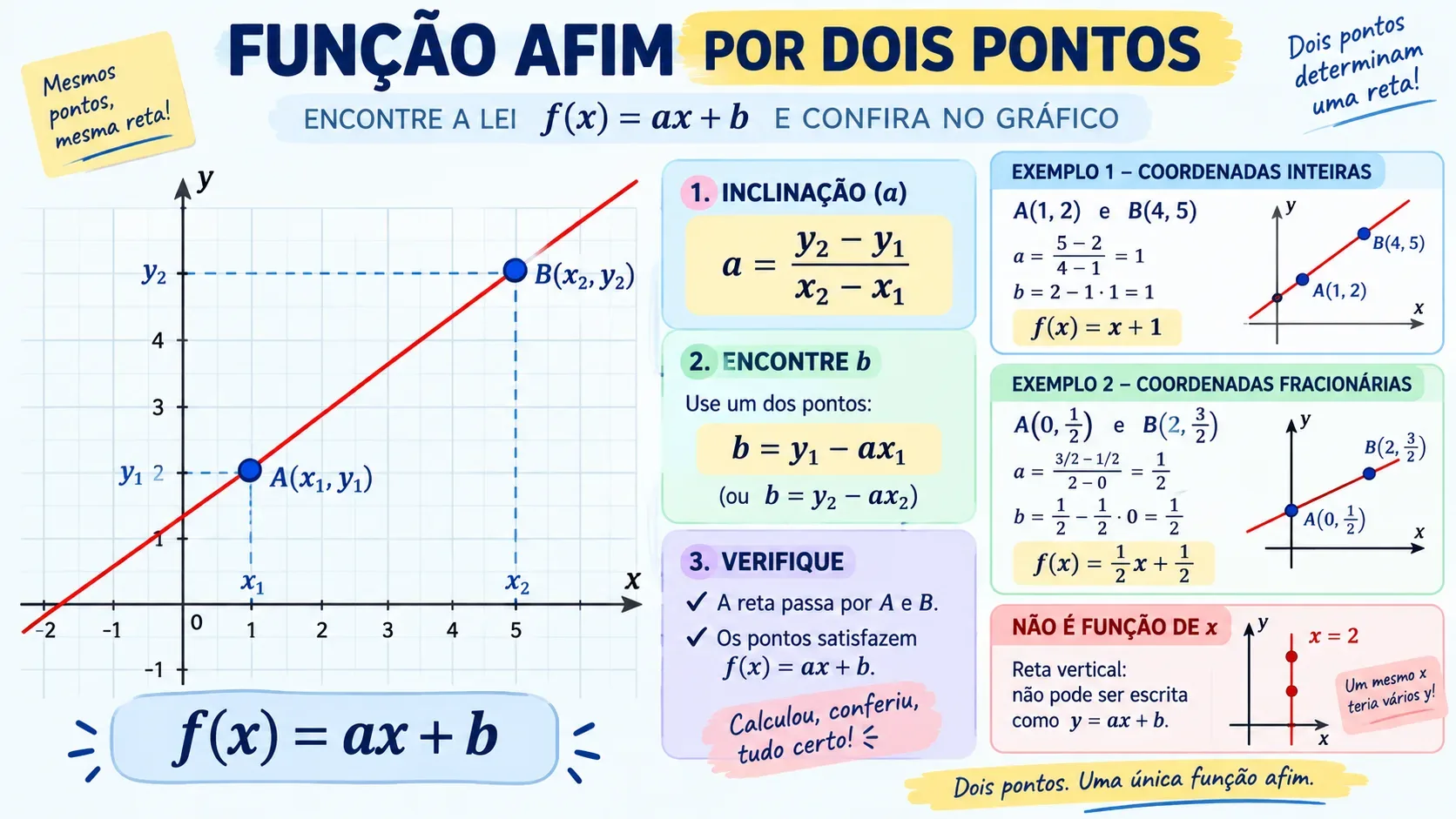
Learn to calculate a and b from two points, verify the equation on a graph, and recognize when a vertical line is not a function of x.
Read article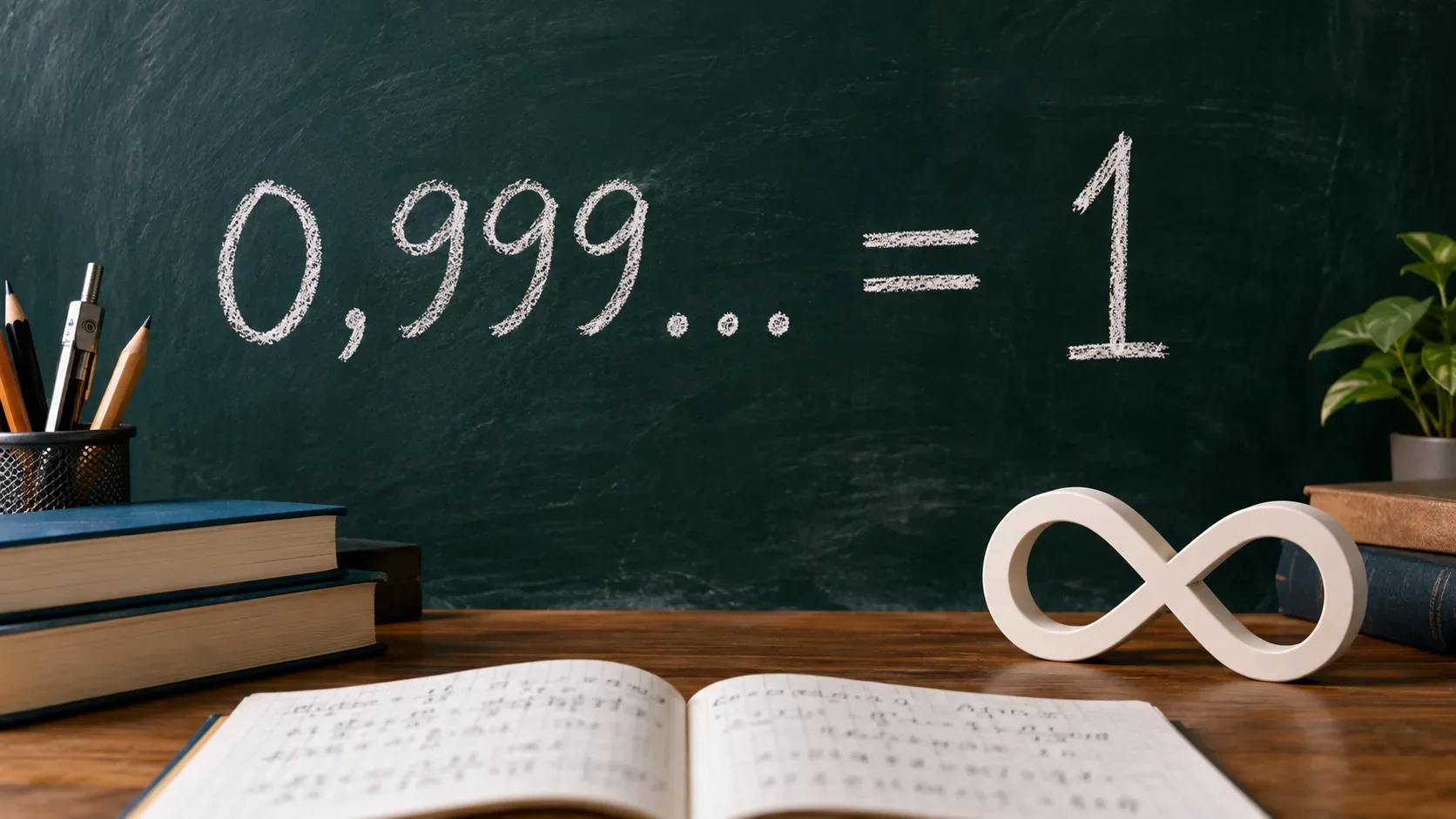
Understand why 0.999... is exactly 1 through three proofs: algebra, 1/3, and a series/limit argument — and why there is no “last 9.”
Read article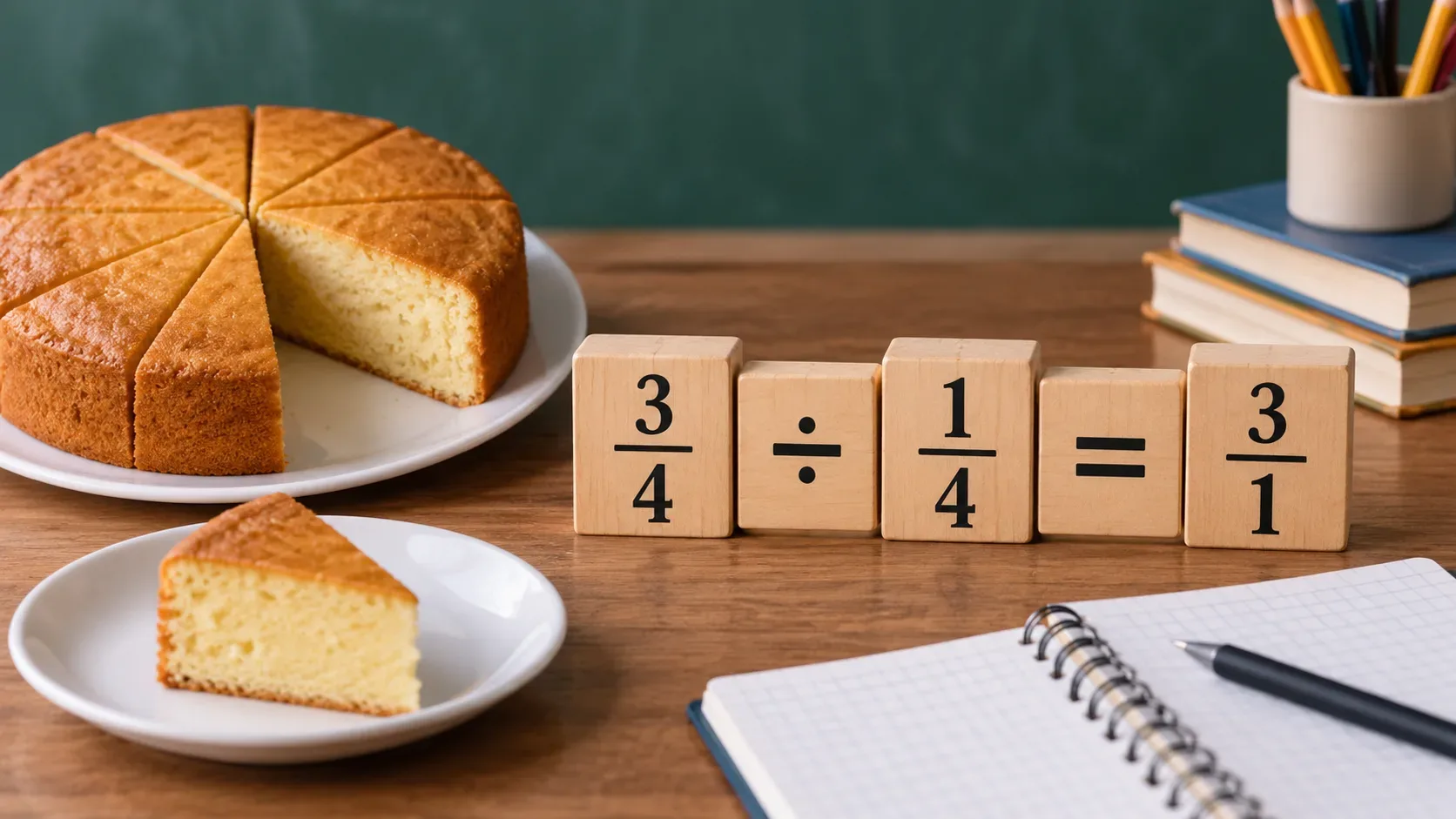
See why fraction division becomes multiplication by the reciprocal using groups, scaling, and algebra — all with the same example.
Read article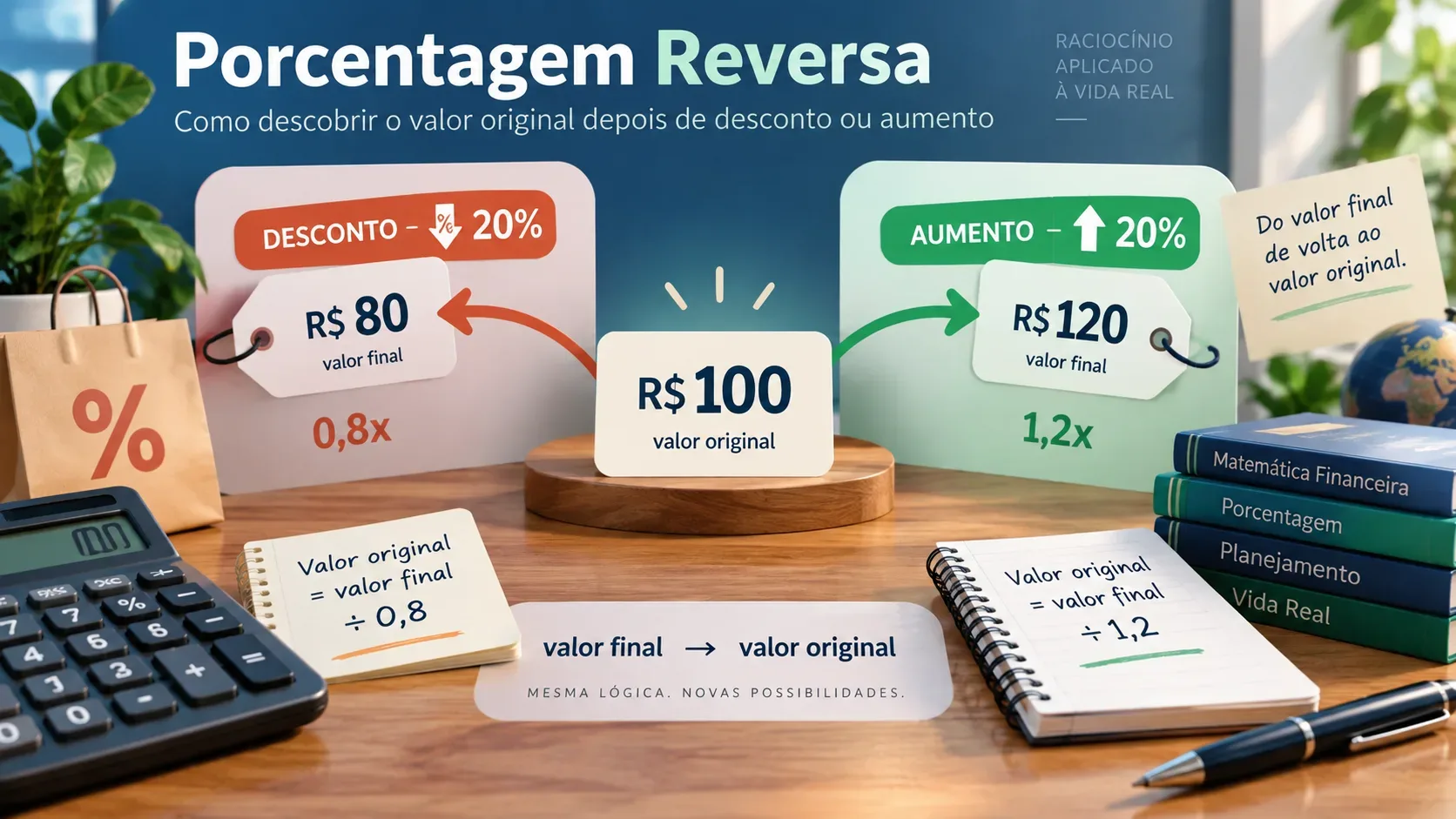
Learn how to recover the original value from a known final value by using the correct multiplier for discounts and increases, with worked examples and checks.
Read article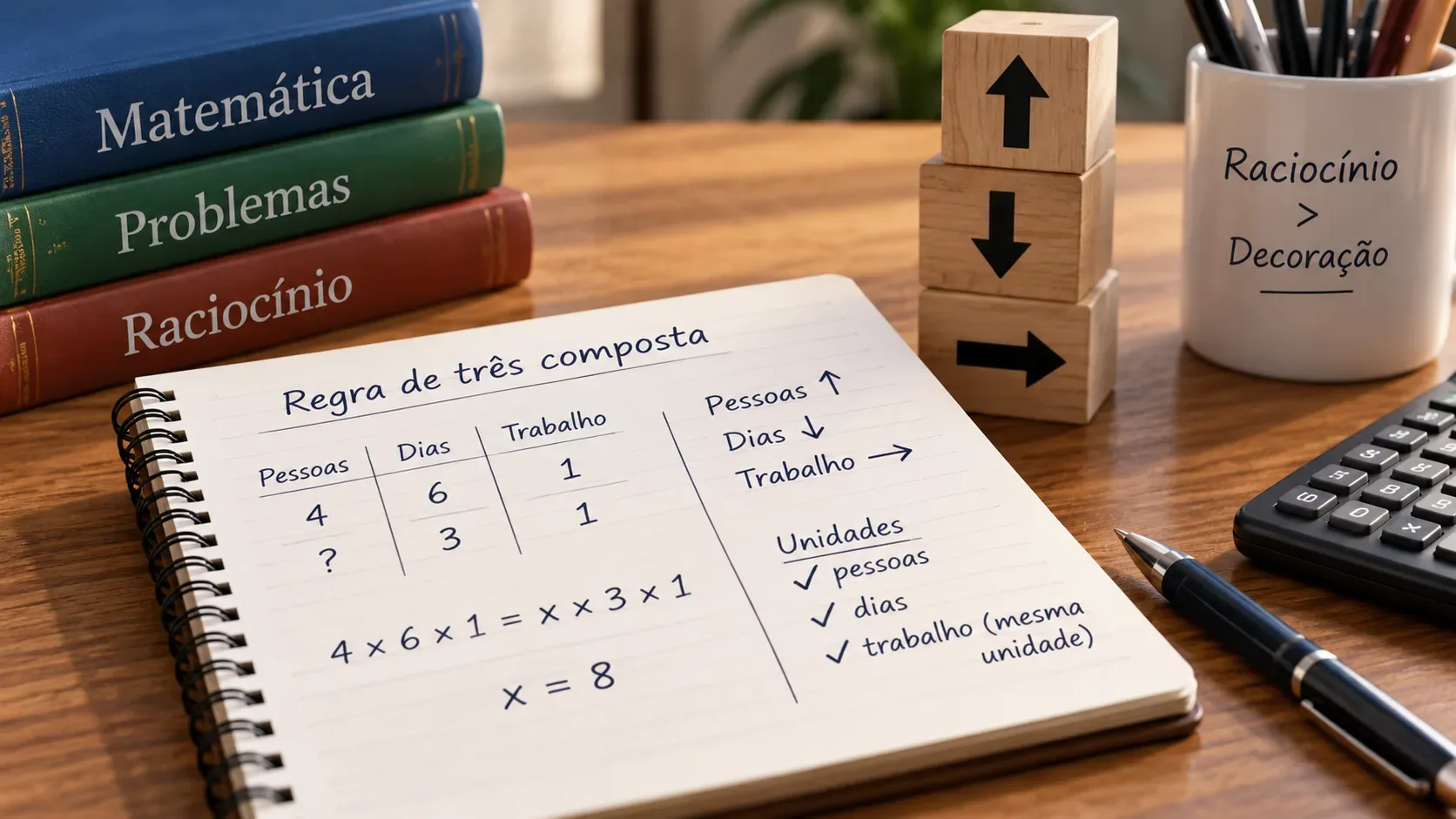
Learn to identify direct and inverse relationships logically, solve two compound proportion problems, and check results with units and order of magnitude.
Read article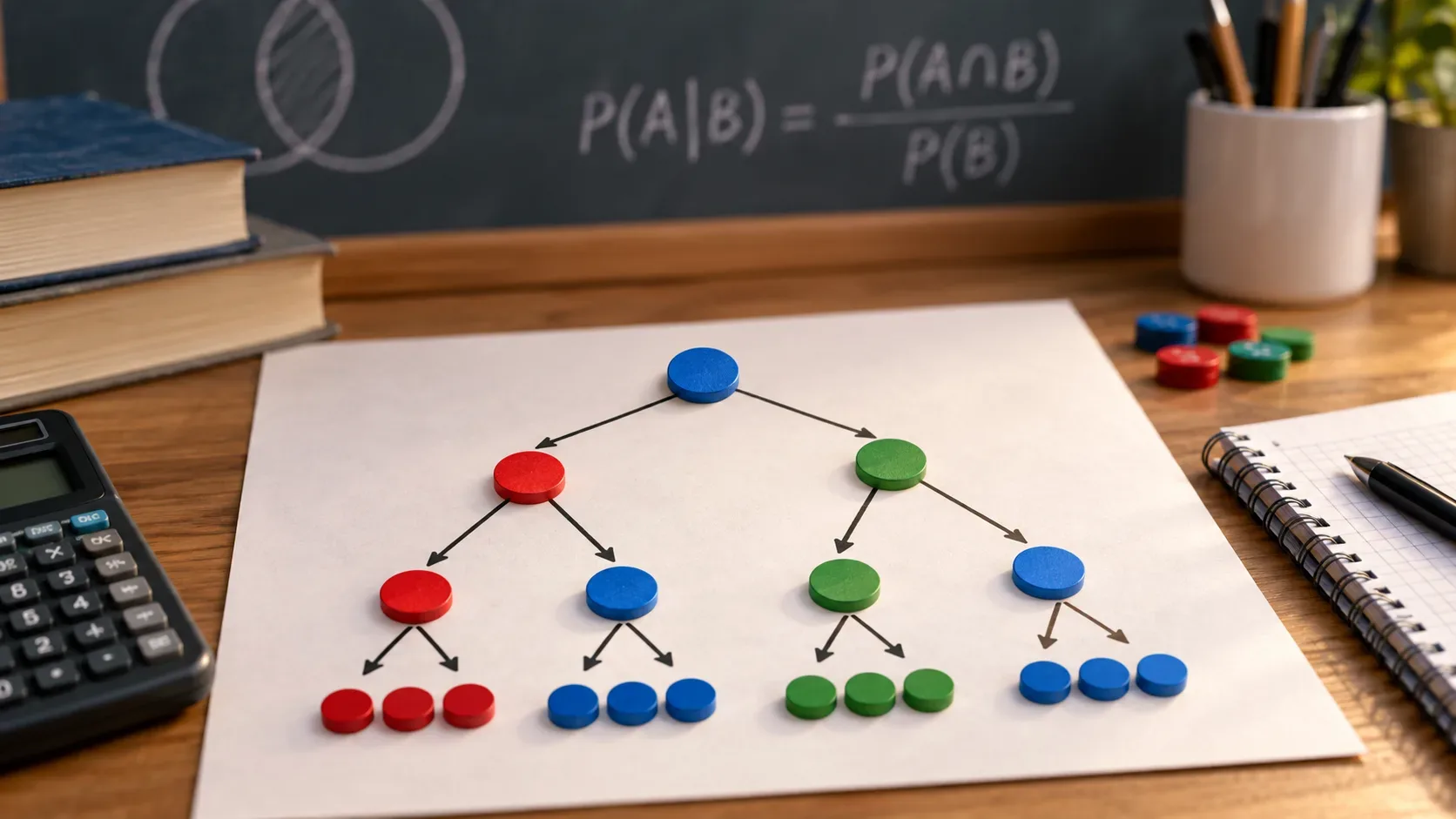
Learn to read a conditional probability tree: multiply paths, add alternatives, and renormalize after receiving new information.
Read article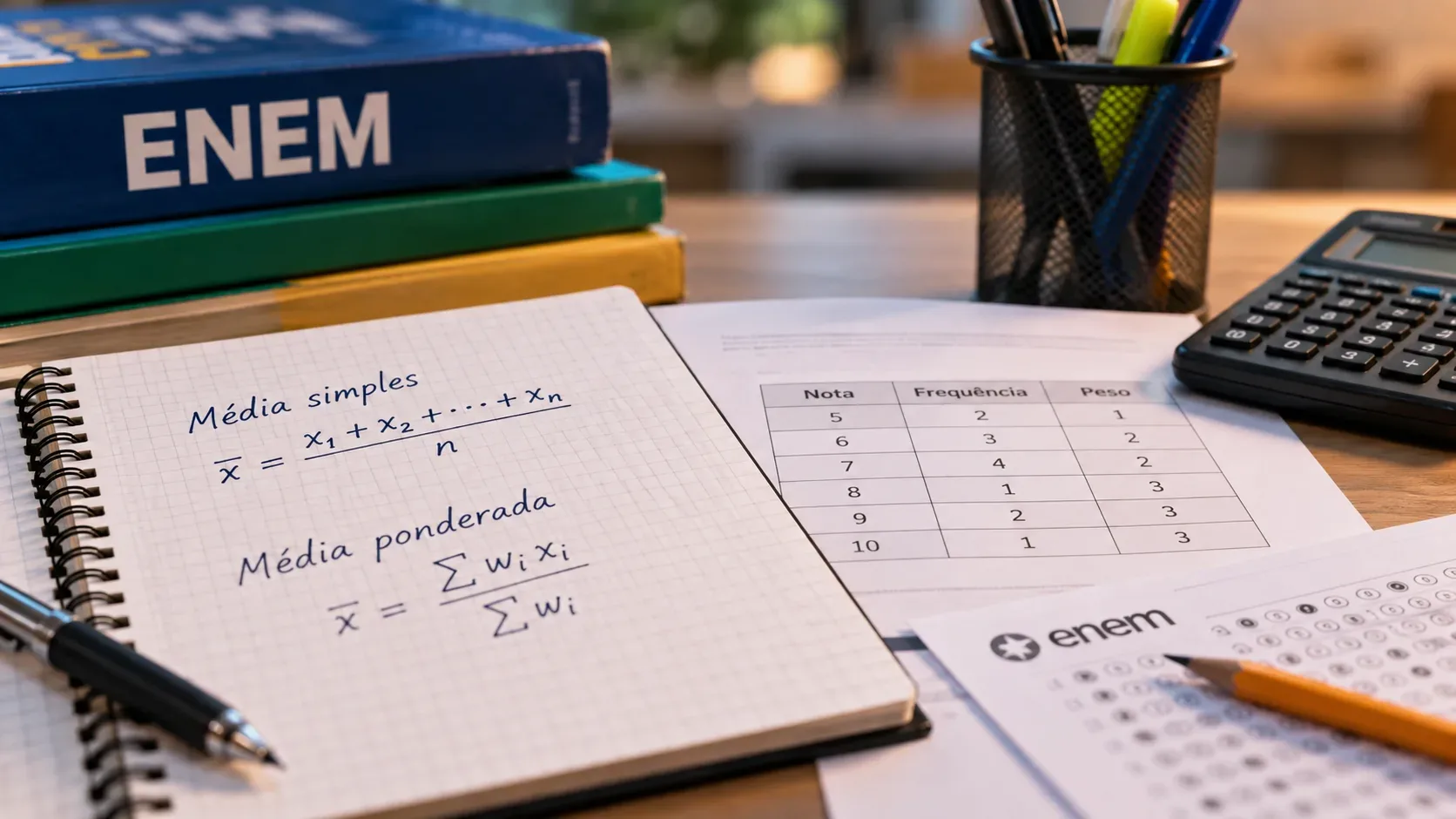
Learn when to use a simple or weighted average, especially when frequencies, group sizes, and percentages act as weights.
Read article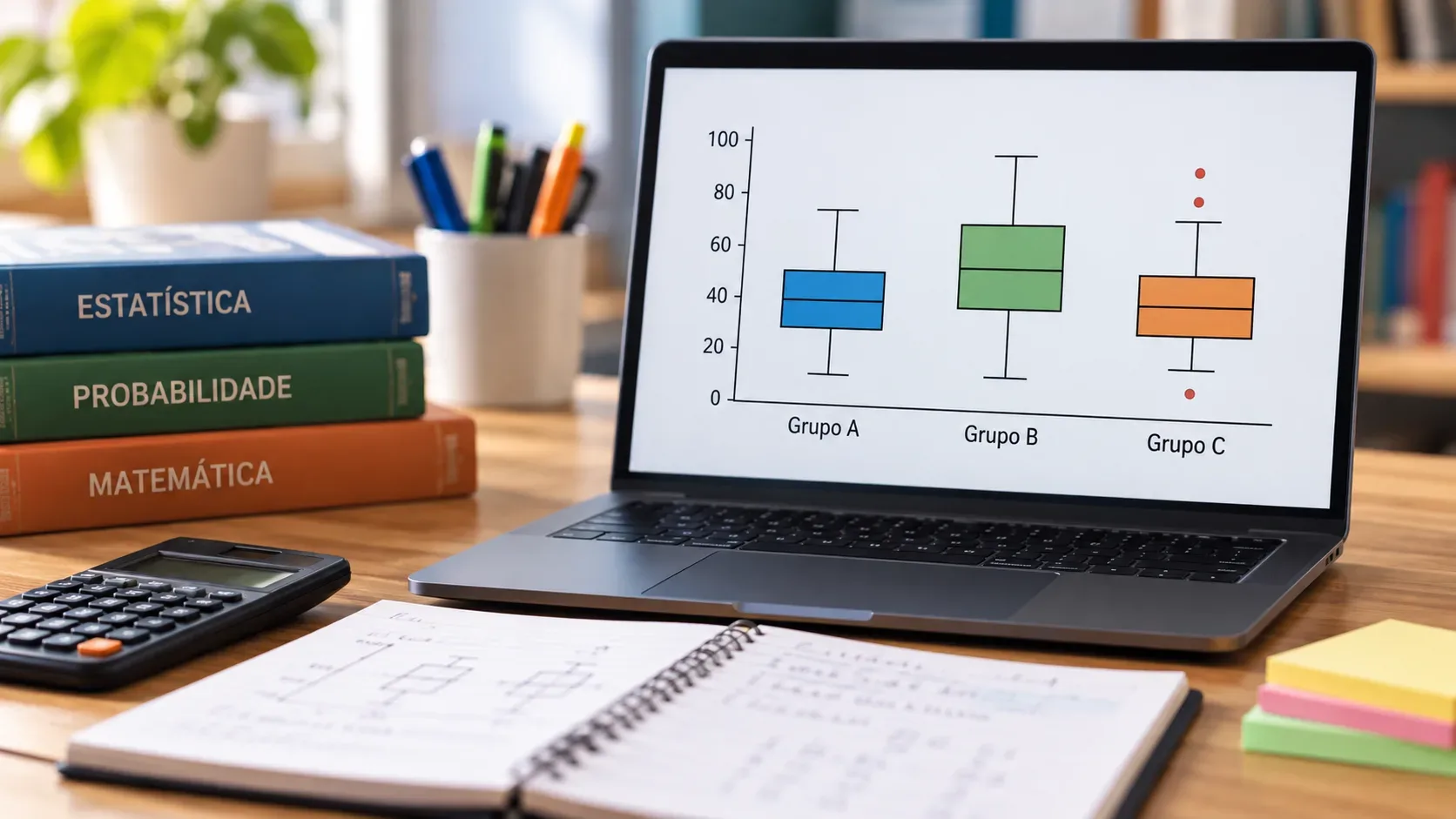
Learn to interpret boxplots step by step, compare location and spread across groups, and recognize possible outliers without confusing a statistical flag with an error.
Read article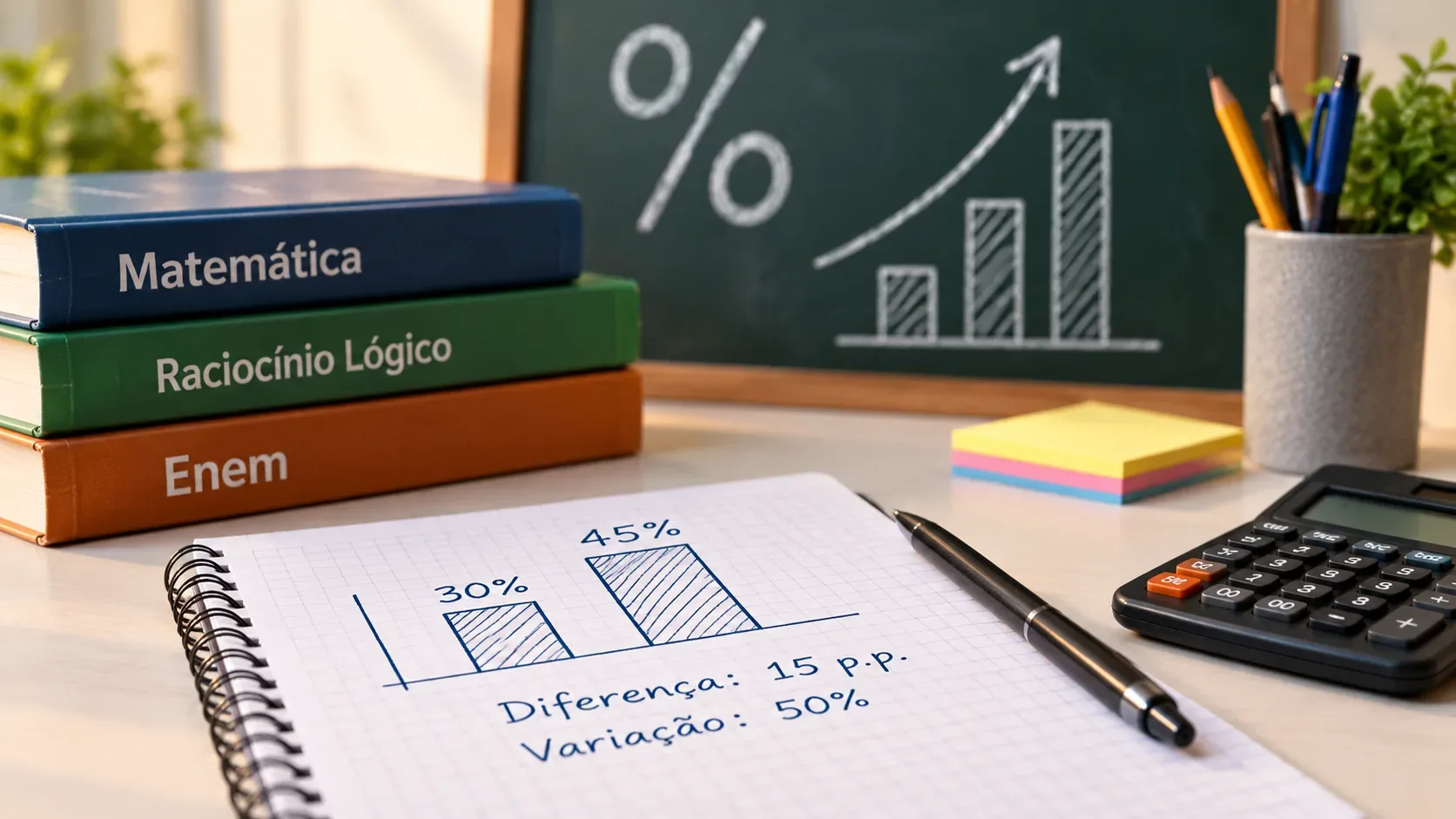
Learn when to subtract rates in percentage points and when to calculate percent change, with examples and a practical method for Enem questions.
Read article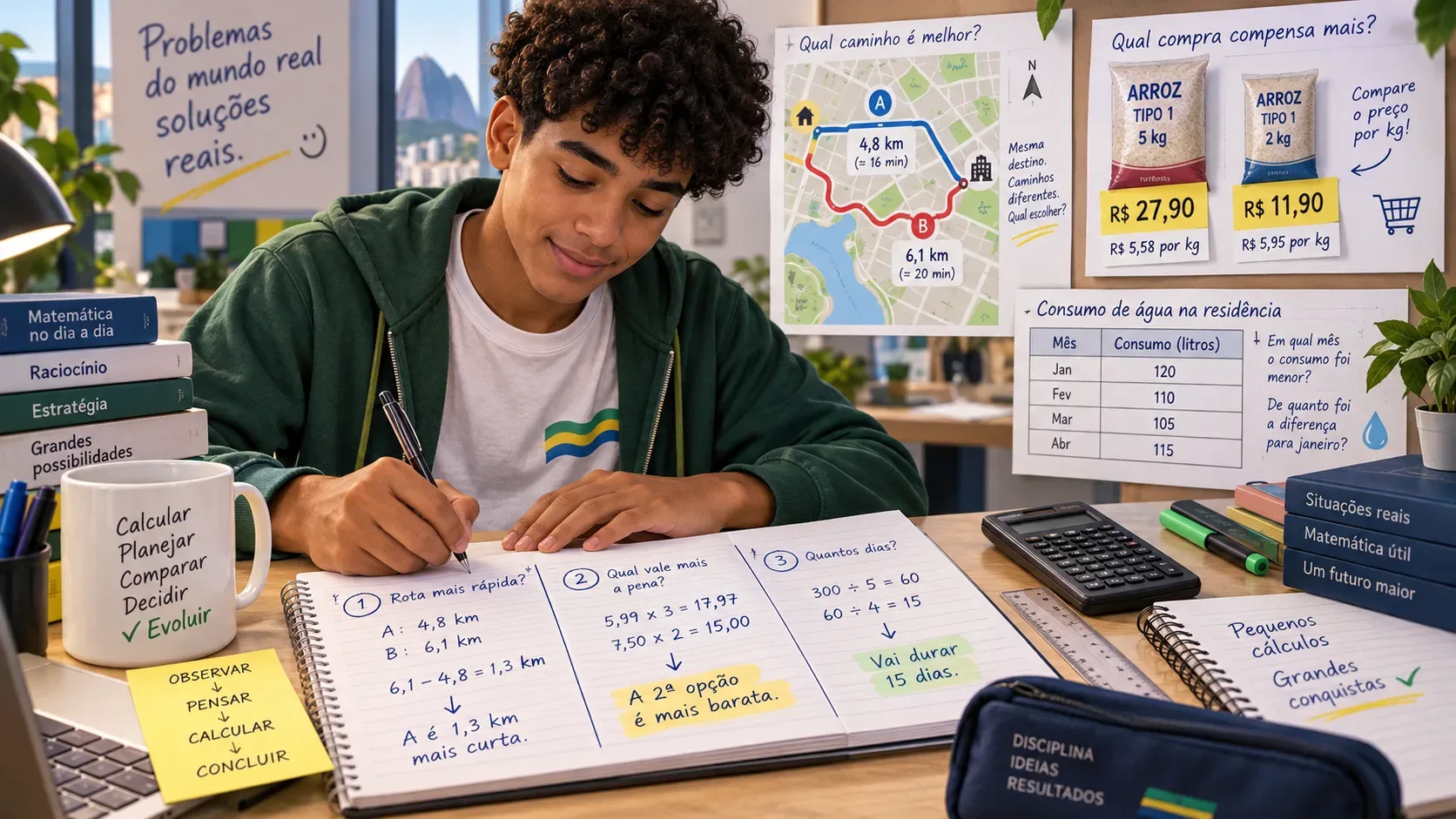
Understand what the OECD associates with Level 2 mathematics in PISA 2025 and practice with three original teaching problems, fully solved and explained.
Read articleNo articles match this search.