

Successive percentages: why do two 20% discounts not add up to 40%?
Learn why two successive 20% discounts equal 36%, with a changing calculation base, formula, and worked examples.
Read articleMathematics explained step by step, with worked examples, visual reasoning, and explanations that show how and why each concept works.
Explore articlesThe most important content to start with.
Learn why two successive 20% discounts equal 36%, with a changing calculation base, formula, and worked examples.
Read articleOther selected strategic content.
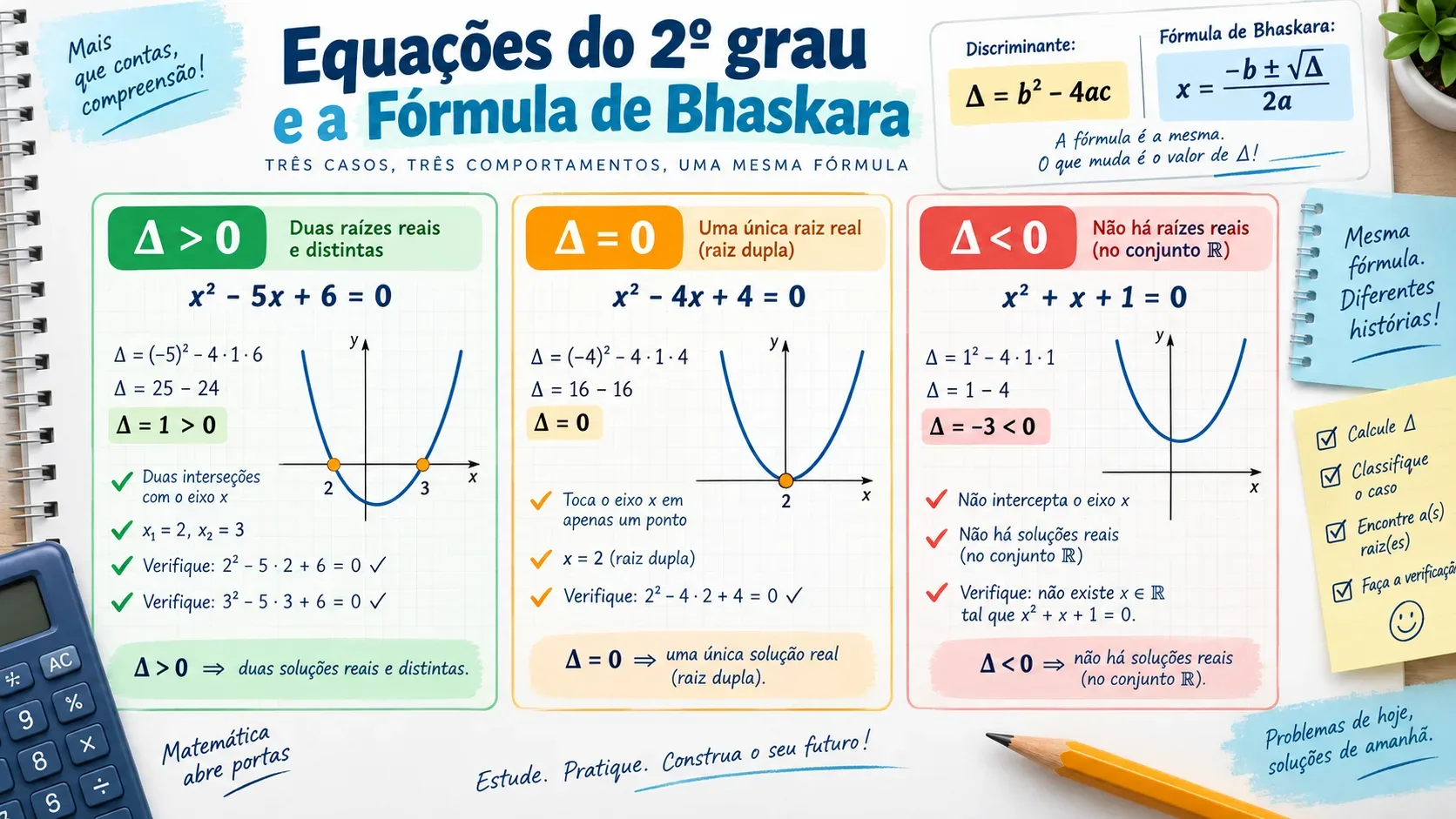
Learn to identify a, b, and c, calculate the discriminant, and solve three quadratic equations, including repeated roots and cases with no real solution.
Read article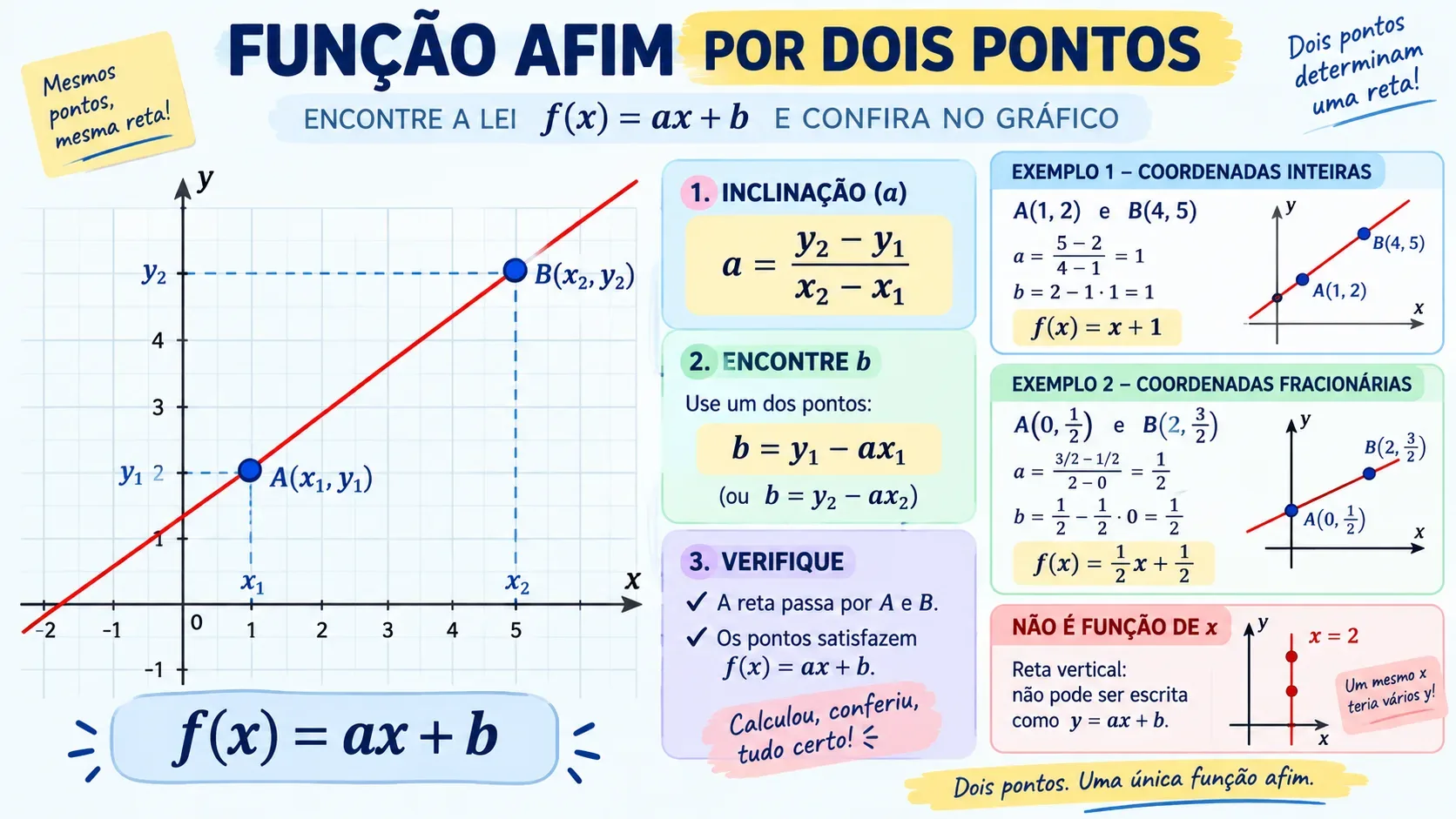
Learn to calculate a and b from two points, verify the equation on a graph, and recognize when a vertical line is not a function of x.
Read article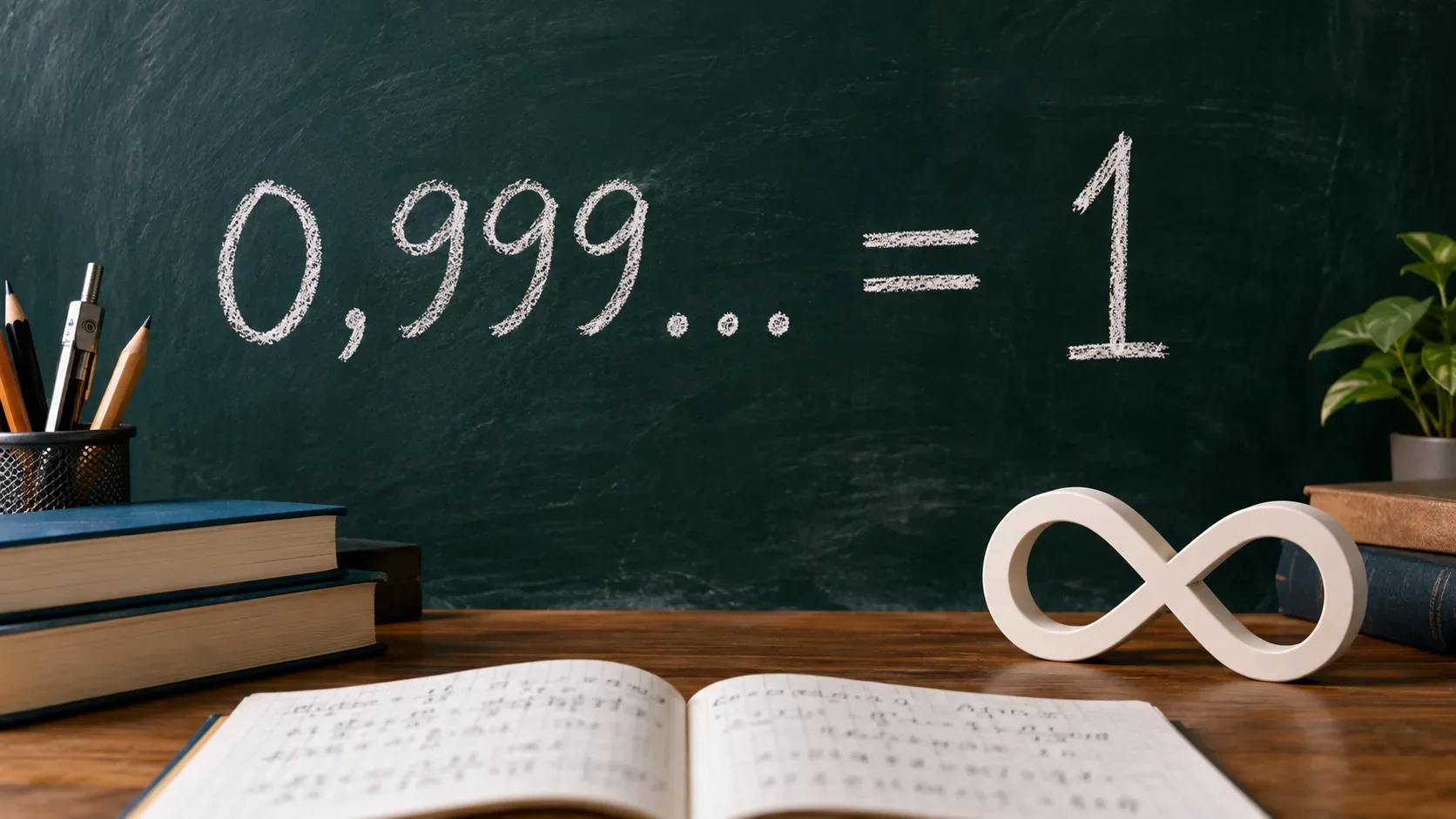
Understand why 0.999... is exactly 1 through three proofs: algebra, 1/3, and a series/limit argument — and why there is no “last 9.”
Read articleBrowse the blog main topics.
Numbers, addition, subtraction, multiplication, division, powers and other fundamentals explained from the ground up.
Fractions & Percentages4 articlesFractions, decimals, ratios, proportions, the rule of three and percentages explained step by step.
Algebra & Equations1 articleAlgebraic expressions, equations, systems, special products and other algebra concepts.
Functions & Graphs1 articleFunctions, the Cartesian plane, graphs and interpretation of relationships between quantities.
Statistics & Probability3 articlesMean, mode, median, tables, charts, probability and data interpretation.
Problems & Reasoning2 articlesStrategies for interpreting problems, choosing operations and developing mathematical reasoning.
Recent posts and new content.
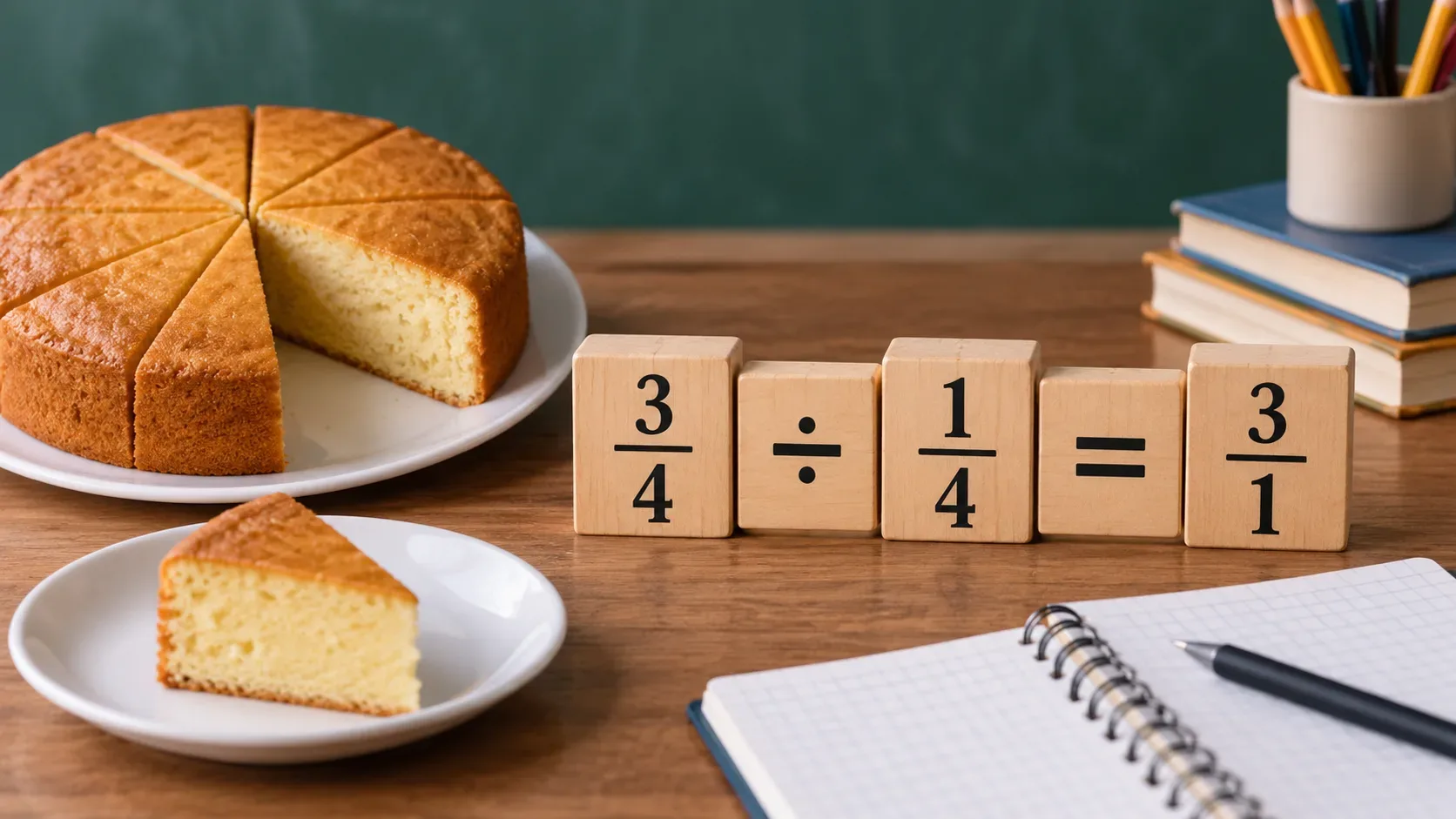
See why fraction division becomes multiplication by the reciprocal using groups, scaling, and algebra — all with the same example.
Read article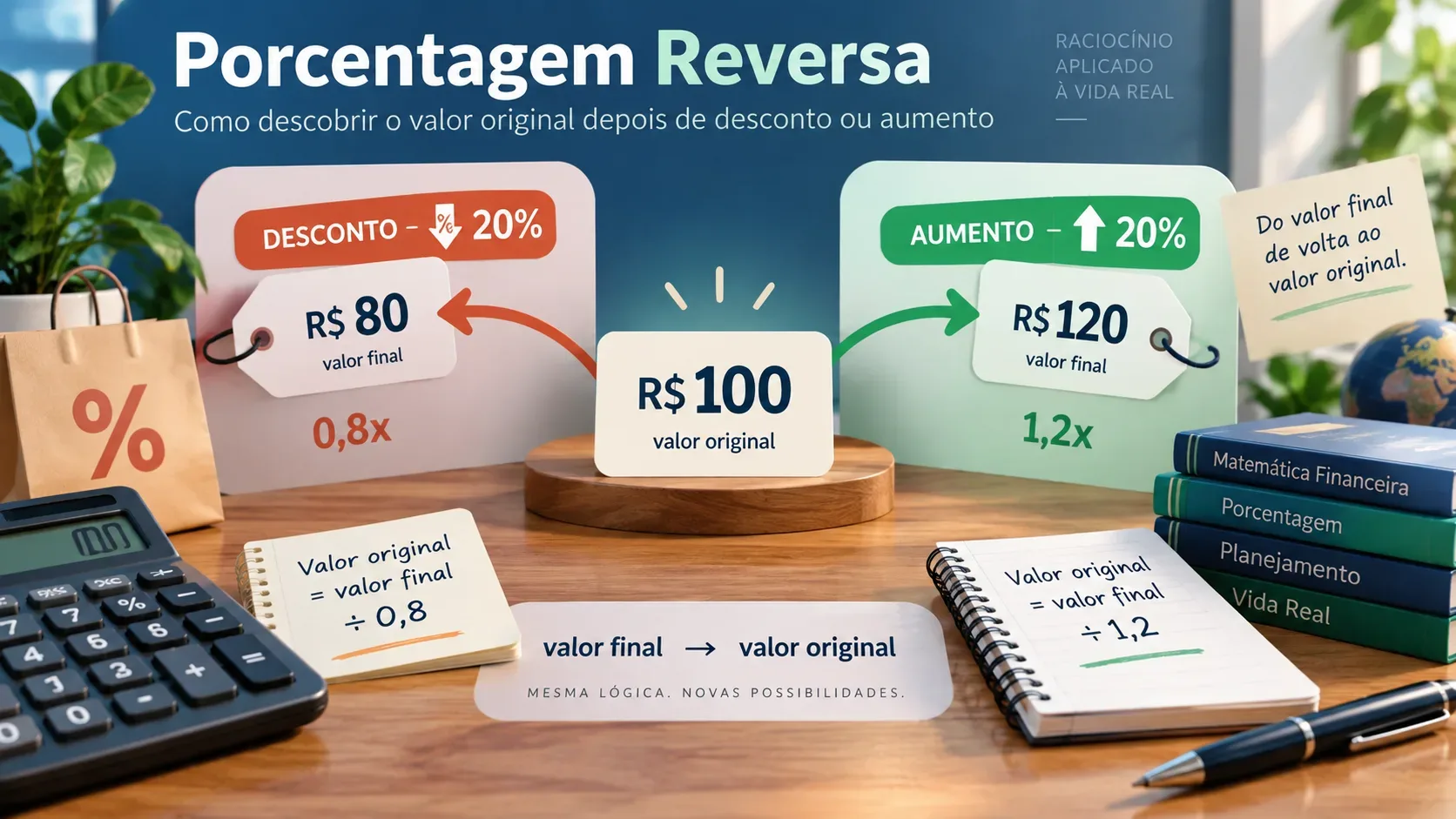
Learn how to recover the original value from a known final value by using the correct multiplier for discounts and increases, with worked examples and checks.
Read article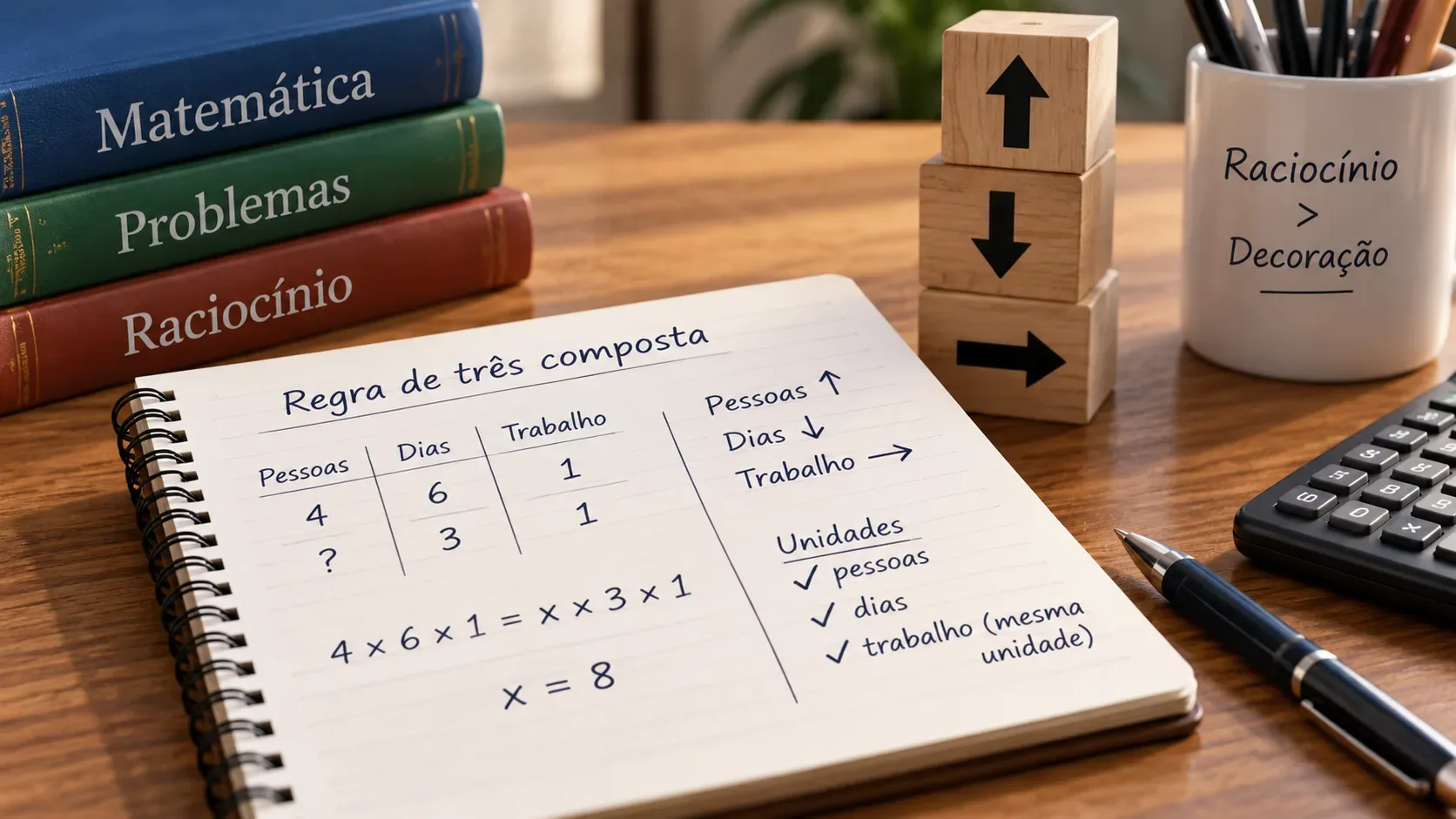
Learn to identify direct and inverse relationships logically, solve two compound proportion problems, and check results with units and order of magnitude.
Read article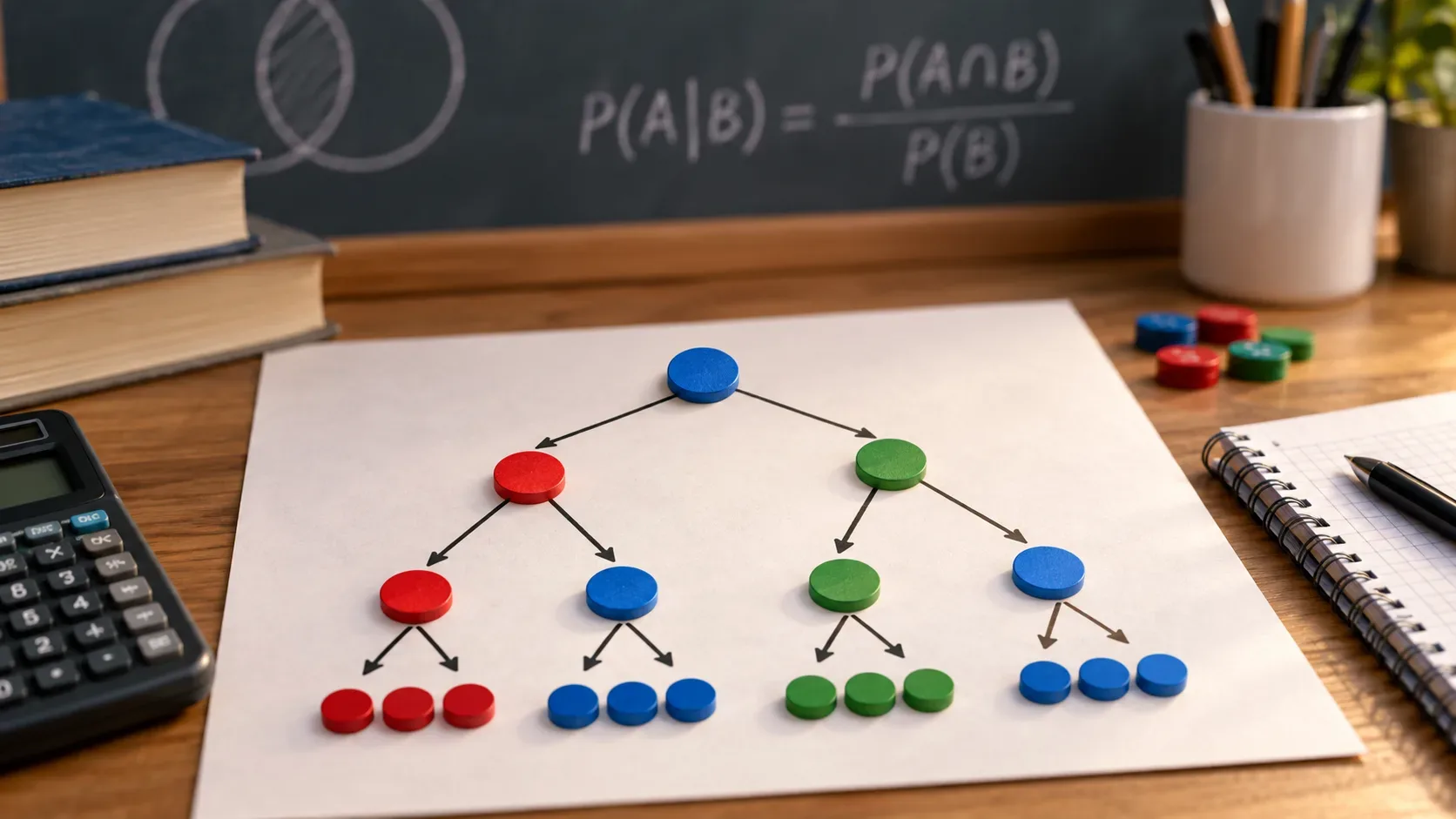
Learn to read a conditional probability tree: multiply paths, add alternatives, and renormalize after receiving new information.
Read article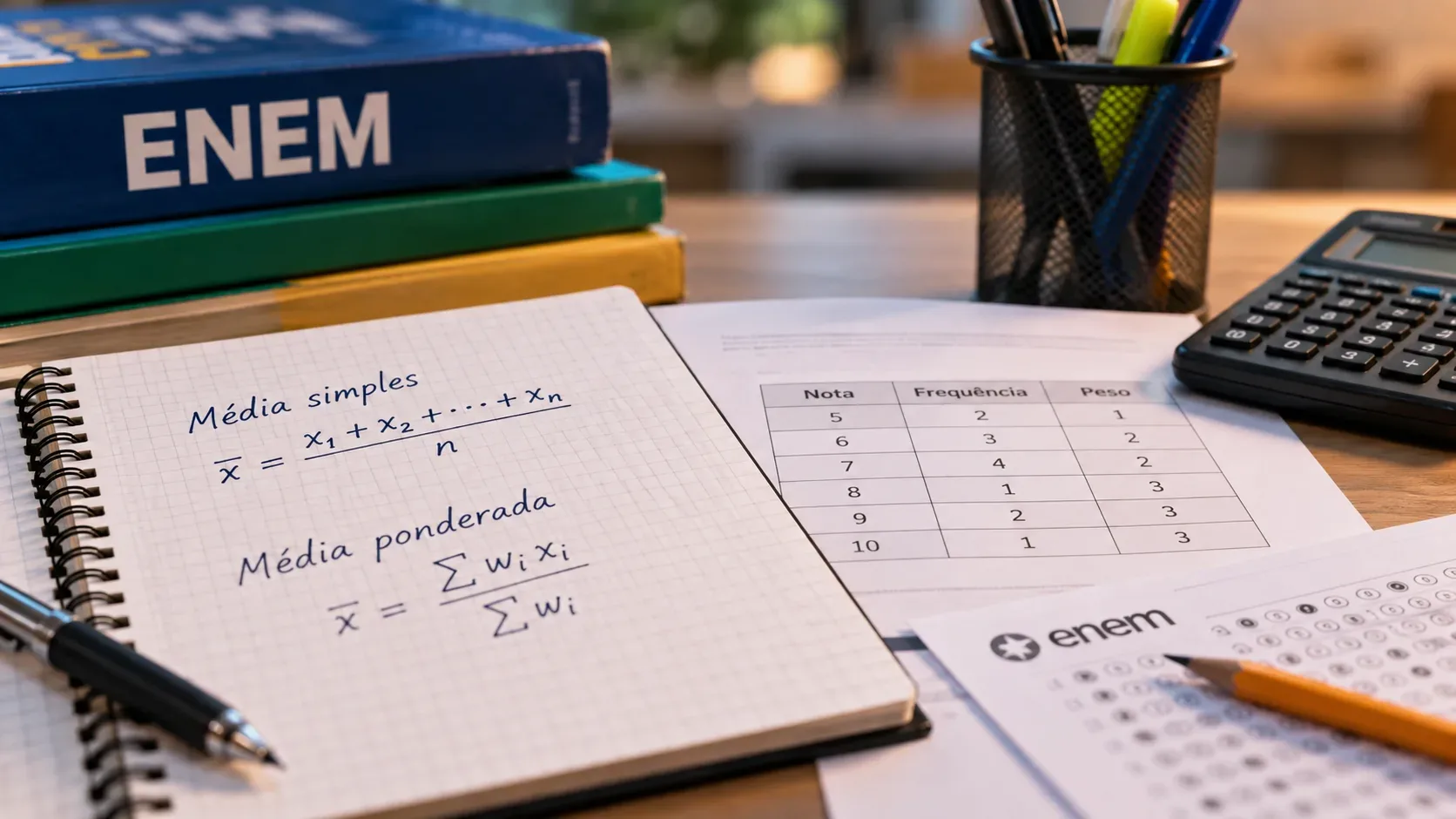
Learn when to use a simple or weighted average, especially when frequencies, group sizes, and percentages act as weights.
Read article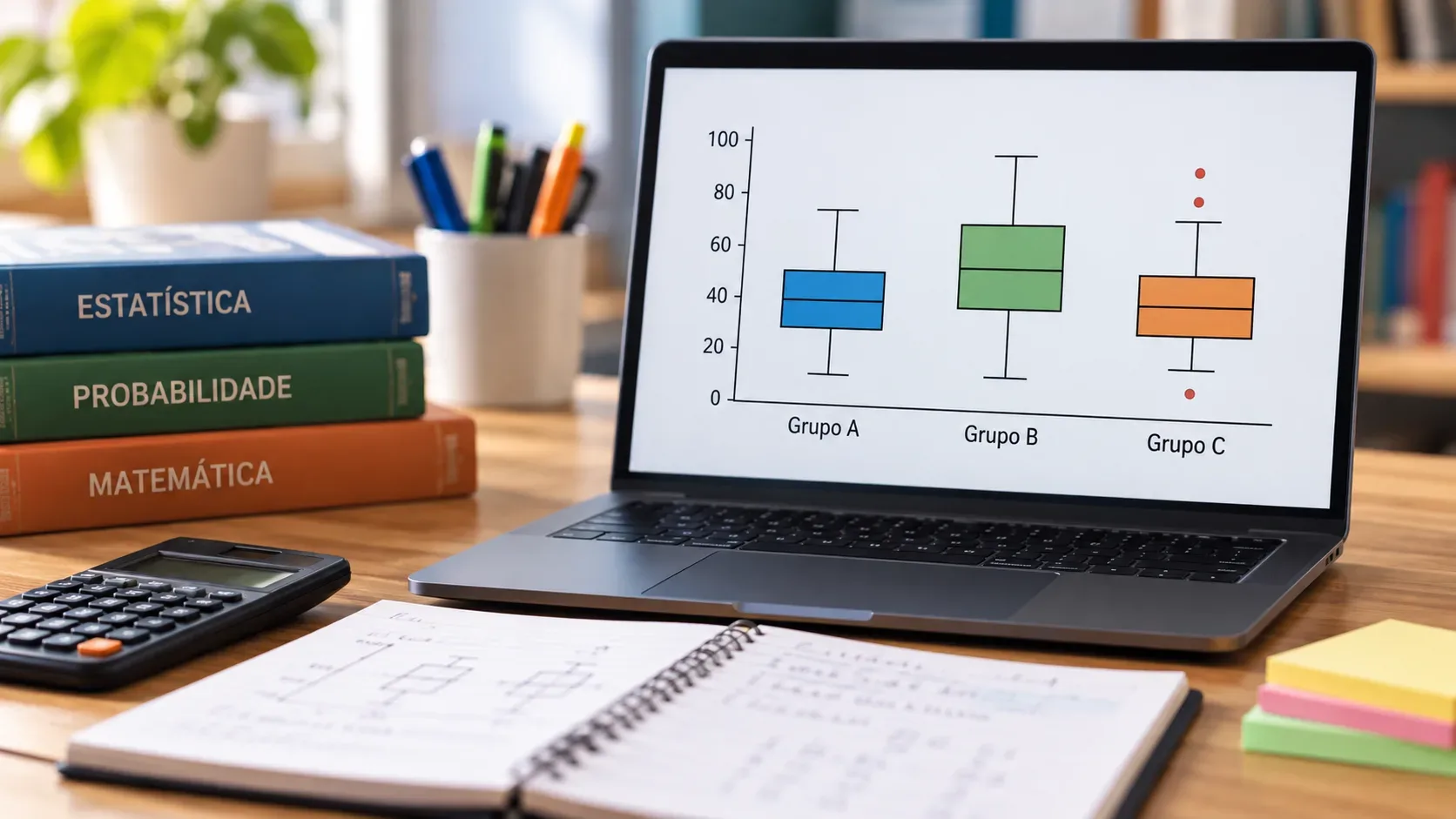
Learn to interpret boxplots step by step, compare location and spread across groups, and recognize possible outliers without confusing a statistical flag with an error.
Read article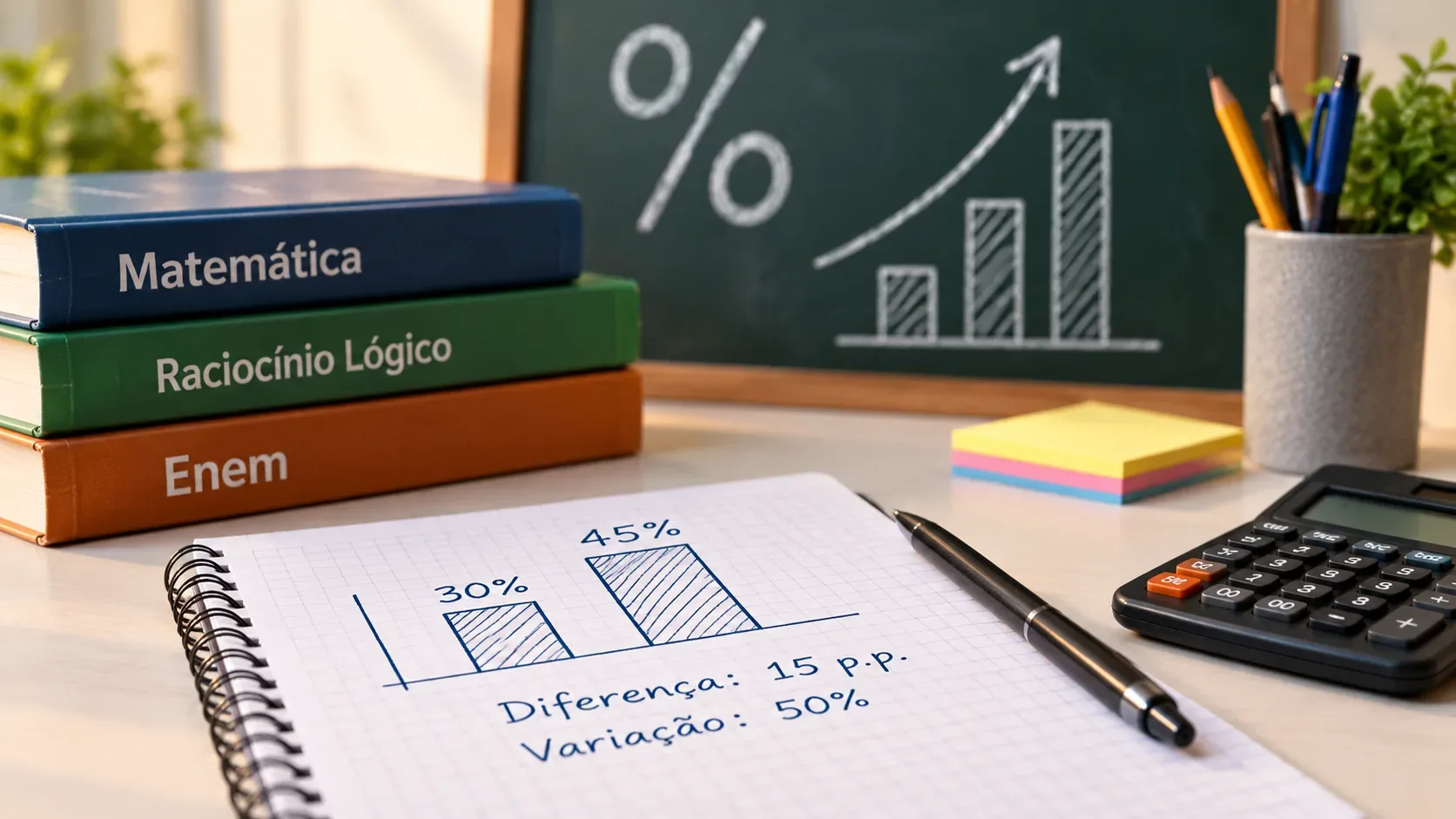
Learn when to subtract rates in percentage points and when to calculate percent change, with examples and a practical method for Enem questions.
Read article
Understand what the OECD associates with Level 2 mathematics in PISA 2025 and practice with three original teaching problems, fully solved and explained.
Read articleLearn why two successive 20% discounts equal 36%, with a changing calculation base, formula, and worked examples.
Read articleContent with the most views.
Numbers, addition, subtraction, multiplication, division, powers and other fundamentals explained from the ground up.
Understand why 0.999... is exactly 1 through three proofs: algebra, 1/3, and a series/limit argument — and why there is no “last 9.”
Read articleNo articles published yet.
Fractions, decimals, ratios, proportions, the rule of three and percentages explained step by step.
Learn why two successive 20% discounts equal 36%, with a changing calculation base, formula, and worked examples.
Read articleSee why fraction division becomes multiplication by the reciprocal using groups, scaling, and algebra — all with the same example.
Read articleLearn how to recover the original value from a known final value by using the correct multiplier for discounts and increases, with worked examples and checks.
Read articleLearn when to subtract rates in percentage points and when to calculate percent change, with examples and a practical method for Enem questions.
Read articleAlgebraic expressions, equations, systems, special products and other algebra concepts.
Learn to identify a, b, and c, calculate the discriminant, and solve three quadratic equations, including repeated roots and cases with no real solution.
Read articleNo articles published yet.
Functions, the Cartesian plane, graphs and interpretation of relationships between quantities.
Learn to calculate a and b from two points, verify the equation on a graph, and recognize when a vertical line is not a function of x.
Read articleNo articles published yet.
Mathematics does not have to be a sequence of formulas to memorize.
Math Step by Step was created to explain numbers, operations, algebra, geometry, functions, statistics, and other topics clearly and progressively, showing every stage of the reasoning.
Here, a solution does not end with an answer. We want to show where it came from, why the procedure works, which mistakes are common, and how to recognize similar situations in other exercises.
The content uses worked examples, visual explanations, everyday problems, and commented exercises to help students build a stronger foundation and progress at their own pace.
The idea is simple: fewer hidden steps and more mathematics that actually makes sense.