
Map scale: how to convert centimetres to kilometres correctly
Learn to read a 1:n scale, convert cm to km and solve proportions for ground distances, map measurements and unknown scales.
Read articleHumanities Untangled teaches history, geography, philosophy, sociology, anthropology, and political science through simple explanations, examples, and connections that help readers understand the world without relying on rote memorization.
Explore articlesThe most important content to start with.
Learn to read a 1:n scale, convert cm to km and solve proportions for ground distances, map measurements and unknown scales.
Read articleOther selected strategic content.
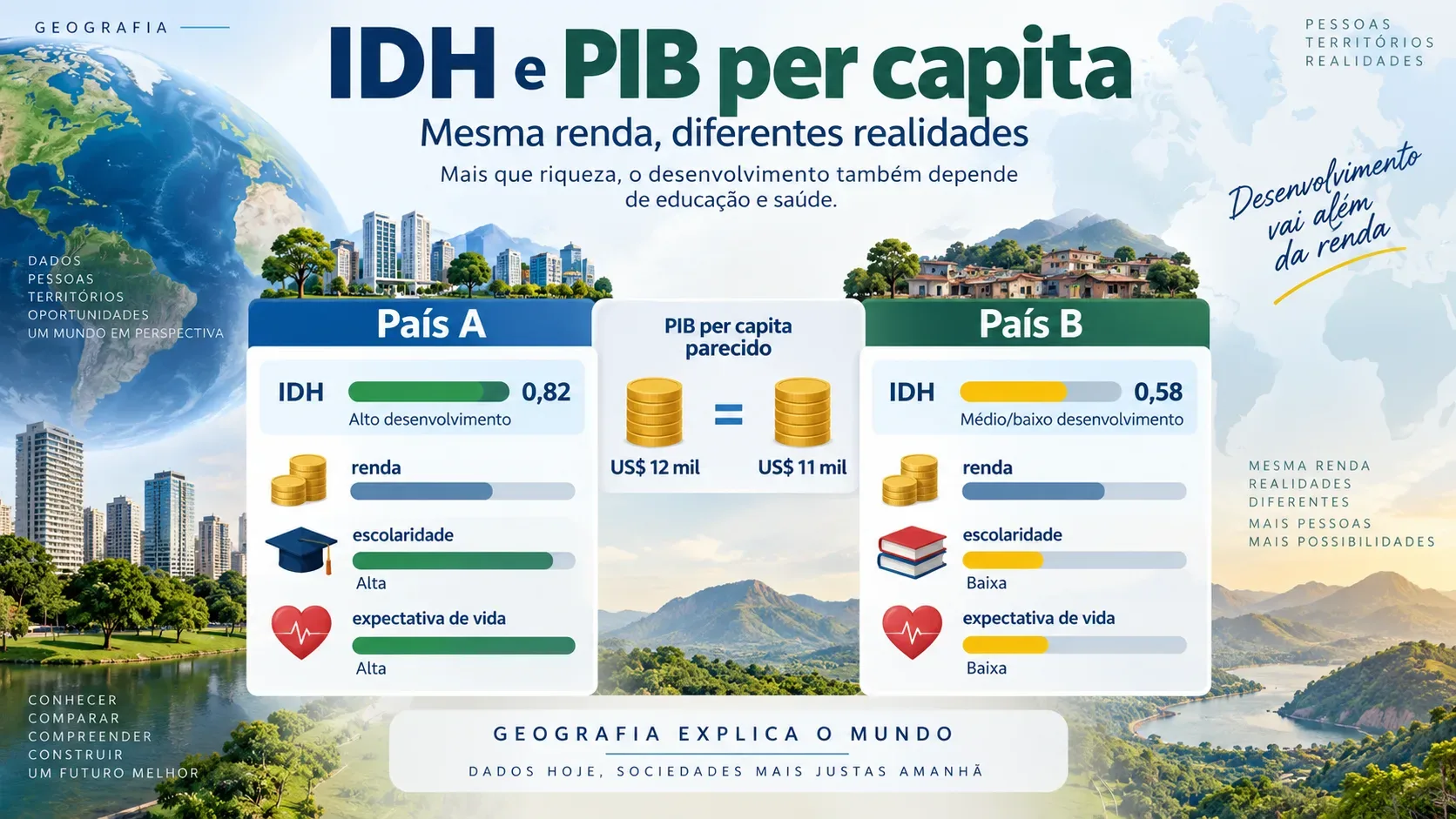
Learn why average output, education and life expectancy tell different stories. Compare the measures through two fictional countries.
Read article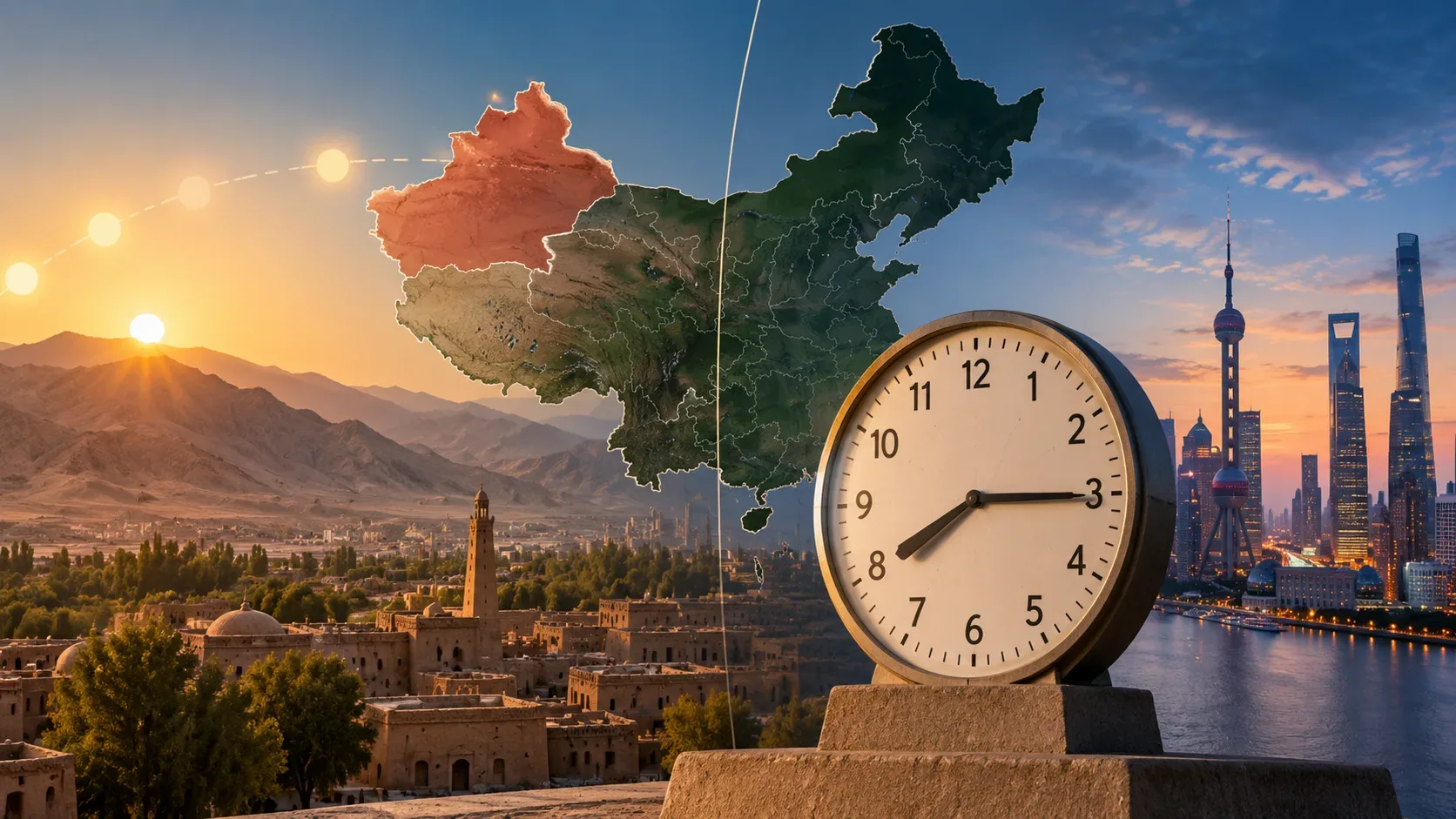
China uses Beijing Time (UTC+8) nationwide. Learn the history of its former five-zone system, how Xinjiang Time fits in, and why solar noon in Kashgar can fall close to 3 p.m.
Read article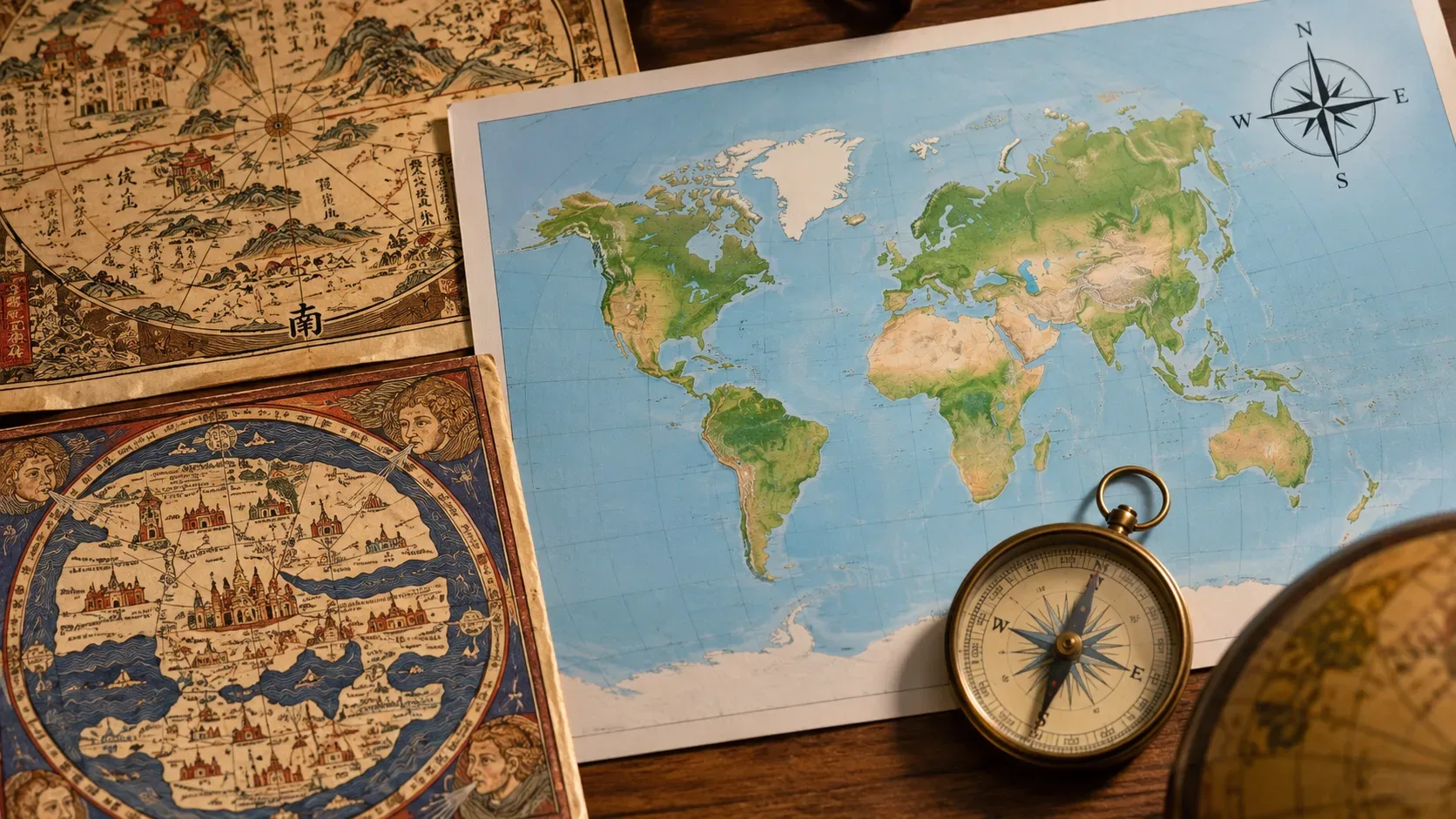
North-up is a cartographic convention, not a rule of the planet. See how east, south, and north have all occupied the top and why one standard prevailed.
Read articleBrowse the blog main topics.
Territory, population, economy, nature, maps and spatial relationships explained through everyday examples.
Sociology3 articlesSociety, work, inequality, groups and social relationships explained through concrete situations.
Anthropology1 articleCultures, identities, customs, peoples and forms of human organization explained without cultural oversimplification.
Political Science1 articleThe state, power, democracy, institutions and political systems explained conceptually and without partisan advocacy.
Recent posts and new content.
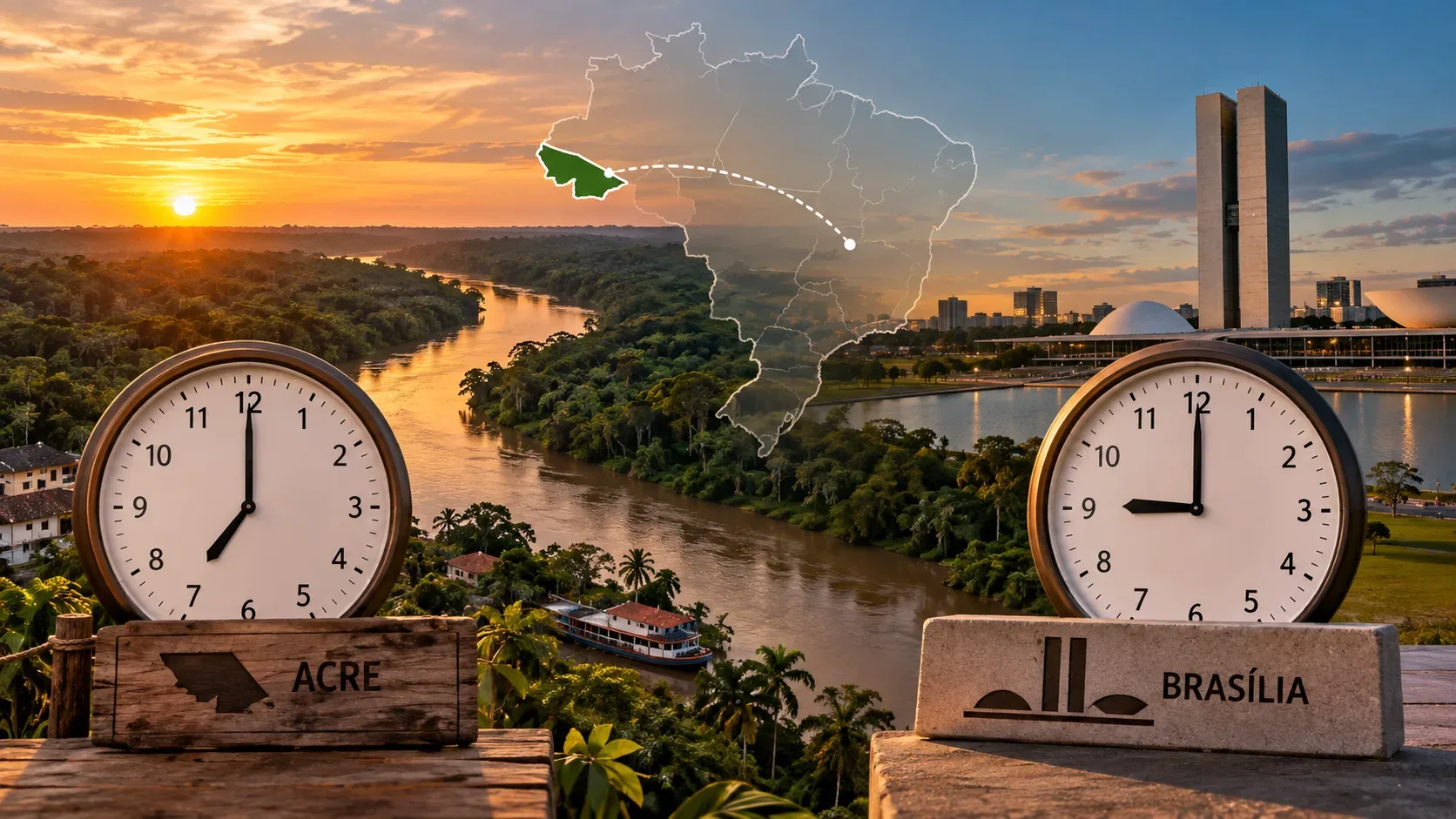
Learn why Acre is two hours behind Brasília and how the 2008 change, the 2010 referendum and Law 12,876/2013 shaped its current time zone.
Read article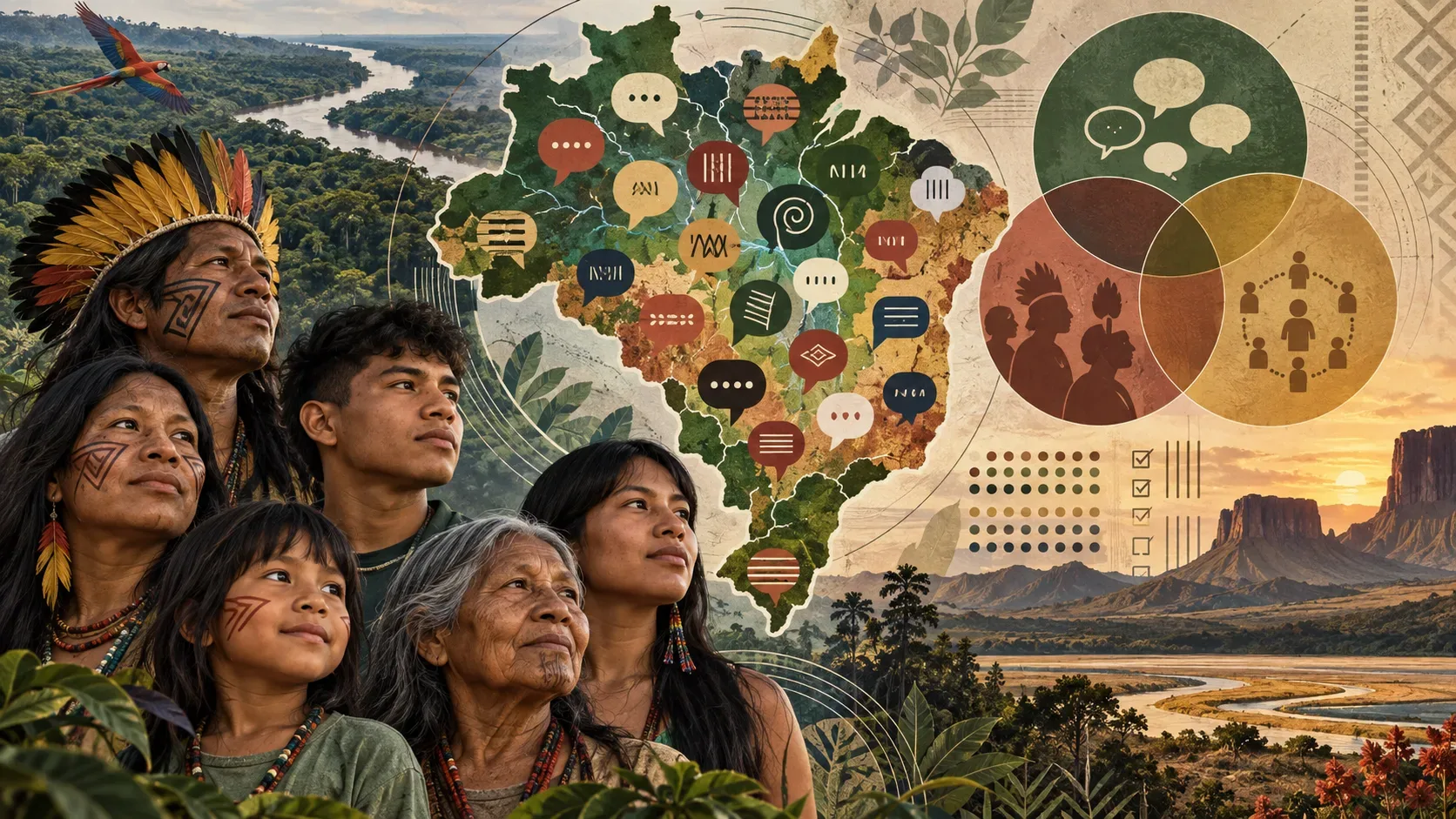
The 2022 Census identified 295 Indigenous languages. Learn how IBGE counted language, ethnicity, peoplehood and multiple belonging without treating these categories as synonyms.
Read article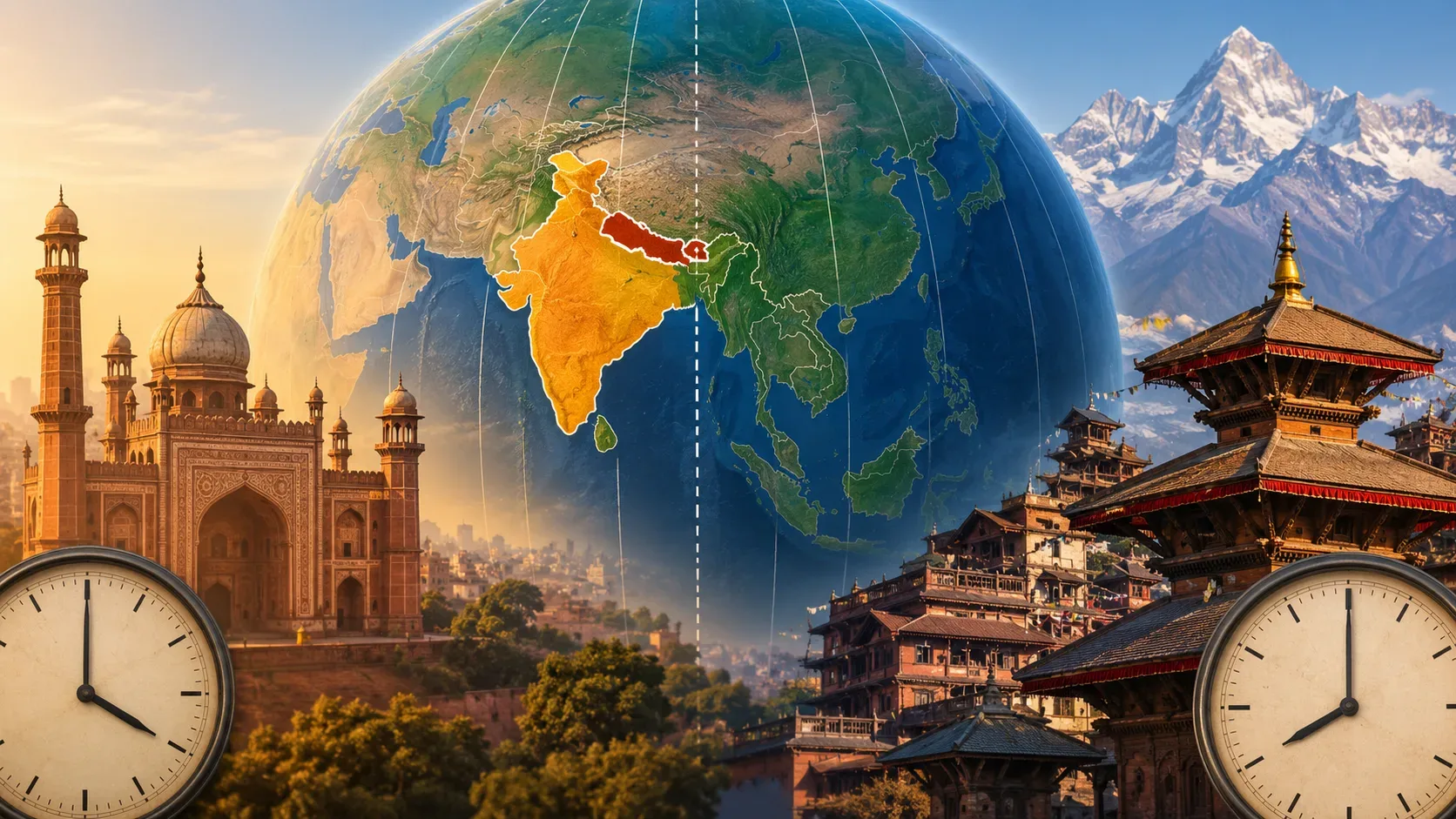
Learn why India and Nepal use half-hour and 45-minute offsets, and how longitude, history, borders, and national decisions shape civil time.
Read article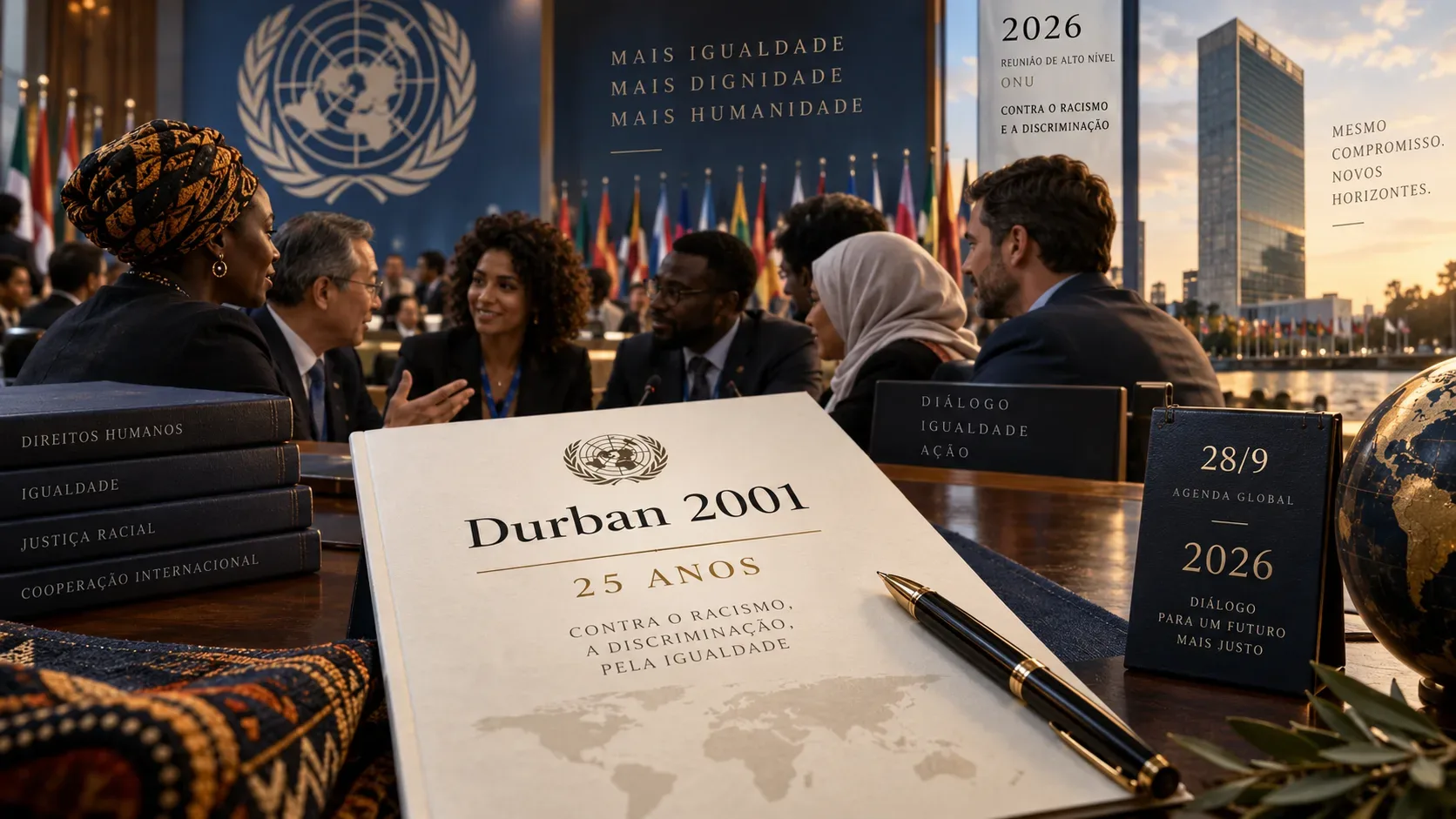
Understand the scope of the Durban Declaration and Programme of Action, how its follow-up was organized and what the UN is revisiting at the 28 September 2026 meeting.
Read article
The UN's 1986 Declaration frames development as a people-centred process involving active participation, equality of opportunity and fair distribution of benefits; on 23 September ...
Read article
The 2025 total of 1.959 million includes secondary jobs, unlike the 2022 and 2024 rounds. See which scope allows a valid time comparison without mixing real change with a questionn...
Read article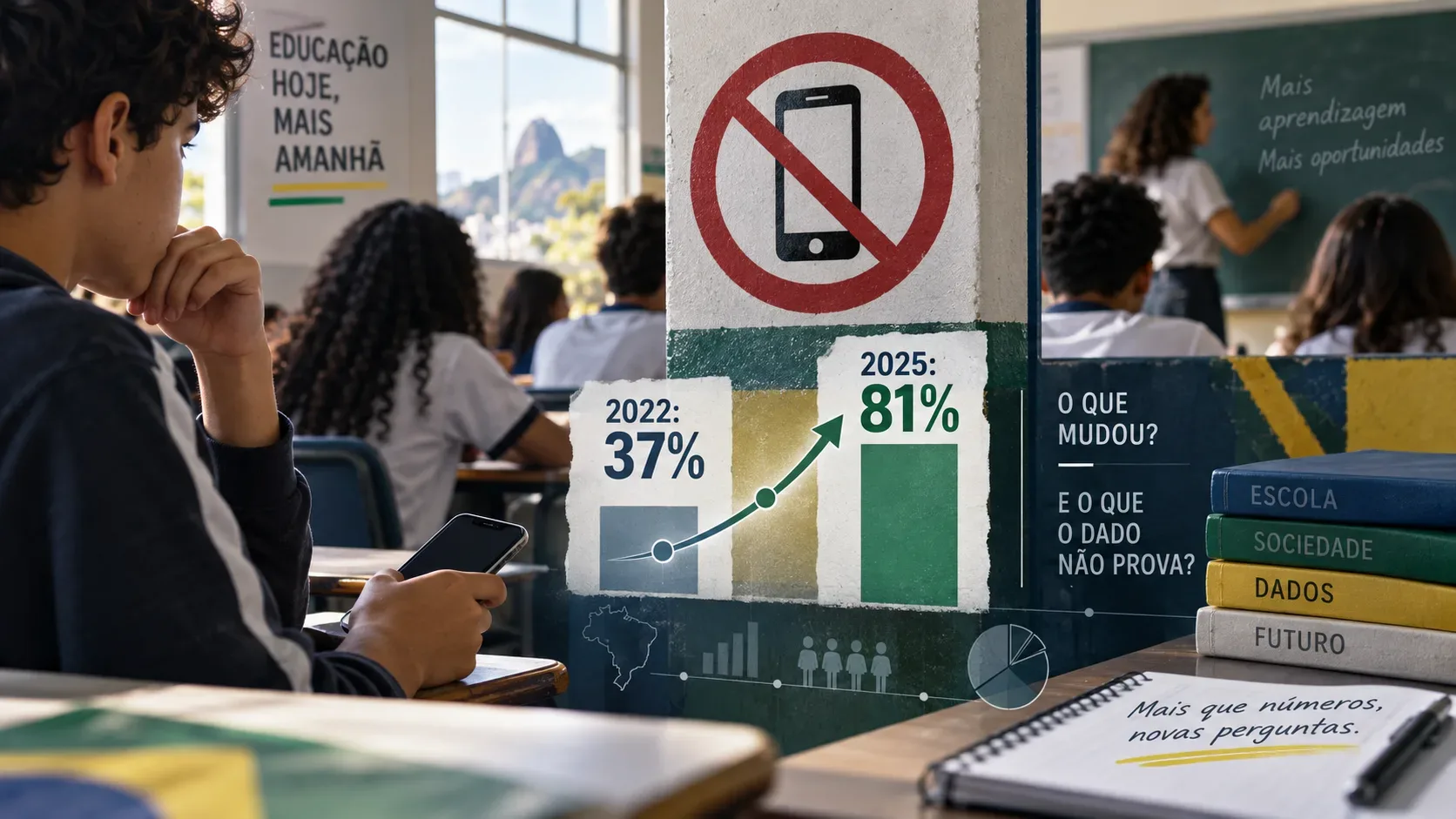
Brazil rose from 37% to 81% of students in schools with cell phone bans between 2022 and 2025. Here is what changed, how bans relate to distraction, and why the data do not prove h...
Read article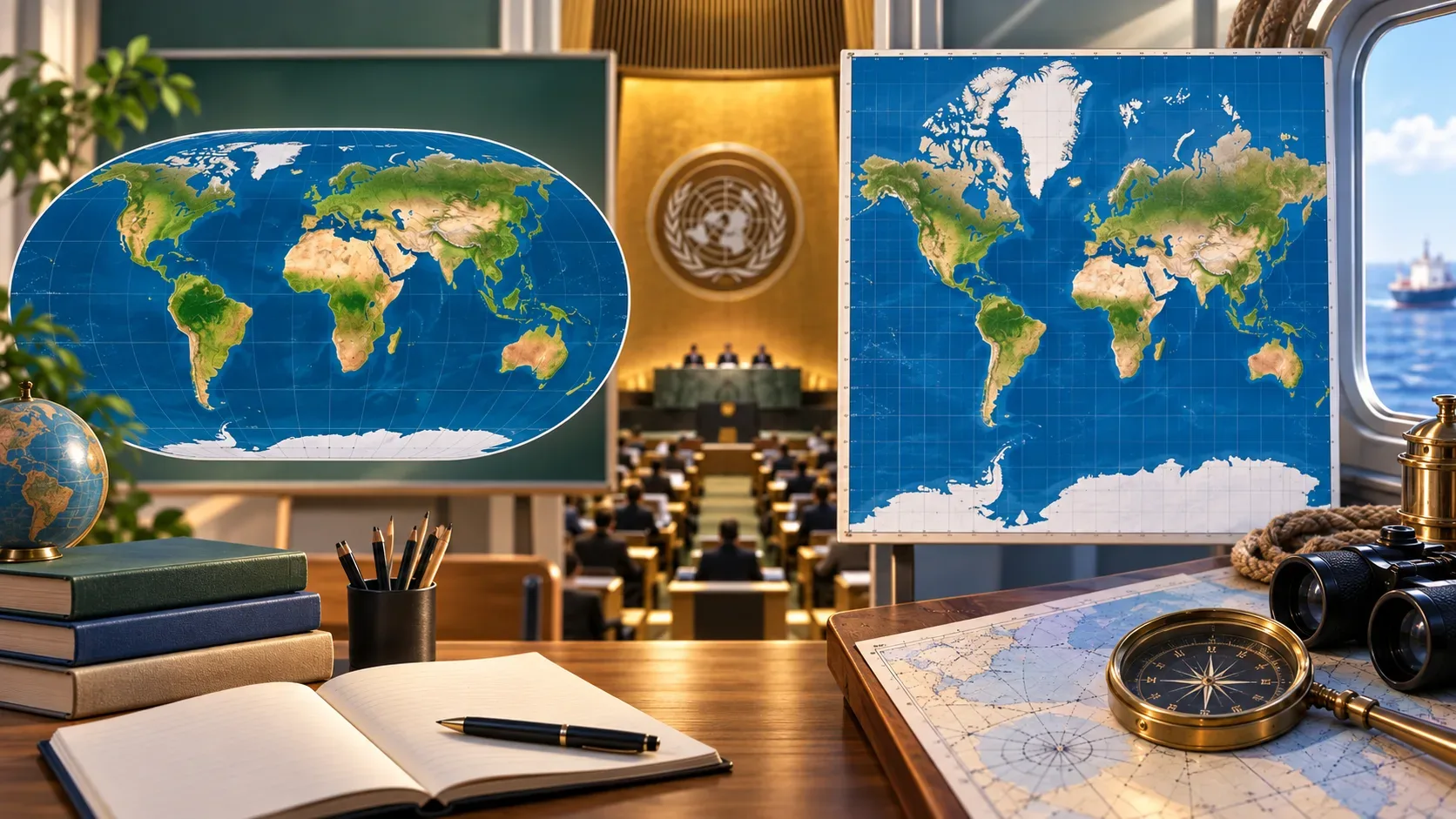
Understand why the UN now encourages equal-area maps such as Equal Earth, and why Mercator remains useful for navigation and digital mapping.
Read articleLearn to read a 1:n scale, convert cm to km and solve proportions for ground distances, map measurements and unknown scales.
Read articleContent with the most views.
Territory, population, economy, nature, maps and spatial relationships explained through everyday examples.
Learn to read a 1:n scale, convert cm to km and solve proportions for ground distances, map measurements and unknown scales.
Read articleLearn why average output, education and life expectancy tell different stories. Compare the measures through two fictional countries.
Read articleChina uses Beijing Time (UTC+8) nationwide. Learn the history of its former five-zone system, how Xinjiang Time fits in, and why solar noon in Kashgar can fall close to 3 p.m.
Read articleNorth-up is a cartographic convention, not a rule of the planet. See how east, south, and north have all occupied the top and why one standard prevailed.
Read articleSociety, work, inequality, groups and social relationships explained through concrete situations.
Understand the scope of the Durban Declaration and Programme of Action, how its follow-up was organized and what the UN is revisiting at the 28 September 2026 meeting.
Read articleThe 2025 total of 1.959 million includes secondary jobs, unlike the 2022 and 2024 rounds. See which scope allows a valid time comparison without mixing real change with a questionn...
Read articleBrazil rose from 37% to 81% of students in schools with cell phone bans between 2022 and 2025. Here is what changed, how bans relate to distraction, and why the data do not prove h...
Read articleCultures, identities, customs, peoples and forms of human organization explained without cultural oversimplification.
The 2022 Census identified 295 Indigenous languages. Learn how IBGE counted language, ethnicity, peoplehood and multiple belonging without treating these categories as synonyms.
Read articleNo articles published yet.
The state, power, democracy, institutions and political systems explained conceptually and without partisan advocacy.
The UN's 1986 Declaration frames development as a people-centred process involving active participation, equality of opportunity and fair distribution of benefits; on 23 September ...
Read articleNo articles published yet.
Humanities Untangled was created to make history, geography, philosophy, sociology, anthropology, and political science easier to understand.
Here, learning the humanities does not mean simply memorizing dates, thinkers’ names, concepts, or definitions. Our goal is to show how each subject works, why it matters, and where it appears in the world we live in.
Whenever possible, we begin with examples, questions, and concrete situations. A historical event can help explain current politics. A concept from sociology can shed light on something happening at work or in a city. Geography can show why certain problems arise in some places and not others. Philosophy helps examine the ideas behind our choices. Anthropology broadens how we look at cultures and ways of life. Political science helps us understand institutions, power, and forms of collective organization.
We also connect the disciplines. History, territory, culture, society, thought, and politics do not exist in isolation — and studying them together often makes difficult subjects much clearer.
Humanities Untangled is made for students and anyone who wants to understand the world better, using accessible language, well-chosen examples, appropriate sources, and respect for the complexity of each topic.
The idea is simple: less rote memorization, more understanding.