
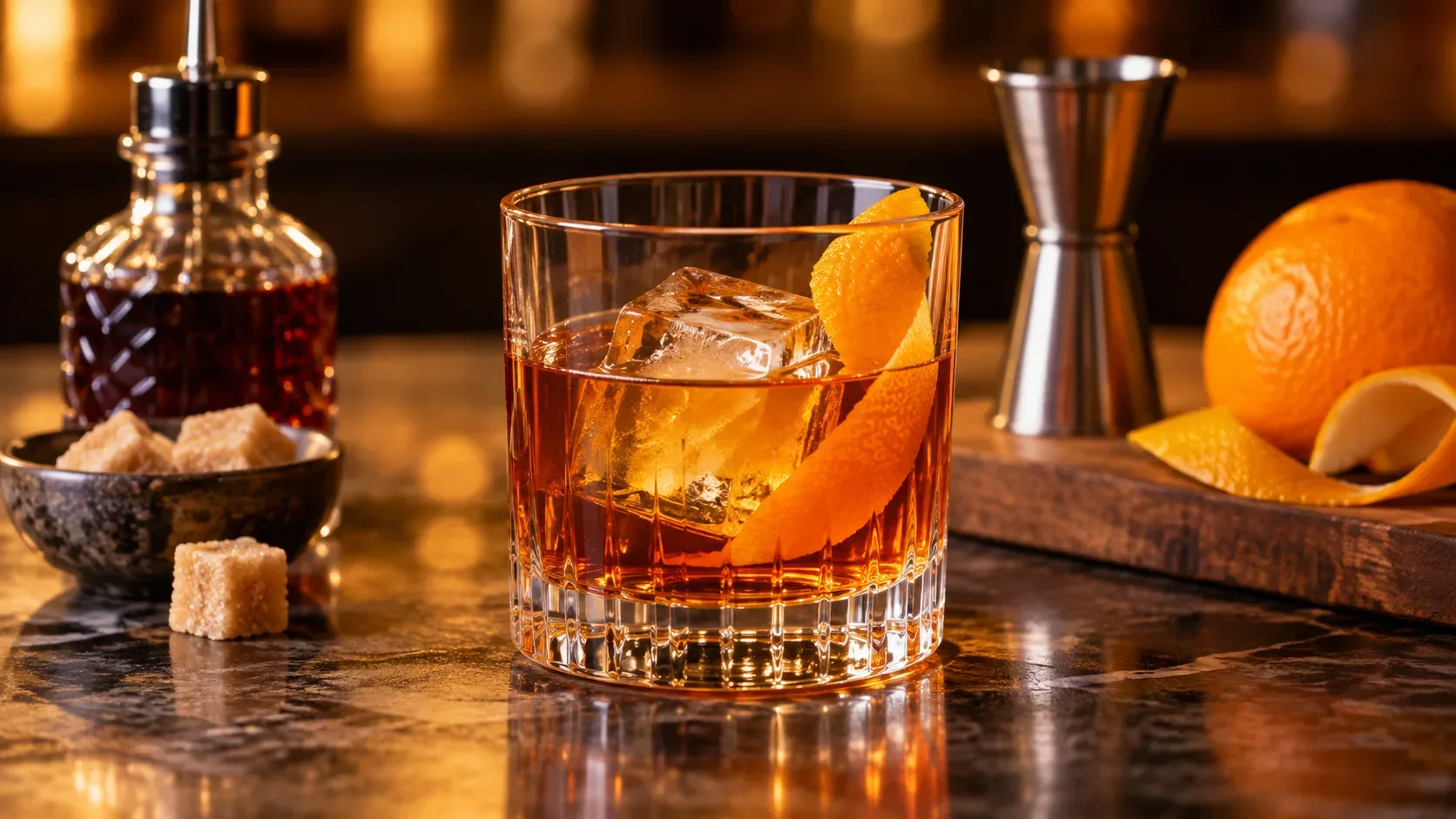
Old Fashioned: how bitters, sugar and dilution change the result
Understand how the official IBA method combines whiskey, Angostura, sugar, water and ice, why each step changes flavor and how to spot imbalance.
Read articleRecipes for Brazilian, international, and classic bar drinks, with preparation explained, techniques, history, and ideas for parties.
Explore articlesThe most important content to start with.
Understand how the official IBA method combines whiskey, Angostura, sugar, water and ice, why each step changes flavor and how to spot imbalance.
Read articleOther selected strategic content.
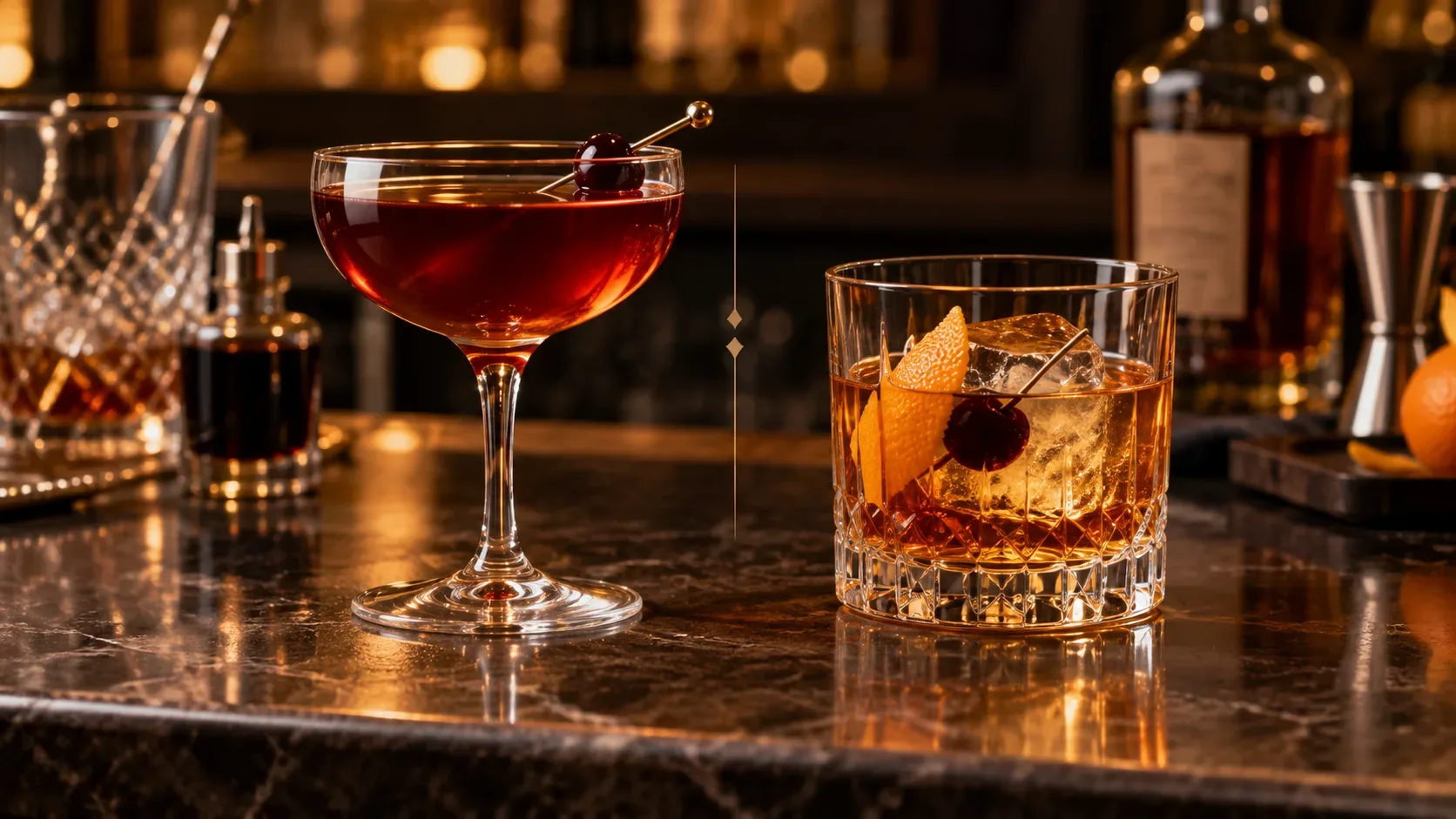
See how the Manhattan and Old Fashioned differ in ingredients, sweetness, bitters, service and flavor profile, and when each whiskey classic tends to fit better.
Read article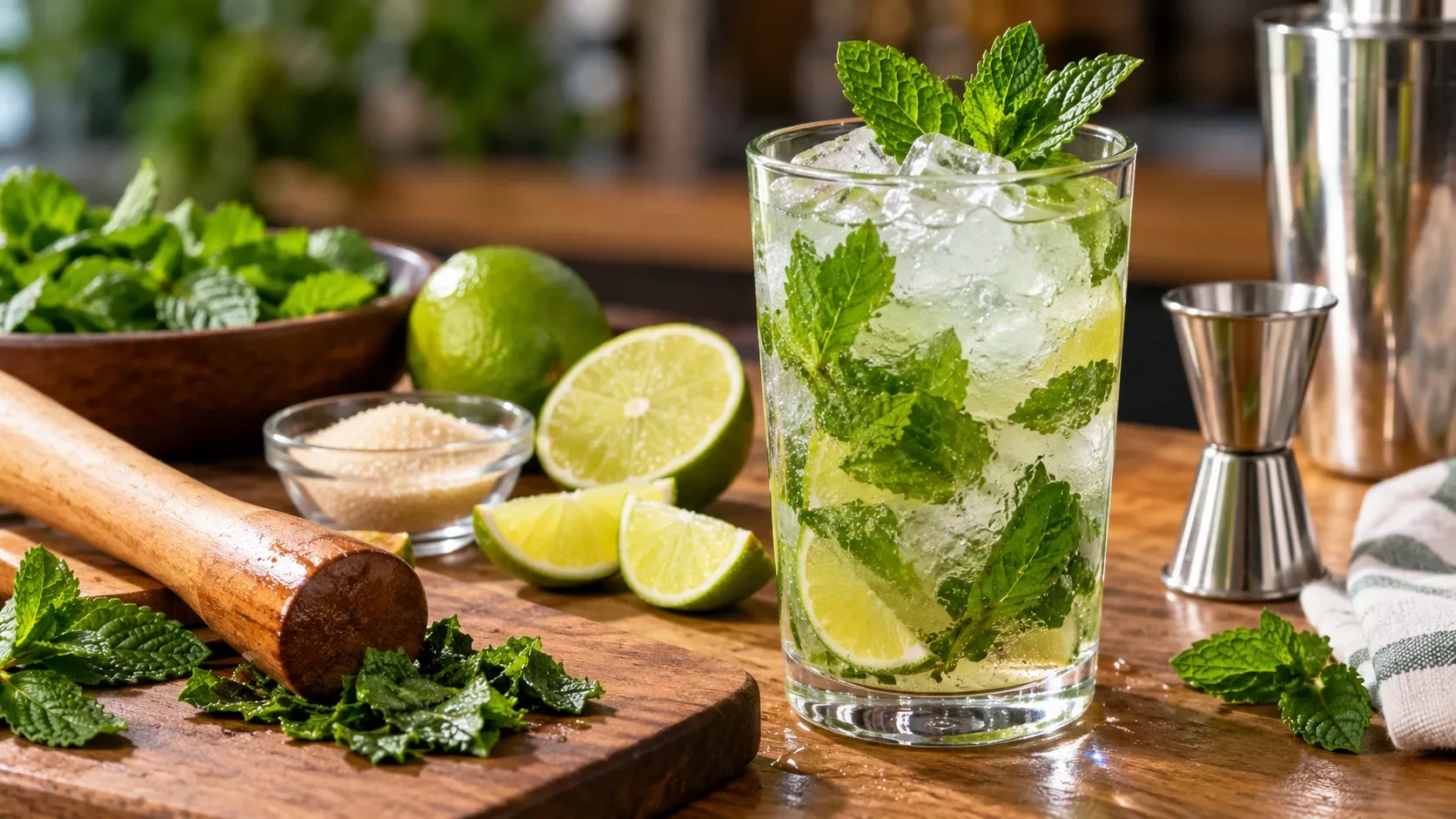
Compare three levels of mint handling in a Mojito and see why gentle mixing, light pressing and heavy muddling create different aromas and textures.
Read article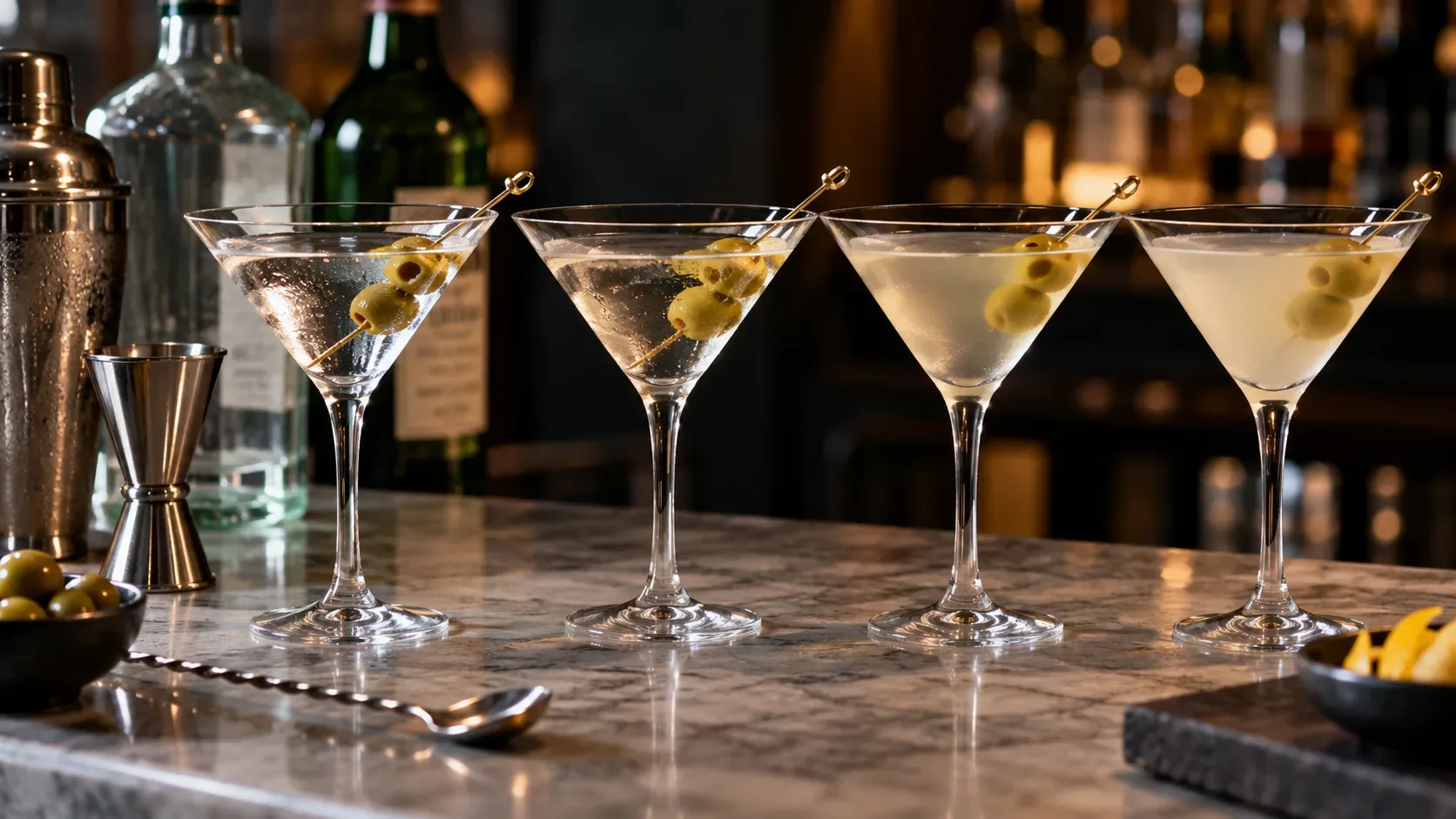
Learn how the gin-to-vermouth ratio changes a Dry Martini, what dry, wet, extra dry and 50/50 actually mean, and why dilution is a separate variable.
Read articleBrowse the blog main topics.
Recipes designed for birthdays, barbecues, gatherings, celebrations, pitchers and serving several people.
Brazilian Drinks2 articlesCaipirinhas, batidas and other cocktails connected to Brazilian beverages, ingredients and traditions.
Bar Classics5 articlesEstablished cocktail recipes with preparation, proportions, techniques and context for making them at home.
Bar Techniques1 articleIce, glassware, syrups, tools, measurements, methods and fundamentals for making and serving better drinks.
Recent posts and new content.
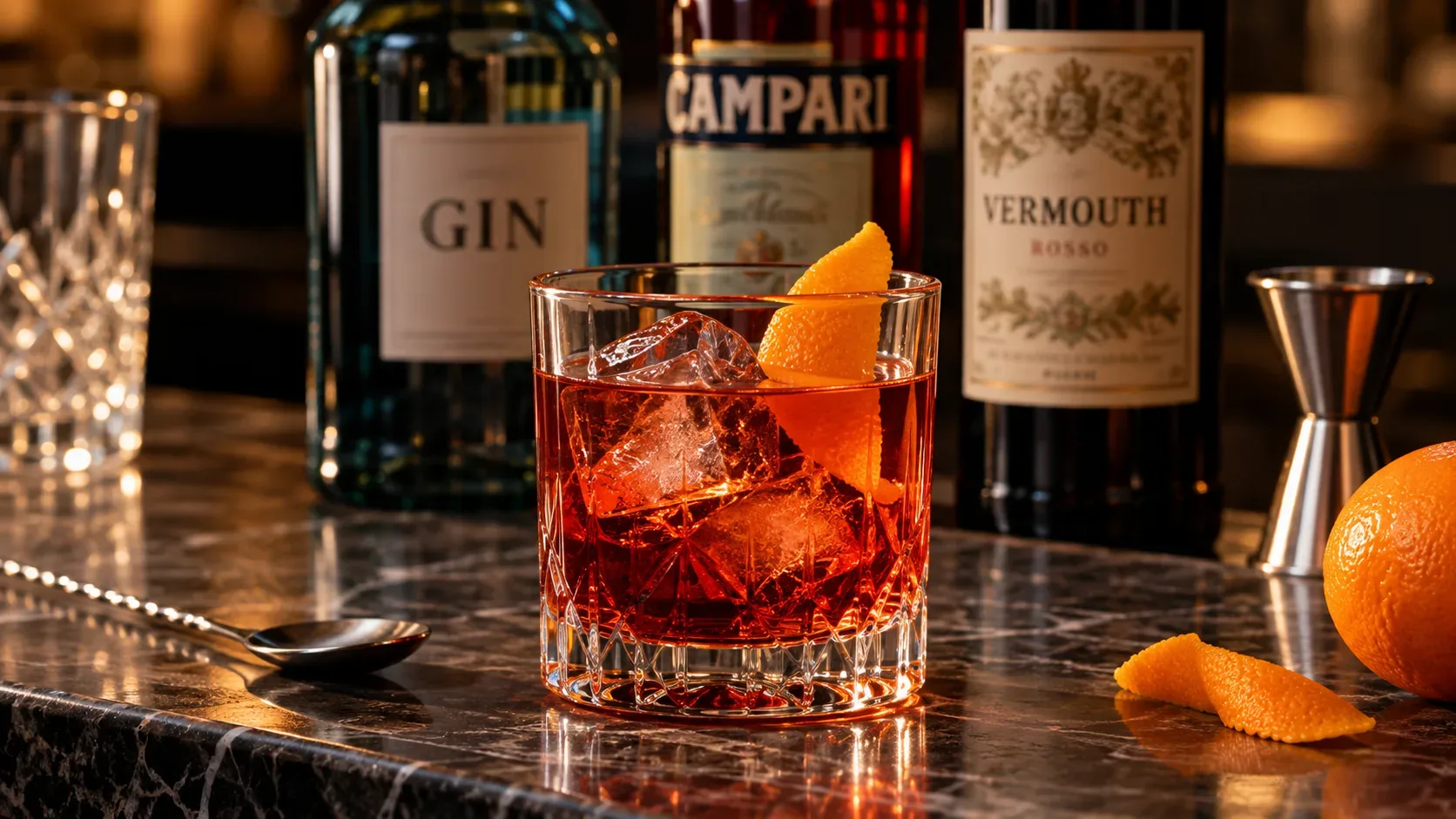
The IBA uses equal parts gin, Campari and sweet vermouth. See what changes in gin-forward or bitter-forward versions and why dilution is a separate variable.
Read article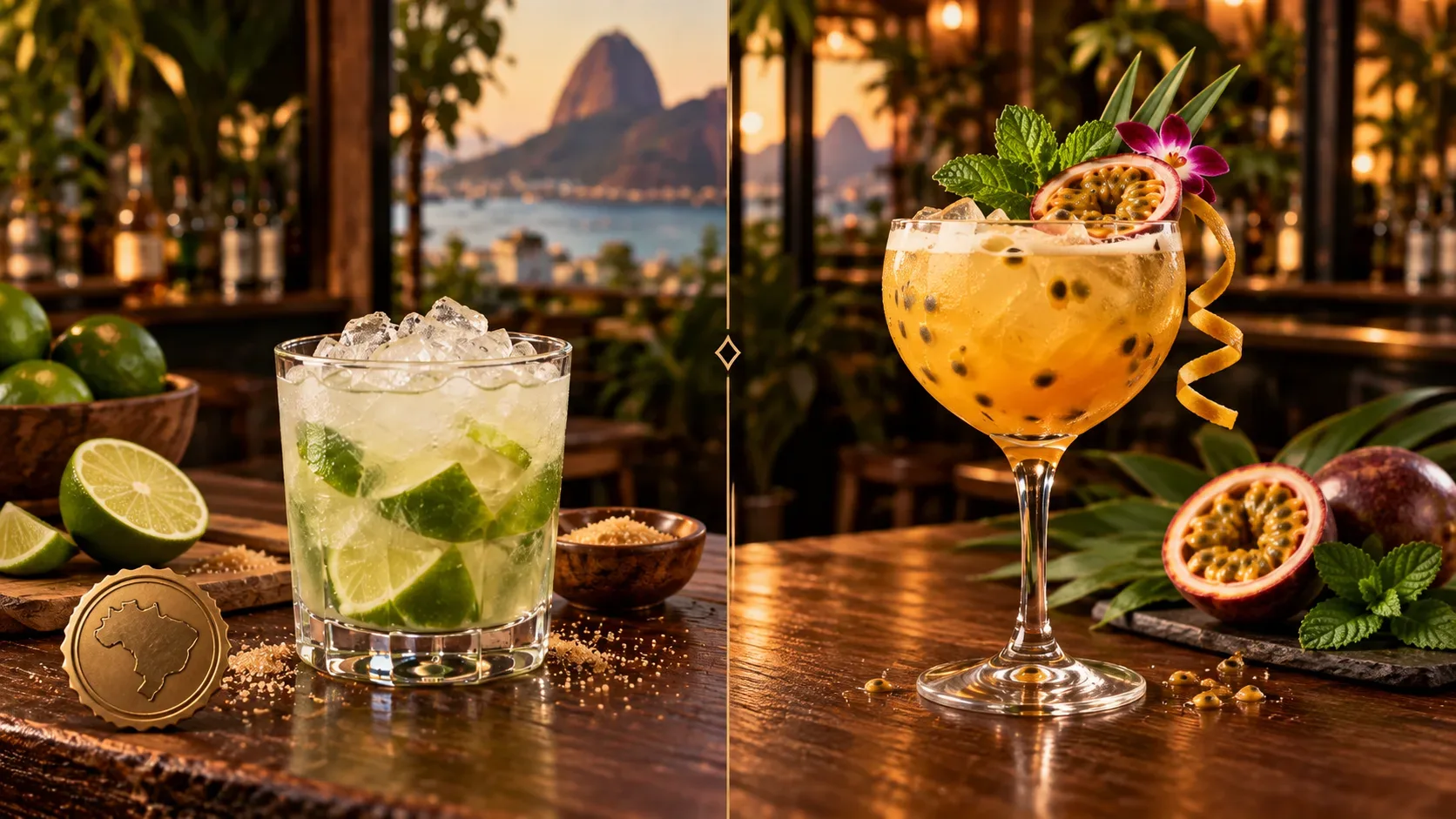
Brazilian law reserves the industrialized caipirinha identity for cachaça, lime and sugar. See what changes at a bar, when a recipe becomes a variation and when it belongs to the c...
Read article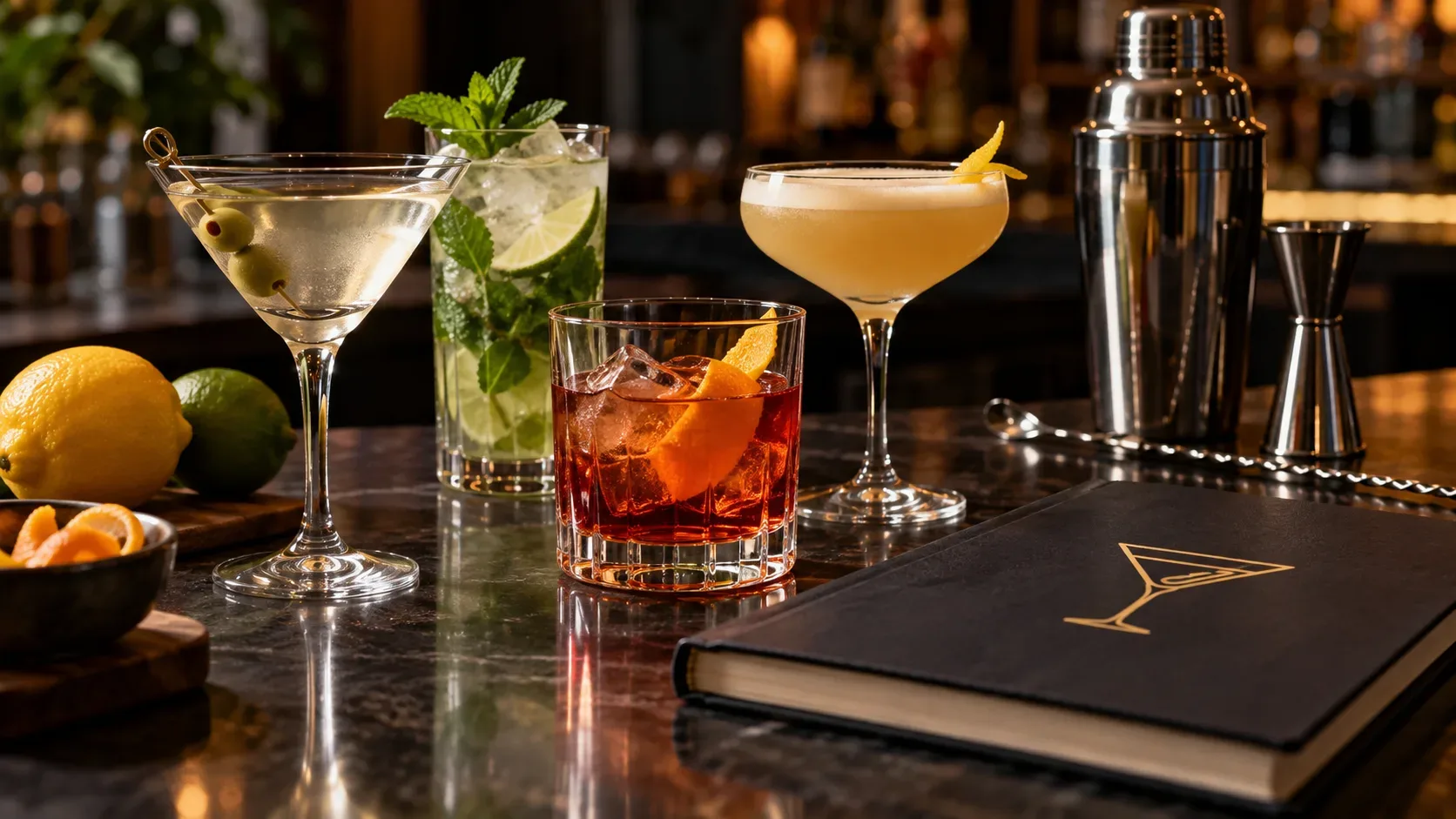
Learn what it means for a cocktail to appear on the IBA official list, how the categories work, and how to use its reference specification without treating it as the only valid rec...
Read article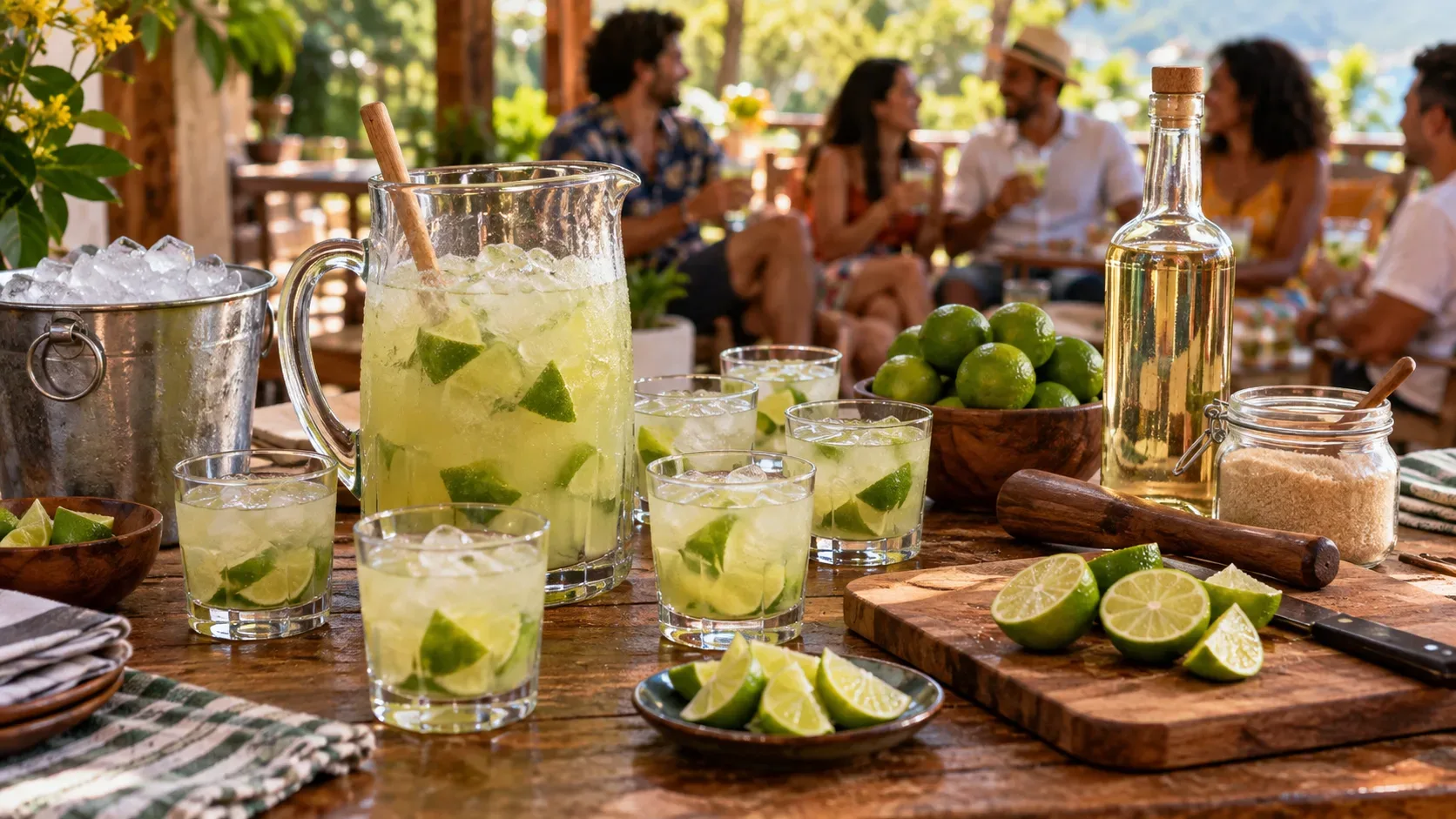
A practical way to size cachaça, limes and sugar for 20 caipirinhas, including a shopping buffer, mise en place and what should wait until serving.
Read article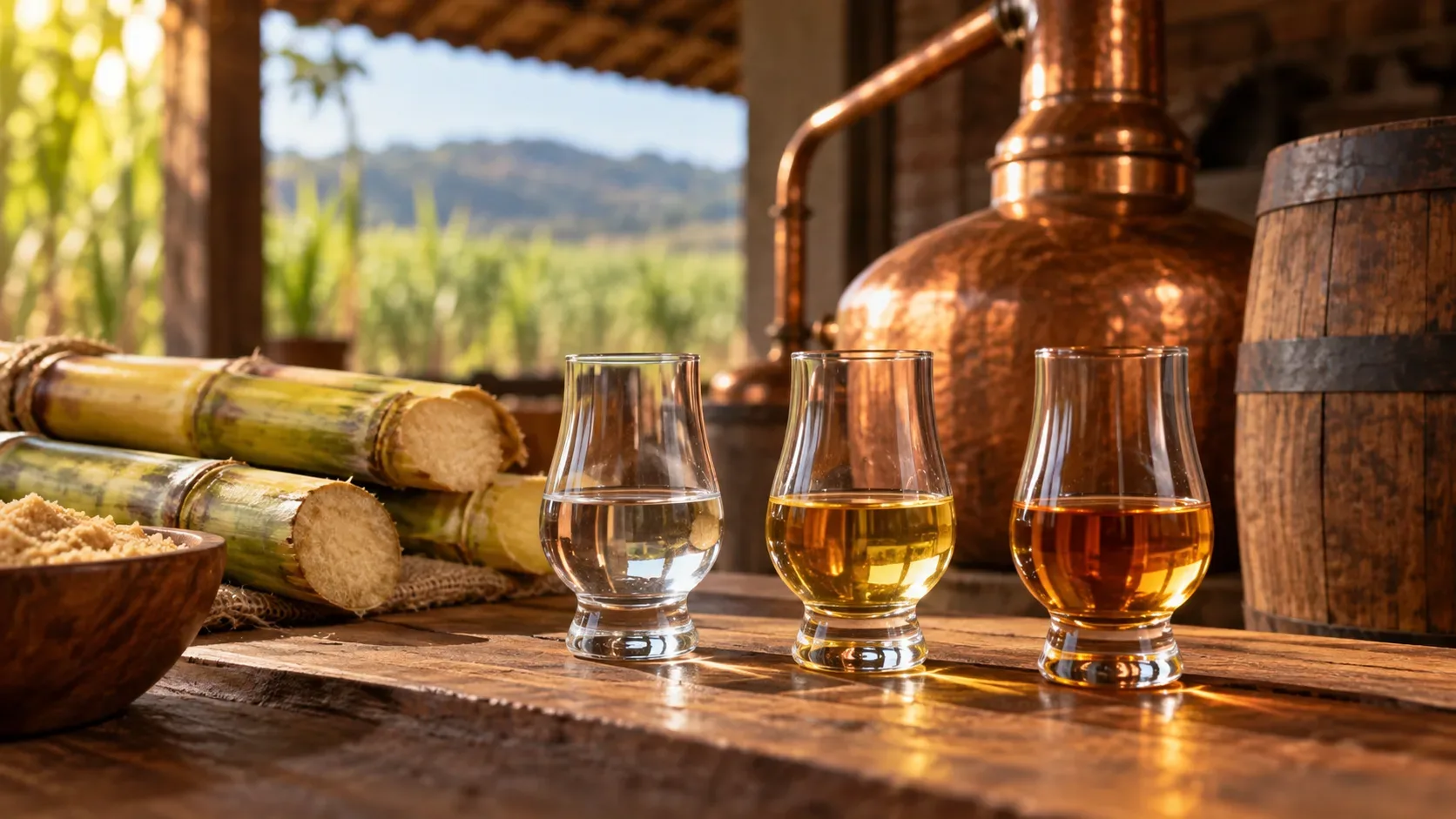
Understand the legal differences among aguardente de cana, cachaça and cachaça de alambique, including alcohol ranges, origin and distillation requirements.
Read articleUnderstand how the official IBA method combines whiskey, Angostura, sugar, water and ice, why each step changes flavor and how to spot imbalance.
Read articleSee how the Manhattan and Old Fashioned differ in ingredients, sweetness, bitters, service and flavor profile, and when each whiskey classic tends to fit better.
Read articleCompare three levels of mint handling in a Mojito and see why gentle mixing, light pressing and heavy muddling create different aromas and textures.
Read articleLearn how the gin-to-vermouth ratio changes a Dry Martini, what dry, wet, extra dry and 50/50 actually mean, and why dilution is a separate variable.
Read articleContent with the most views.
Recipes designed for birthdays, barbecues, gatherings, celebrations, pitchers and serving several people.
A practical way to size cachaça, limes and sugar for 20 caipirinhas, including a shopping buffer, mise en place and what should wait until serving.
Read articleNo articles published yet.
Caipirinhas, batidas and other cocktails connected to Brazilian beverages, ingredients and traditions.
Brazilian law reserves the industrialized caipirinha identity for cachaça, lime and sugar. See what changes at a bar, when a recipe becomes a variation and when it belongs to the c...
Read articleUnderstand the legal differences among aguardente de cana, cachaça and cachaça de alambique, including alcohol ranges, origin and distillation requirements.
Read articleEstablished cocktail recipes with preparation, proportions, techniques and context for making them at home.
Understand how the official IBA method combines whiskey, Angostura, sugar, water and ice, why each step changes flavor and how to spot imbalance.
Read articleSee how the Manhattan and Old Fashioned differ in ingredients, sweetness, bitters, service and flavor profile, and when each whiskey classic tends to fit better.
Read articleLearn how the gin-to-vermouth ratio changes a Dry Martini, what dry, wet, extra dry and 50/50 actually mean, and why dilution is a separate variable.
Read articleThe IBA uses equal parts gin, Campari and sweet vermouth. See what changes in gin-forward or bitter-forward versions and why dilution is a separate variable.
Read articleIce, glassware, syrups, tools, measurements, methods and fundamentals for making and serving better drinks.
Compare three levels of mint handling in a Mojito and see why gentle mixing, light pressing and heavy muddling create different aromas and textures.
Read articleNo articles published yet.
Jeferson Drinks is a blog for people who enjoy making, learning about, and discovering drinks.
The recipe is the starting point. In addition to ingredients and preparation, we explain techniques, measurements, types of ice, glassware, combinations, serving methods, and, when reliable sources are available, the history and origin of cocktails.
The blog explores Brazilian cocktail culture, major bar classics, international recipes, party drinks, and alcohol-free alternatives. From a properly made caipirinha to a Negroni, Mojito, Margarita, or a recipe prepared for a full pitcher, the goal is to show how to achieve a balanced result without making cocktail preparation unnecessarily complicated.
There is also room to understand ingredients, tools, and bar concepts: when to stir or shake a drink, how much ice to use, how to prepare syrups, how to scale quantities for guests, and why small changes can affect flavor, aroma, and texture.
Jeferson Drinks is not meant to be just a collection of recipes. The idea is to help readers understand what they are putting in the glass and prepare each drink with more safety, context, and confidence.
When alcoholic beverages are involved, the content is intended for adults and encourages responsible consumption.