Category

Historical Myths

Often-repeated historical stories examined in light of sources, context and disagreements between interpretations.

10articles
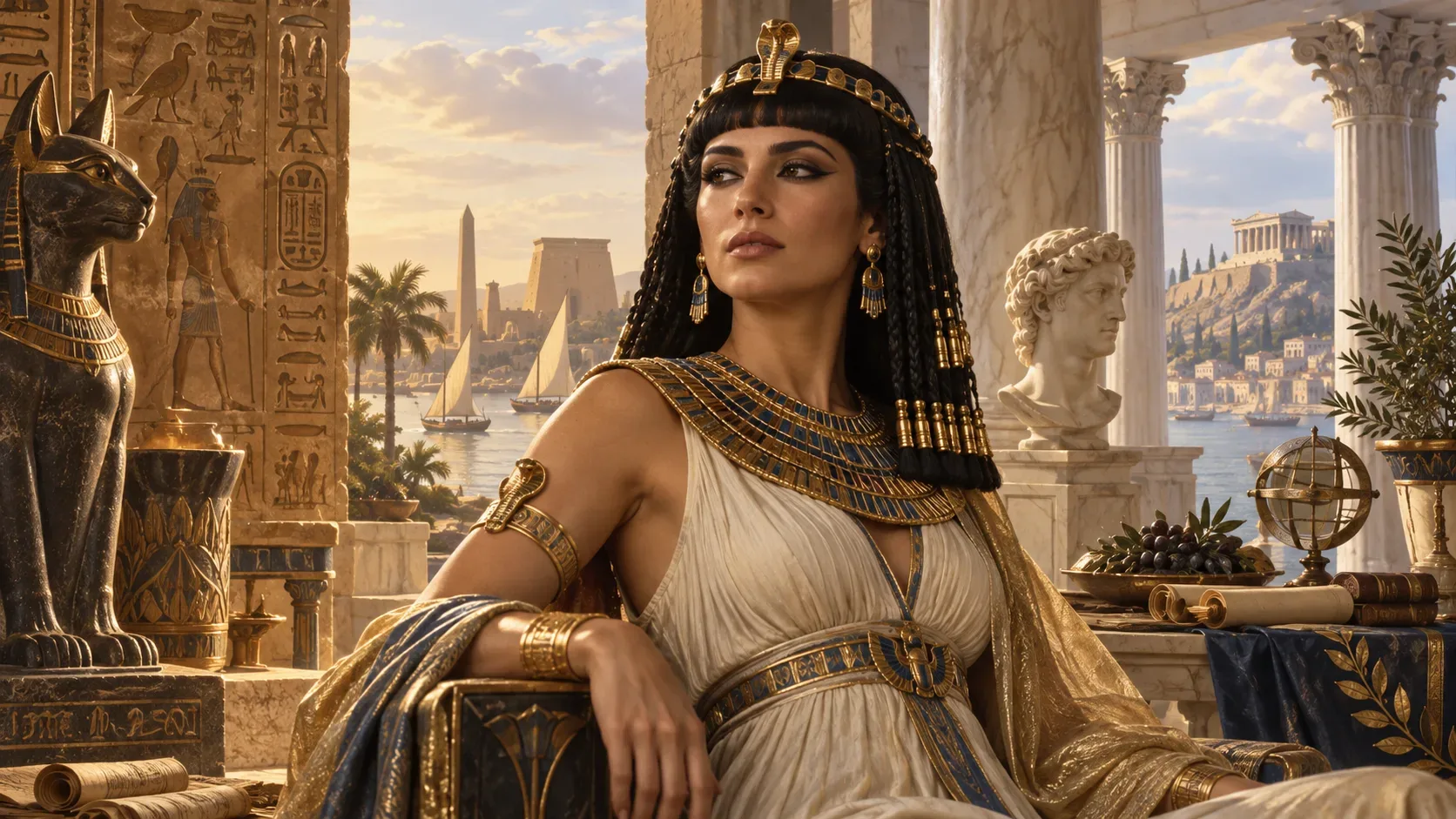
Representação artística de Cleópatra em primeiro plano, entre elementos de arquitetura e iconografia egípcias à esquerda e referências helenísticas gregas à direita.
Historical Myths12/09/20267 min read

Was Cleopatra Greek or Egyptian? Dynasty, birthplace, and identity

Cleopatra belonged to the Macedonian Greek Ptolemaic dynasty, was born in Egypt, and ruled Egypt. Here is what is documented, what remains uncertain, and why modern racial labels o...

Read article
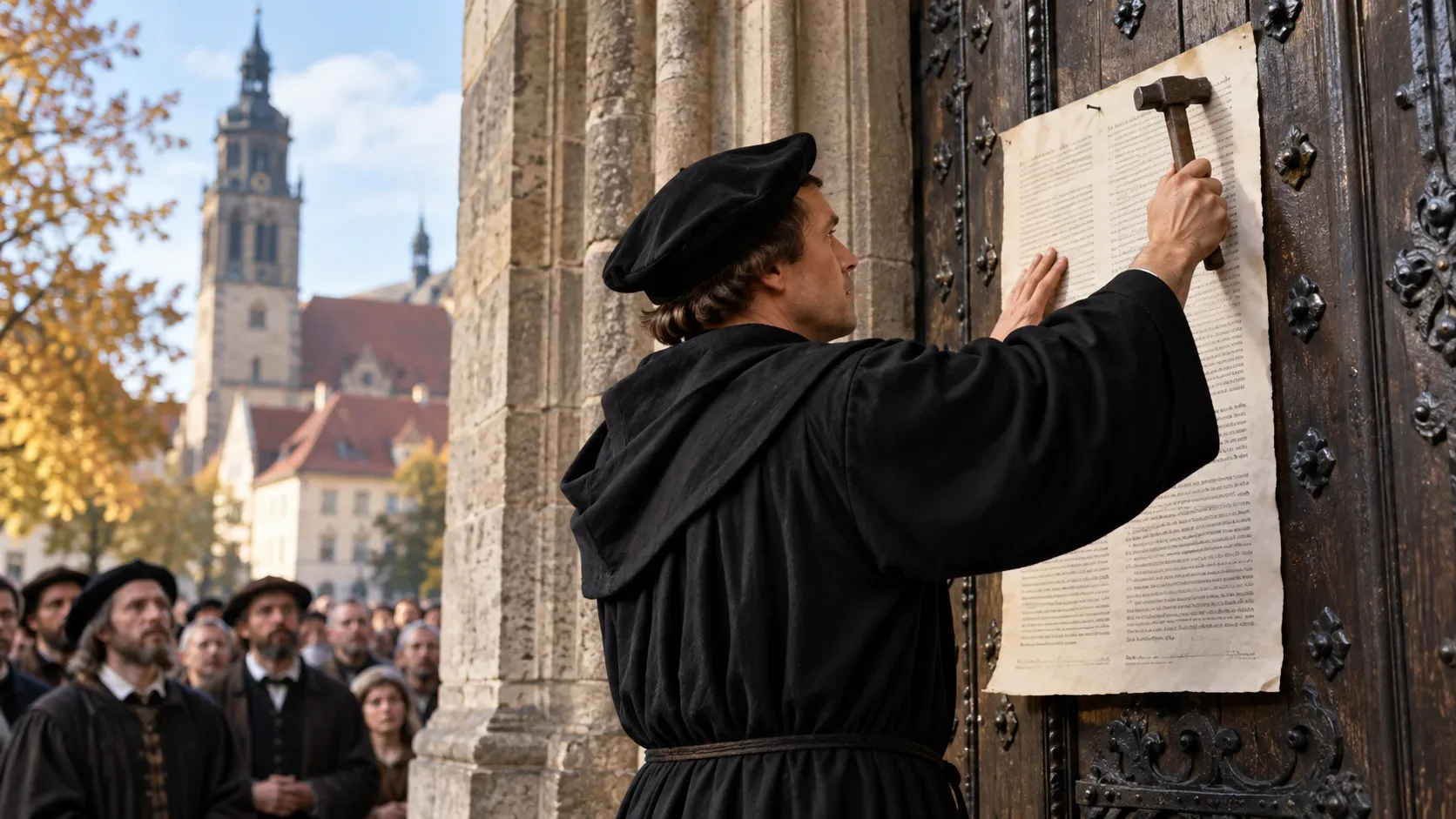
Reformador em traje preto fixa com martelo um pergaminho em uma grande porta de madeira de igreja, com multidão e cidade histórica ao fundo.
Historical Myths11/09/20266 min read

Did Luther really nail the 95 Theses to a church door? What is documented in 1517 and what became tradition

The 95 Theses and the letter of 31 October are well documented; the famous hammering at Wittenberg is plausible, but not proven with the same level of certainty.

Read article
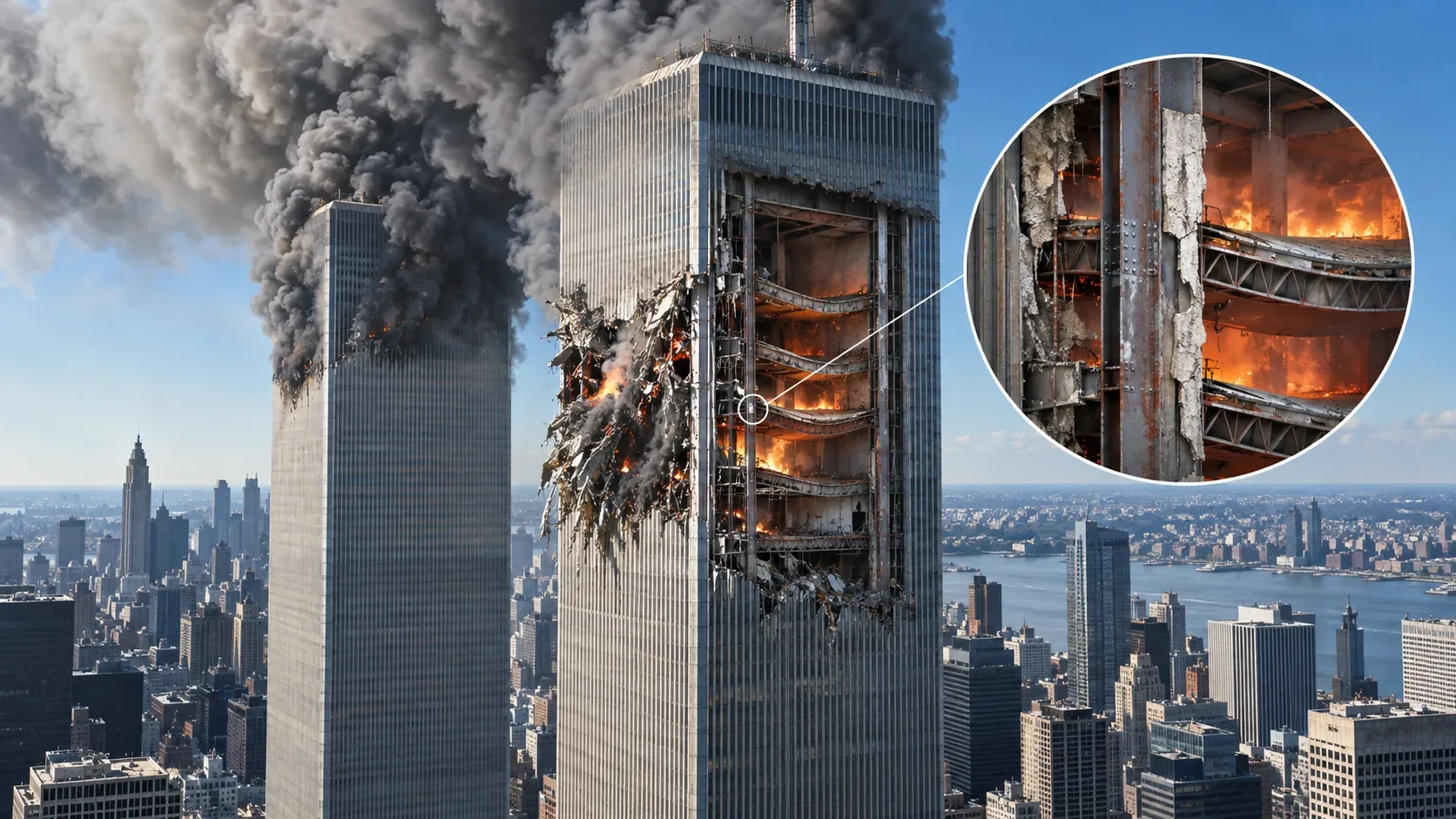
Torres Gêmeas com fumaça sobre Manhattan, uma delas em corte com andares em chamas e ampliação circular mostrando a estrutura de aço deformada.
Historical Myths10/09/20267 min read

Why Did the Twin Towers Collapse If the Steel Did Not Melt? What NIST Concluded

NIST did not attribute the collapses to melted steel: impact damage, dislodged fireproofing, fires, and structural deformation acted together.

Read article
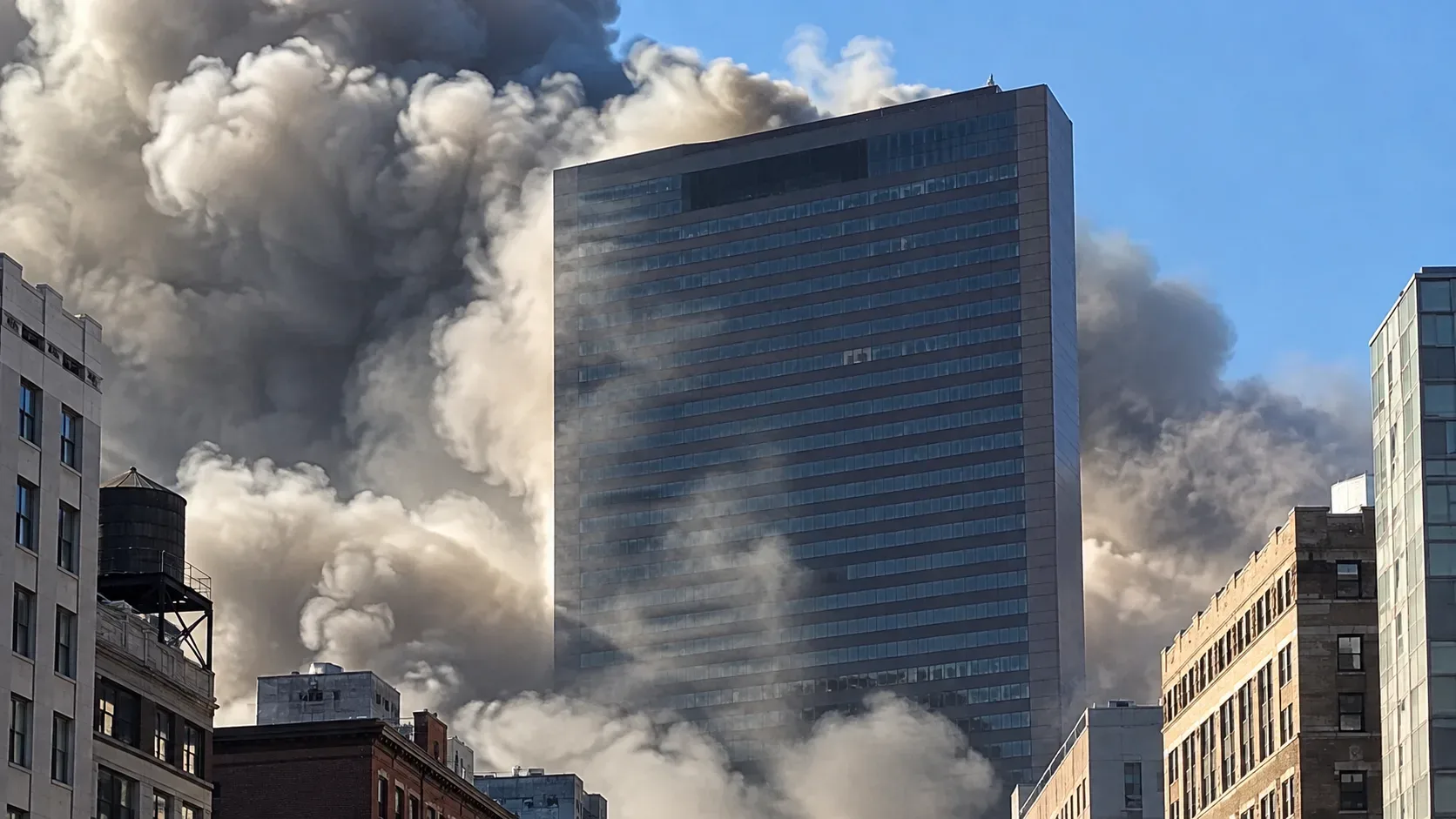
Arranha-céu de fachada escura cercado por fumaça densa em uma paisagem urbana sob céu azul.
Historical Myths07/09/20268 min read

World Trade Center 7: why did it collapse on 9/11 without being hit by a plane?

What NIST concluded about fires, thermal expansion, Column 79, free fall and alternative hypotheses in the collapse of WTC 7.

Read article
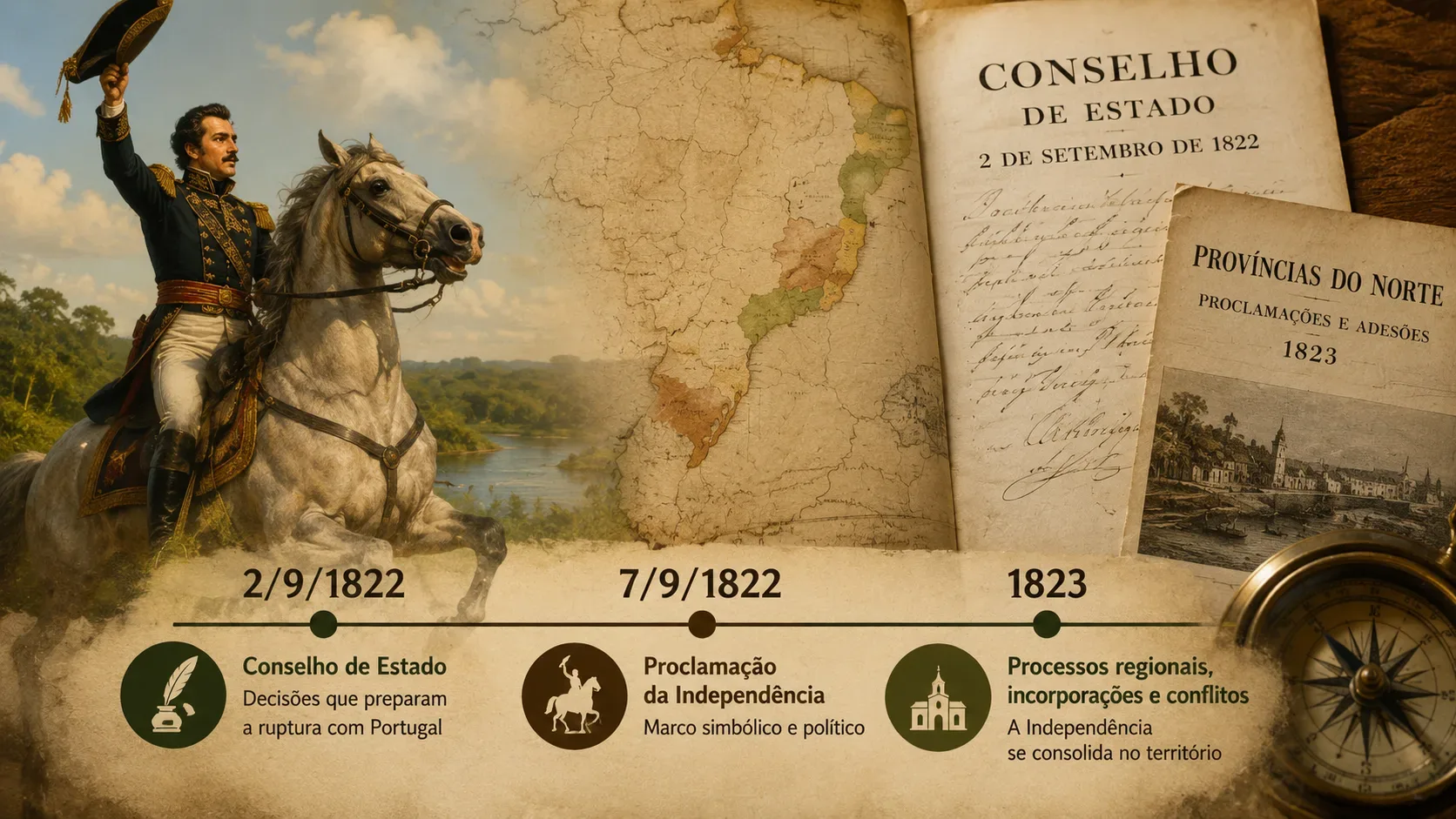
Montagem histórica com D. Pedro a cavalo, mapa antigo do Brasil, documentos e linha do tempo destacando 2/9/1822, 7/9/1822 e 1823.
Historical Myths01/09/20266 min read

Did September 7 End Brazil’s Independence? The Timeline from September 2, 1822 Through 1823 That the Cry of Ipiranga Leaves Out

September 7 is Brazil’s national landmark of the break with Portugal, but decisions before it and provincial conflicts in 1823 reveal a longer process.

Read article
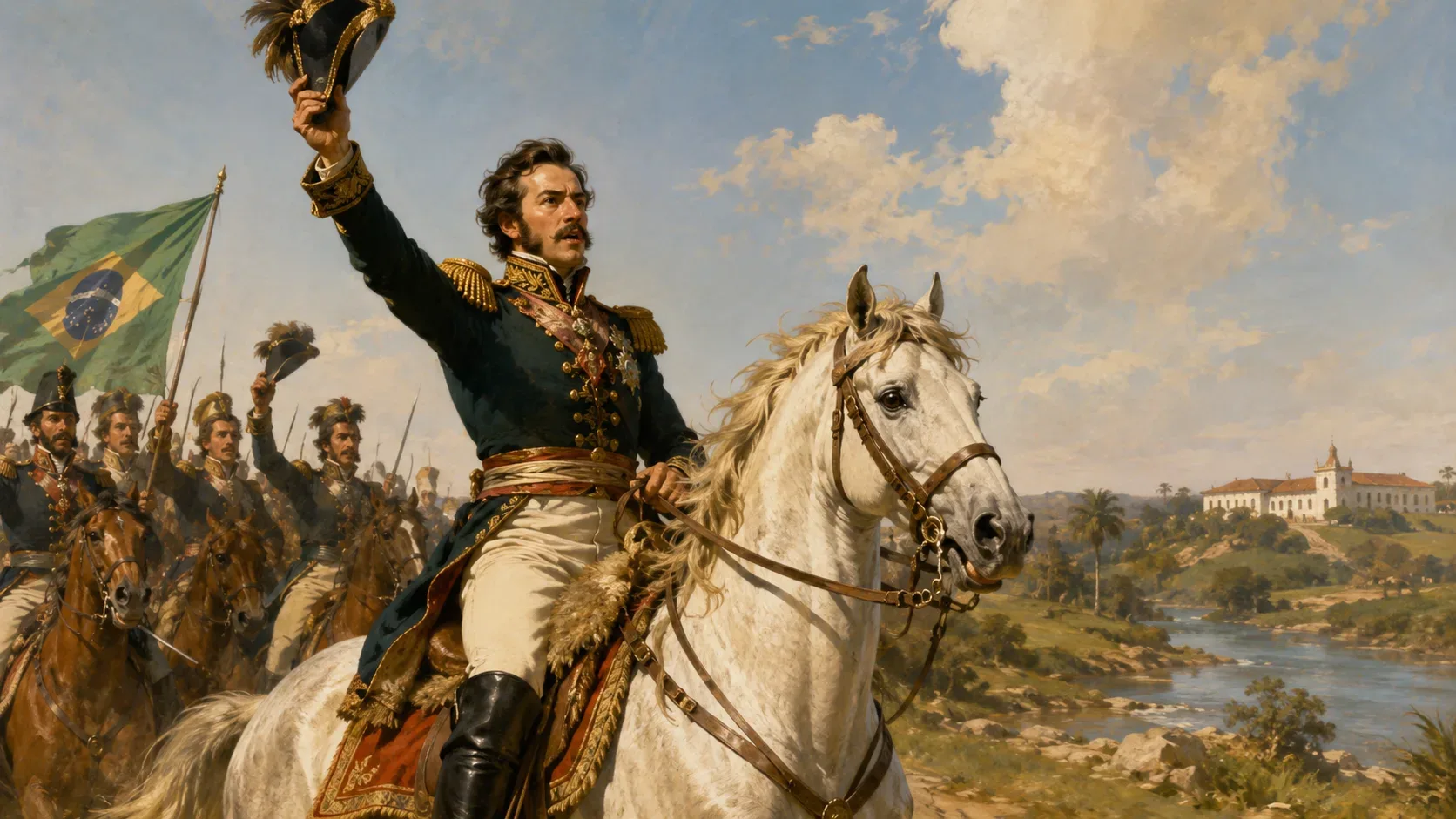
Representação pictórica heroica de Dom Pedro I montado em cavalo branco, erguendo o chapéu diante de cavaleiros e de uma bandeira brasileira em paisagem aberta.
Historical Myths31/08/20267 min read

Did Dom Pedro I really shout “Independence or Death”? What the eyewitness accounts support — and what Pedro Américo’s painting added

The phrase is supported by participants’ accounts, but not by a word-for-word contemporary record. See what the witnesses recalled and how the 1888 painting fixed the scene in publ...

Read article
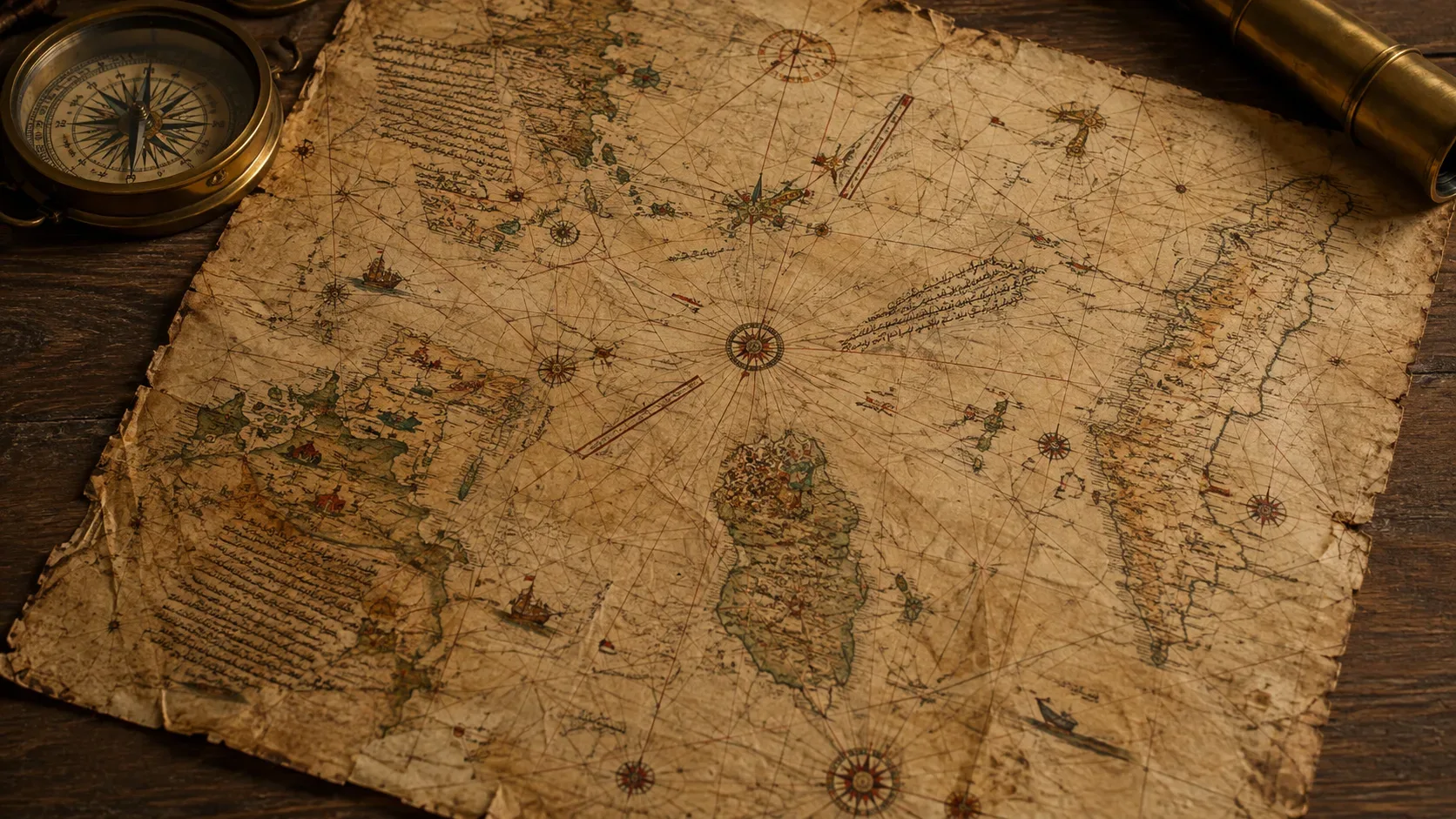
Carta náutica antiga sobre mesa de madeira, com bússola à esquerda e luneta à direita.
Historical Myths31/08/20267 min read

Does the Piri Reis map show an ice-free Antarctica? What the 1513 map actually depicts

The Piri Reis map is authentic, but the ice-free Antarctica reading does not hold up well against the document itself, cartographic history, and geology.

Read article
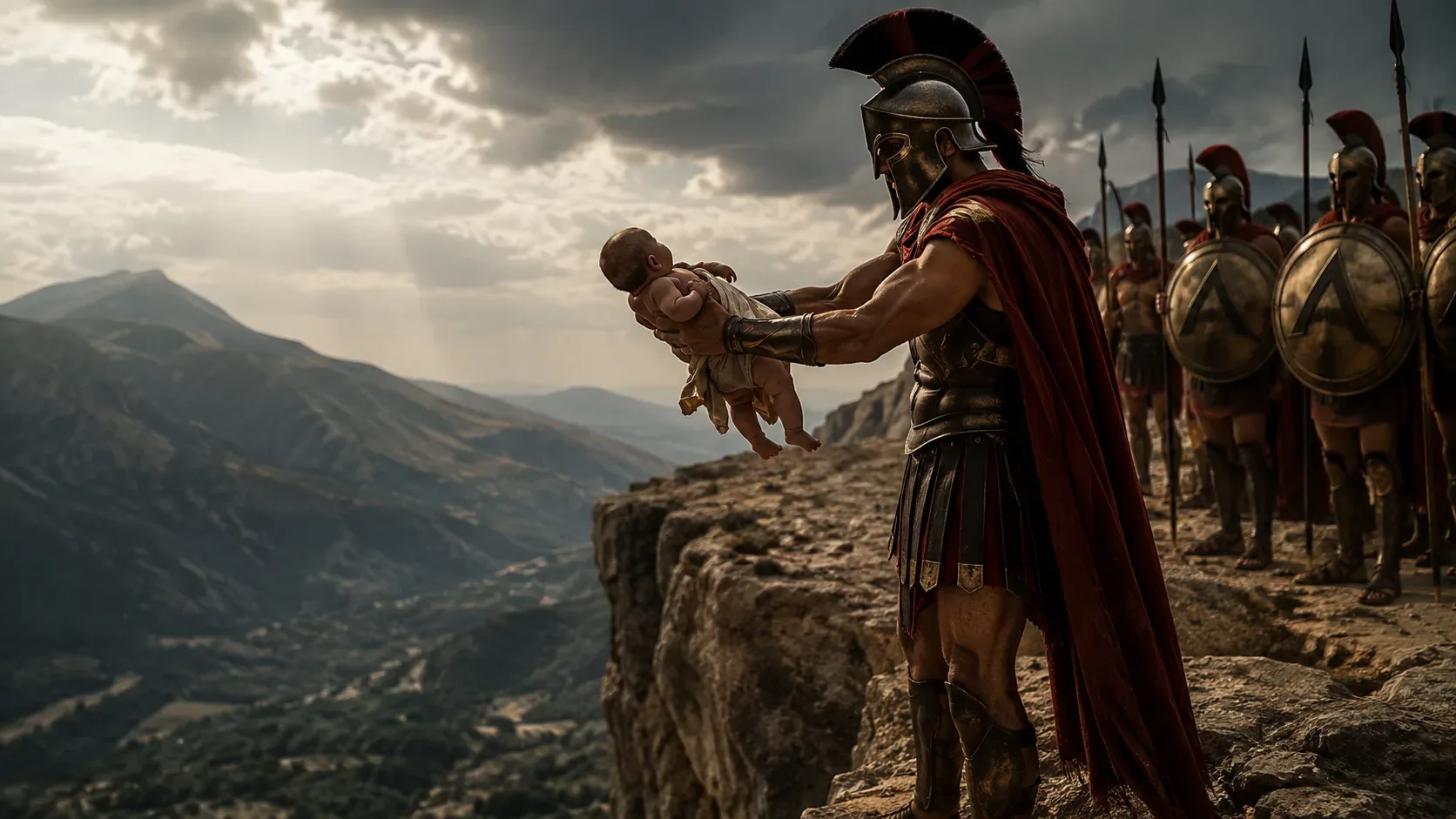
Guerreiro espartano de armadura segura um bebê diante de um precipício, com soldados e montanhas ao fundo.
Historical Myths31/08/20267 min read

Did Spartans Throw Babies Off a Cliff? What Plutarch Says—and What Archaeology Has Not Found

Plutarch describes the inspection of children and the sending of rejected ones to the Apothetae, but he does not describe babies being hurled. Archaeology at Kaiadas has not confir...

Read article
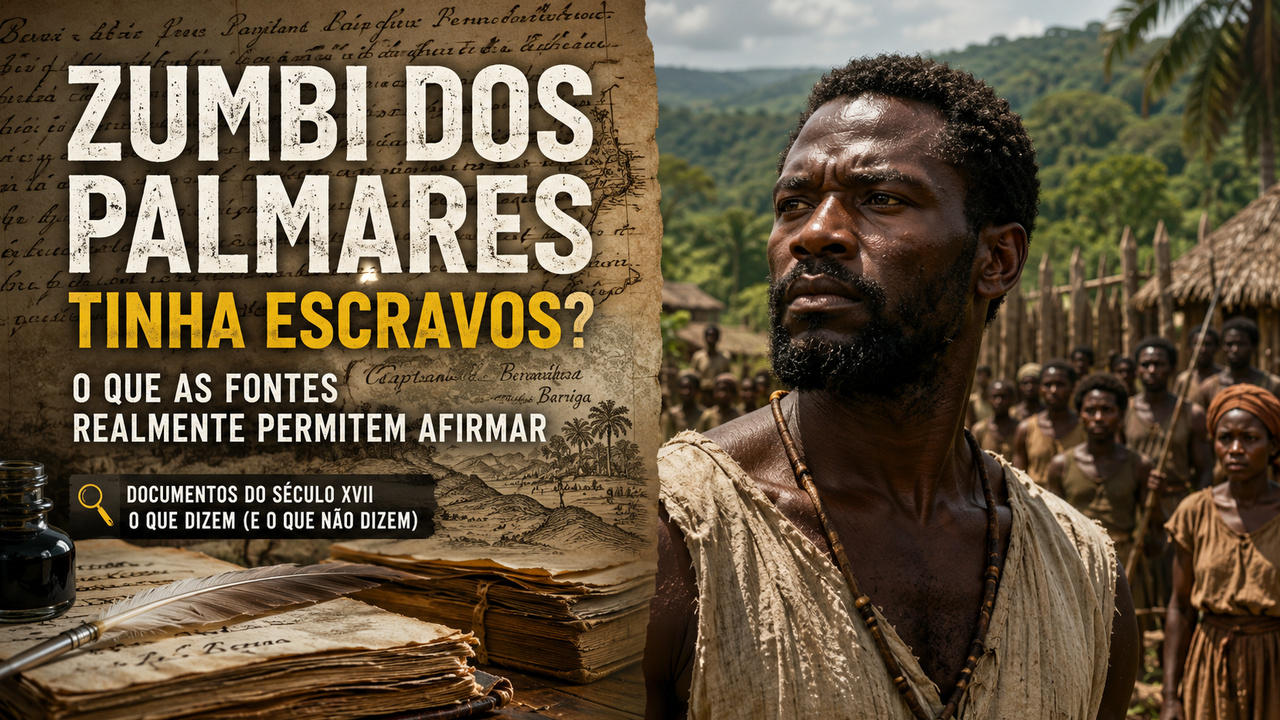
Ilustração editorial de um líder negro diante de um povoado fortificado de Palmares, ao lado de manuscritos antigos e mapas coloniais.
Historical Myths20/08/202611 min read

Did Zumbi dos Palmares have slaves? What do 17th century documents really allow us to say?

Palmares' documentation records hierarchies, fugitives, prisoners and people taken in attacks, but does not prove that Zumbi owned slaves.

Read article
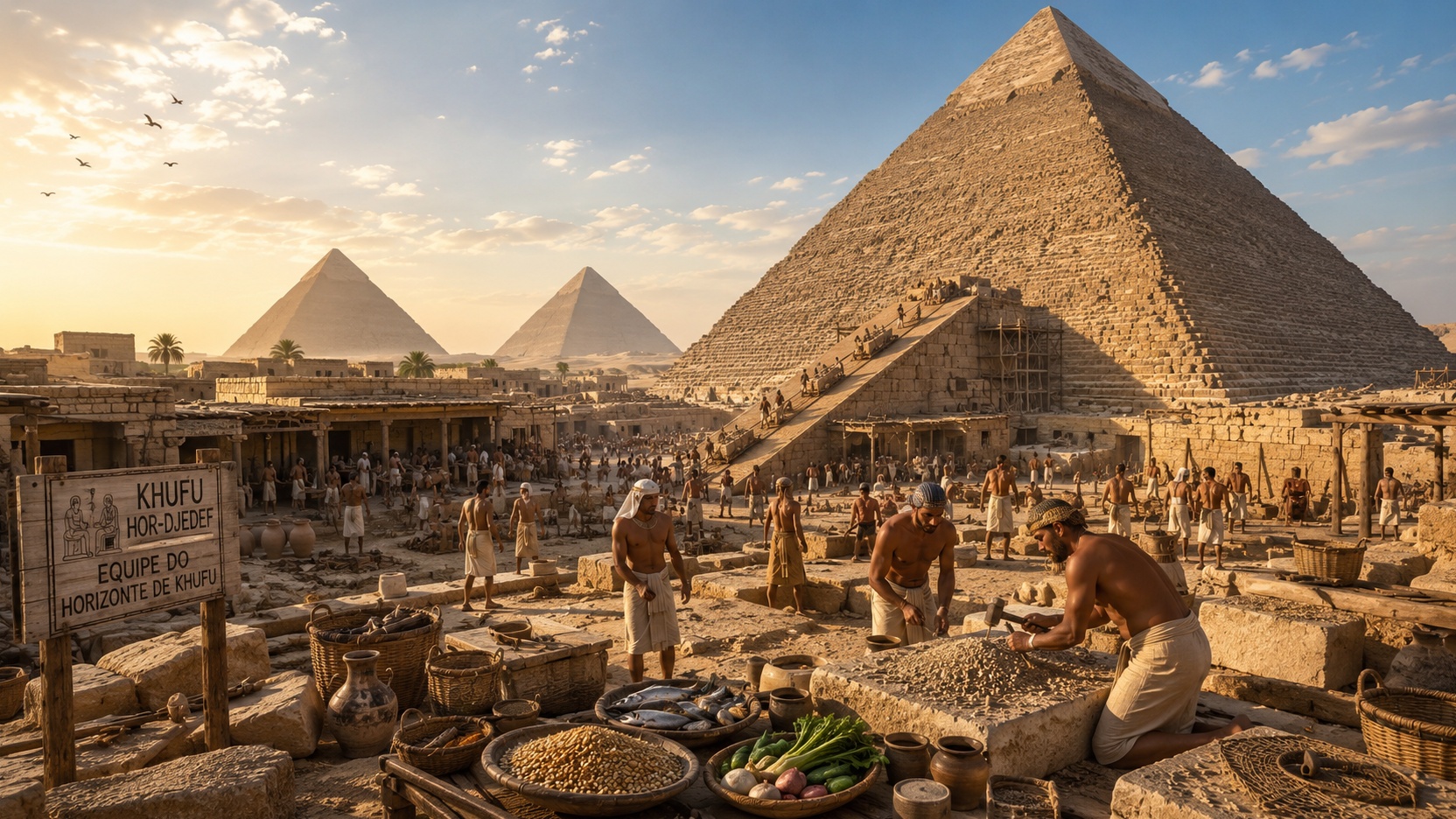
Ilustração editorial de um grande canteiro de obras em Gizé, com trabalhadores talhando pedra, oficinas, alimentos, assentamento e pirâmides ao fundo.
Historical Myths16/08/20268 min read

Were the Egyptian pyramids built by slaves? What Archeology Really Shows About Giza Workers

Excavations at Giza reveal housing, workshops, food, staff and administration. The whole weakens the myth of slaves, but does not prove that all work was free.

Read article