
Prompts with examples: when few-shot helps and when it only adds noise
Learn when examples genuinely improve a prompt, when they only add unnecessary context, and how to compare zero-shot and few-shot with a representative test set.
Read articleReady-to-use prompts and guides for getting more from AI. Learn prompt engineering, context, tokens, memory, testing, and techniques for improving response quality.
Learn when examples genuinely improve a prompt, when they only add unnecessary context, and how to compare zero-shot and few-shot with a representative test set.
Read article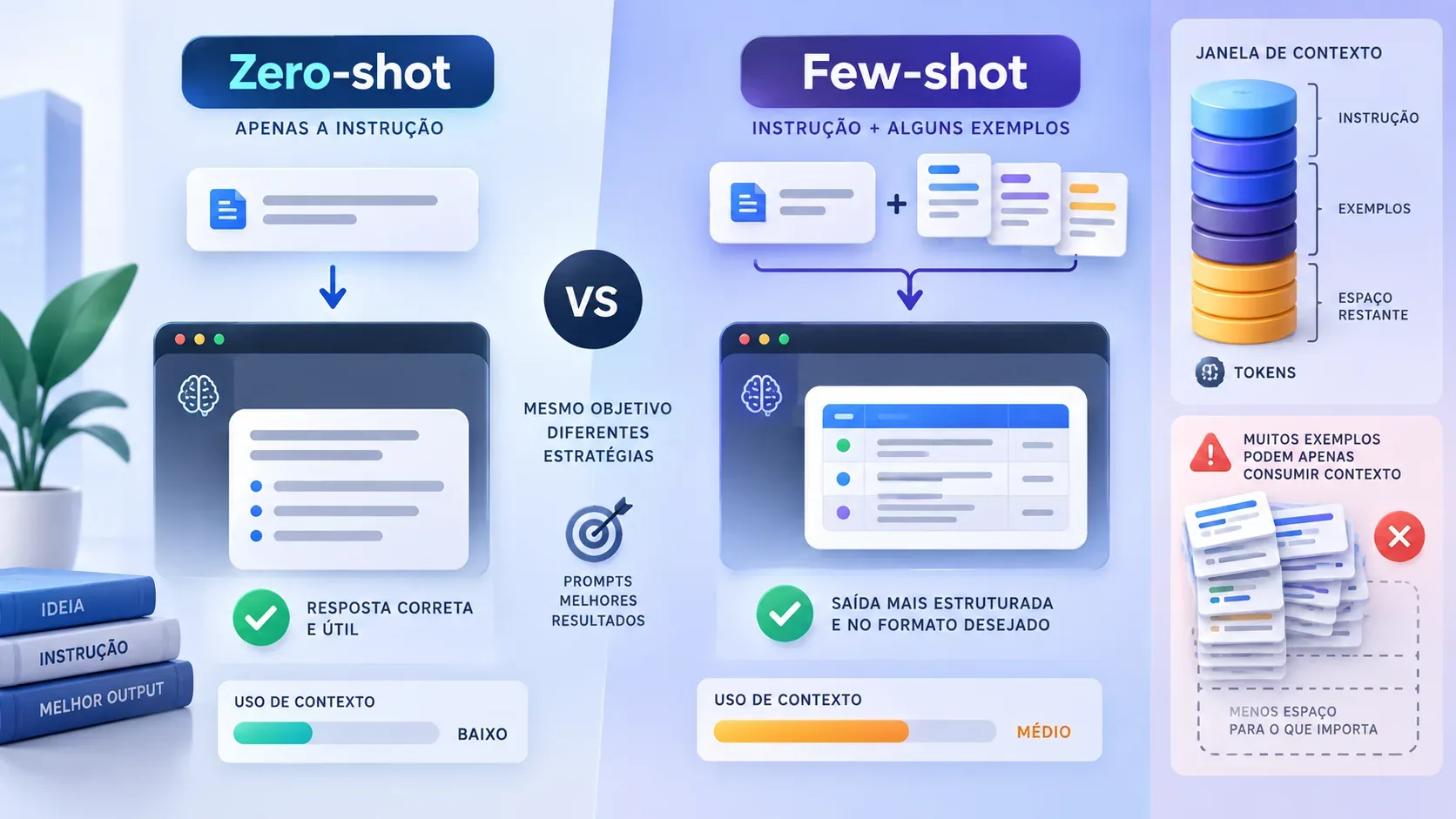
Compare instructions without examples and prompts with demonstrations on the same test cases to measure format, accuracy, and token cost.
Read article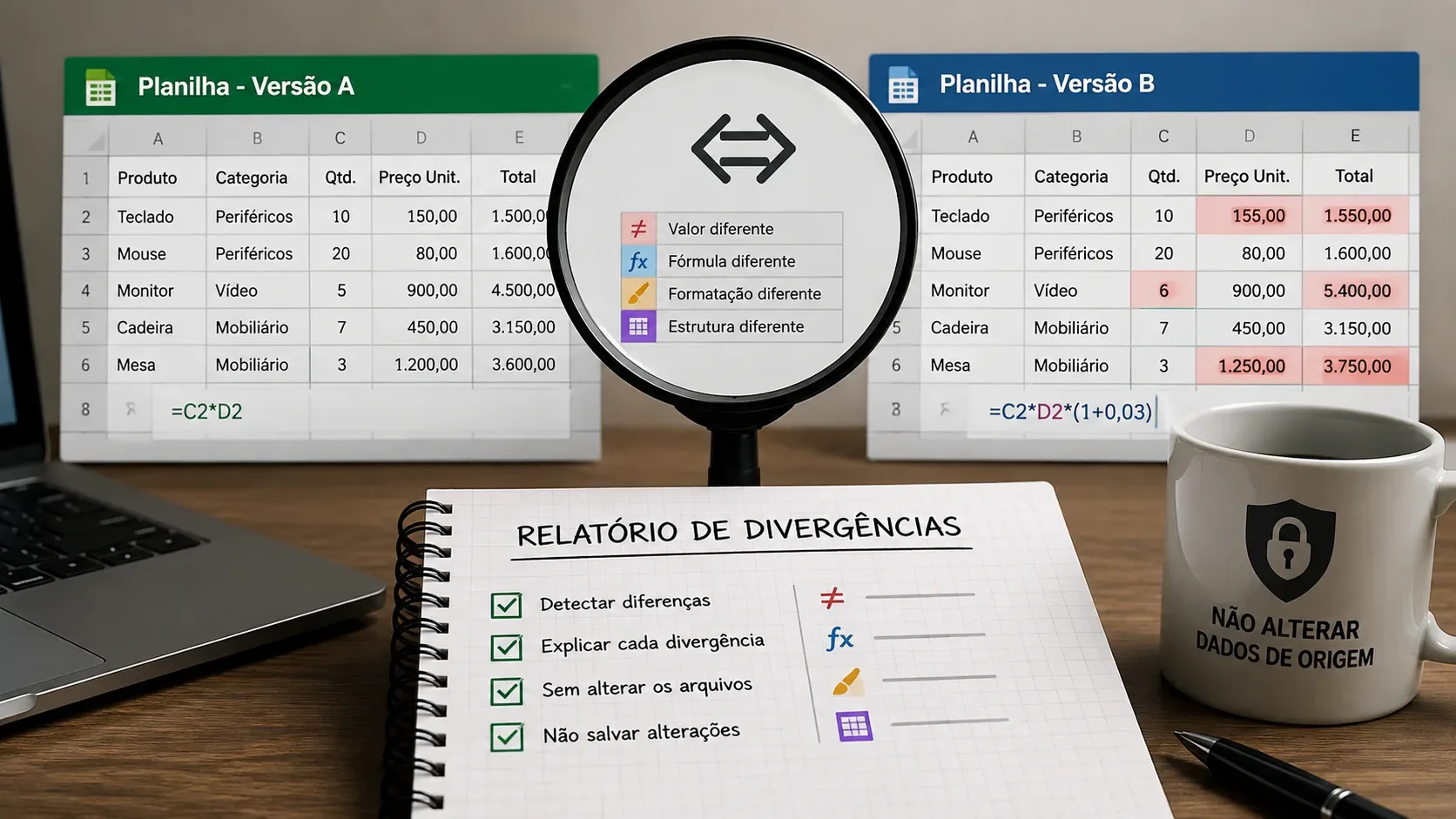
A prompt template for comparing File A and File B in read-only mode, finding differences in structure, values, formulas, and formatting, and producing a traceable report.
Read article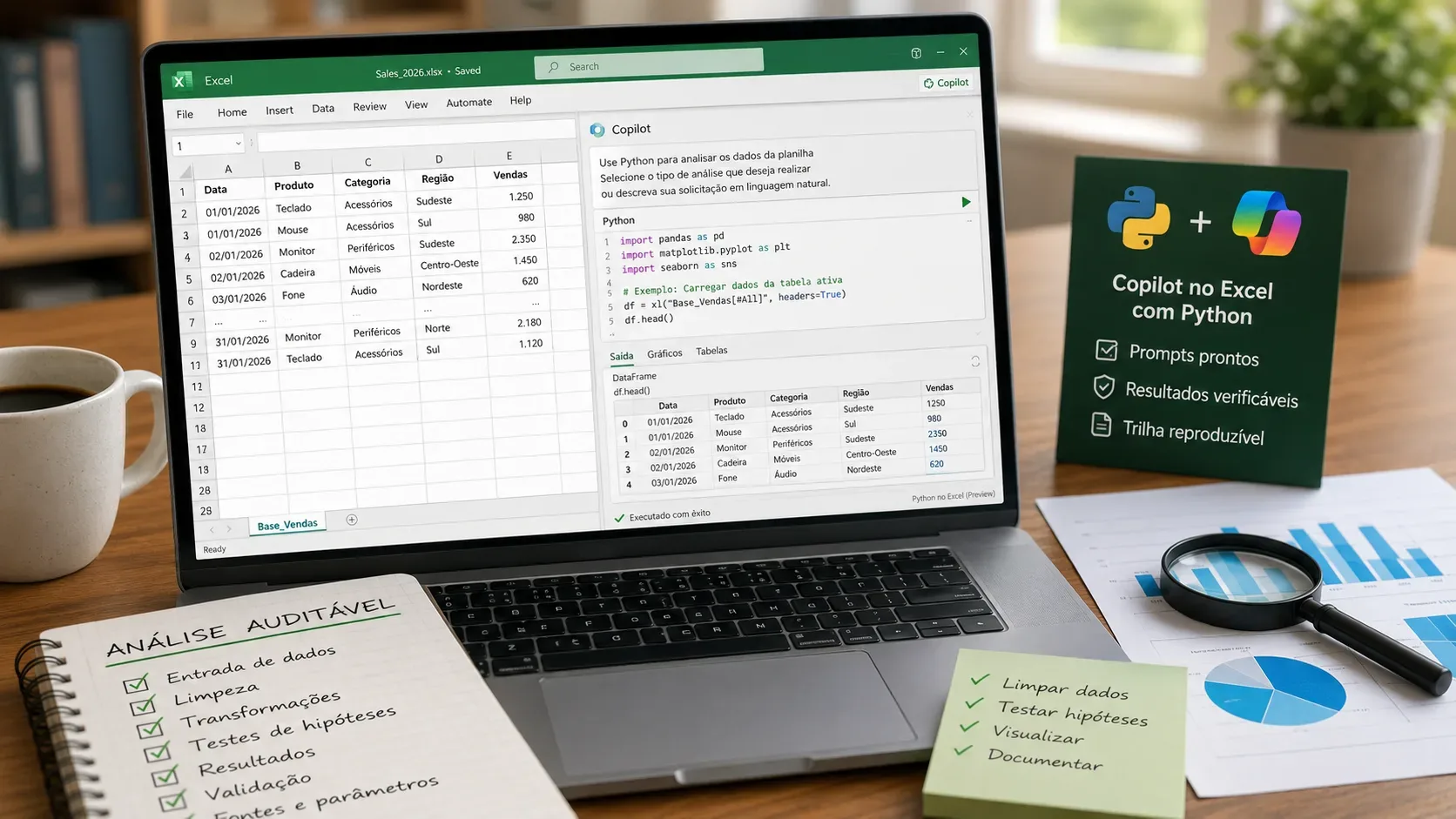
Ready-to-use prompts for Python through Copilot in Excel with explicit inputs, checkpoints, validation, and an audit trail.
Read article
A reusable prompt for analyzing Excel or CSV files with schema inventory, data-quality diagnosis, a plan before edits, calculation traceability, and sanity checks.
Read article
A reproducible method to prove whether untrusted content can divert an agent, trigger tools, leak data, or persist instructions before production.
Read article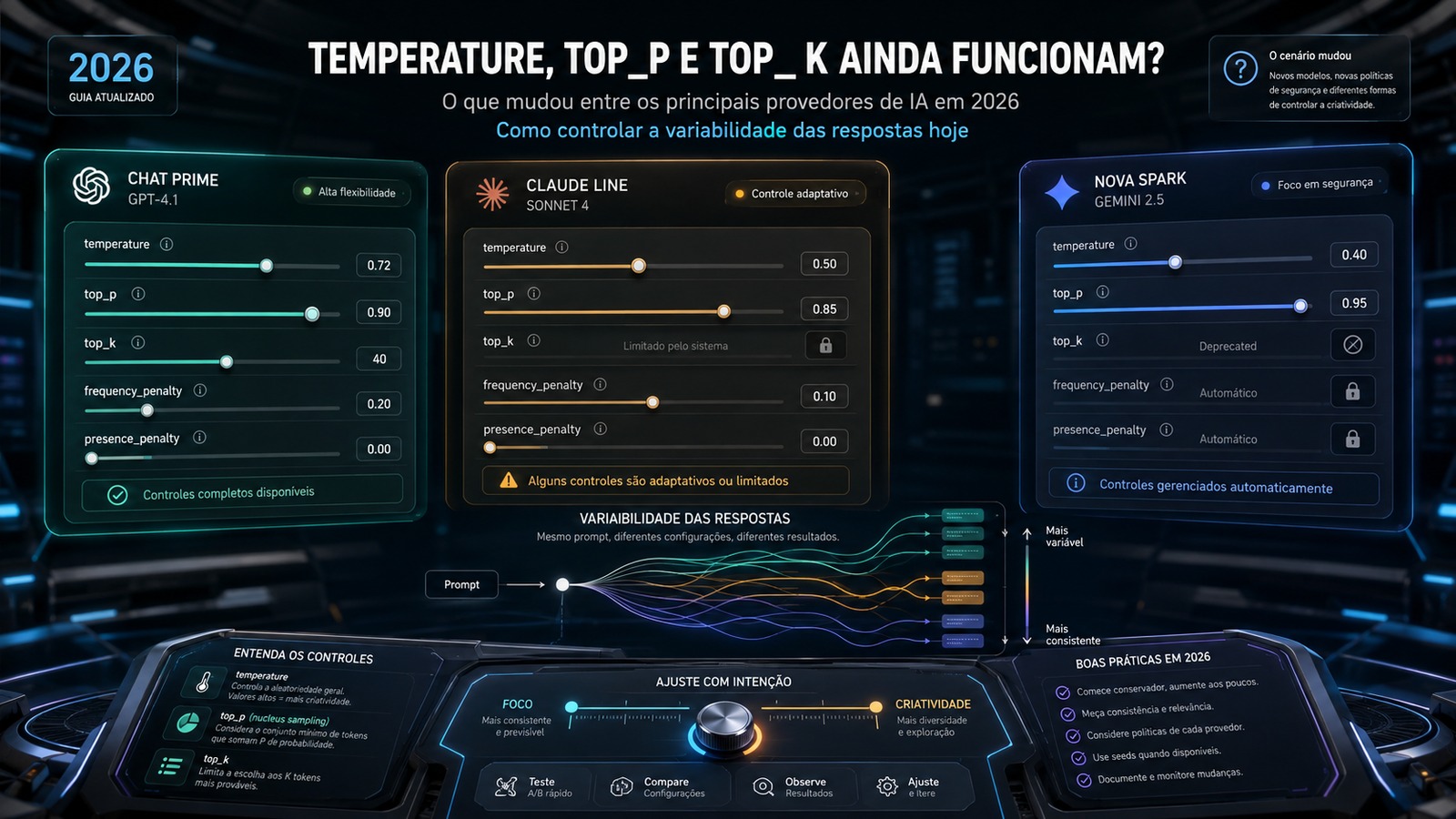
In 2026, classic sampling controls are no longer universal. See where they still work, where they cause errors, and which settings control variability now.
Read article
Understand how ChatGPT Project memory modes affect instructions, files, chats, and outside context, including plan differences and tests for isolation.
Read article
OpenAI, Claude, and Gemini separate high-level instructions from the user's request, but their APIs use different roles, fields, and precedence rules.
Read article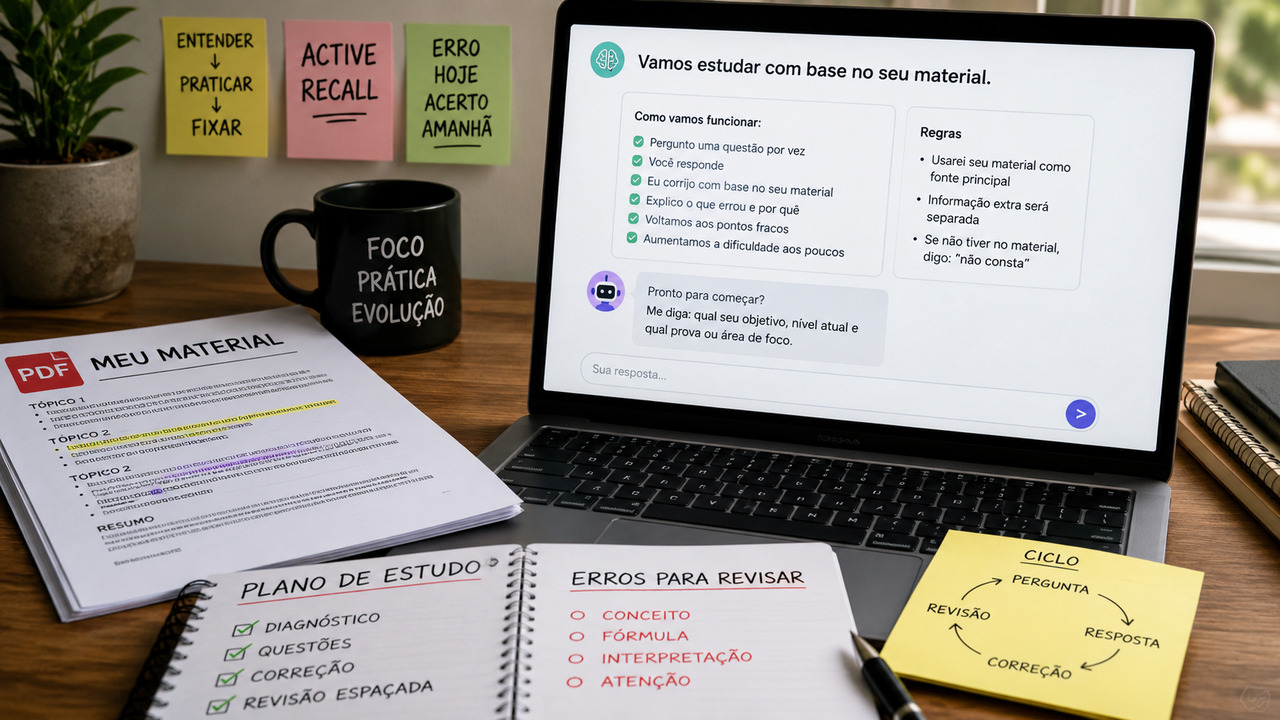
Use a modular prompt to turn PDFs, slides, and notes into an active recall session, one question at a time, proofreading material, and reviewing weaknesses.
Read article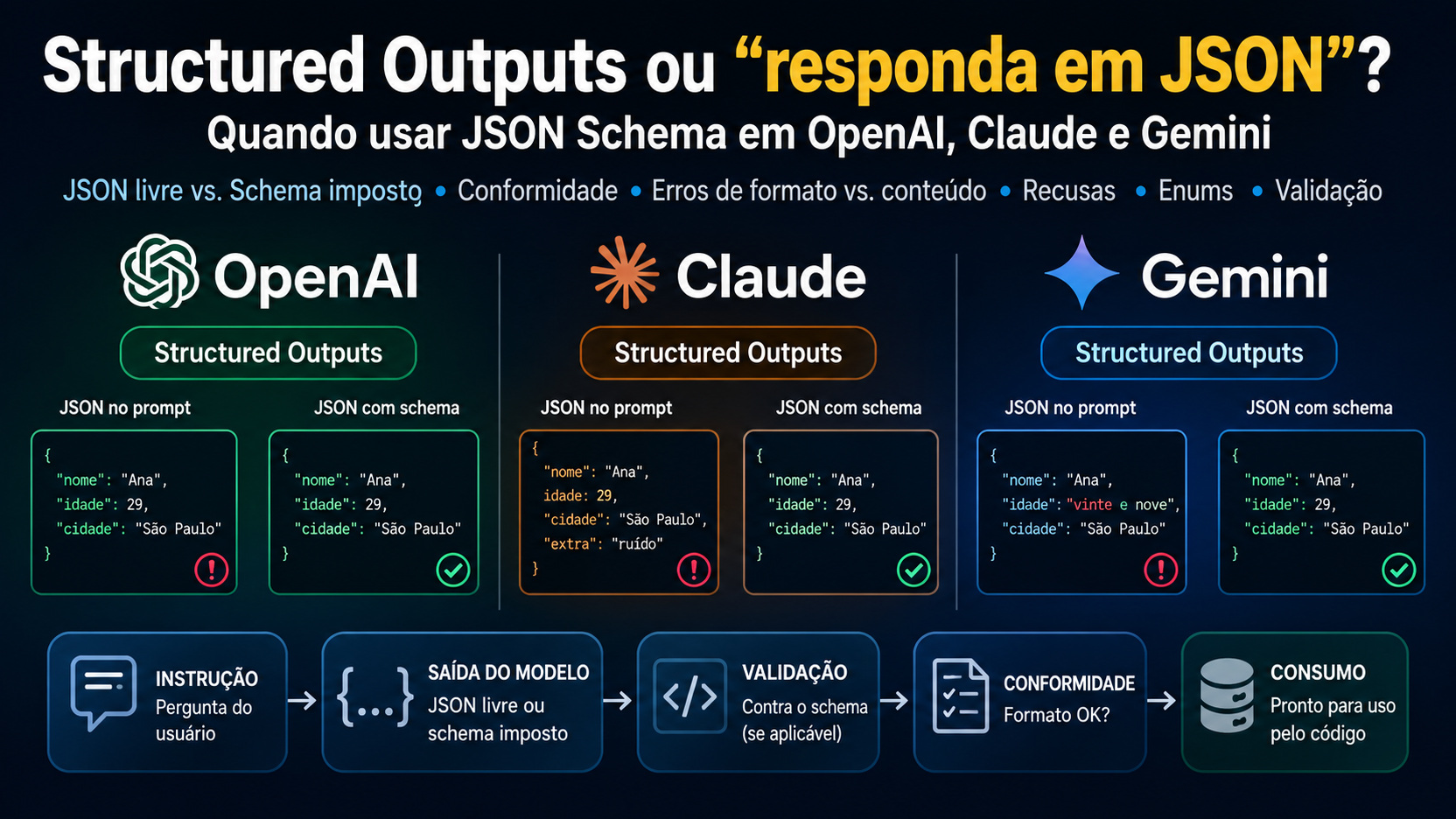
Requesting JSON, enabling an output mode and imposing a schema solve different problems. See when each approach is sufficient and where it is still necessary to validate content.
Read article
A practical guide to deciding between a single call and a staged flow, comparing dependencies, validation, failures, state, latency, cost, and testing.
Read article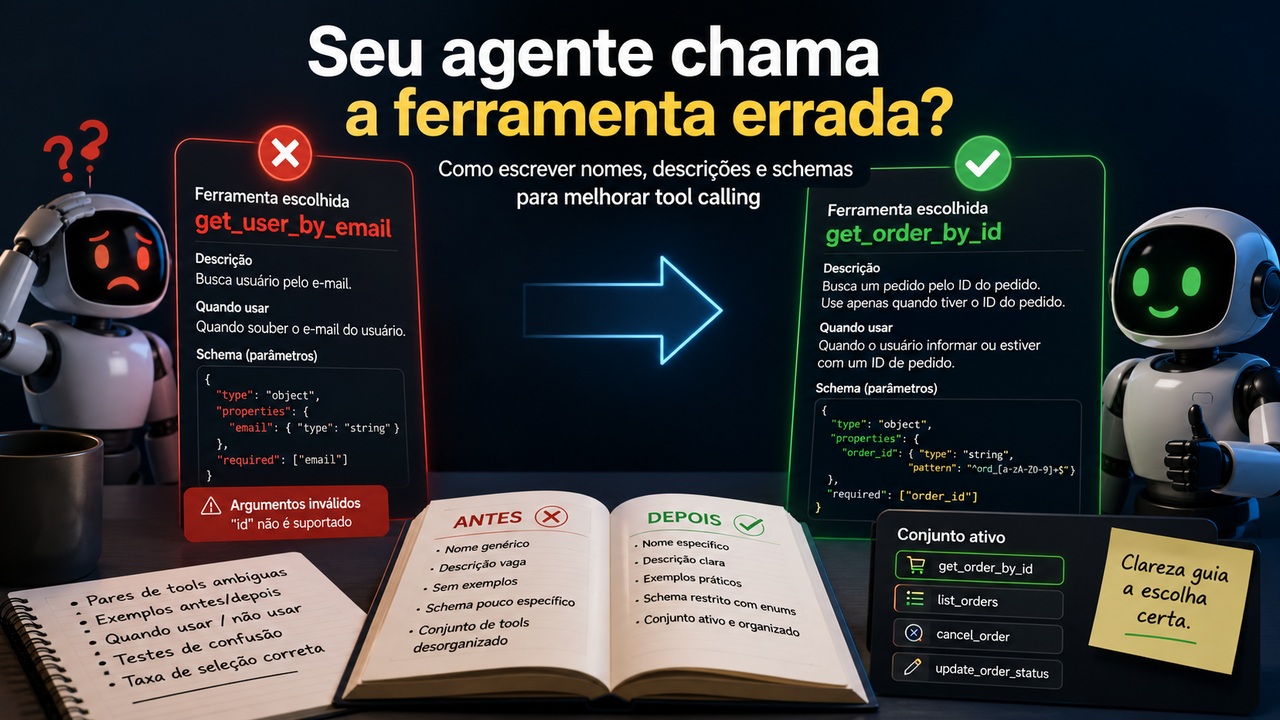
Tool calling errors are rarely resolved with more prompting. See how to reduce ambiguity with specific names, usage descriptions, restricted schemas, enums, and confusion tests.
Read article
In current reasoning models, the old “think step by step” has lost space to goal-oriented prompts, criteria and effort controls.
Read article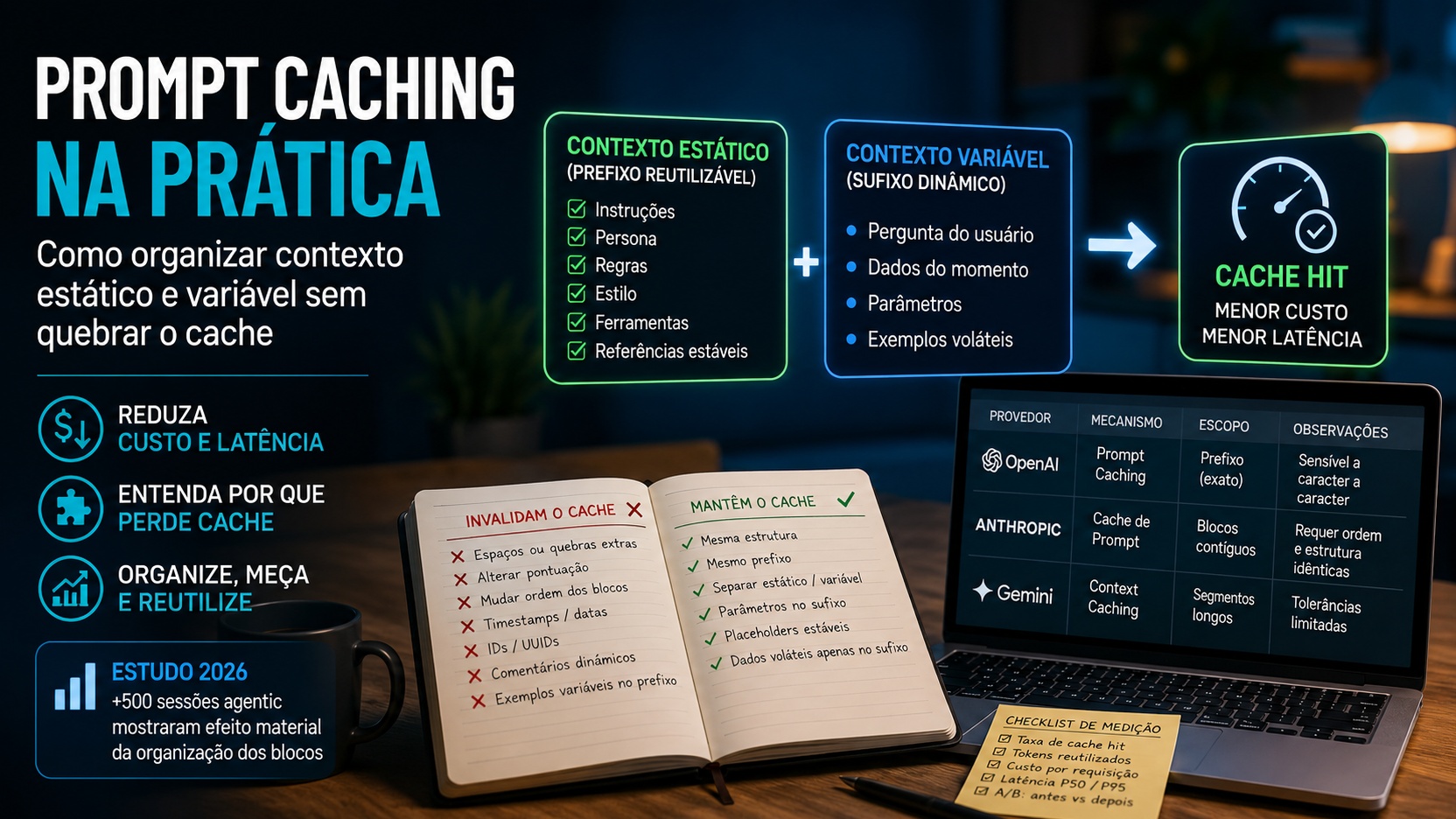
Prompt caching reduces cost and latency when calls reuse the same prefix. See how to separate static and variable content and measure cache hits without relying on guesswork.
Read article
A practical matrix to choose between long context, RAG and hybrid architecture considering corpus, update, question type, citations, cost, latency and maintenance.
Read article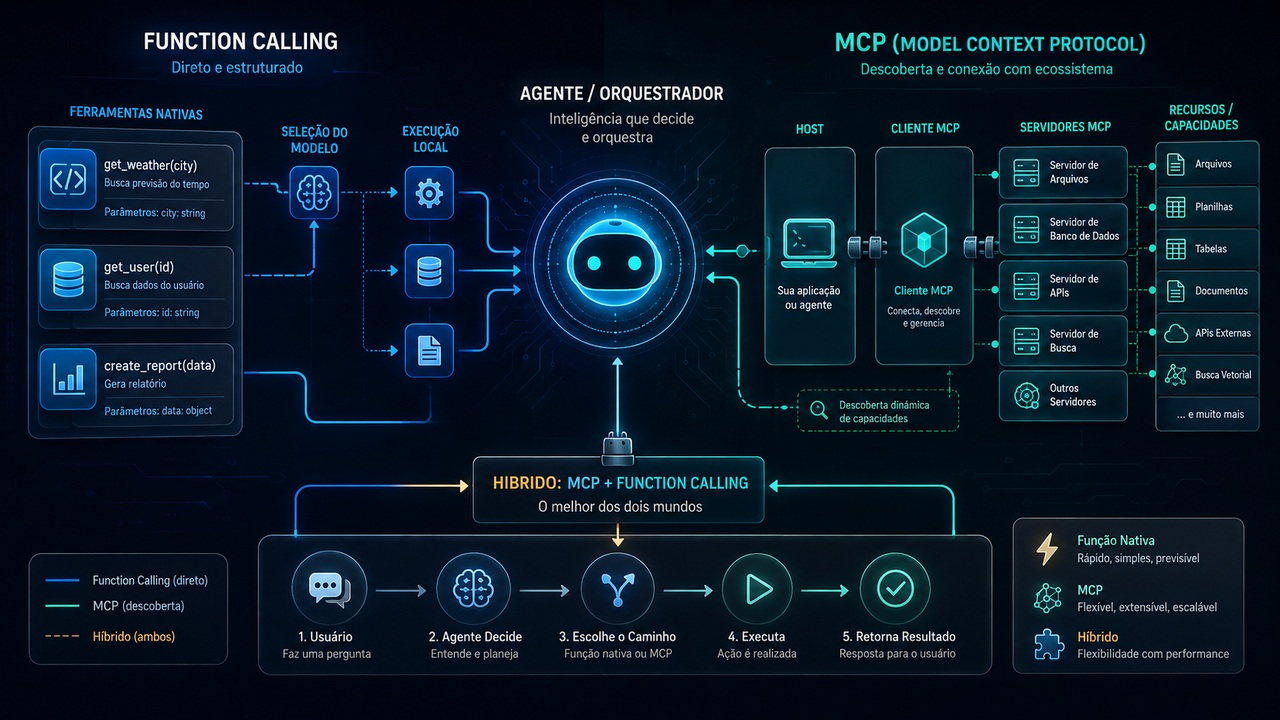
Function calling decides and structures a tool call; MCP standardizes how applications discover and access tools and context. Understand where each layer comes in and when to combi...
Read article
If a workflow changed after a model change, preserve the prompt as a baseline, isolate variables and test format, tools, context and parameters before rewriting.
Read article
When an AI starts to ignore old rules, the problem may be context limits, degradation within the window itself, conflicting instructions or misunderstood memory.
Read article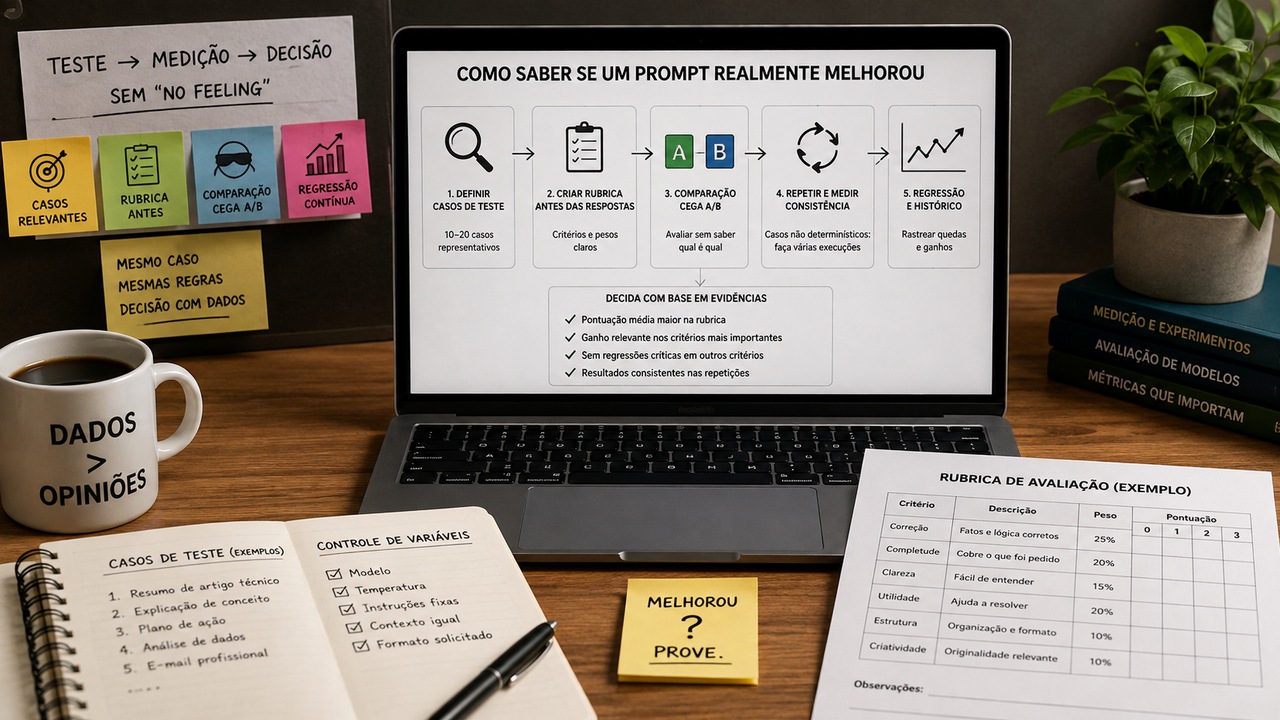
A practical method for comparing prompt versions with representative cases, rubric defined before responses, blind A/B testing, and recording regressions.
Read articleNo articles match this search.