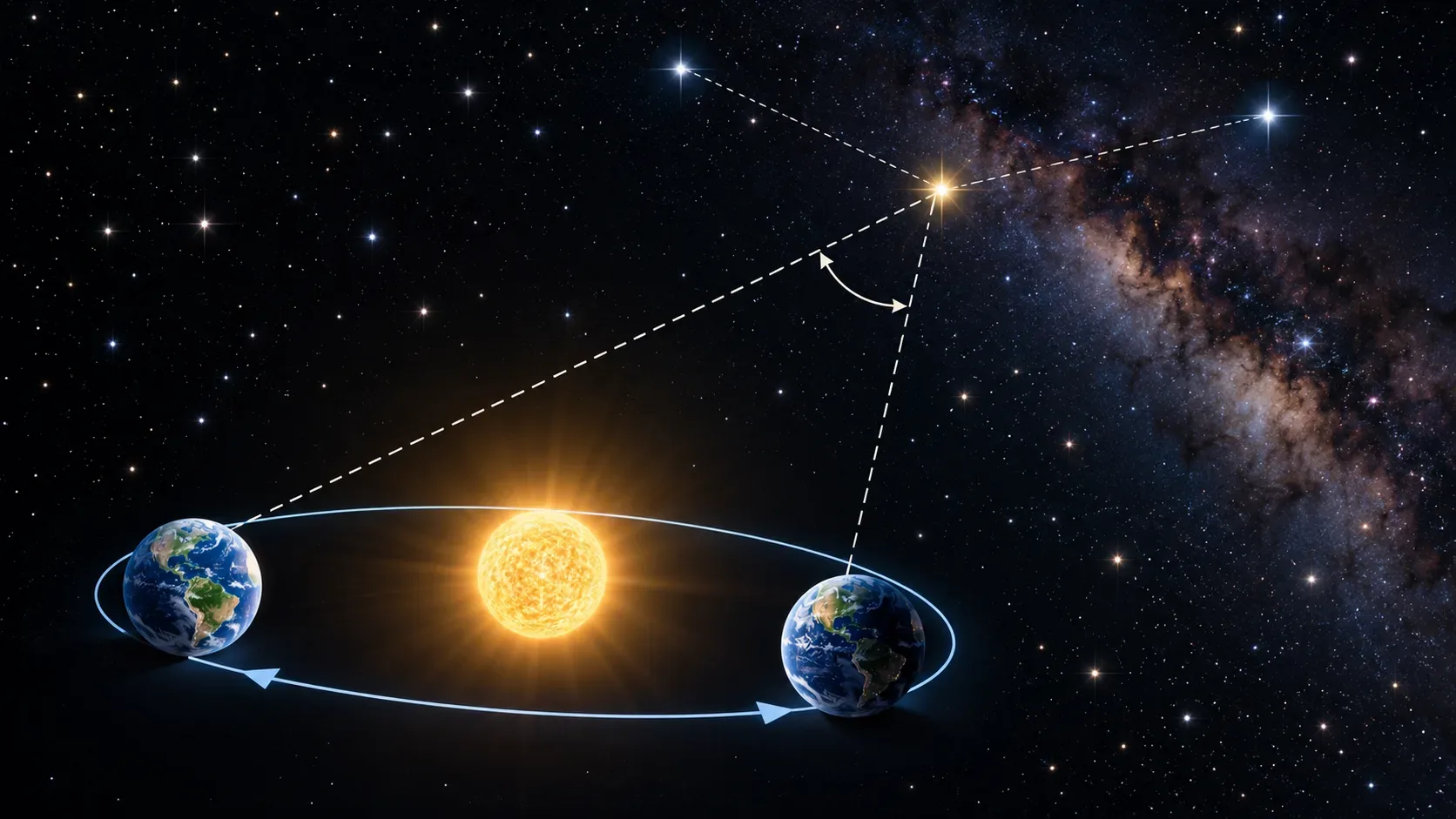
Stellar parallax: how geometry reveals the distance to stars
Learn how Earth’s orbit makes stellar parallax measurements possible, how to calculate distances in parsecs, and how to interpret telescope uncertainties.
Read articleAstronomy explained step by step to understand planets, stars, galaxies, black holes, cosmology, and how science investigates the Universe.
Explore articlesThe most important content to start with.
Learn how Earth’s orbit makes stellar parallax measurements possible, how to calculate distances in parsecs, and how to interpret telescope uncertainties.
Read articleOther selected strategic content.
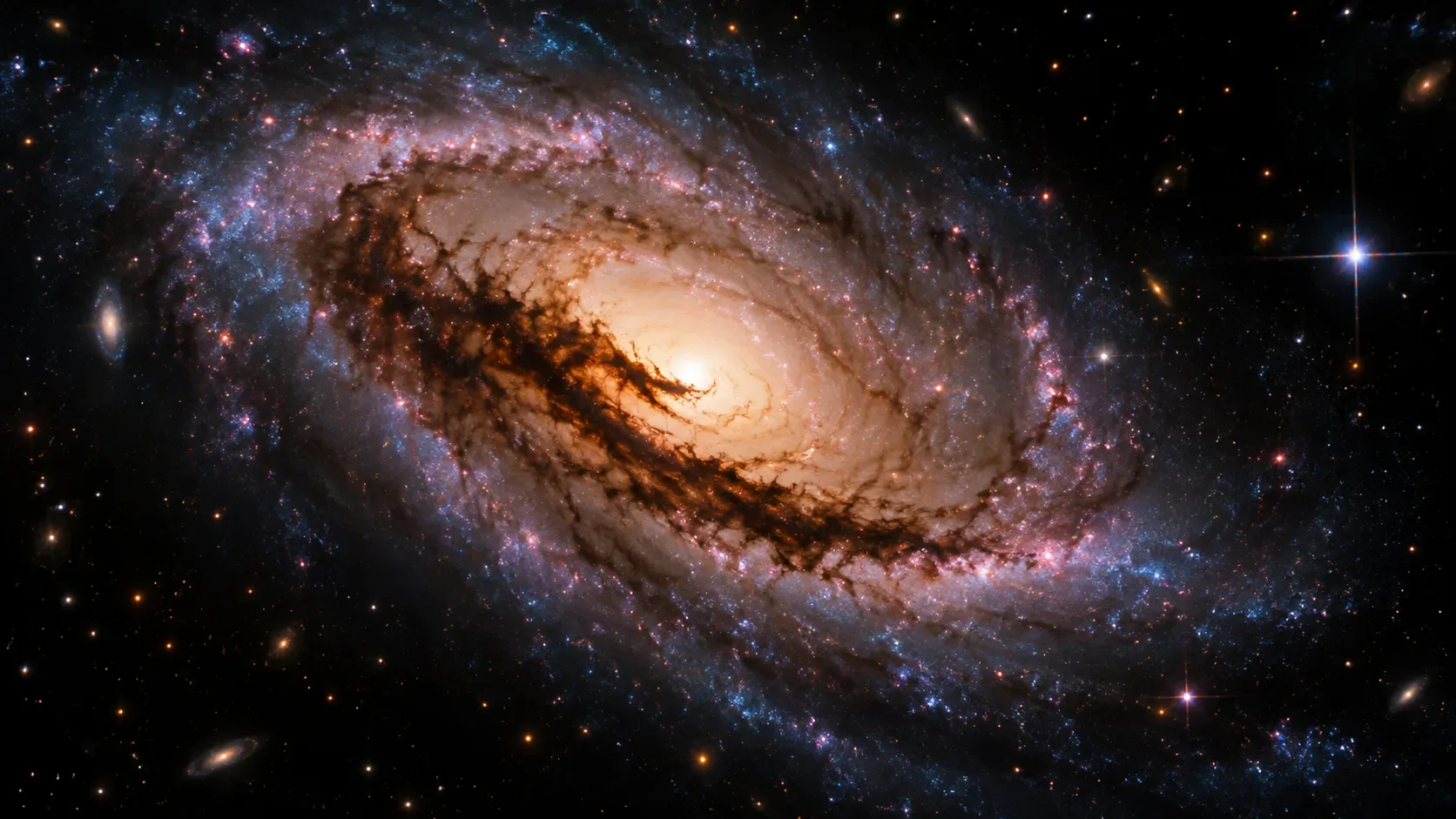
The Hubble and Webb comparison shows how dust, stars, and star-forming regions change appearance depending on the wavelength being observed.
Read article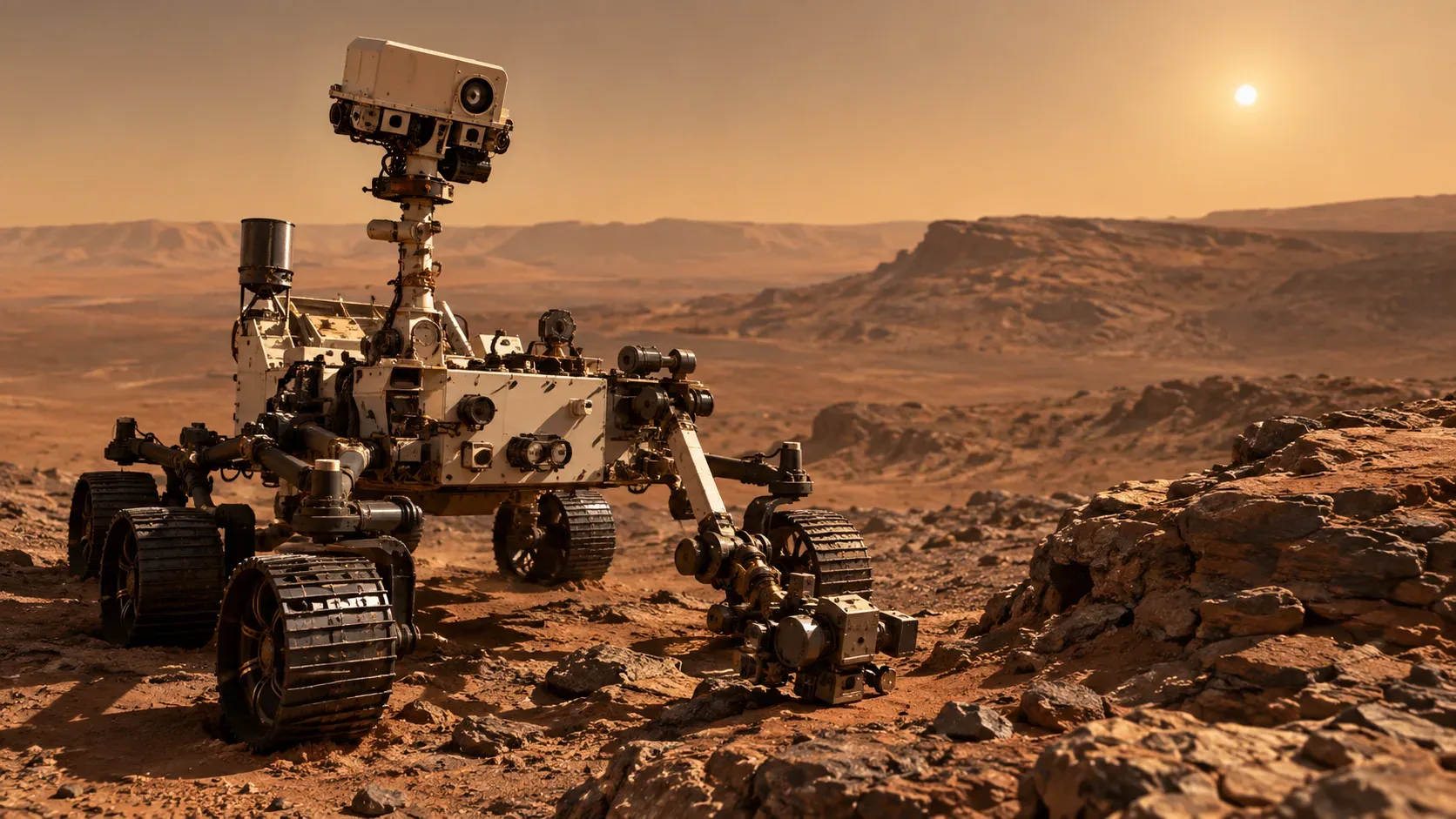
Sol 5,000 condenses 14 years of Mars science. See how water, habitability, clays, organics, wet-dry cycles, and recent finds changed Curiosity's scientific questions.
Read article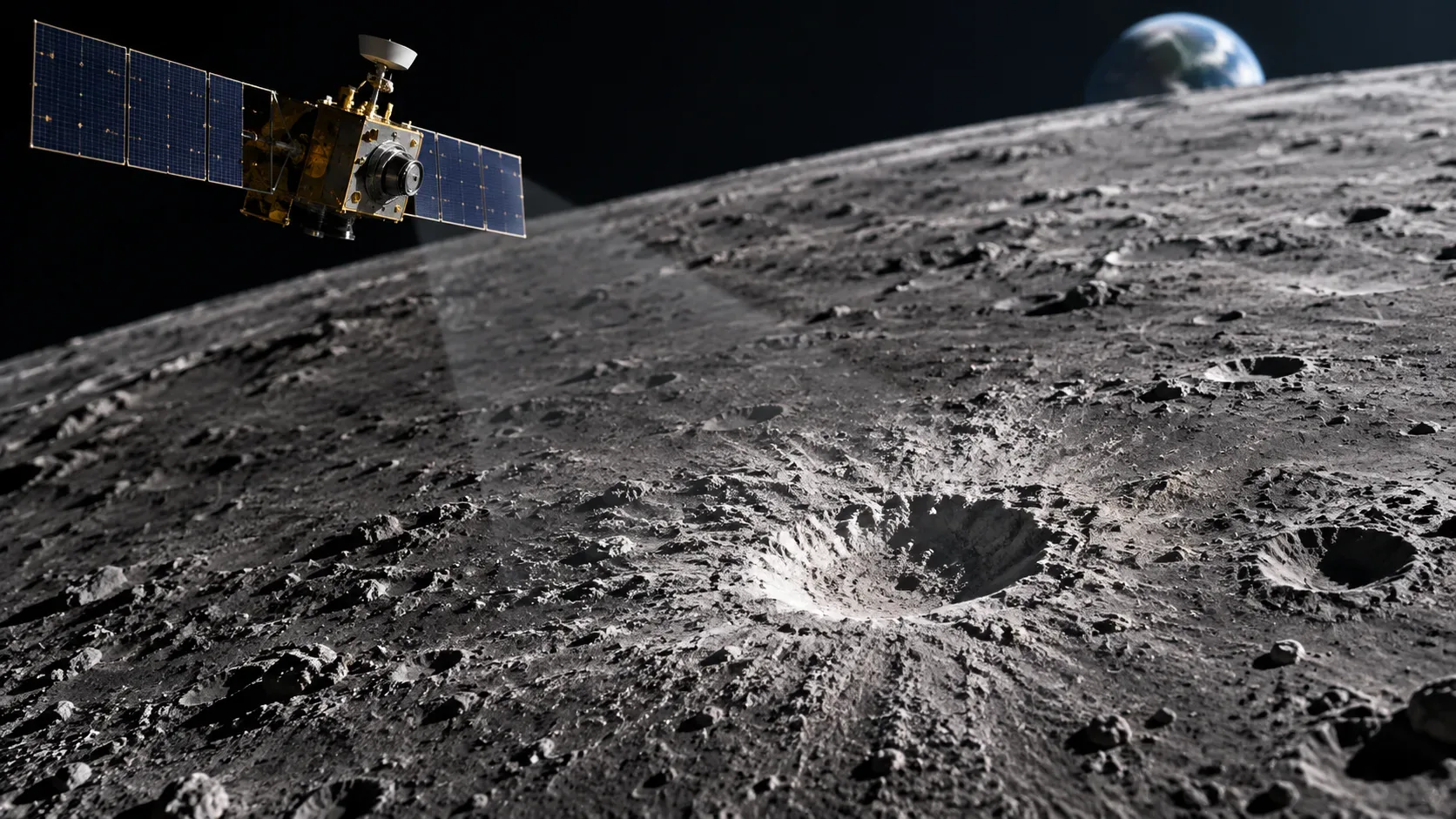
LRO constrained the formation of McGetchin crater to a few weeks in 2024. See how the image comparison worked, what was measured, and what remains an estimate.
Read articleBrowse the blog main topics.
Planets, moons, asteroids, comets and the processes that formed and continue to transform our cosmic neighborhood.
Stars & Extreme Objects2 articlesThe formation, evolution and death of stars, including supernovae, neutron stars and black holes.
Galaxies & Nebulae1 articleThe Milky Way, nebulae, galaxy types and the large structures formed by stars, gas and dust.
Cosmology1 articleThe origin, evolution and structure of the Universe, from the Big Bang to cosmic expansion, dark matter and dark energy.
Exoplanets & Life4 articlesWorlds beyond the Solar System, detection methods, habitability, atmospheres and the scientific search for life.
Methods, Telescopes & Missions5 articlesHow observatories, instruments, light and missions make it possible to discover and measure objects in the Universe.
Recent posts and new content.
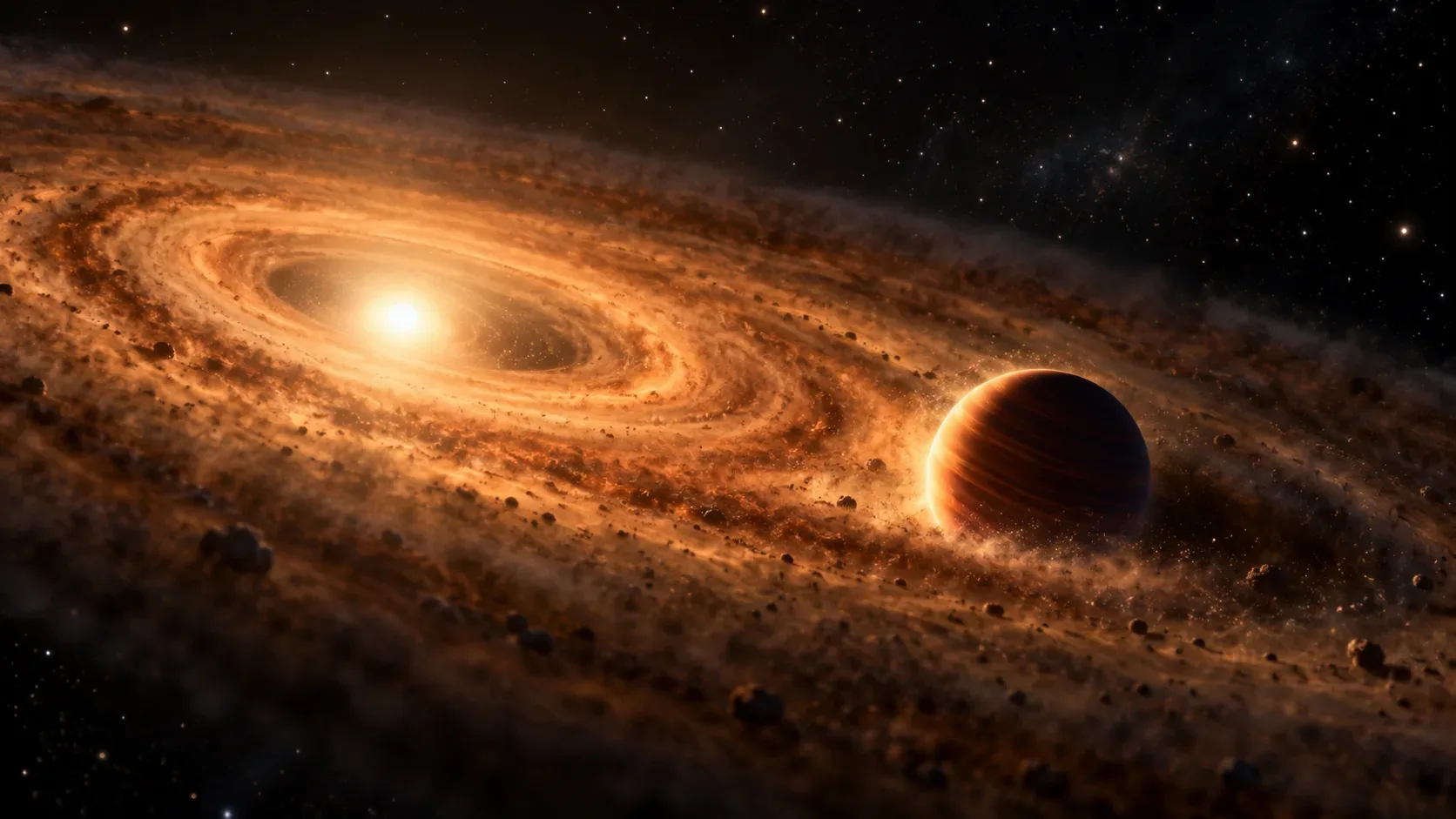
Elias 2-24 b belongs to a system younger than 1 million years. See how Keck, ALMA, and VLT confirmed the planet and which conclusions about age, mass, and formation still depend on...
Read article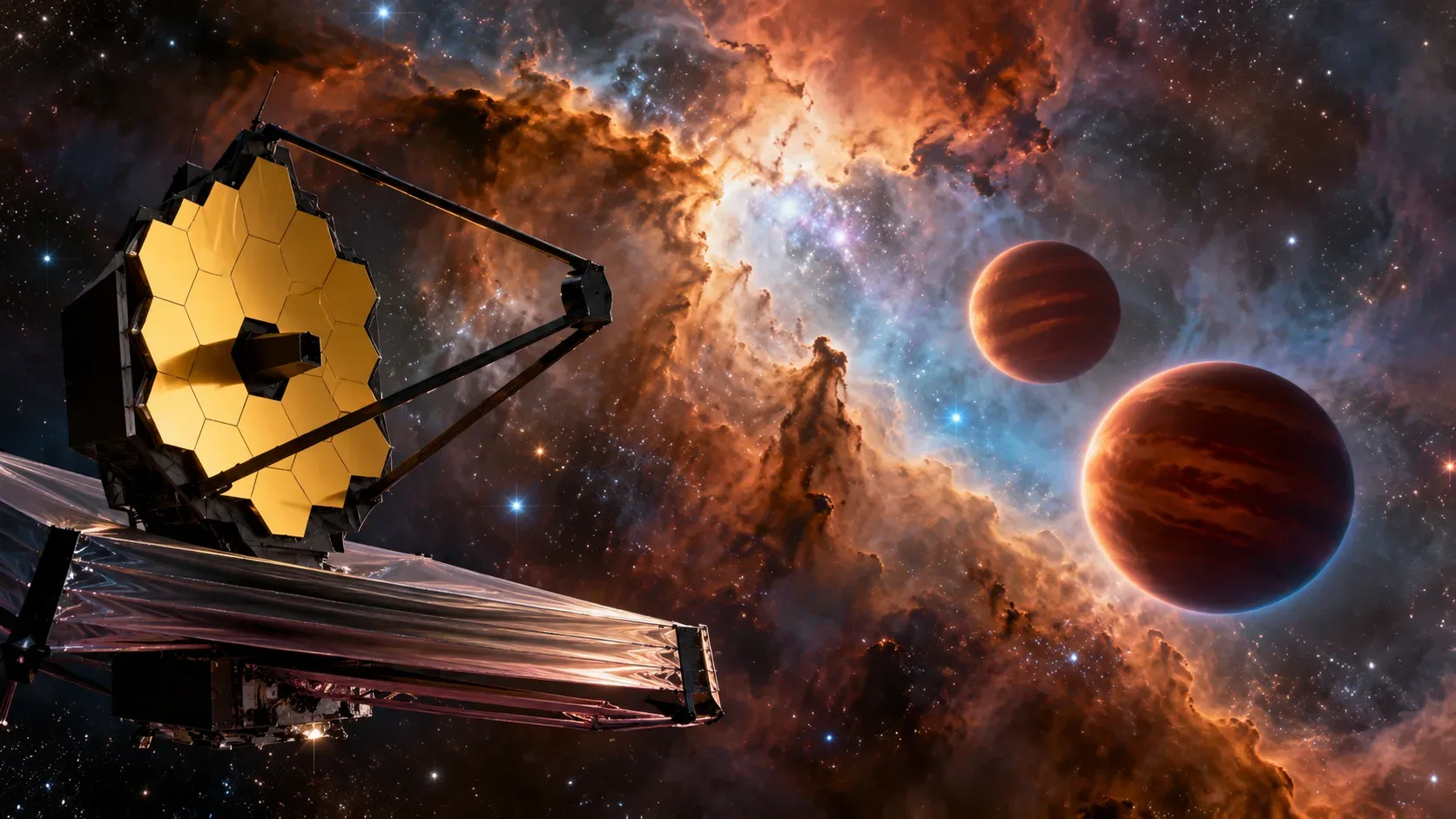
In IC 348, Webb confirmed brown dwarfs with estimated masses of about twice Jupiter's. Here is why that strains fragmentation models, what the spectra show, and what the finding st...
Read article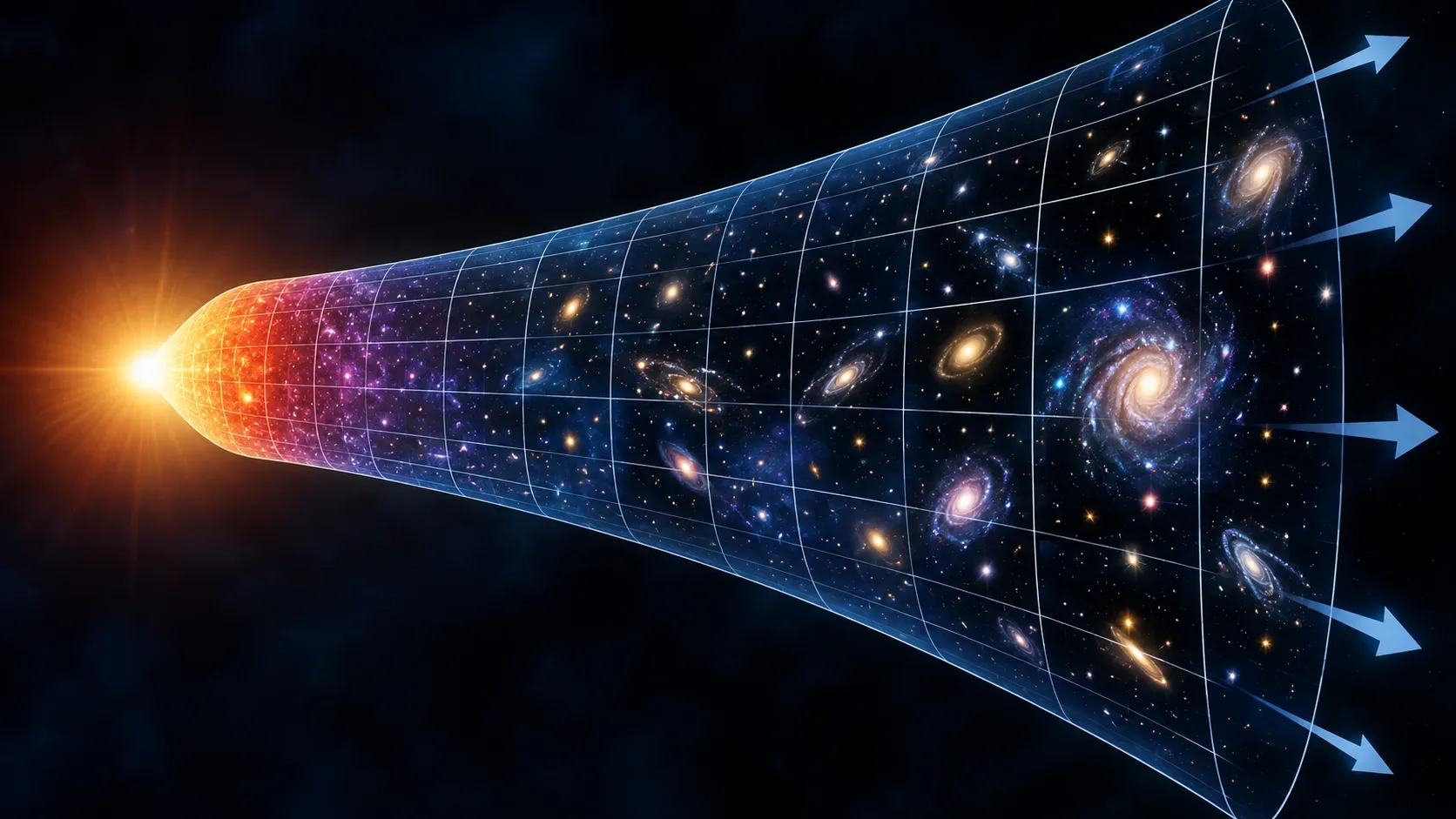
Yes. Cosmological distances can grow faster than light without matter or information locally exceeding c. Here is how inflation, recession, and horizons fit together.
Read article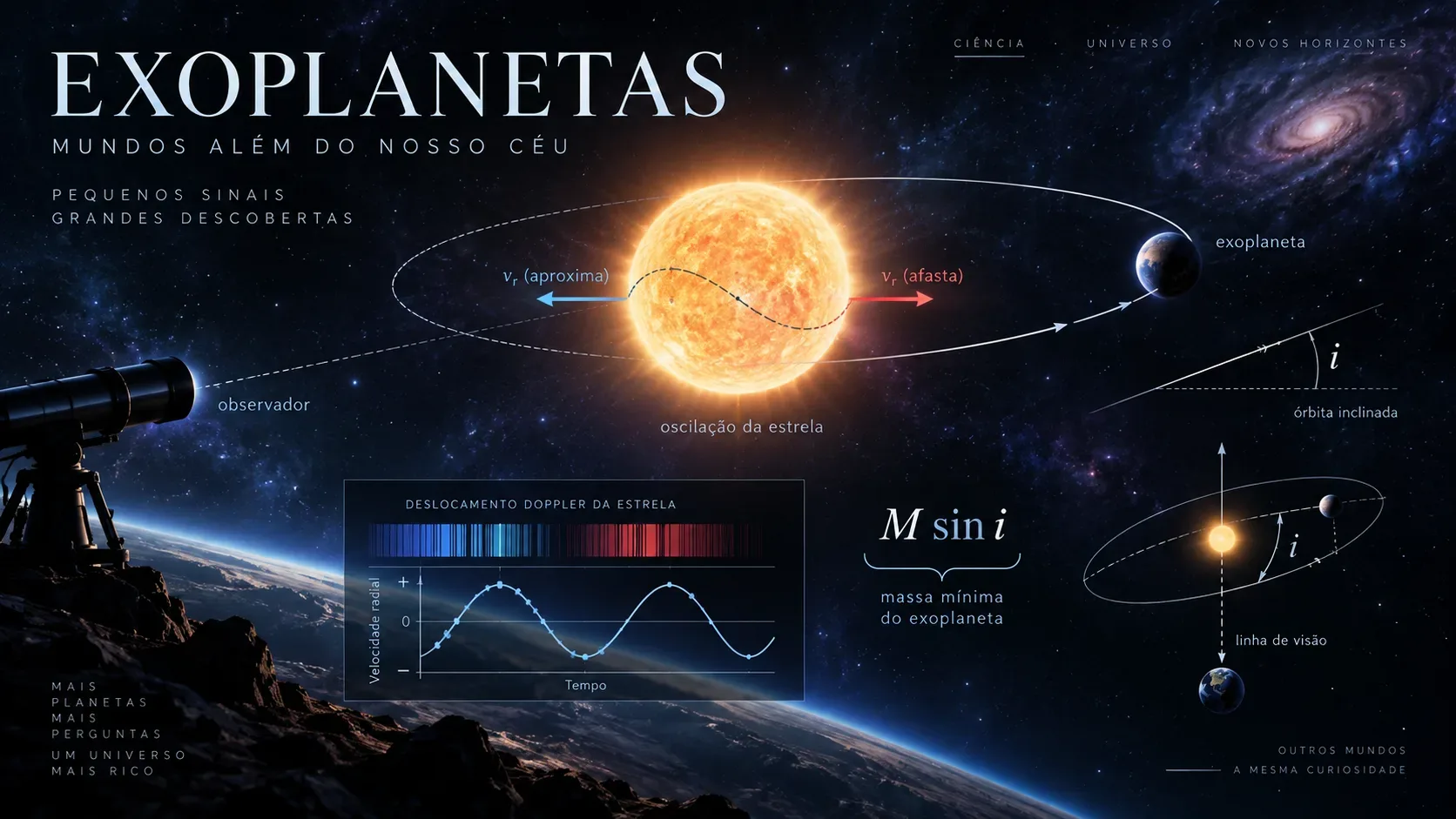
Radial velocity usually yields M sin i, the minimum mass. Learn how inclination changes the true mass and how transits or astrometry break the degeneracy.
Read article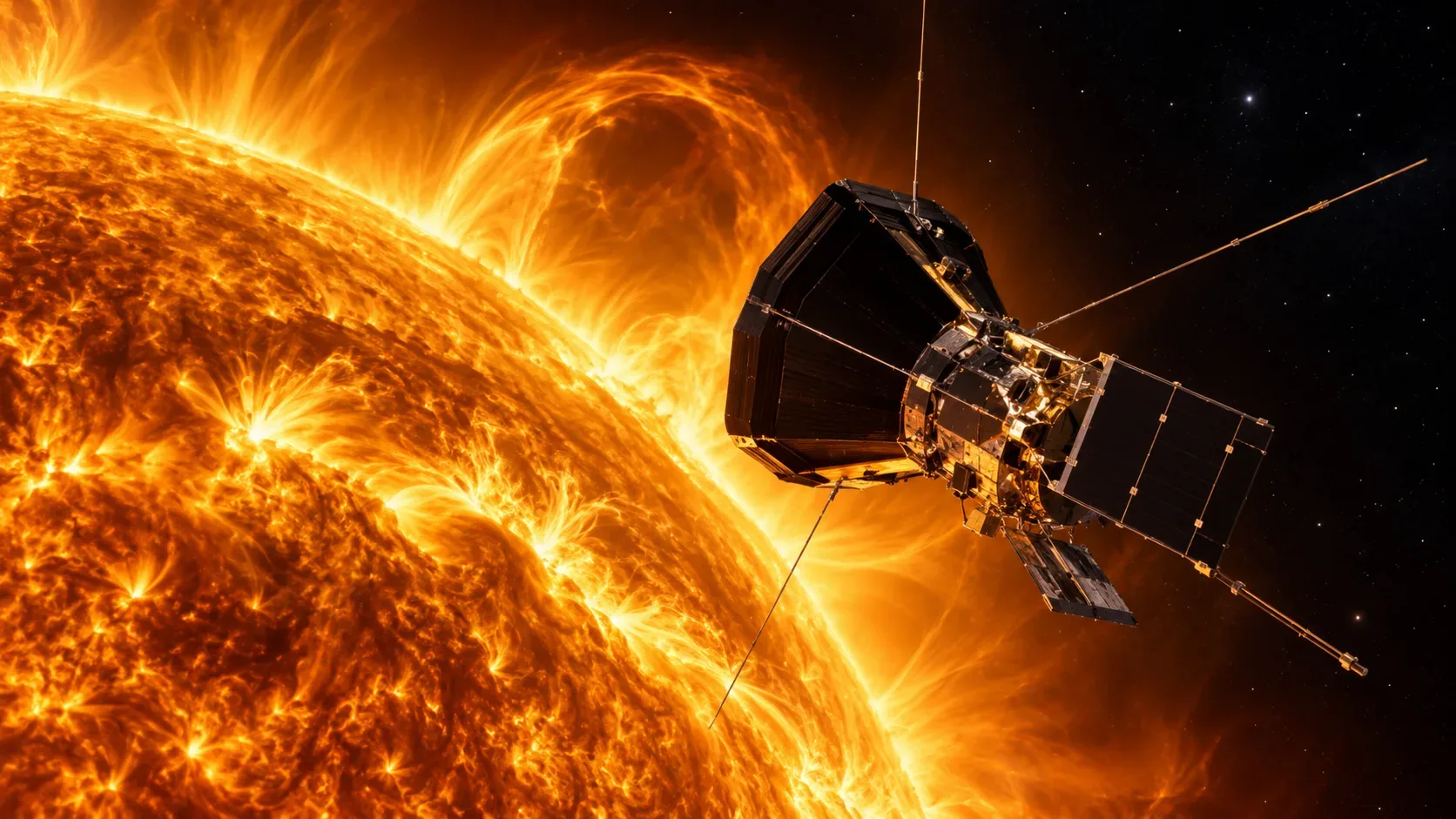
The communications gap was planned and the spacecraft operated autonomously. Here is the timeline of the 29th perihelion, WISPR’s role, and what still depends on data returned to E...
Read article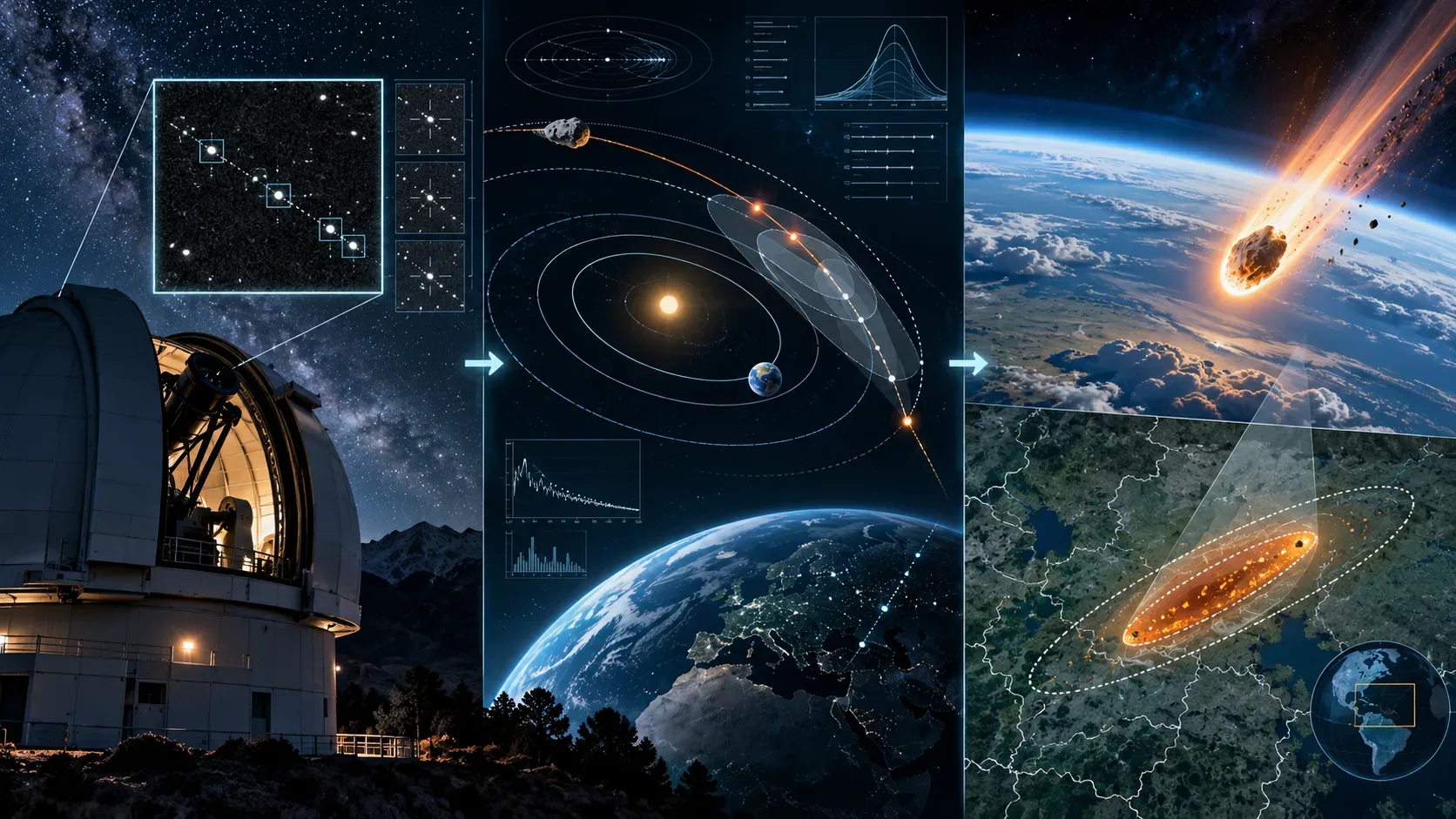
See how astrometry, orbit determination, atmospheric modelling and Monte Carlo turned a few hours of observations into an entry and possible strewn-field forecast.
Read article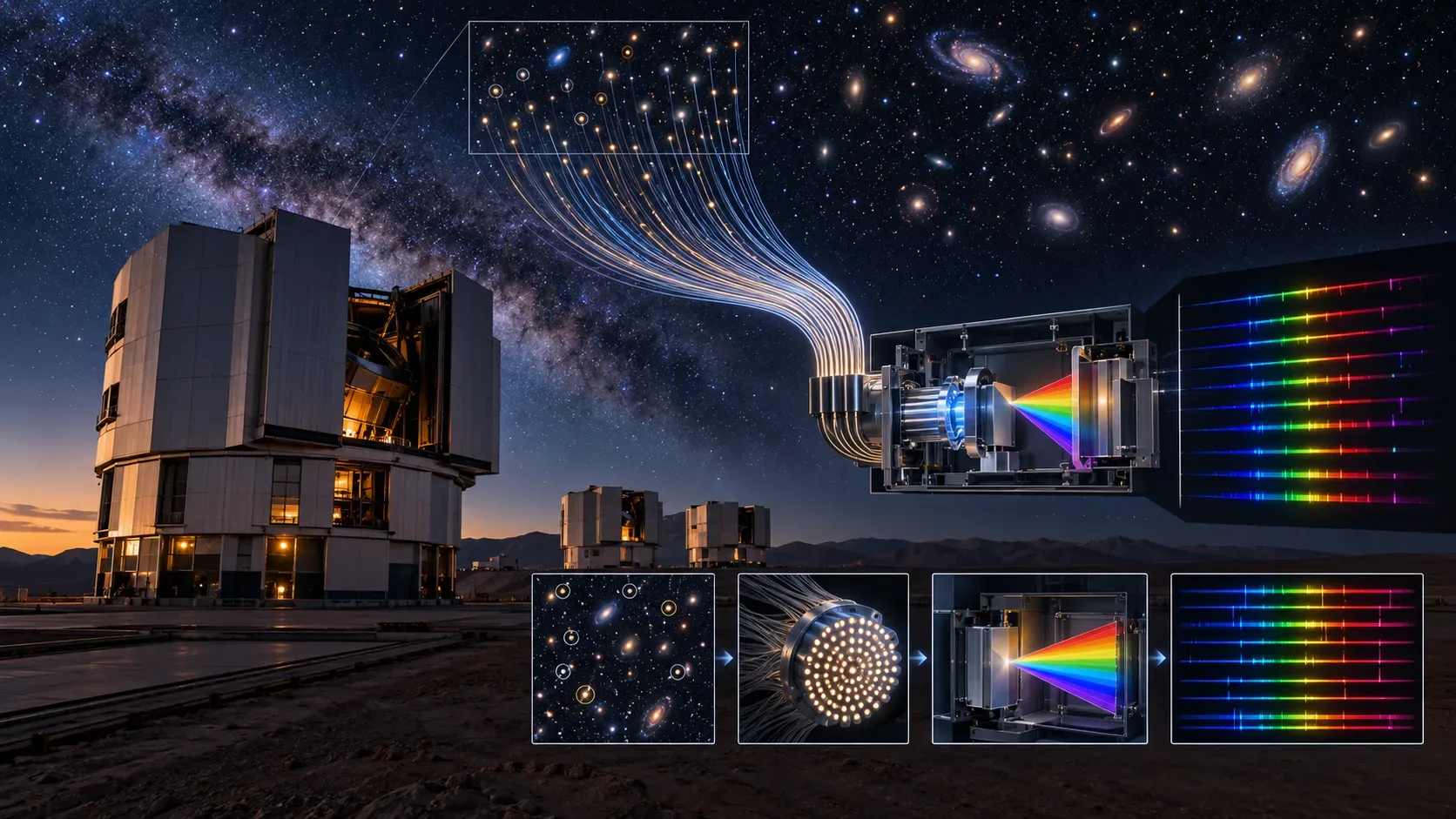
MOONS uses roughly 1,000 robotic fibres to obtain hundreds of spectra in parallel on the VLT. Learn how light travels through the instrument, how an image differs from a spectrum, ...
Read article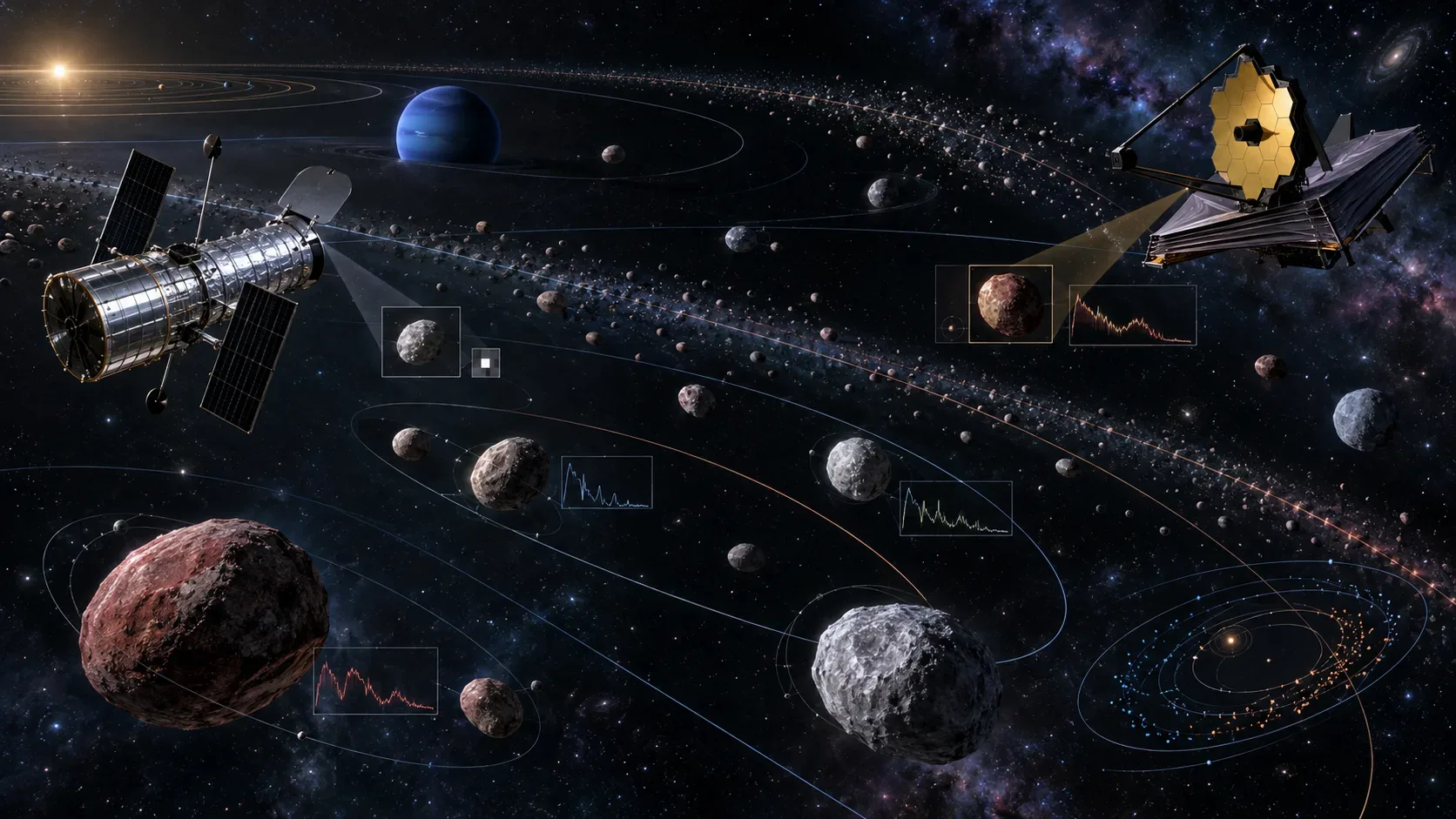
Hubble and Webb combined visible and infrared light to study tiny TNOs and test what their colors, orbits, and sizes preserve about their origins.
Read article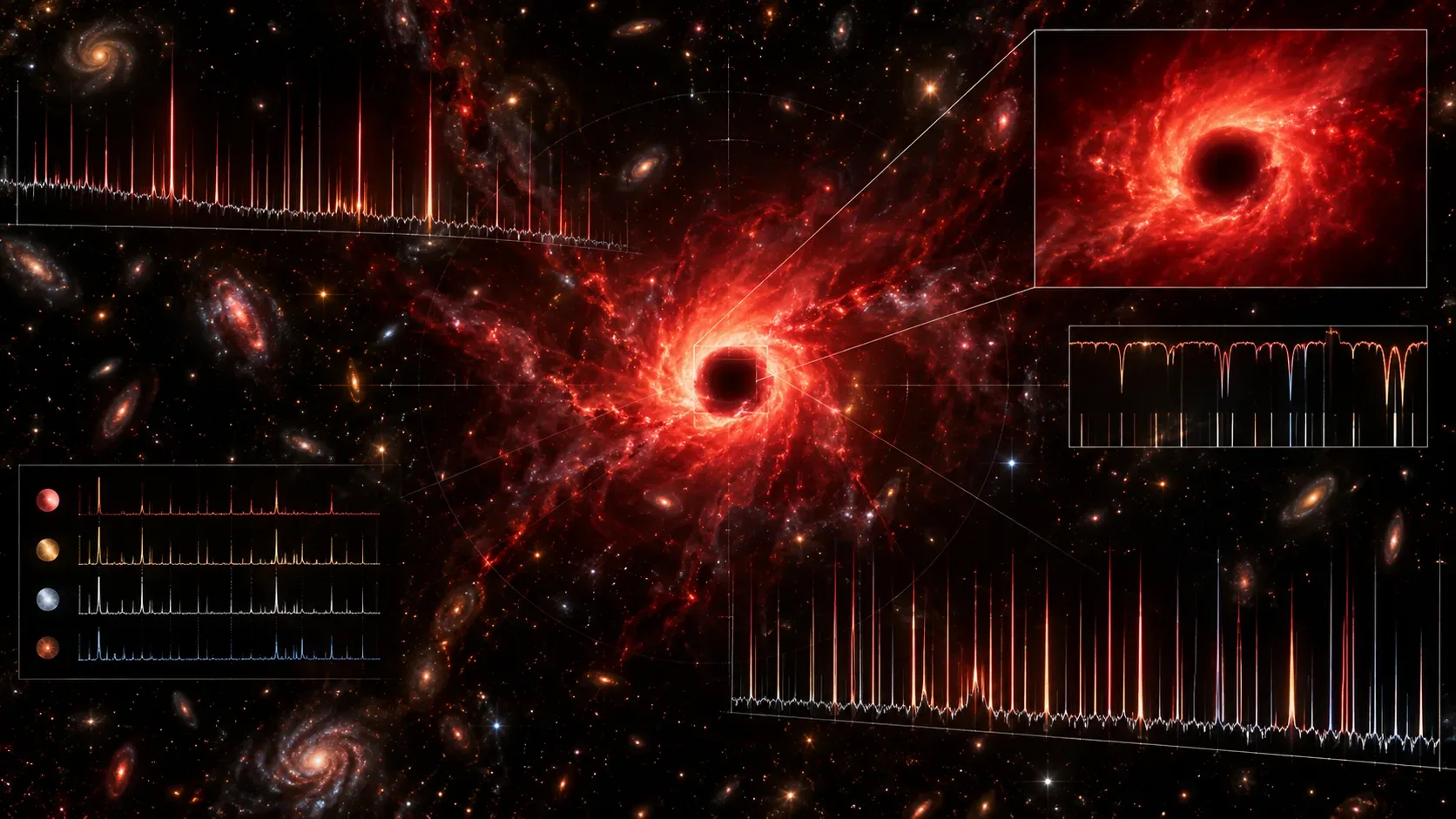
GLIMPSE-17775’s spectrum combines electron scattering, H/O/He lines, an iron “forest,” and high-energy diagnostics consistent with the BH* scenario — without settling the question.
Read articleContent with the most views.
Planets, moons, asteroids, comets and the processes that formed and continue to transform our cosmic neighborhood.
LRO constrained the formation of McGetchin crater to a few weeks in 2024. See how the image comparison worked, what was measured, and what remains an estimate.
Read articleHubble and Webb combined visible and infrared light to study tiny TNOs and test what their colors, orbits, and sizes preserve about their origins.
Read articleThe formation, evolution and death of stars, including supernovae, neutron stars and black holes.
In IC 348, Webb confirmed brown dwarfs with estimated masses of about twice Jupiter's. Here is why that strains fragmentation models, what the spectra show, and what the finding st...
Read articleGLIMPSE-17775’s spectrum combines electron scattering, H/O/He lines, an iron “forest,” and high-energy diagnostics consistent with the BH* scenario — without settling the question.
Read articleThe Milky Way, nebulae, galaxy types and the large structures formed by stars, gas and dust.
The Hubble and Webb comparison shows how dust, stars, and star-forming regions change appearance depending on the wavelength being observed.
Read articleNo articles published yet.
The origin, evolution and structure of the Universe, from the Big Bang to cosmic expansion, dark matter and dark energy.
Yes. Cosmological distances can grow faster than light without matter or information locally exceeding c. Here is how inflation, recession, and horizons fit together.
Read articleNo articles published yet.
Astronomy in Layers was created to make astronomy understandable without turning science into misleading simplifications. The blog moves through planets, stars, galaxies, black holes, exoplanets, and the evolution of the Universe itself, building each explanation on concepts introduced earlier.
In addition to answering what each object or phenomenon is, we seek to explain how it works, how astronomers reached current conclusions, and which questions remain open. Whenever a topic depends on models, estimates, or scientific hypotheses, that distinction should be made clear in the text.
The goal is for a reader to begin with little prior knowledge and, article by article, build an increasingly complete understanding of the Universe.