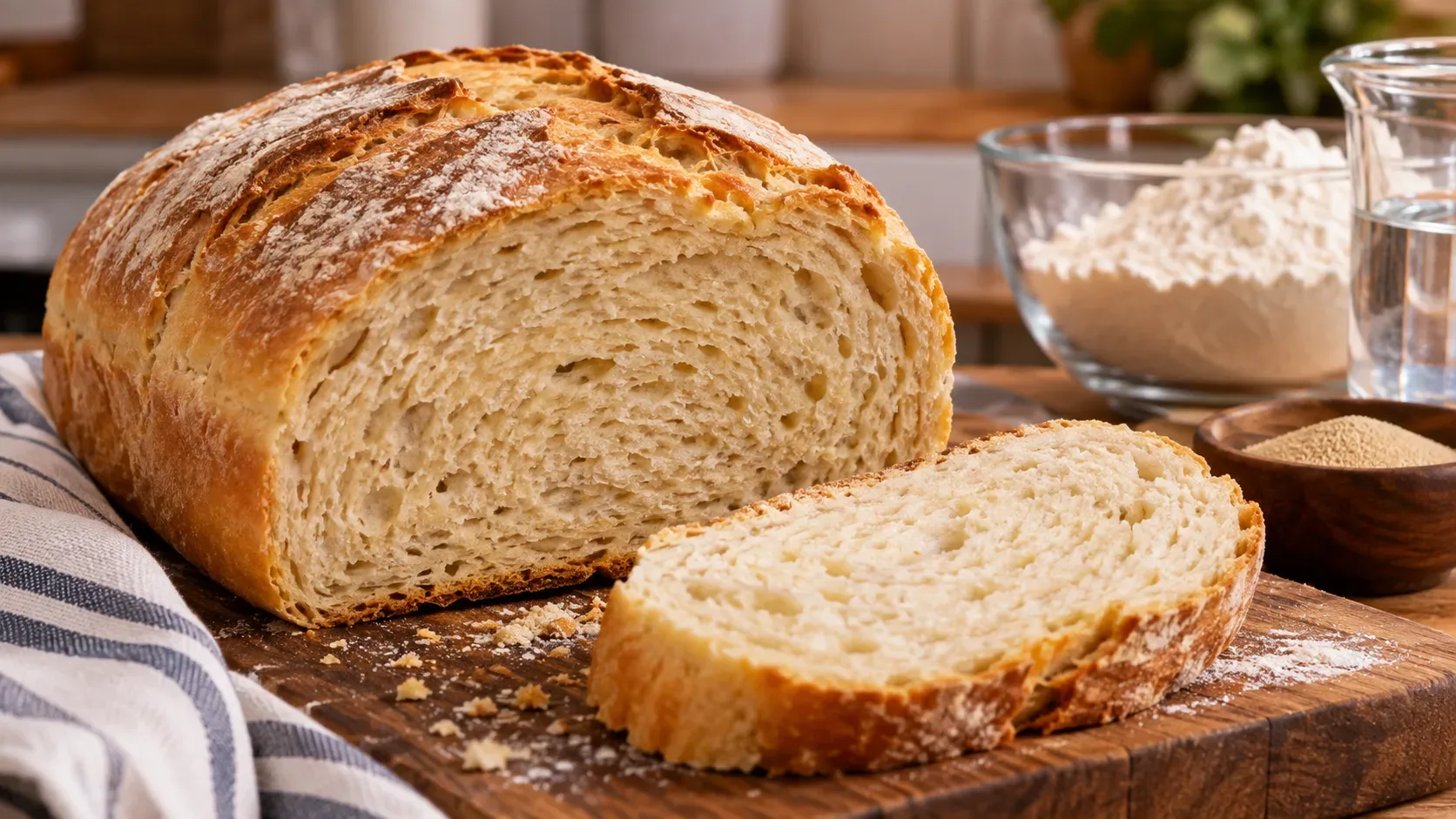
Heavy homemade bread: how to find what went wrong
Learn to distinguish underproofing, overproofing, dry dough, and oven problems from the signs, then improve the texture of your next loaf.
Read articleSweet and savory home-style recipes with clear ingredients, step-by-step instructions, techniques, substitutions, and explanations to help you cook more safely and bring the taste of home to the table.
Explore articlesThe most important content to start with.
Learn to distinguish underproofing, overproofing, dry dough, and oven problems from the signs, then improve the texture of your next loaf.
Read articleOther selected strategic content.
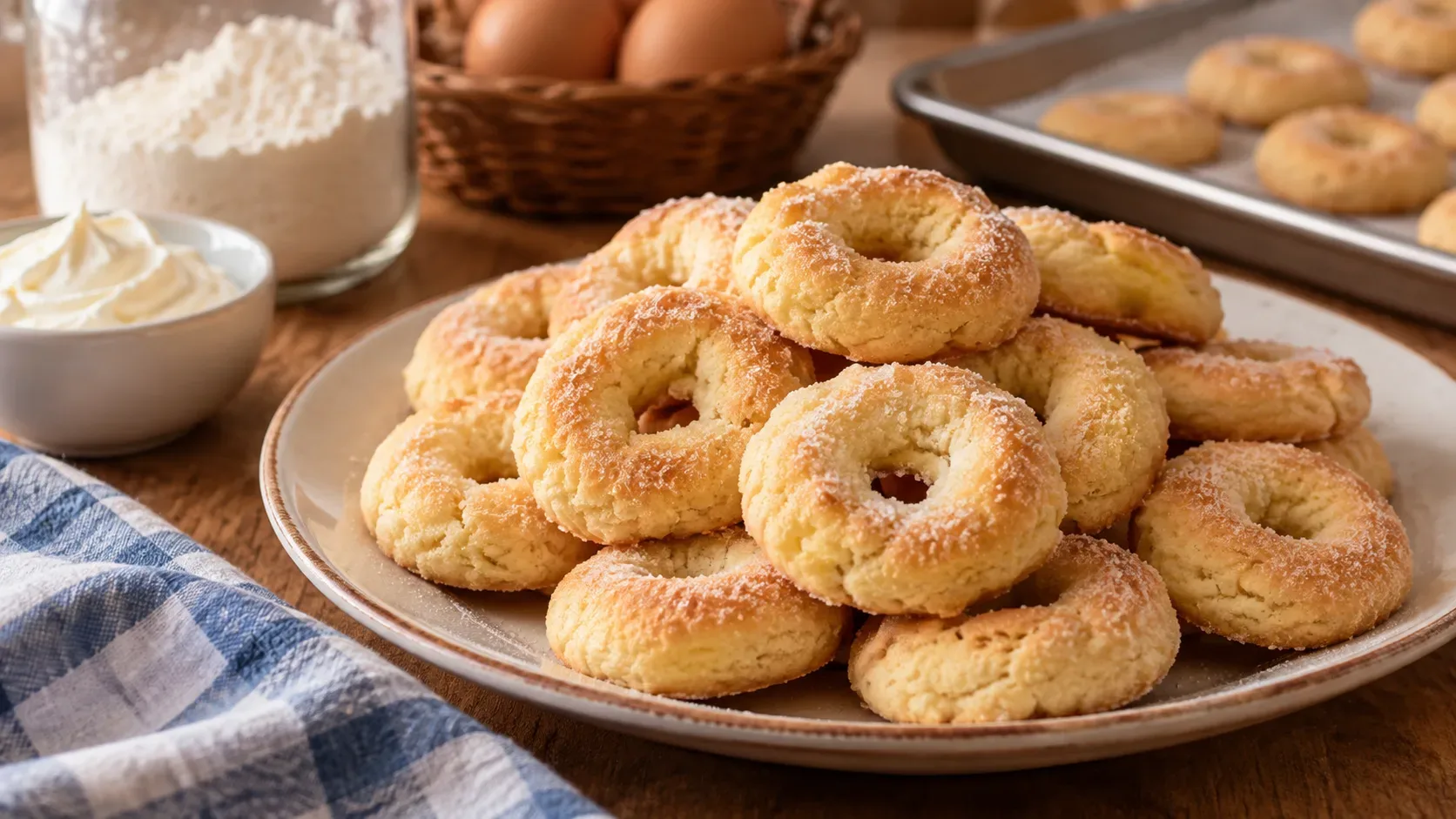
Learn how to judge dough consistency, control the flour, and bake Brazilian nata ring cookies so they stay tender inside, with fixes for dry or sticky dough.
Read article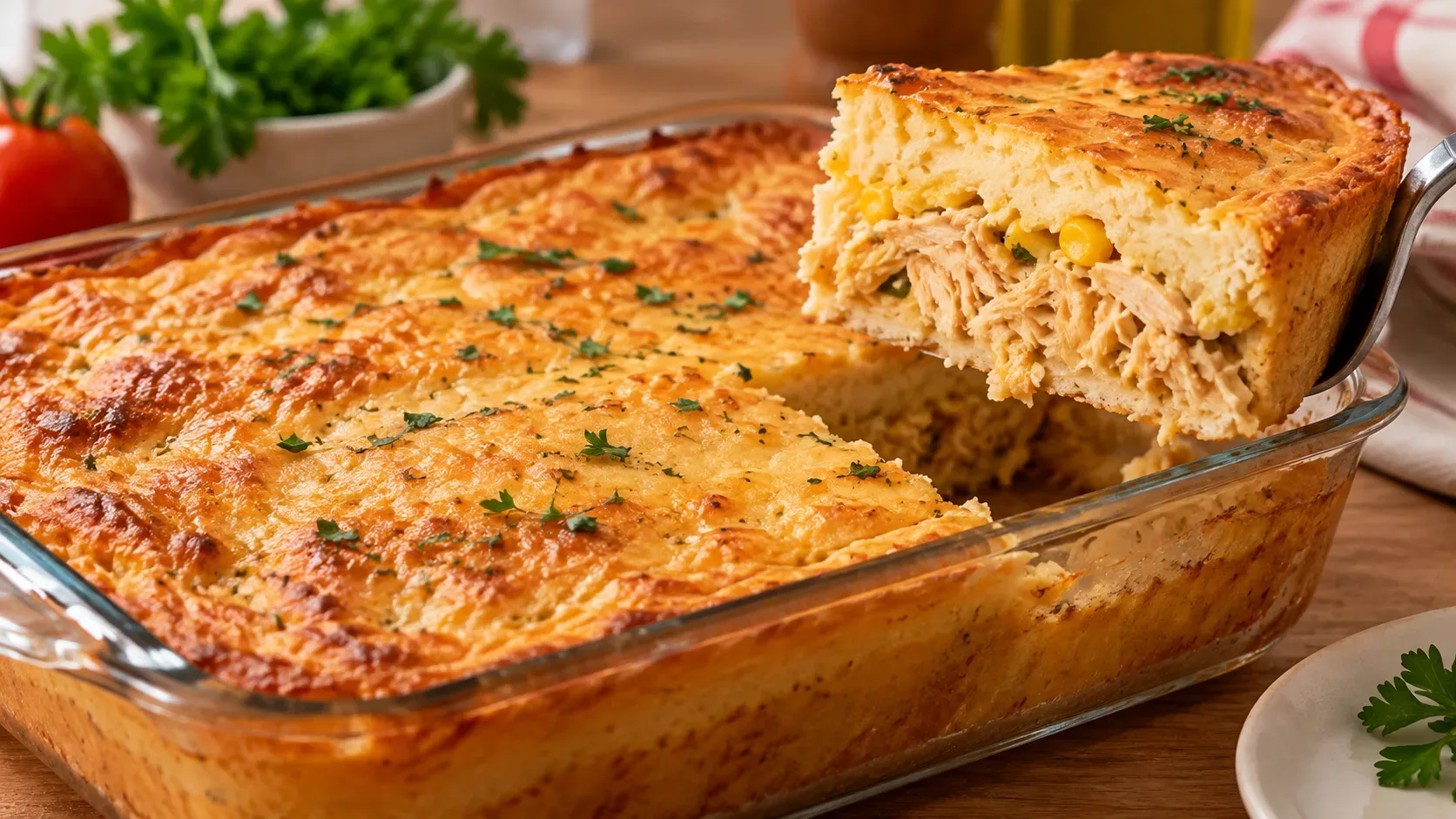
A base recipe for a light blender chicken pie, with batter ratios, mixing order, oven cues, and troubleshooting for dense batter or a sunken center.
Read article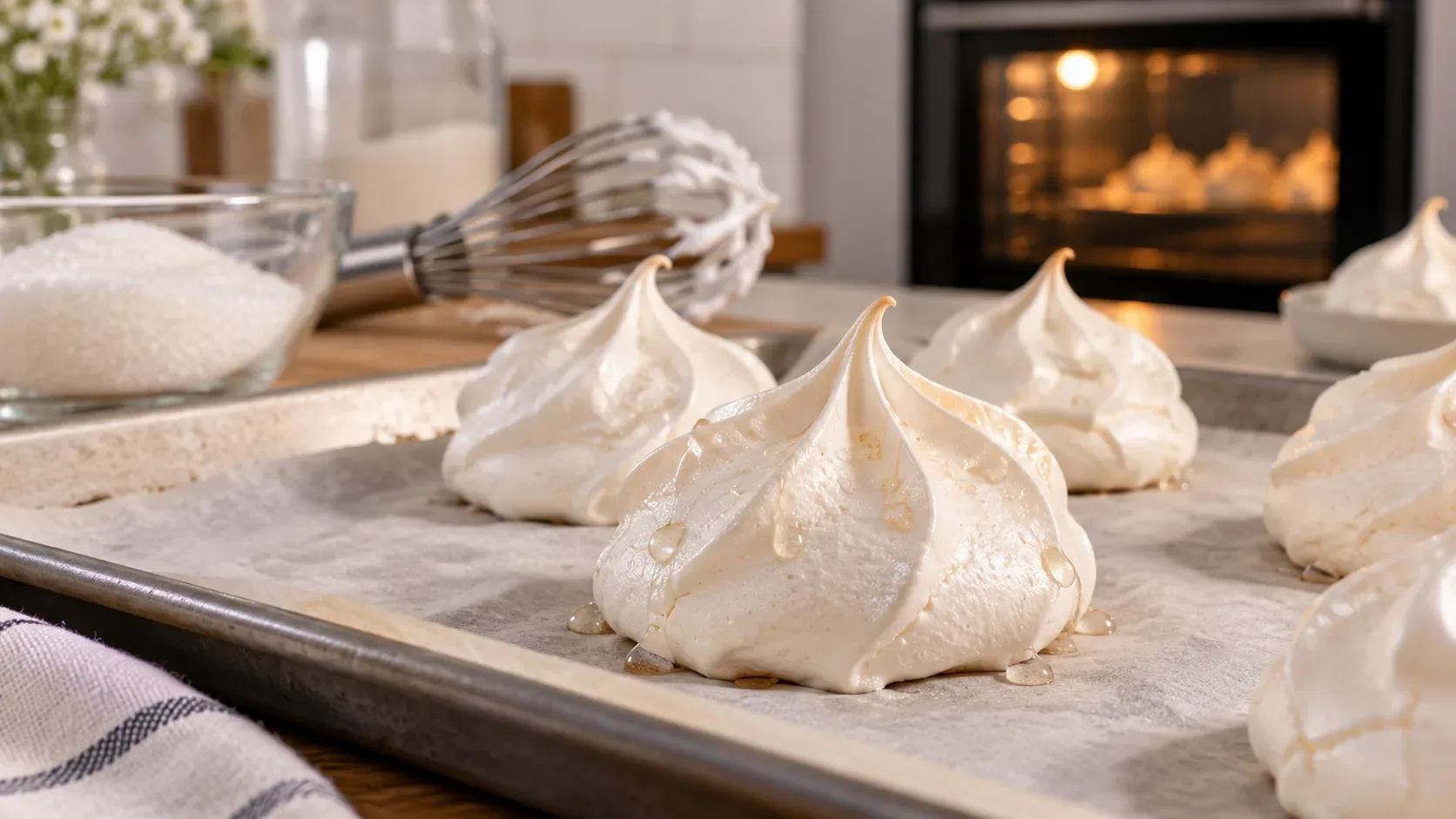
A stage-by-stage diagnosis to separate undissolved sugar, insufficient drying, humid air, condensation and problems with meringue on pie fillings.
Read articleBrowse the blog main topics.
Main dishes, meat, poultry, fish, rice, beans, pasta and meals for everyday life or family lunches.
Cakes & Afternoon Coffee4 articlesHomemade cakes, cuca cakes, cookies, corn breads, baked treats and recipes to serve with coffee or tea.
Sweets & Desserts2 articlesPuddings, pavês, stovetop sweets, sweet pies, chilled desserts and dishes to serve after meals.
Breads, Pasta & Savory Snacks6 articlesHomemade breads, pizzas, savory pies, snacks, pasta and baked or fried preparations.
Breakfast & Snacks2 articlesQuick or complete recipes to start the day, put together a snack or prepare something between meals.
Cooking Techniques & Questions4 articlesMeasurements, substitutions, storage, doneness, temperature, equipment and explanations of why a recipe works or goes wrong.
Recent posts and new content.
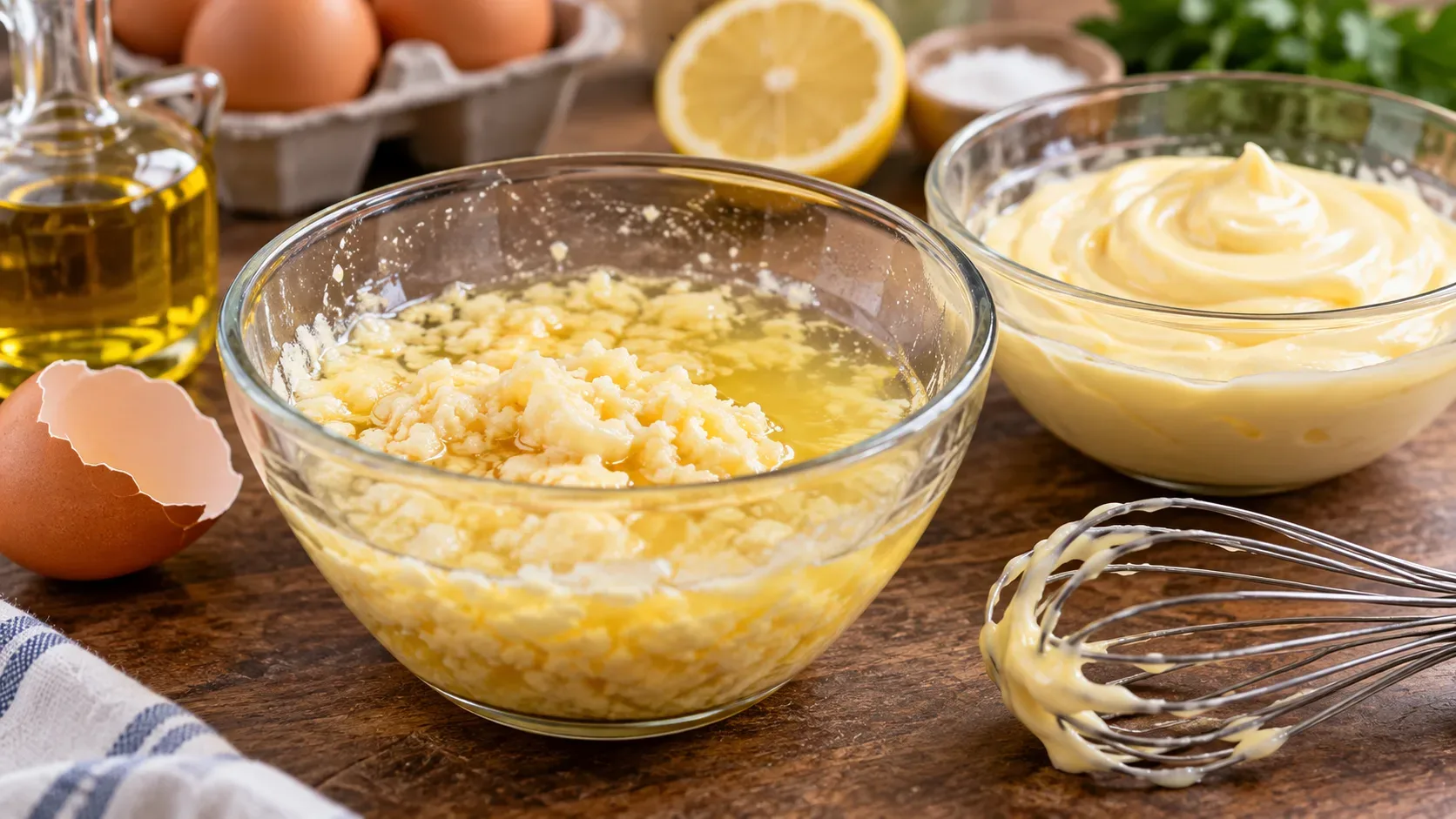
Learn how to tell when mayonnaise has truly broken, choose among three rescue methods, and know when food safety means you should discard it and start again.
Read article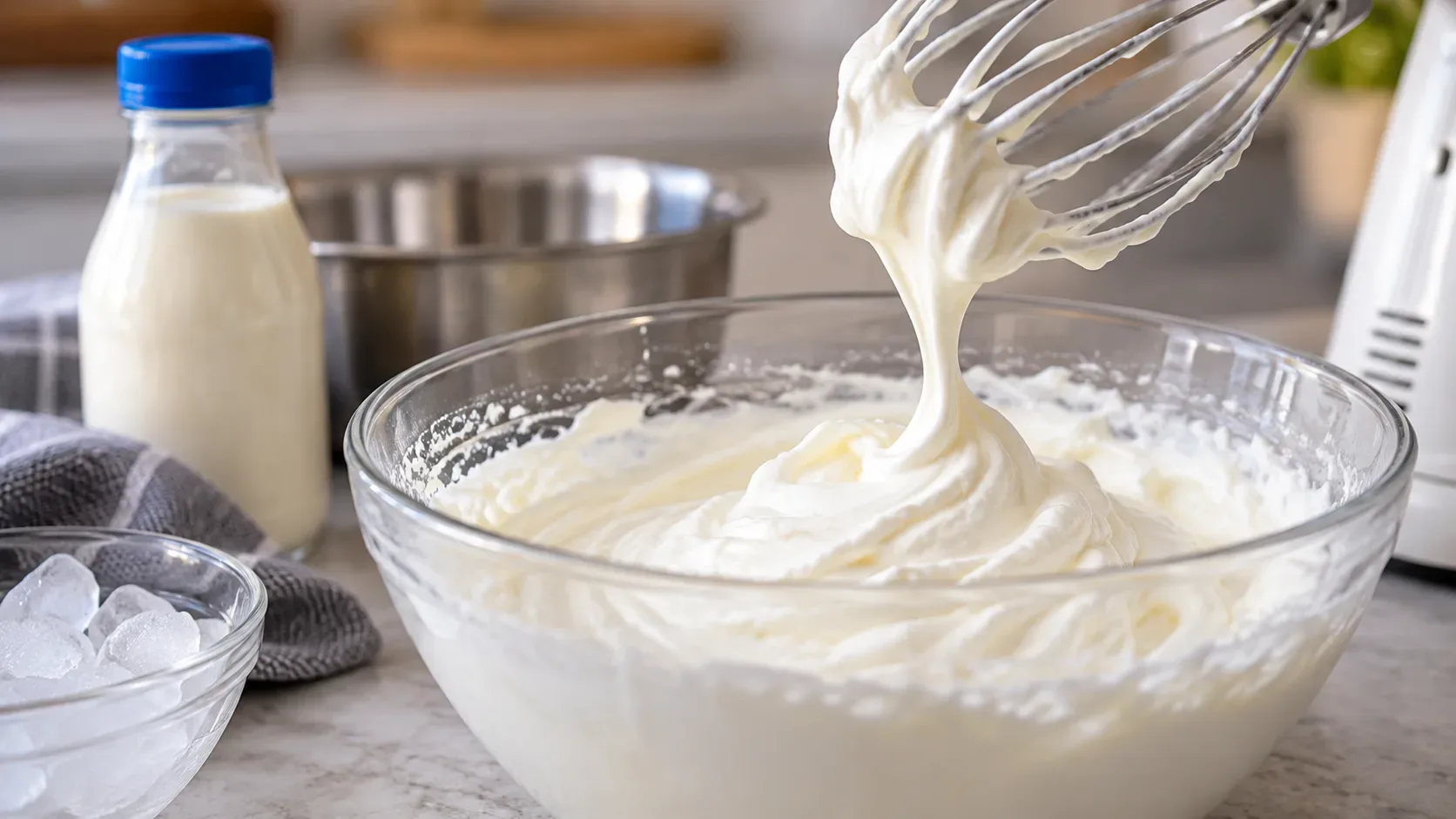
Learn why whipped cream stays liquid, loses structure, or turns grainy, and when to chill it, keep whipping, correct it with cold cream, or start over.
Read article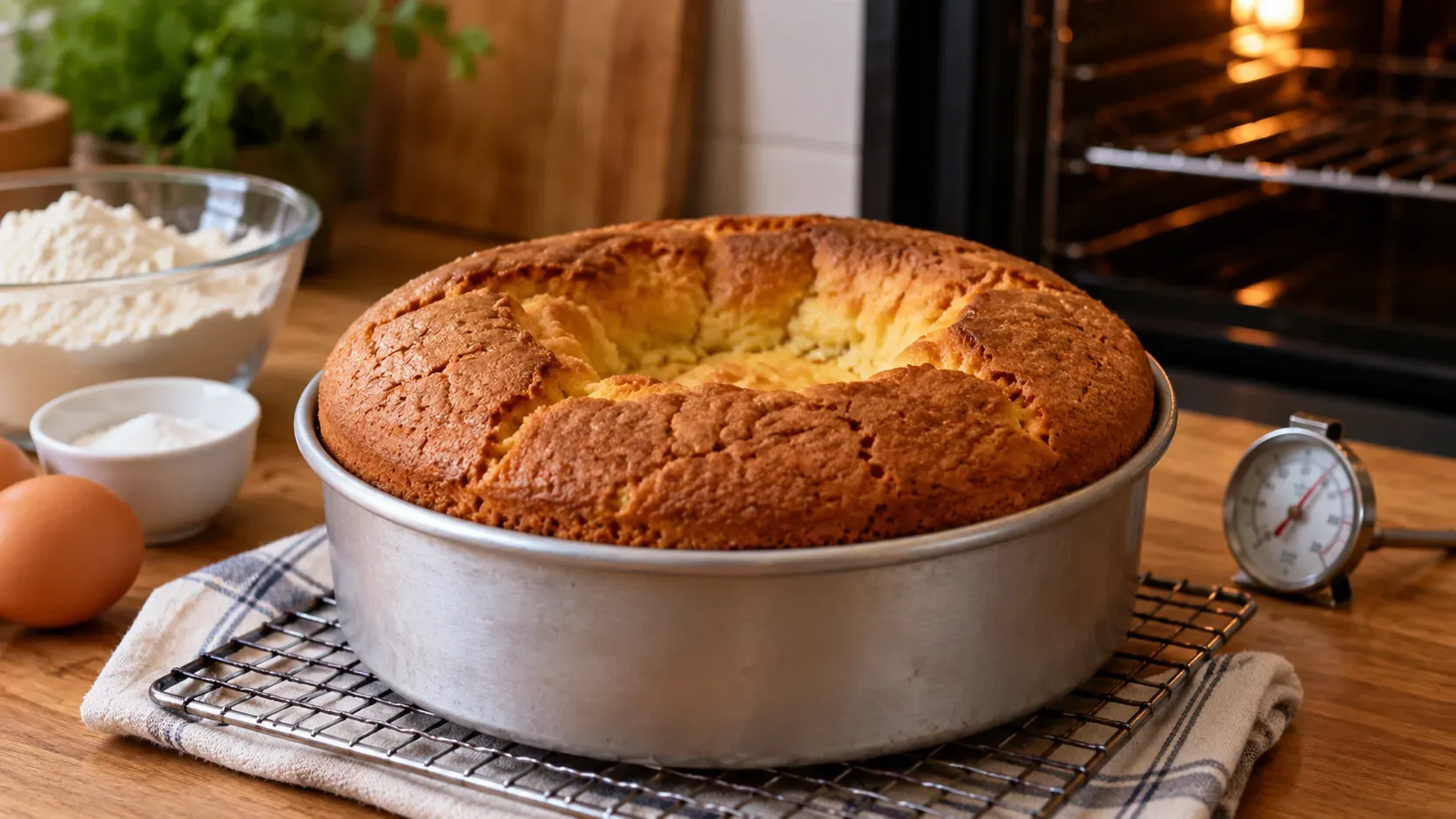
The timing of the collapse, crumb texture, and oven behavior help distinguish underbaking, excess chemical leavener, and incorrect oven temperature.
Read article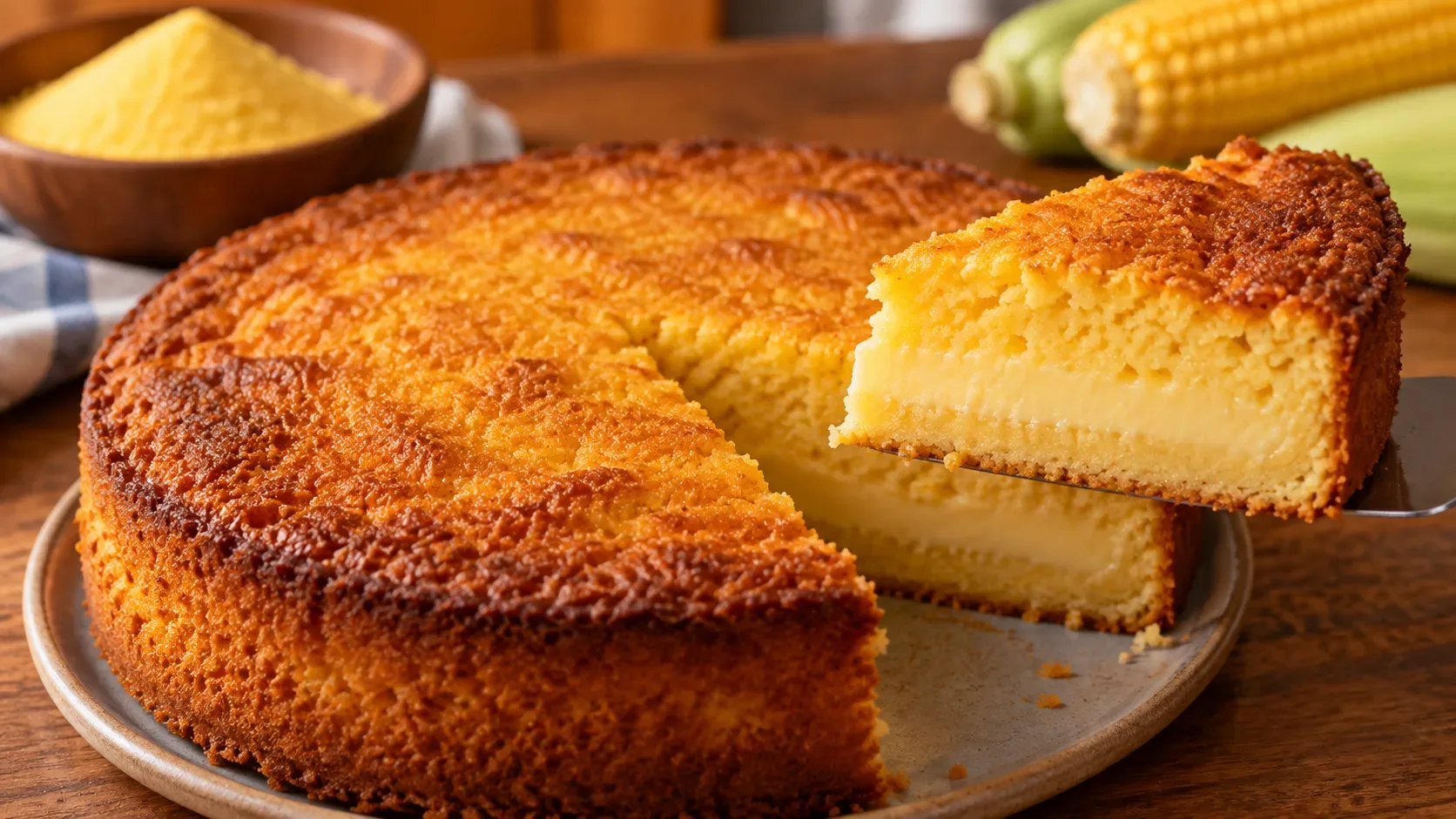
Yes: in very fluid recipes, creamy Brazilian cornmeal cake can separate into distinct textures as it bakes. Learn why and how to tell a properly creamy center from underbaked batte...
Read article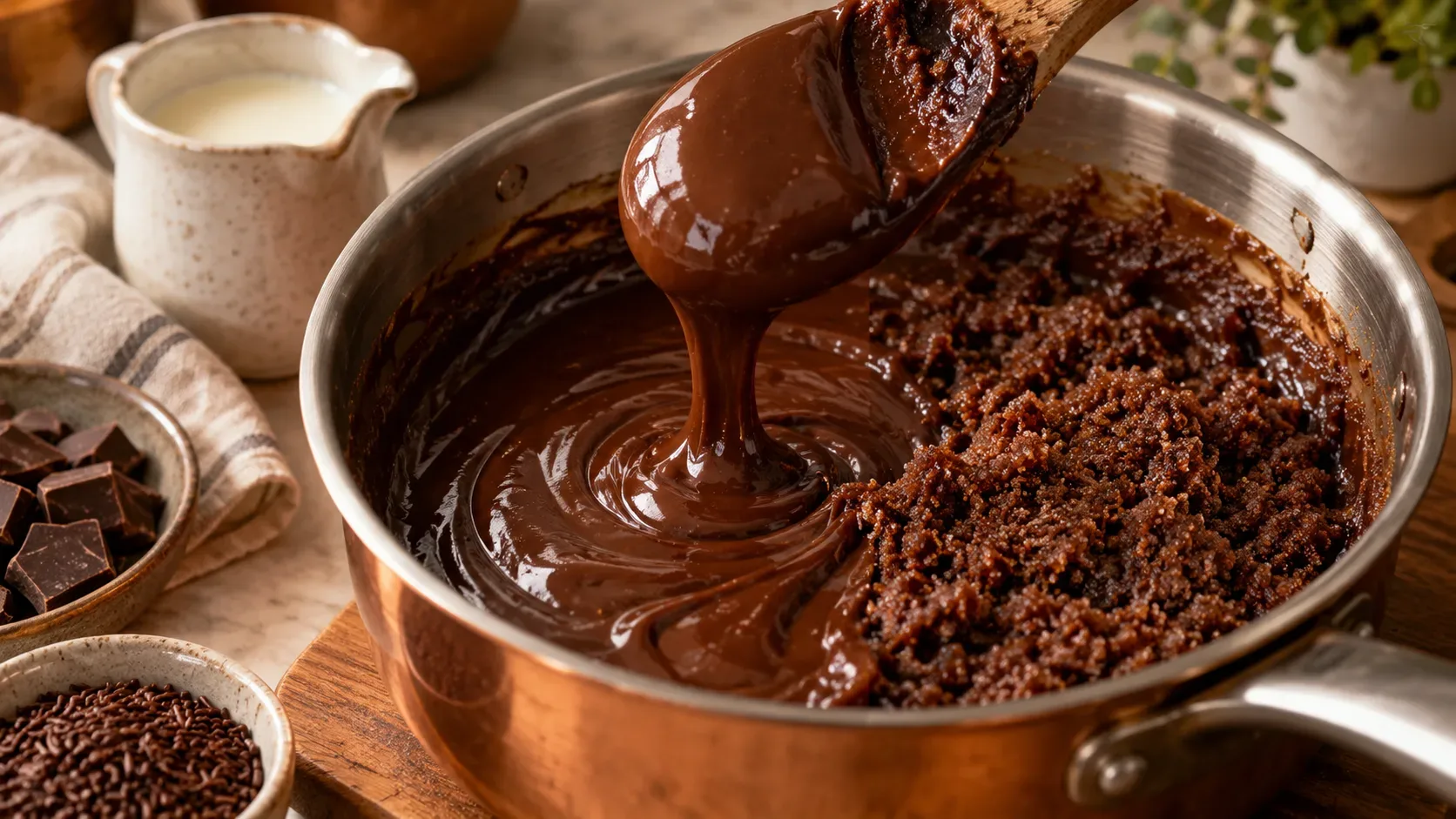
Learn why brigadeiro can turn sugary or gritty, how to tell crystallization from overcooking, and what to do while it is still in the pan or after it has cooled.
Read article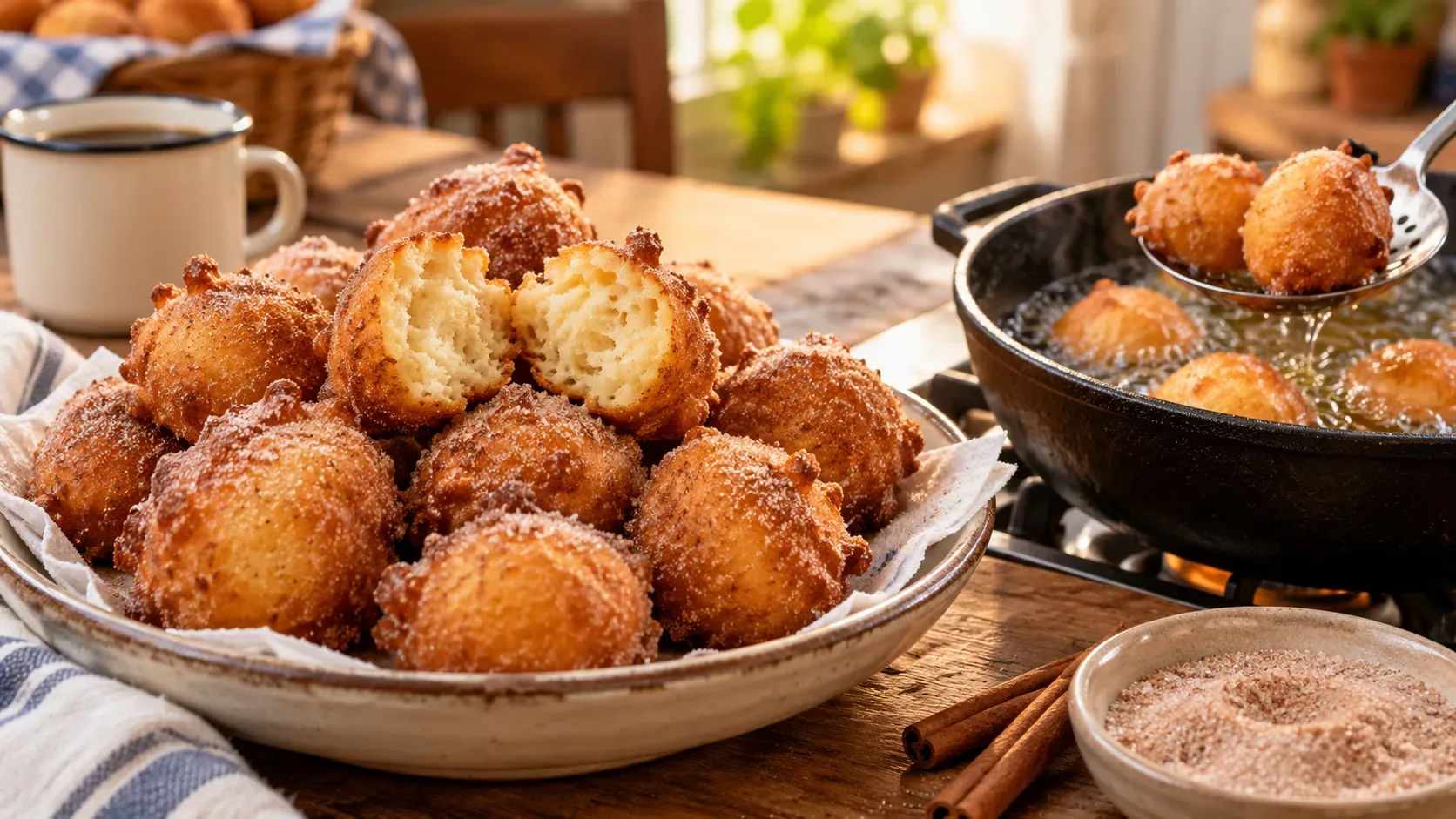
Learn the right batter consistency, portion size, batch size and 170–180 °C frying range for Brazilian bolinho de chuva that is golden outside and cooked through.
Read article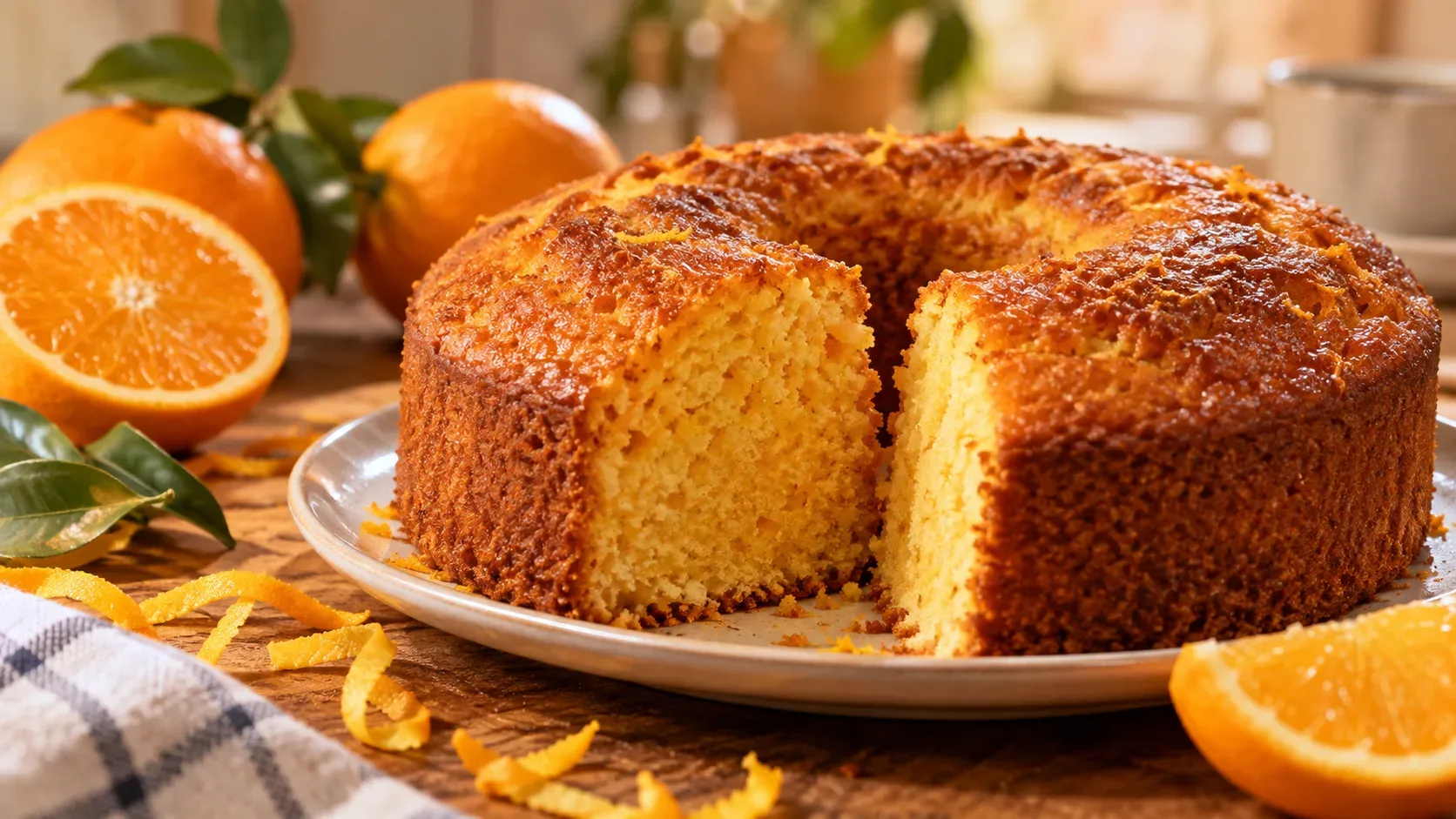
Learn how to use orange peel in cake without excessive bitterness, which parts to remove, and how Pera, Bahia, and Lima oranges compare.
Read article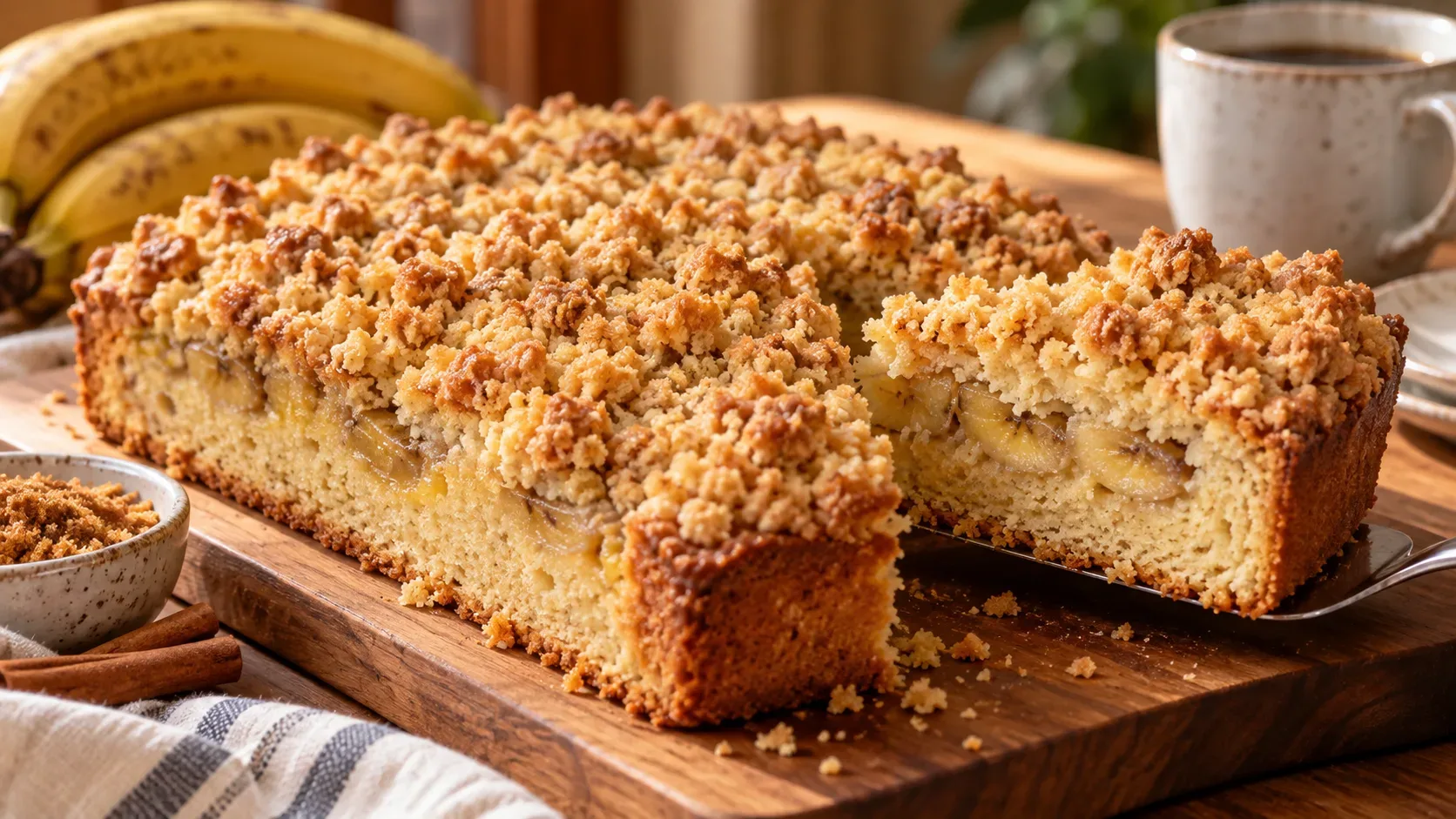
Learn how to control butter, crumb size, banana moisture, batter consistency, and oven timing for crisp streusel and a fully baked center.
Read article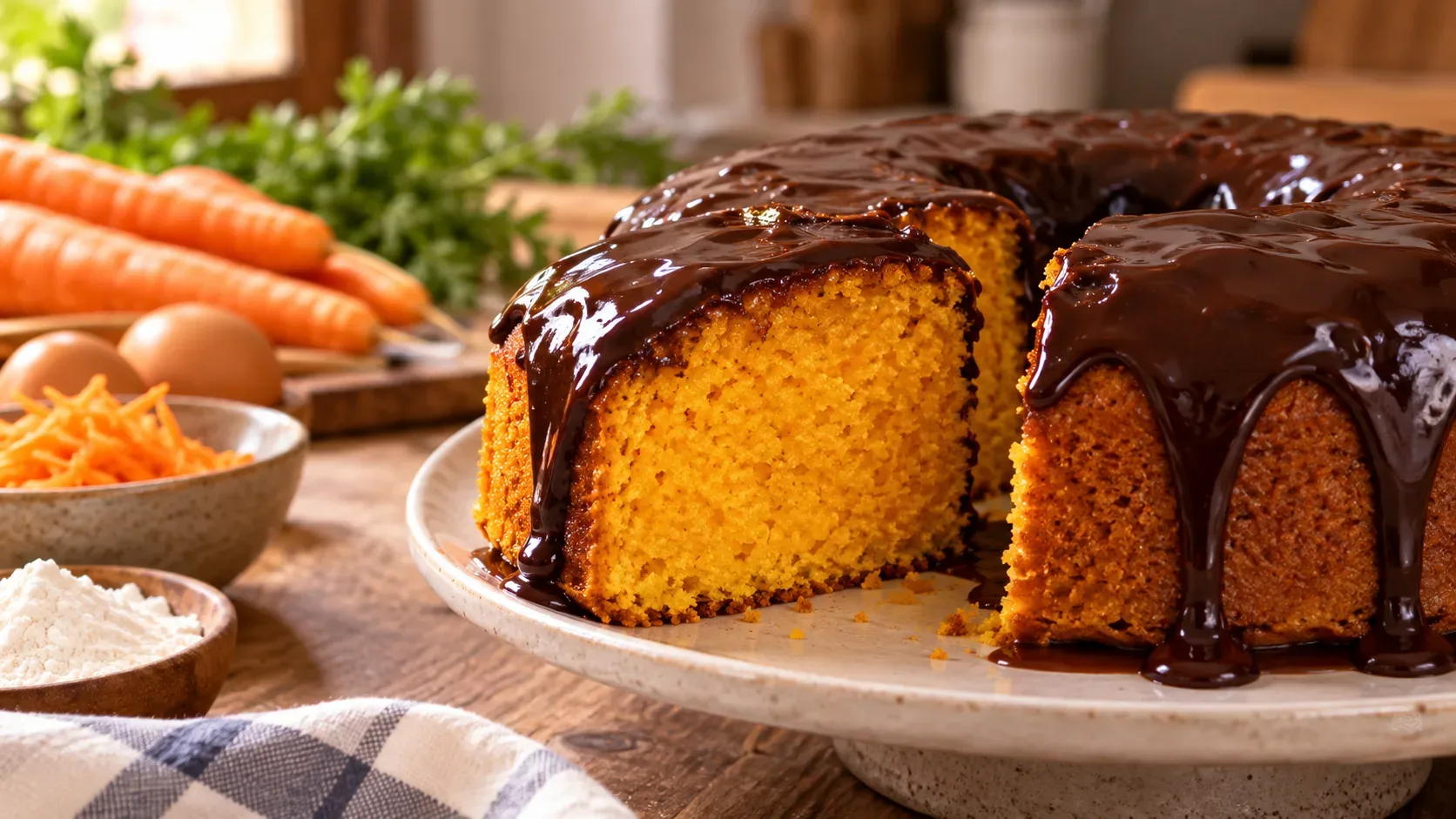
A gram-based formula and troubleshooting guide for avoiding heavy, overly wet, or underbaked Brazilian-style carrot cake, with batter, pan, and oven checkpoints.
Read articleContent with the most views.
Main dishes, meat, poultry, fish, rice, beans, pasta and meals for everyday life or family lunches.
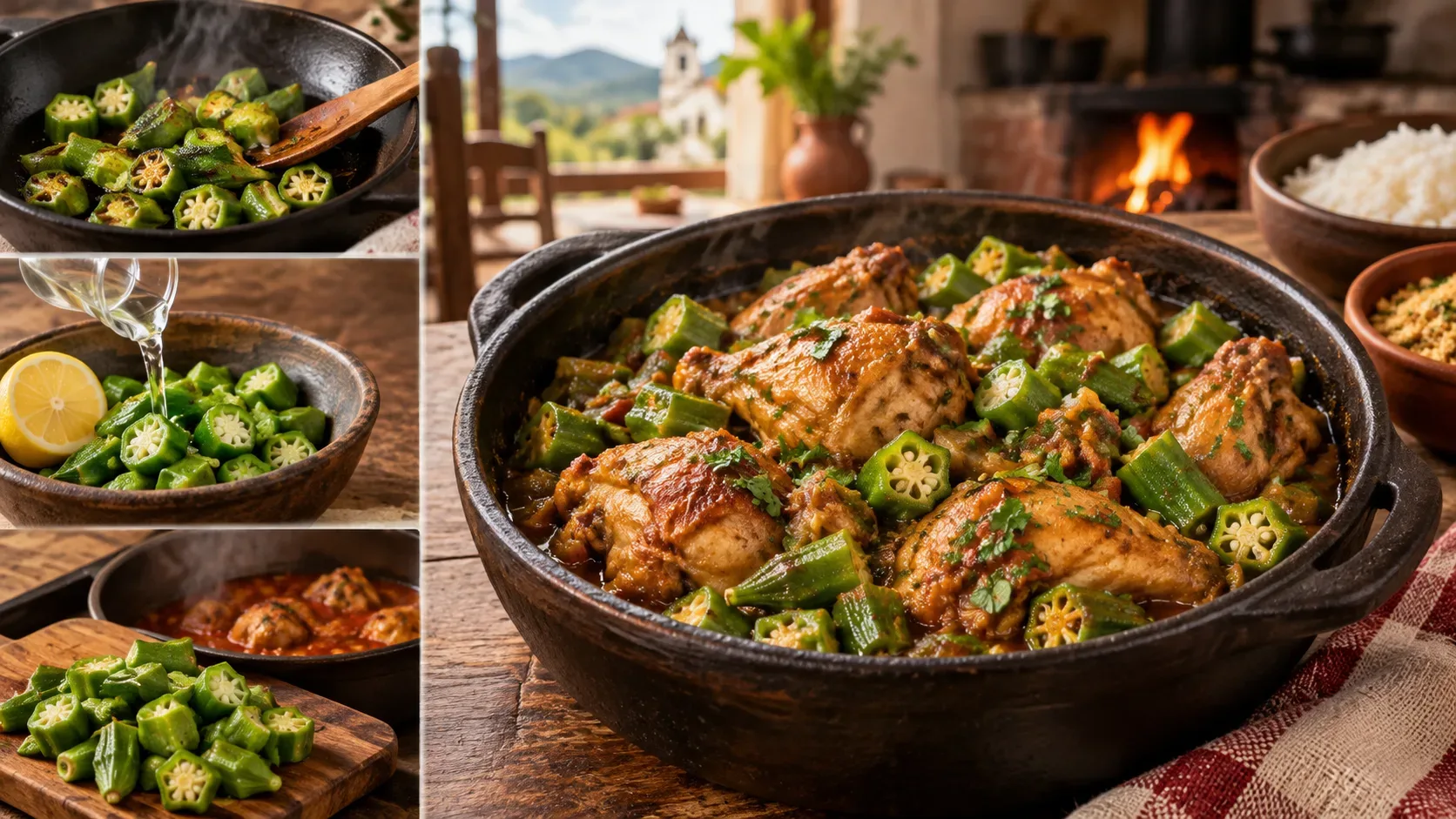
Compare three ways to control okra slime and make one Minas Gerais-style base recipe with guidance on texture, timing, and safe chicken cooking.
Read articleNo articles published yet.
Homemade cakes, cuca cakes, cookies, corn breads, baked treats and recipes to serve with coffee or tea.
Yes: in very fluid recipes, creamy Brazilian cornmeal cake can separate into distinct textures as it bakes. Learn why and how to tell a properly creamy center from underbaked batte...
Read articleLearn how to use orange peel in cake without excessive bitterness, which parts to remove, and how Pera, Bahia, and Lima oranges compare.
Read articleLearn how to control butter, crumb size, banana moisture, batter consistency, and oven timing for crisp streusel and a fully baked center.
Read articleA gram-based formula and troubleshooting guide for avoiding heavy, overly wet, or underbaked Brazilian-style carrot cake, with batter, pan, and oven checkpoints.
Read articlePuddings, pavês, stovetop sweets, sweet pies, chilled desserts and dishes to serve after meals.
Learn why brigadeiro can turn sugary or gritty, how to tell crystallization from overcooking, and what to do while it is still in the pan or after it has cooled.
Read article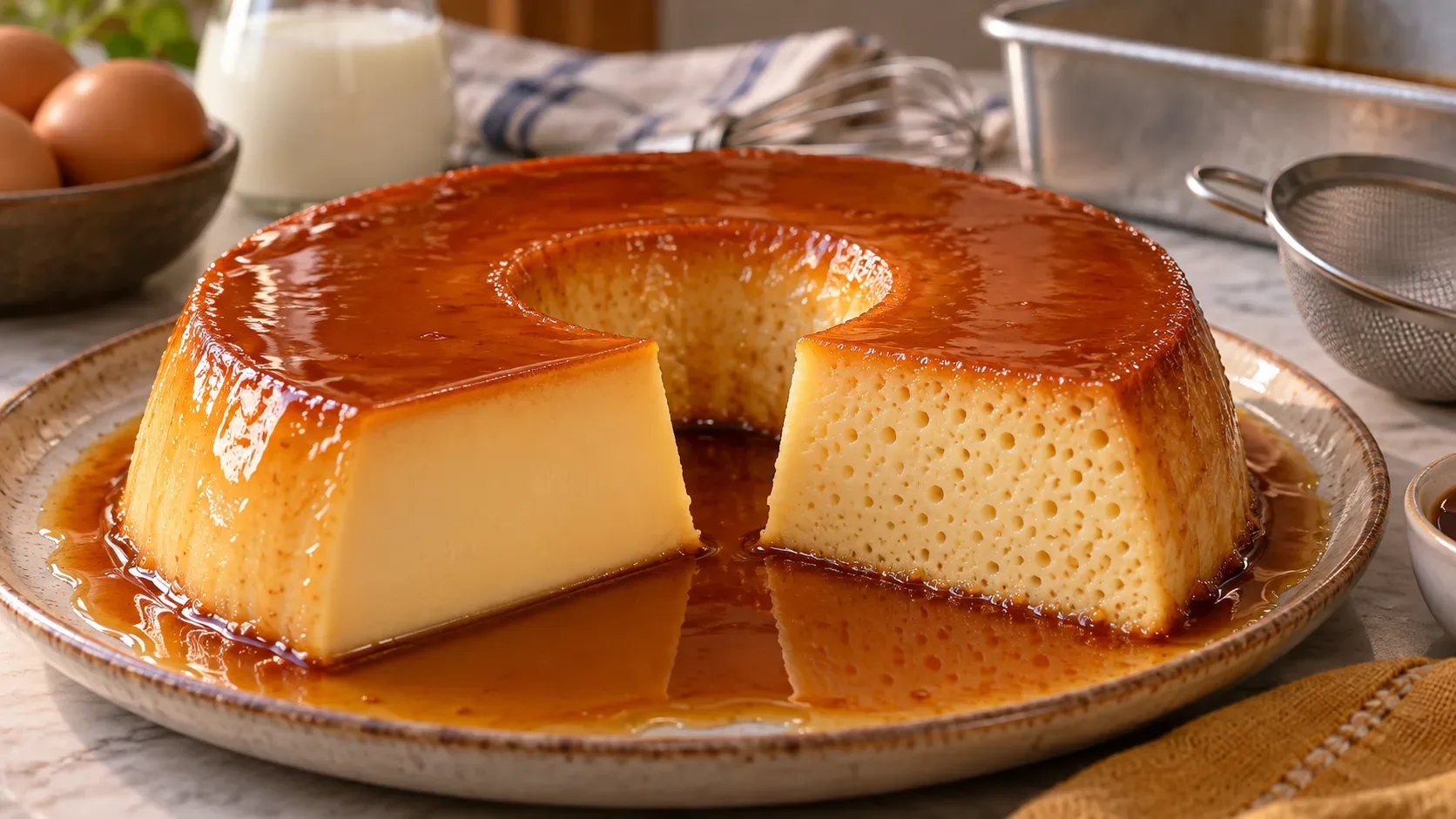
Use the same condensed milk flan recipe and control the texture through aeration, resting, straining, the water bath, and oven heat.
Read articleHomemade breads, pizzas, savory pies, snacks, pasta and baked or fried preparations.
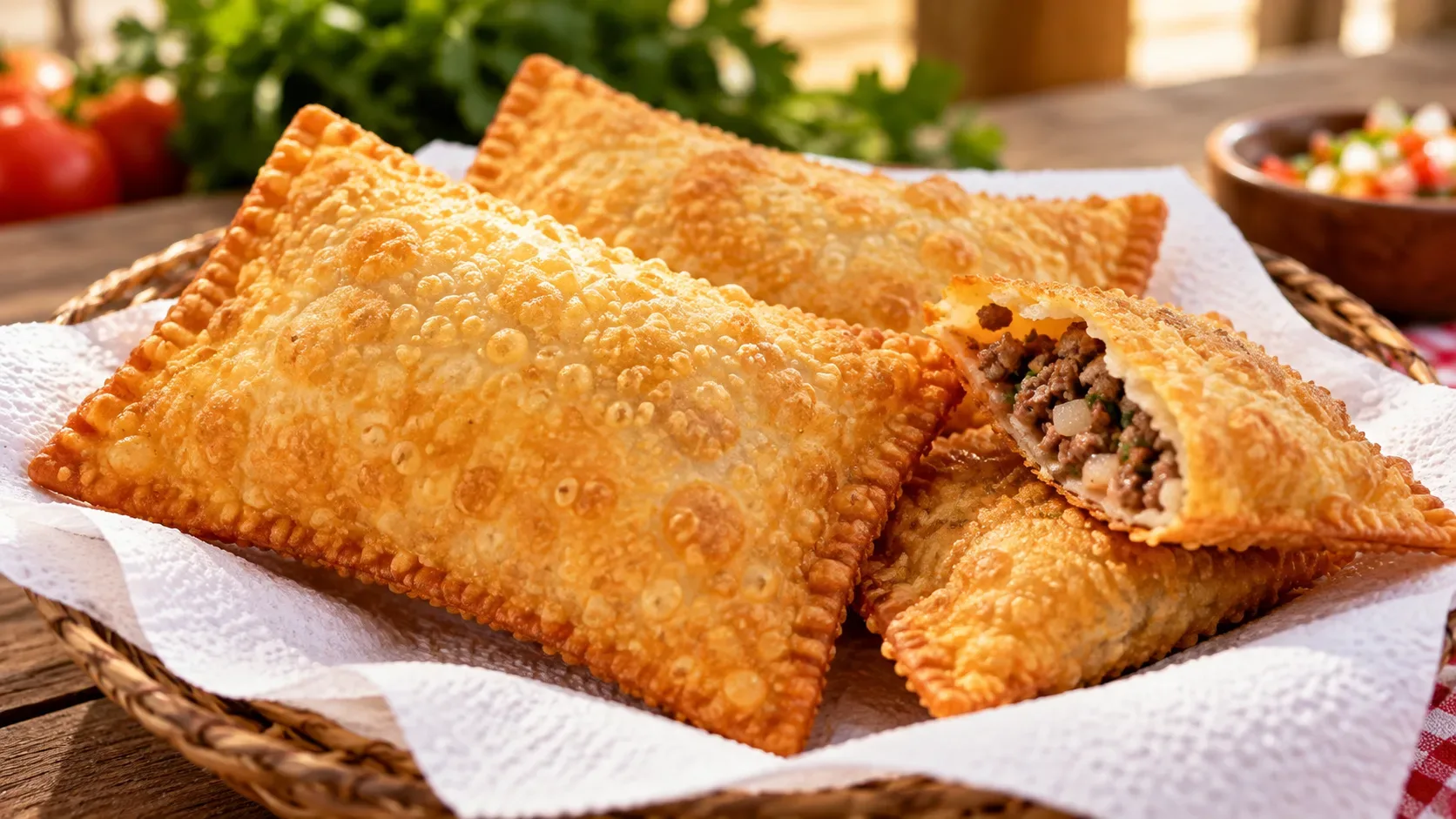
Learn how to control dough thickness, filling, sealing and oil near 180 °C to make crisp Brazilian pastel with less greasiness and fewer leaks.
Read article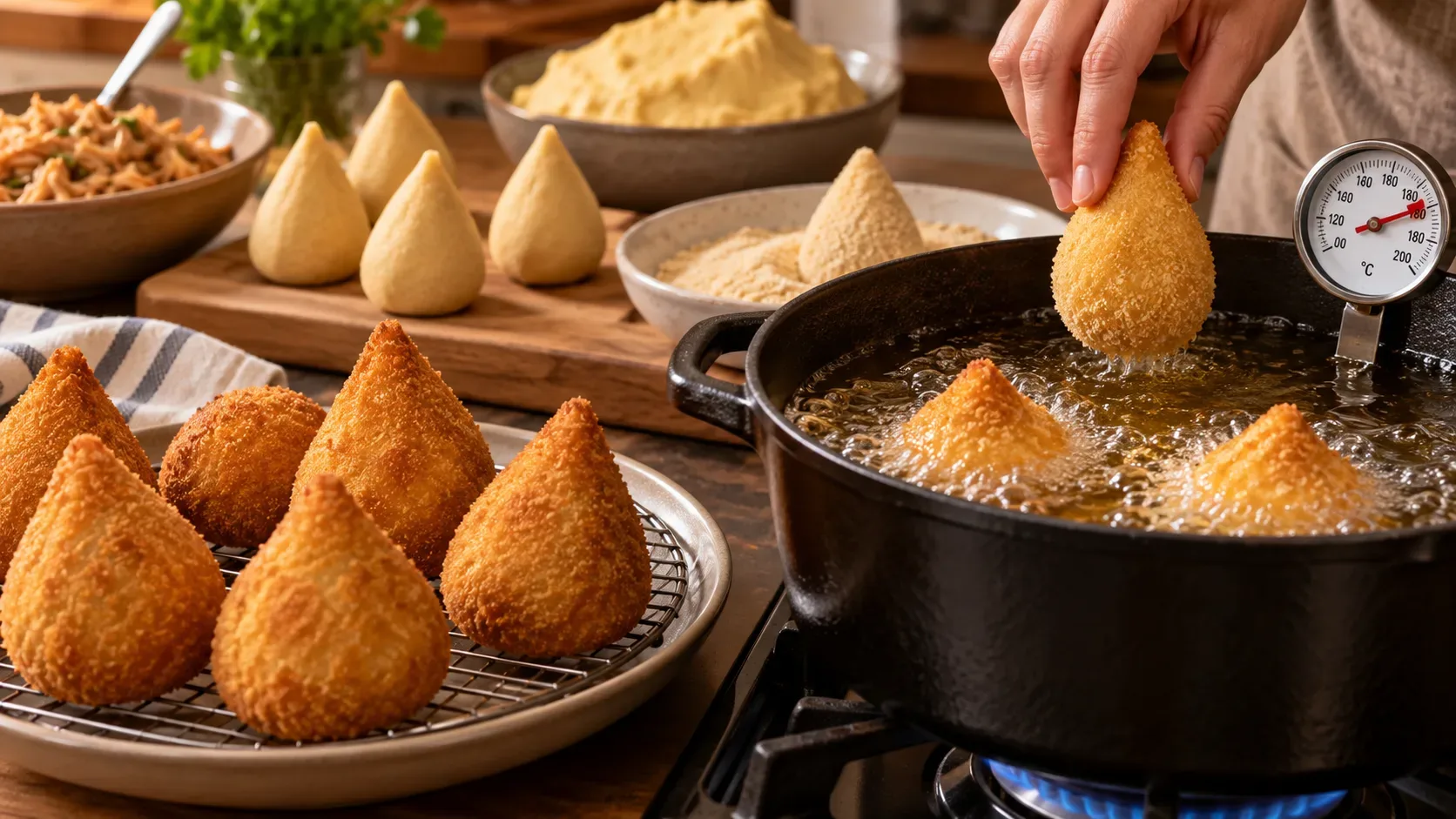
Prevent coxinhas from splitting or turning greasy by controlling dough consistency, filling moisture, sealing, breading, and oil temperature.
Read article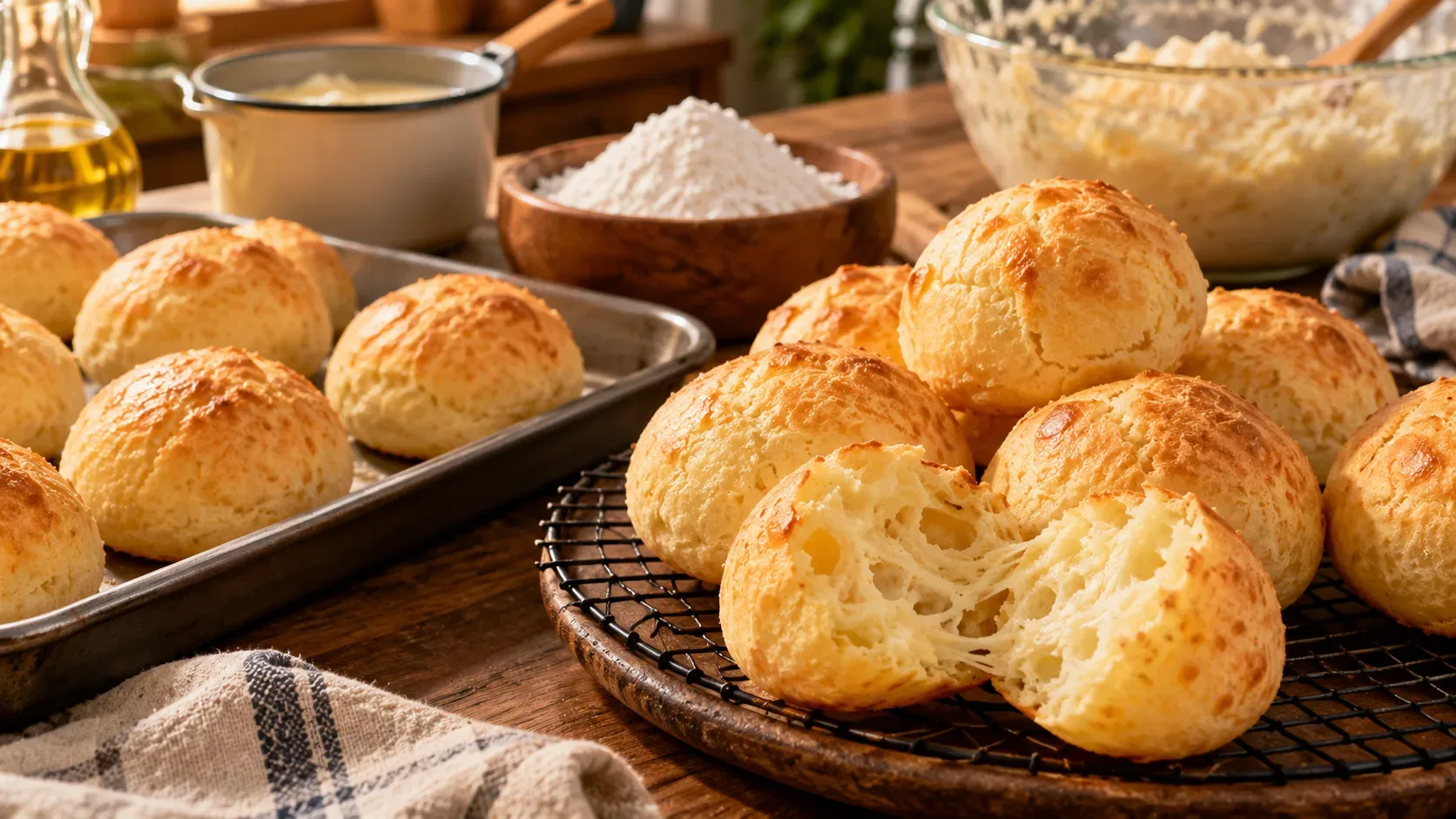
How to balance sweet and sour cassava starch, scald correctly, control the egg and bake Brazilian cheese bread to reduce post-oven collapse, with a recipe by weight and a symptom g...
Read articleLearn to distinguish underproofing, overproofing, dry dough, and oven problems from the signs, then improve the texture of your next loaf.
Read articleGrandma's Recipes was created to bring together recipes that make sense in a real kitchen: everyday food, Sunday lunch, cake for coffee time, desserts to share, bread fresh from the oven, and dishes that cross generations.
Here, a recipe does not end with the ingredient list. We want to explain quantities, doneness, temperature, texture, possible substitutions, storage, and the small details that can determine whether a preparation works.
The name celebrates the idea of cooking passed down between generations, but the blog is not stuck in the past. Traditional recipes live alongside current preparations, new equipment, and more practical ways of cooking.
When a recipe has a specific family or historical origin, that should be identified correctly. We will not present a preparation as a “traditional grandma recipe” merely to make the title more appealing.
The idea is simple: help you leave the page knowing what to prepare, how to prepare it, and what to watch for to achieve the expected result.