
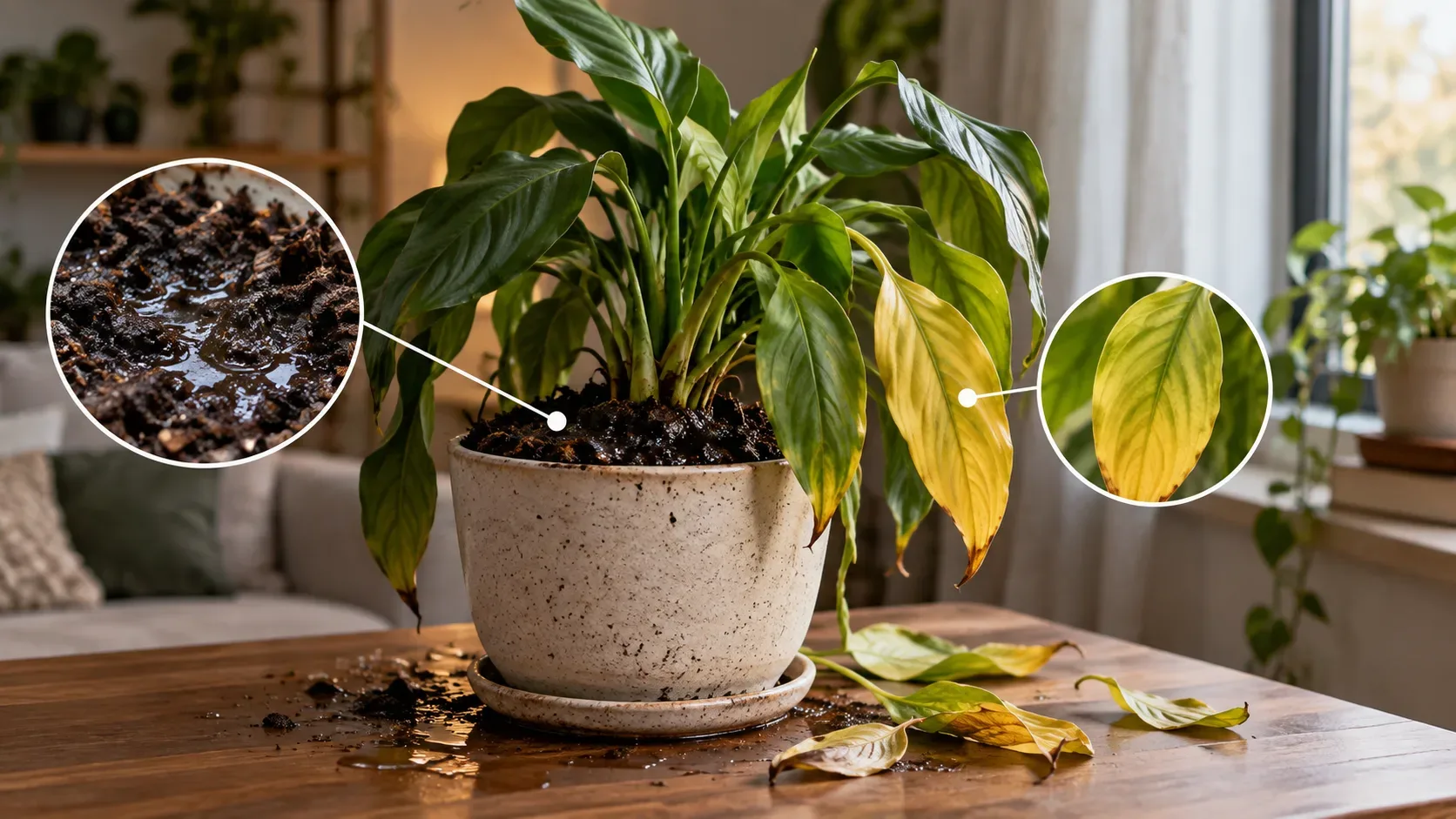
Wet soil and fallen leaves: overwatering or too little light?
Learn to combine potting-mix moisture, drainage, growth and light to identify likely causes of leaf drop before changing your watering routine.
Read articleLeaf Alert helps home growers interpret symptoms, investigate likely causes, and choose the first steps for plant recovery.
Explore articlesThe most important content to start with.
Learn to combine potting-mix moisture, drainage, growth and light to identify likely causes of leaf drop before changing your watering routine.
Read articleOther selected strategic content.
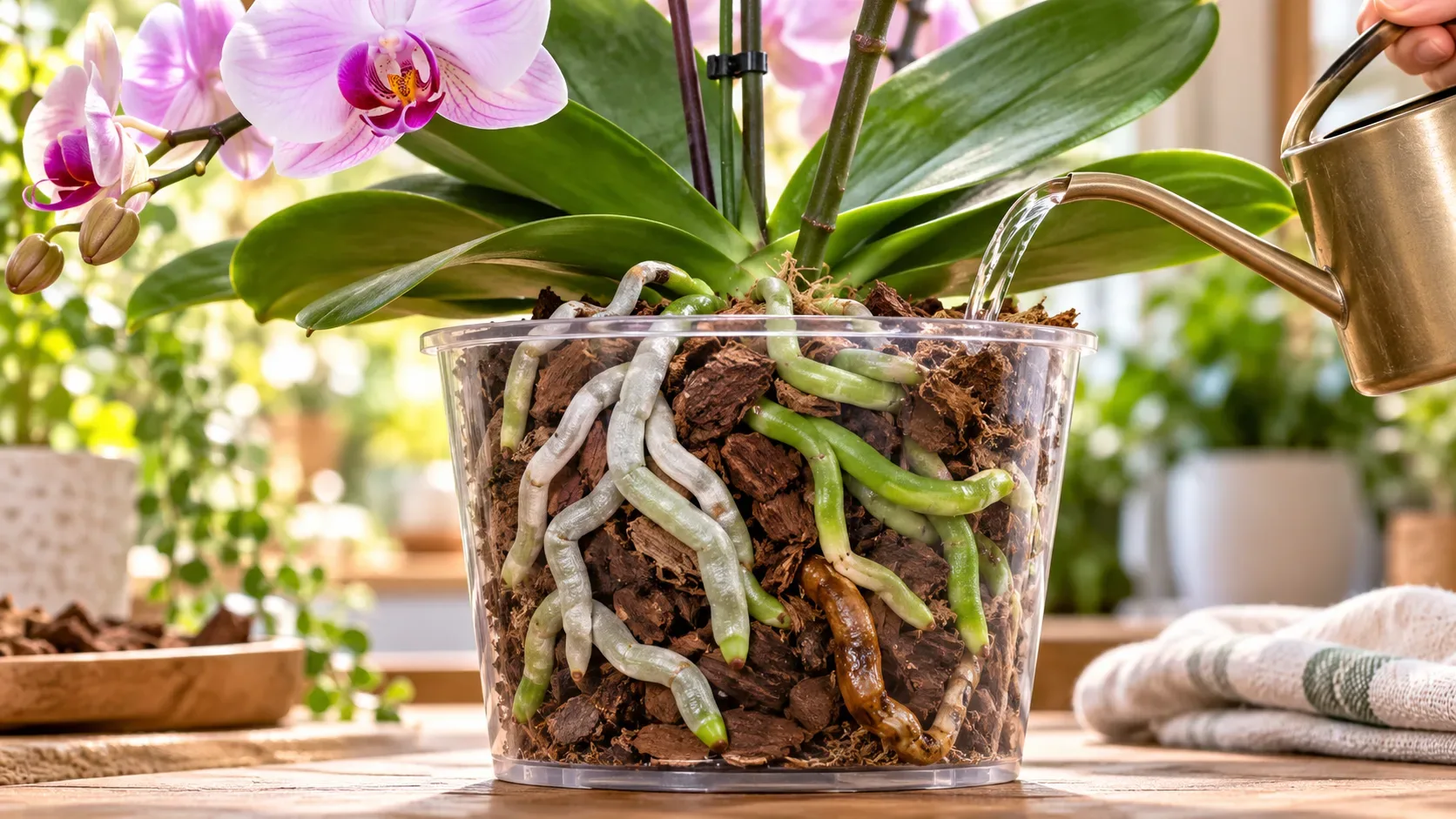
Learn what silver and green roots indicate, how to combine signs before watering, and how to tell normal drying from root rot.
Read article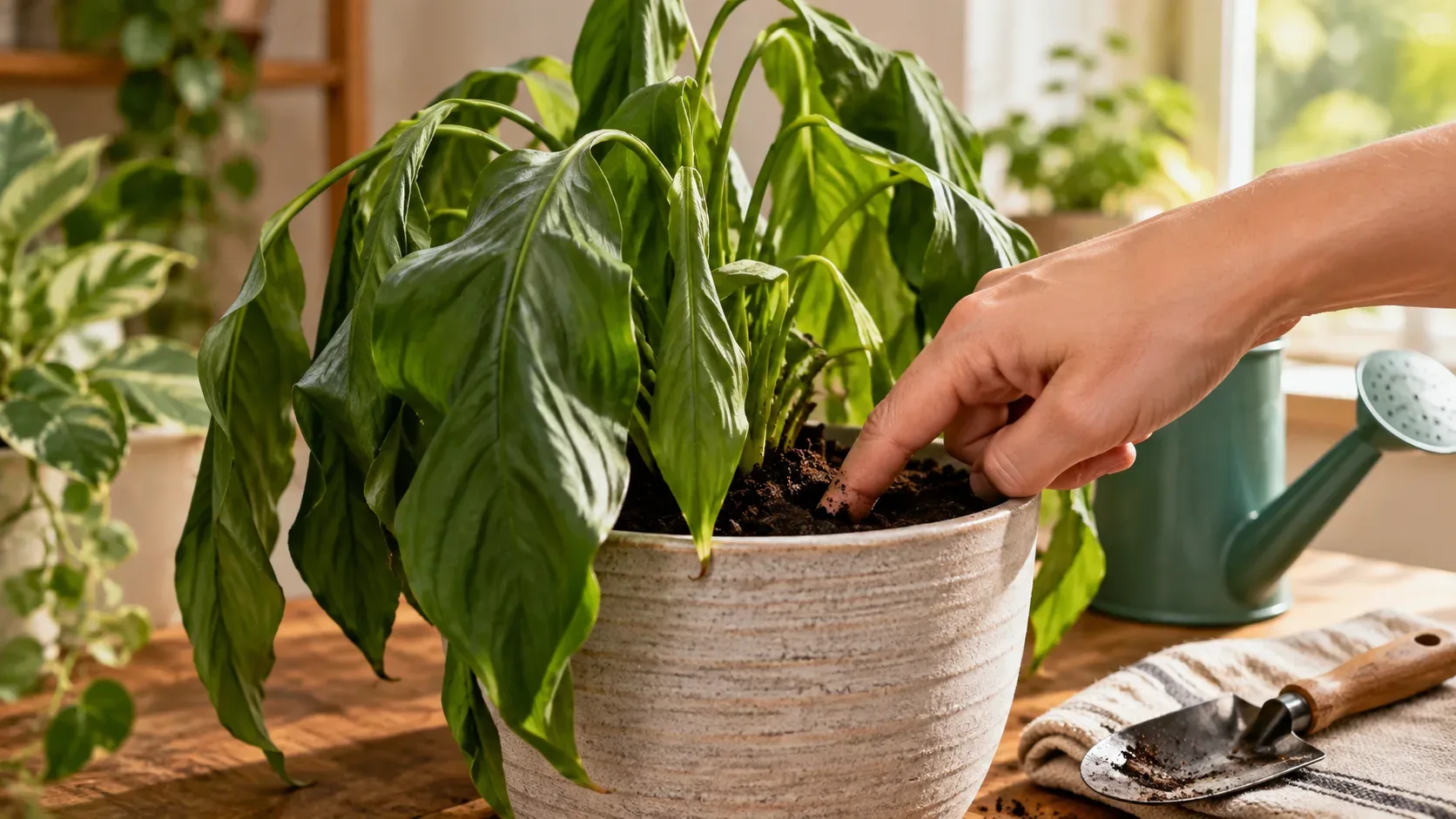
Wilting in moist potting mix does not automatically mean thirst. Check drainage, heat, transplant stress, and roots before watering again.
Read article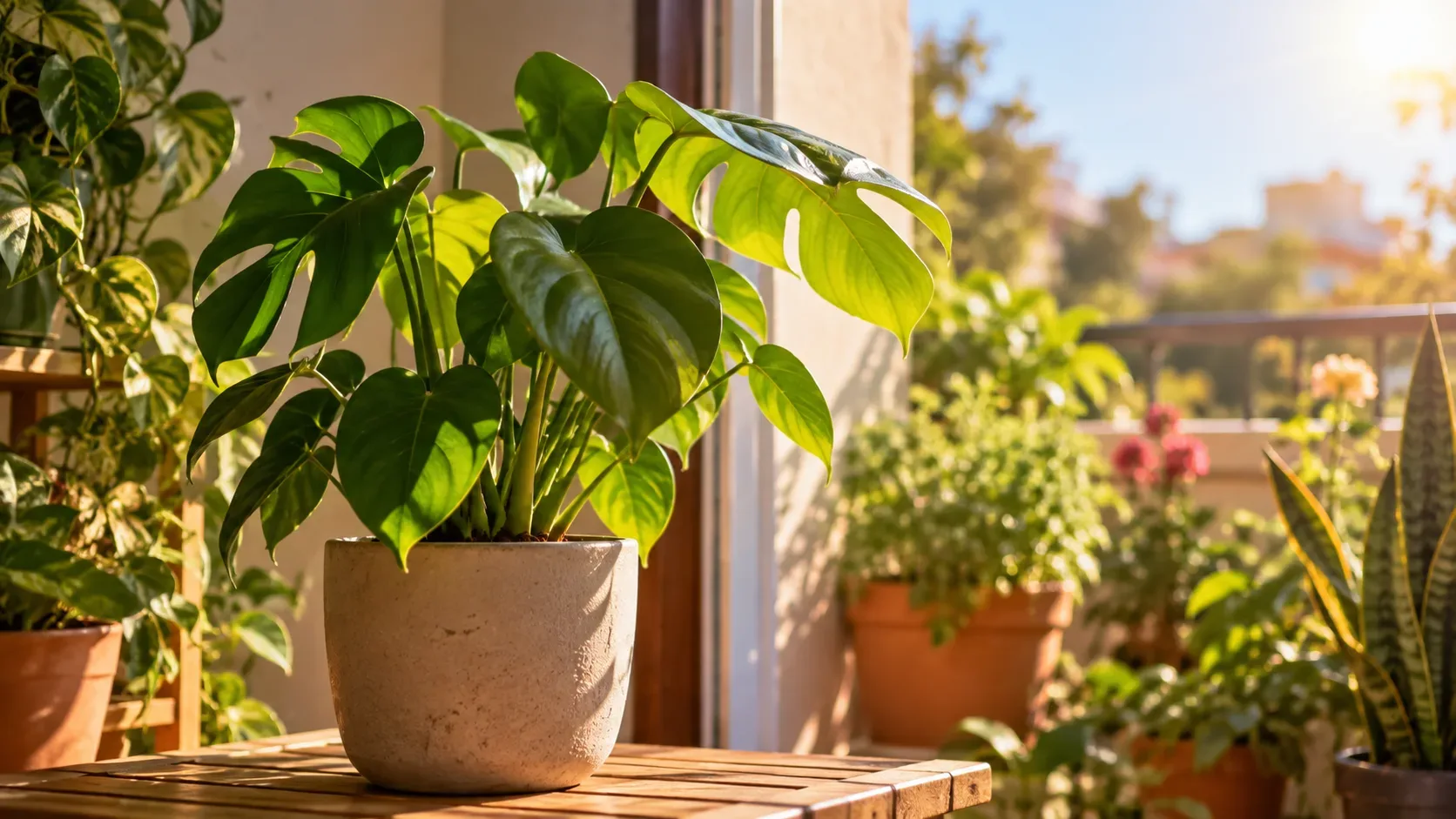
Some houseplants can handle more spring sun, but the change should be gradual. Use this flexible 7–14 day framework, learn why morning sun is usually safer, and spot signs of leaf ...
Read articleBrowse the blog main topics.
Investigation of yellowing, dry edges, burns, deformations and different types of stains.
Watering and Roots6 articlesExcess or lack of water, drainage, substrate, damaged roots and rot.
Pests and Diseases9 articlesVisual identification, isolation, prevention and initial care when dealing with insects and possible plant diseases.
Light and Growth3 articlesWeak growth, elongated stems, crooked plants, lack of light, excessive sun and unsuitable environment.
Recovery & Repotting4 articlesReplanting, changing pots, recovery pruning, adaptation and follow-up after a problem.
Recent posts and new content.
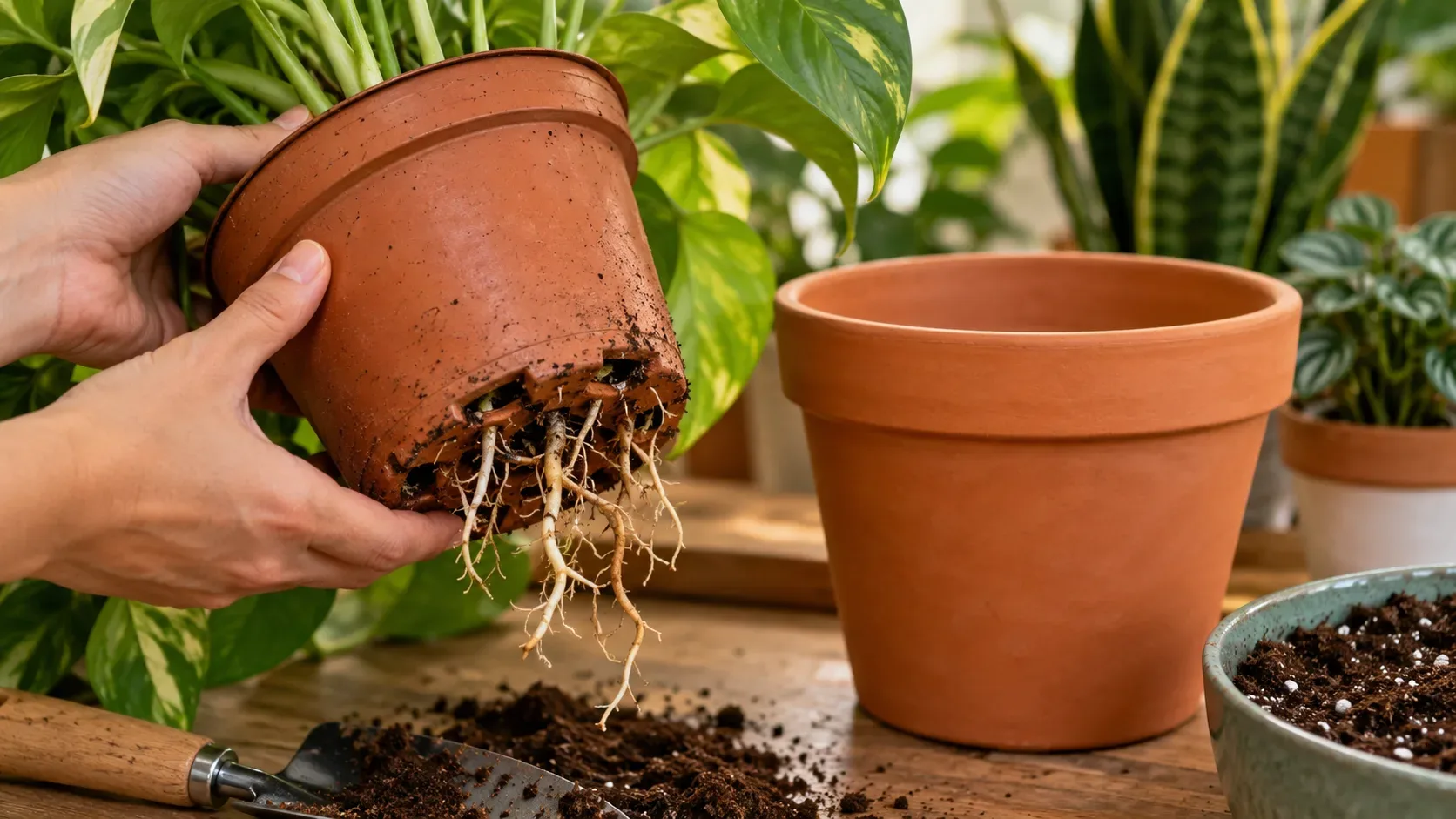
Learn how to tell a stray root from a truly root-bound plant, measure the next pot size, and avoid oversized containers that stay wet too long.
Read article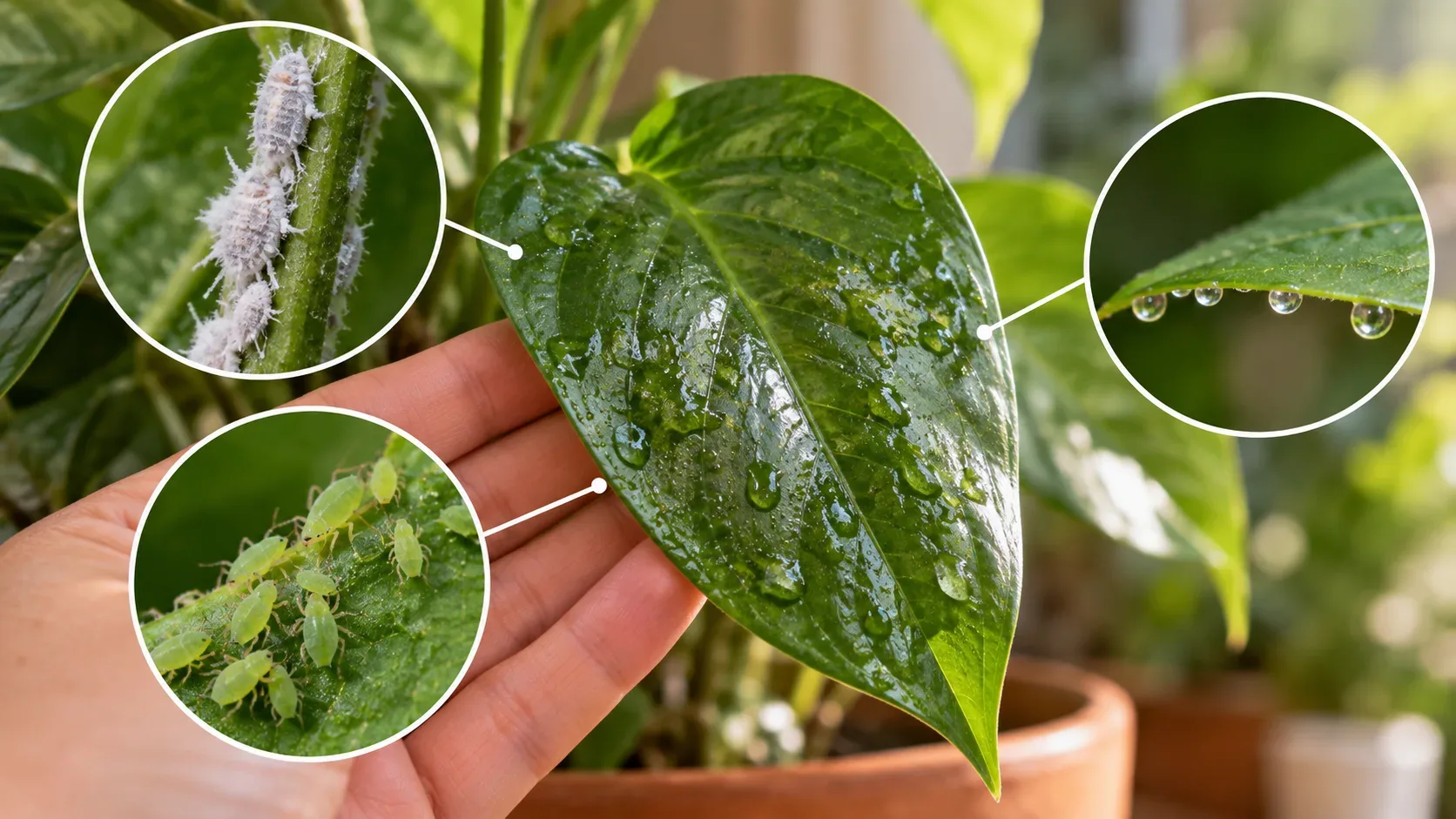
A practical key to tell whether stickiness comes from sap-feeding insects or the plant itself before applying any treatment.
Read article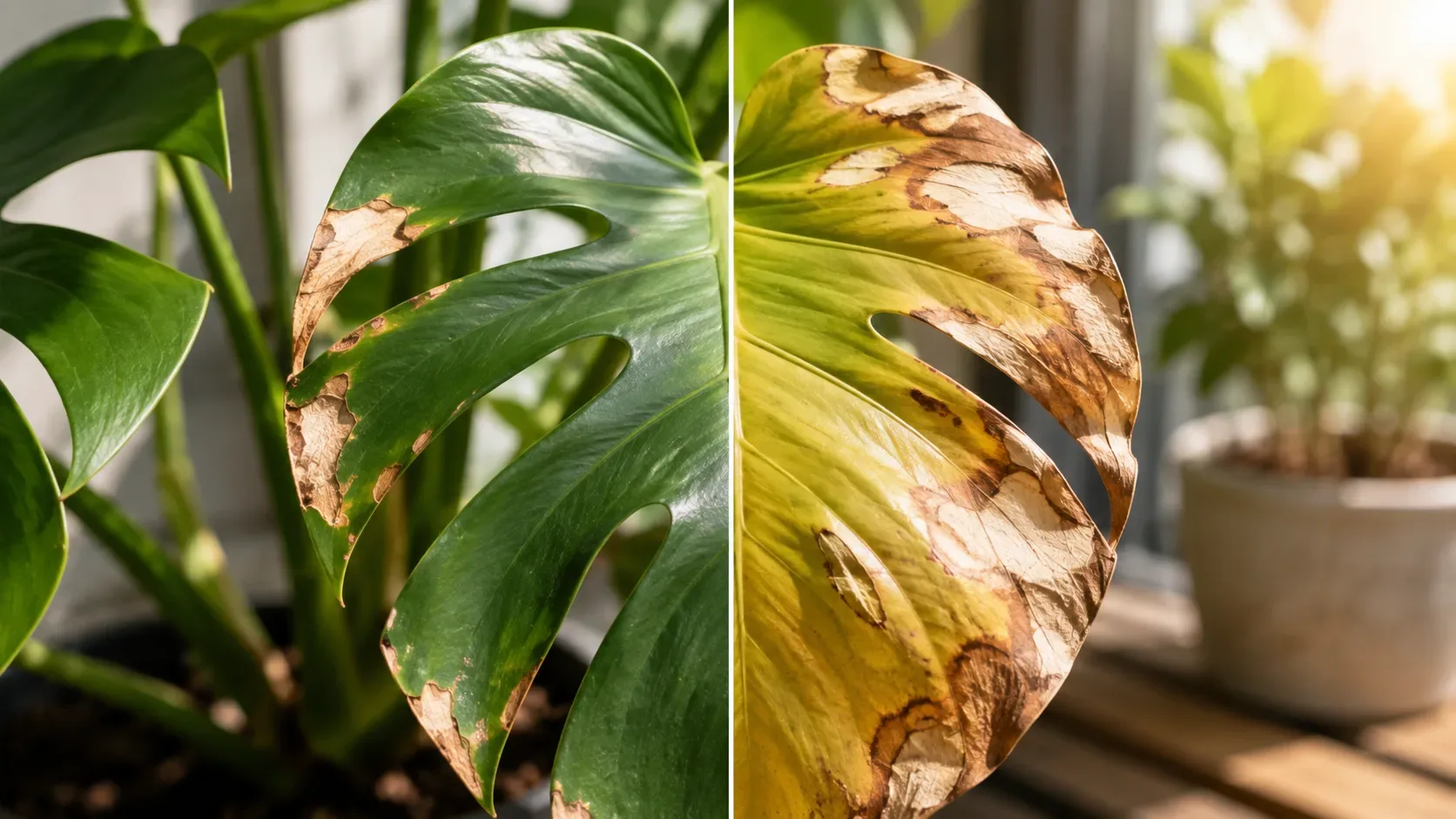
Learn which signs point to sunburn after a sudden increase in light, how to distinguish it from drying and other stress, and how to acclimate the plant more safely.
Read article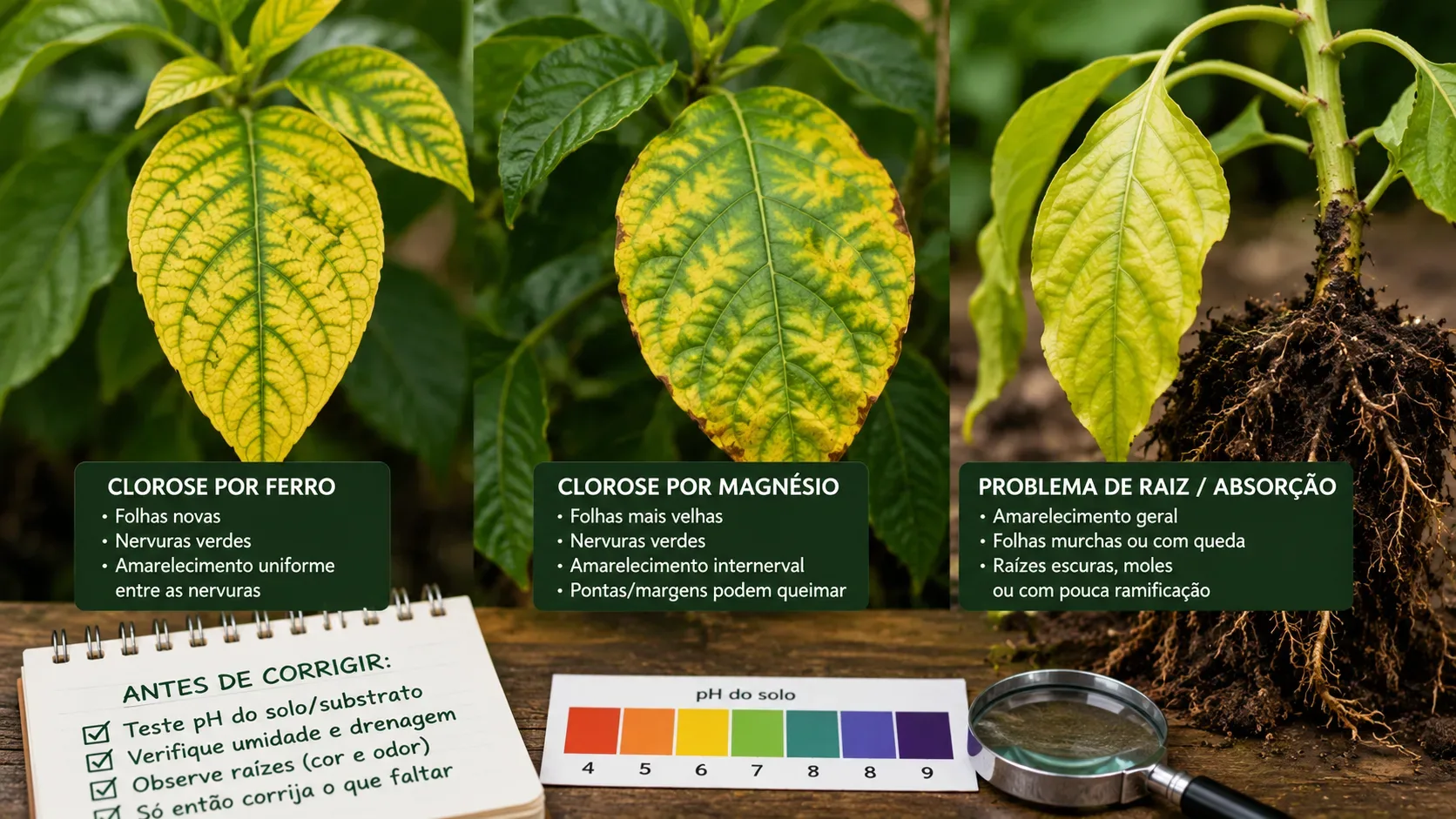
Use leaf age, chlorosis pattern, pH and root signs to investigate iron deficiency, magnesium deficiency or poor uptake without fertilizing blindly.
Read article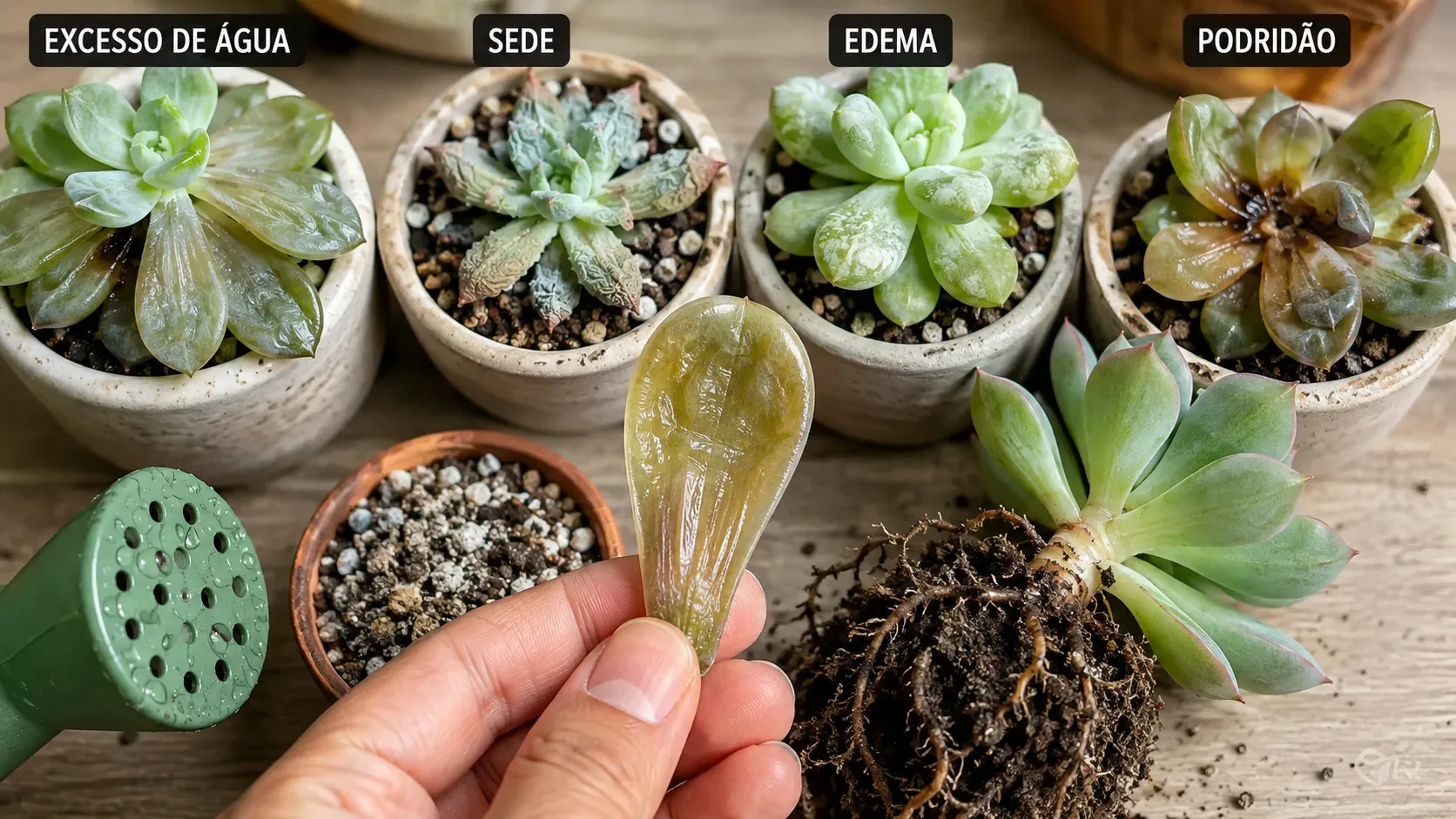
A soft or translucent leaf does not automatically mean thirst. Learn how to combine potting-mix moisture, leaf texture and root condition before watering or repotting.
Read article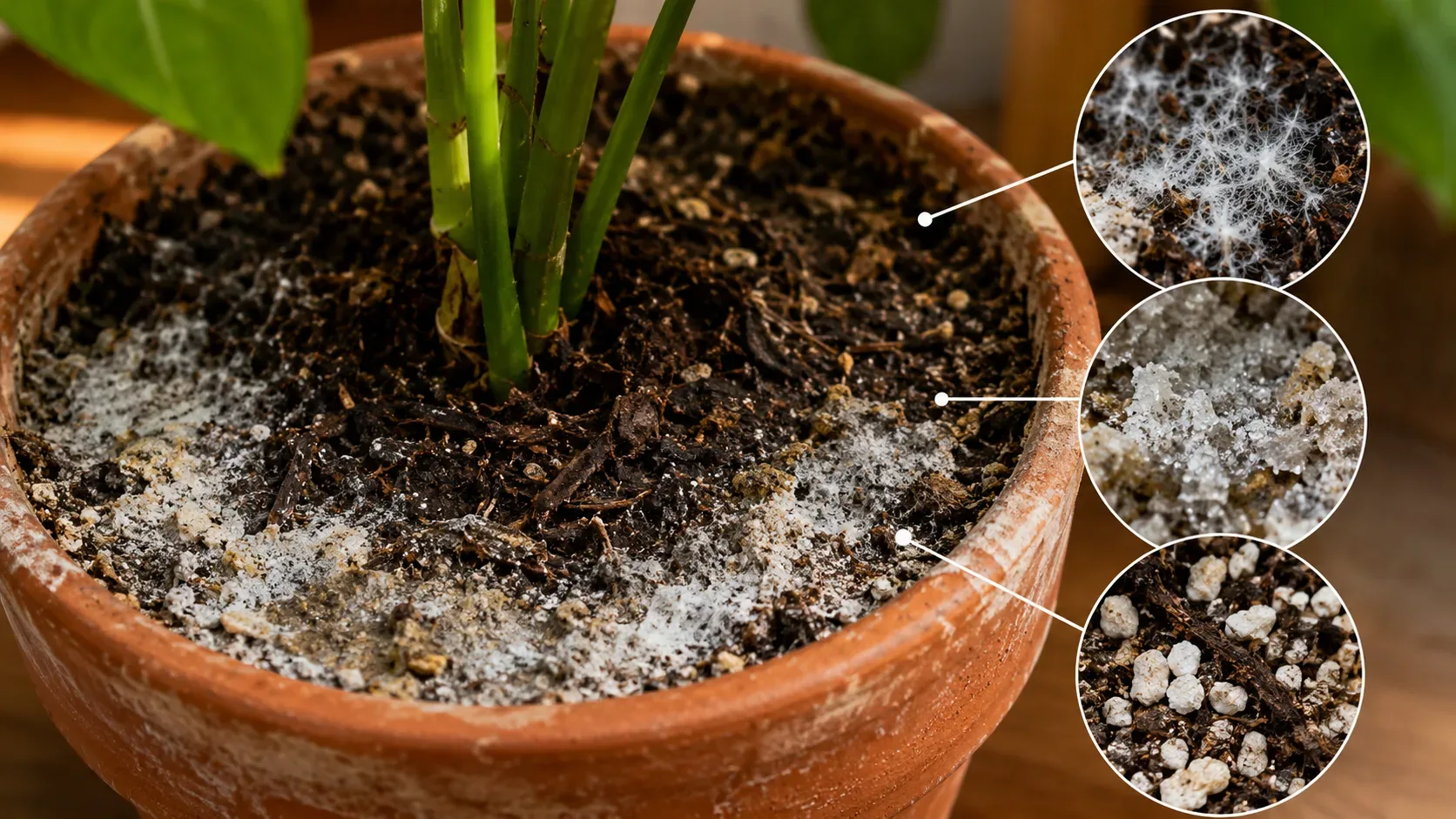
Learn to distinguish surface fungal growth, salt deposits, and light-colored potting-mix ingredients by texture, location, drainage, and fertilizing history.
Read article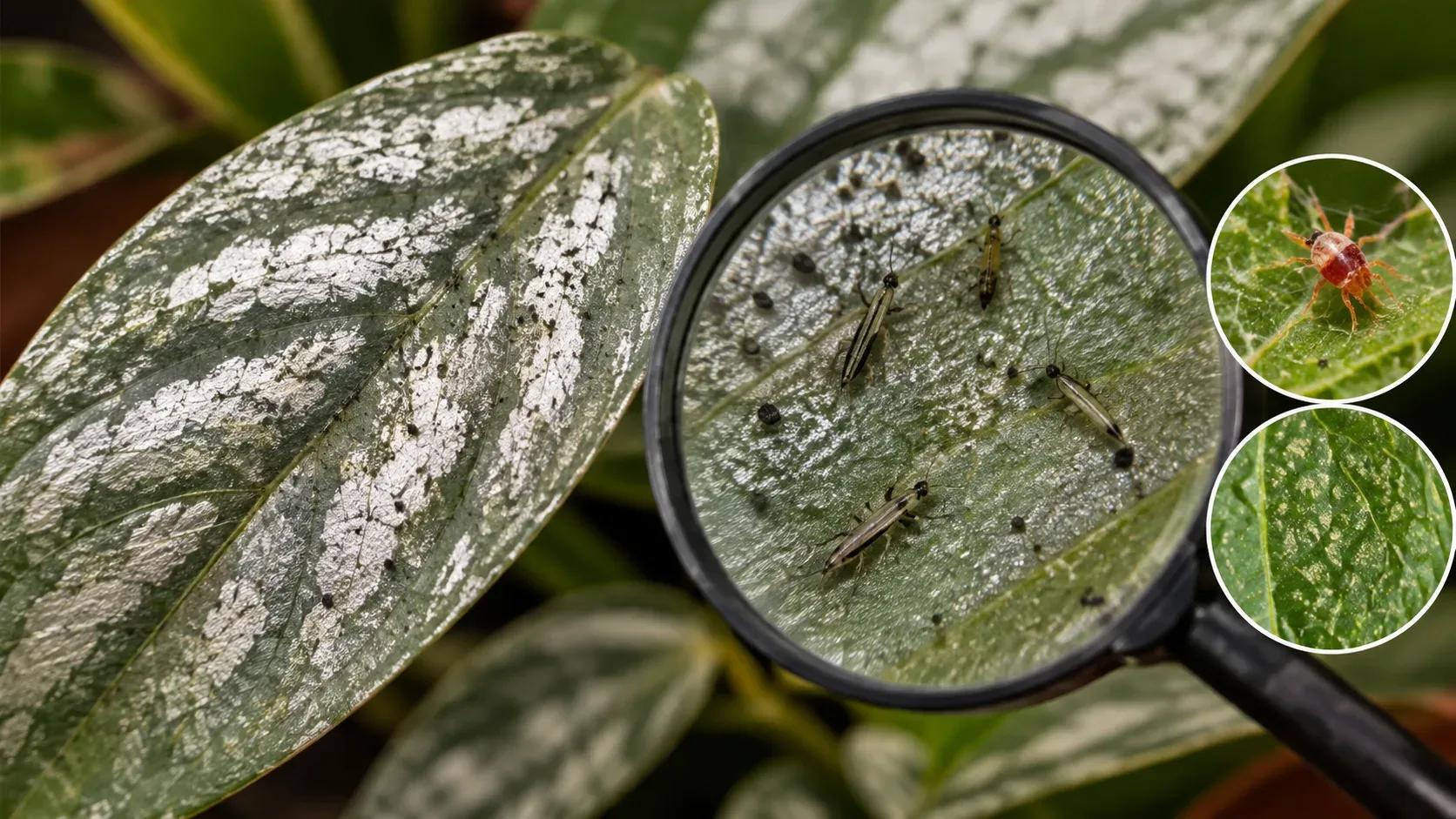
Irregular silvering with black specks favors thrips; fine stippling and webbing favor spider mites. Learn how to confirm the pest before treating.
Read article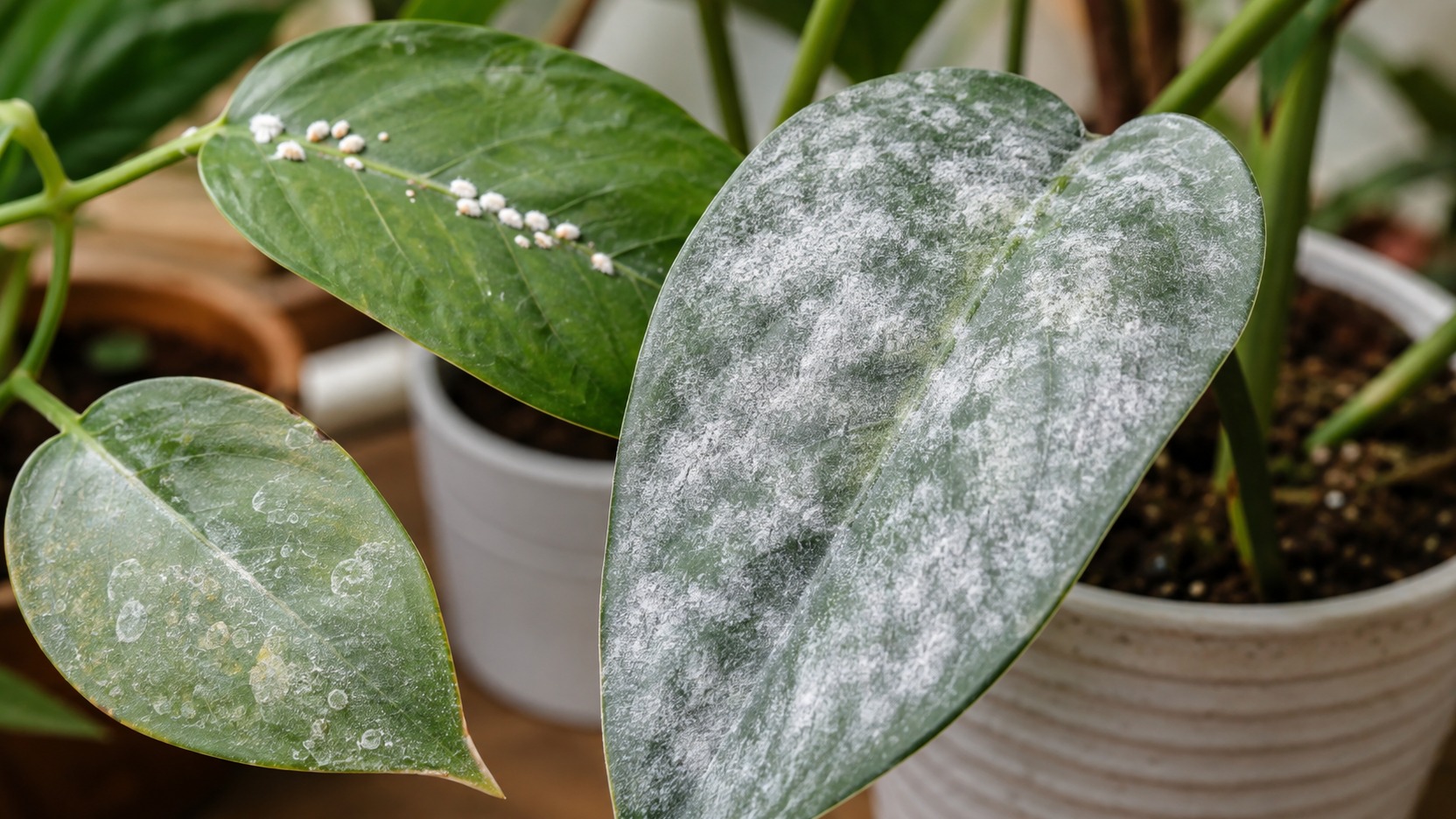
Before applying any product, observe texture, distribution, and associated signs. The pattern of the white powder helps distinguish powdery mildew from mealybugs and residue.
Read article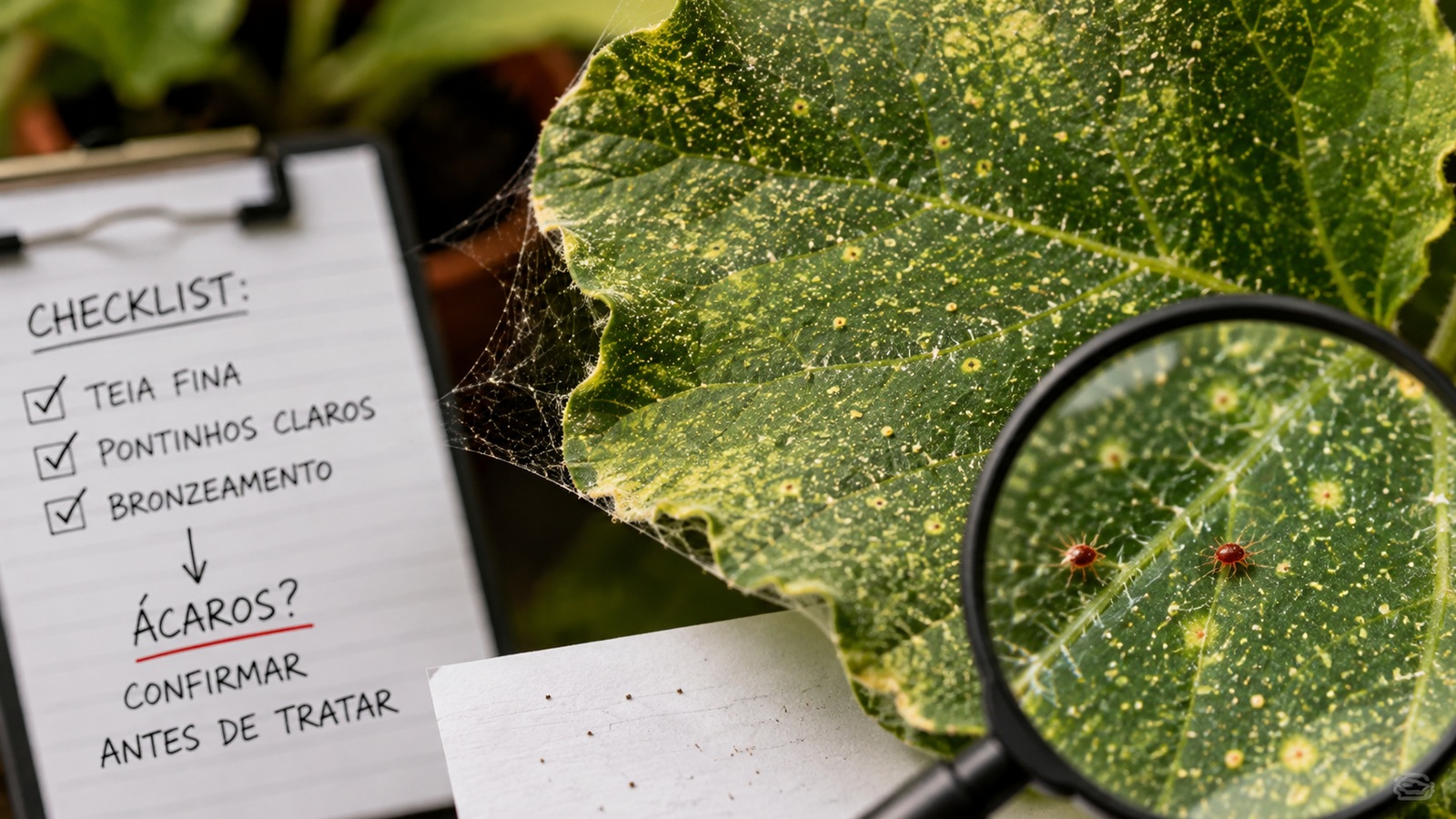
Fine webbing, stippling, and bronzing suggest spider mites, but confirmation comes from checking leaf undersides, using a hand lens, and the white-paper test.
Read articleContent with the most views.
Investigation of yellowing, dry edges, burns, deformations and different types of stains.
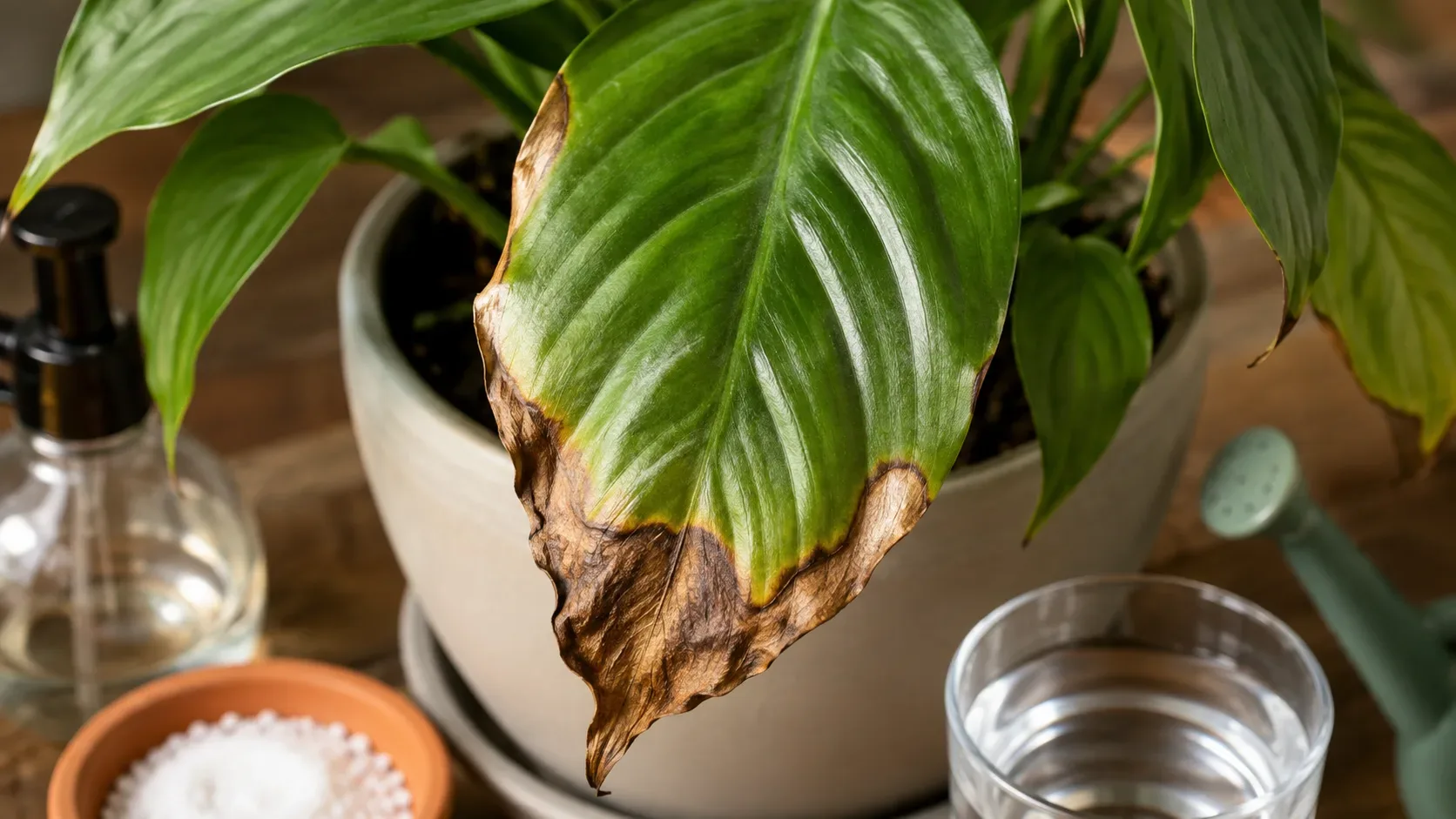
Brown tips do not automatically ask for water or fertilizer. See what signs separate dry air, irregular watering, accumulated salts and water problems.
Read articleUse leaf age, chlorosis pattern, pH and root signs to investigate iron deficiency, magnesium deficiency or poor uptake without fertilizing blindly.
Read articleExcess or lack of water, drainage, substrate, damaged roots and rot.
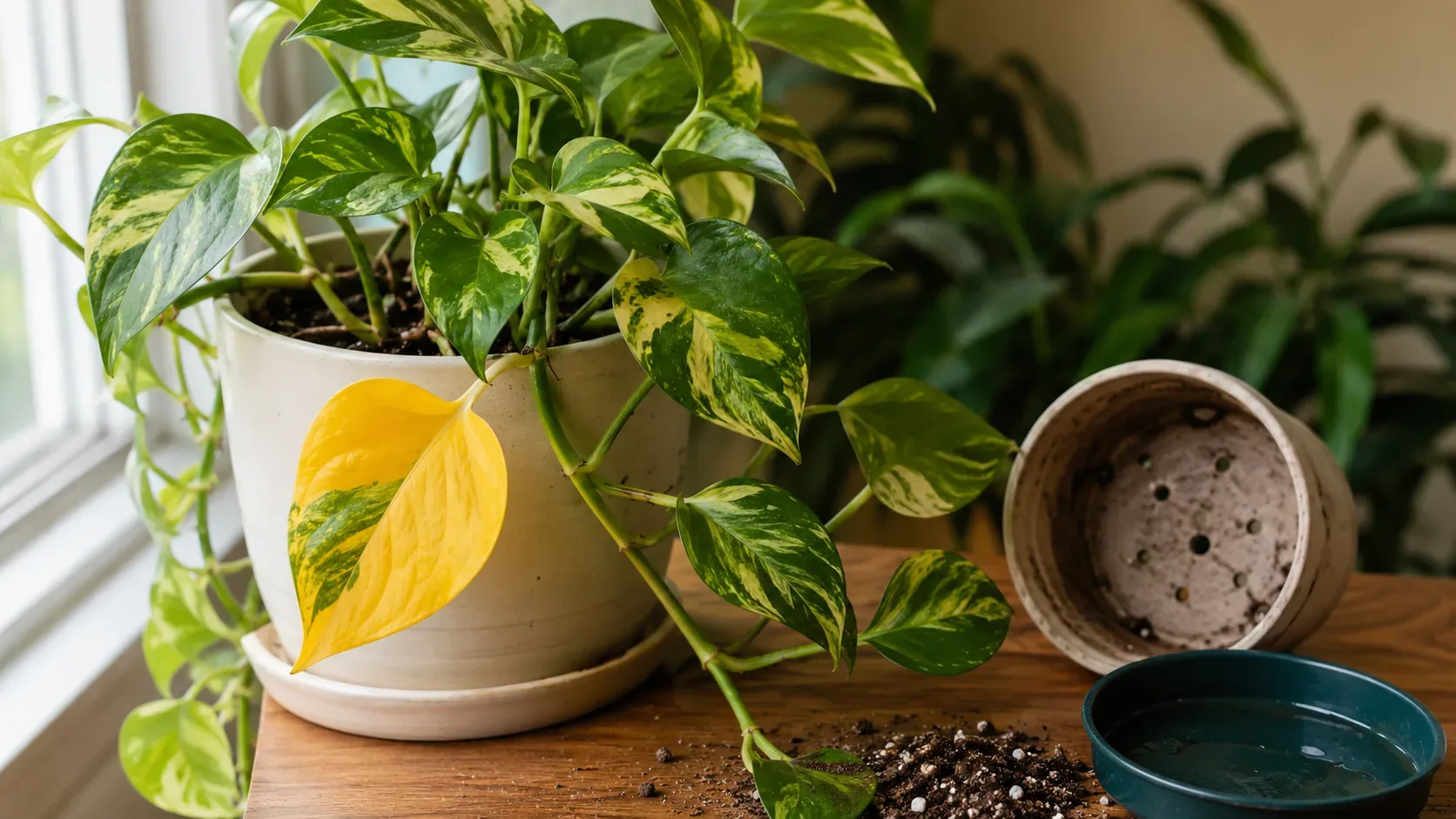
Yellow leaves on boa constrictors do not confirm the diagnosis. In three days, compare humidity, drainage, light and pattern before watering or changing the pot.
Read articleLearn to combine potting-mix moisture, drainage, growth and light to identify likely causes of leaf drop before changing your watering routine.
Read articleWilting in moist potting mix does not automatically mean thirst. Check drainage, heat, transplant stress, and roots before watering again.
Read articleA soft or translucent leaf does not automatically mean thirst. Learn how to combine potting-mix moisture, leaf texture and root condition before watering or repotting.
Read articleVisual identification, isolation, prevention and initial care when dealing with insects and possible plant diseases.
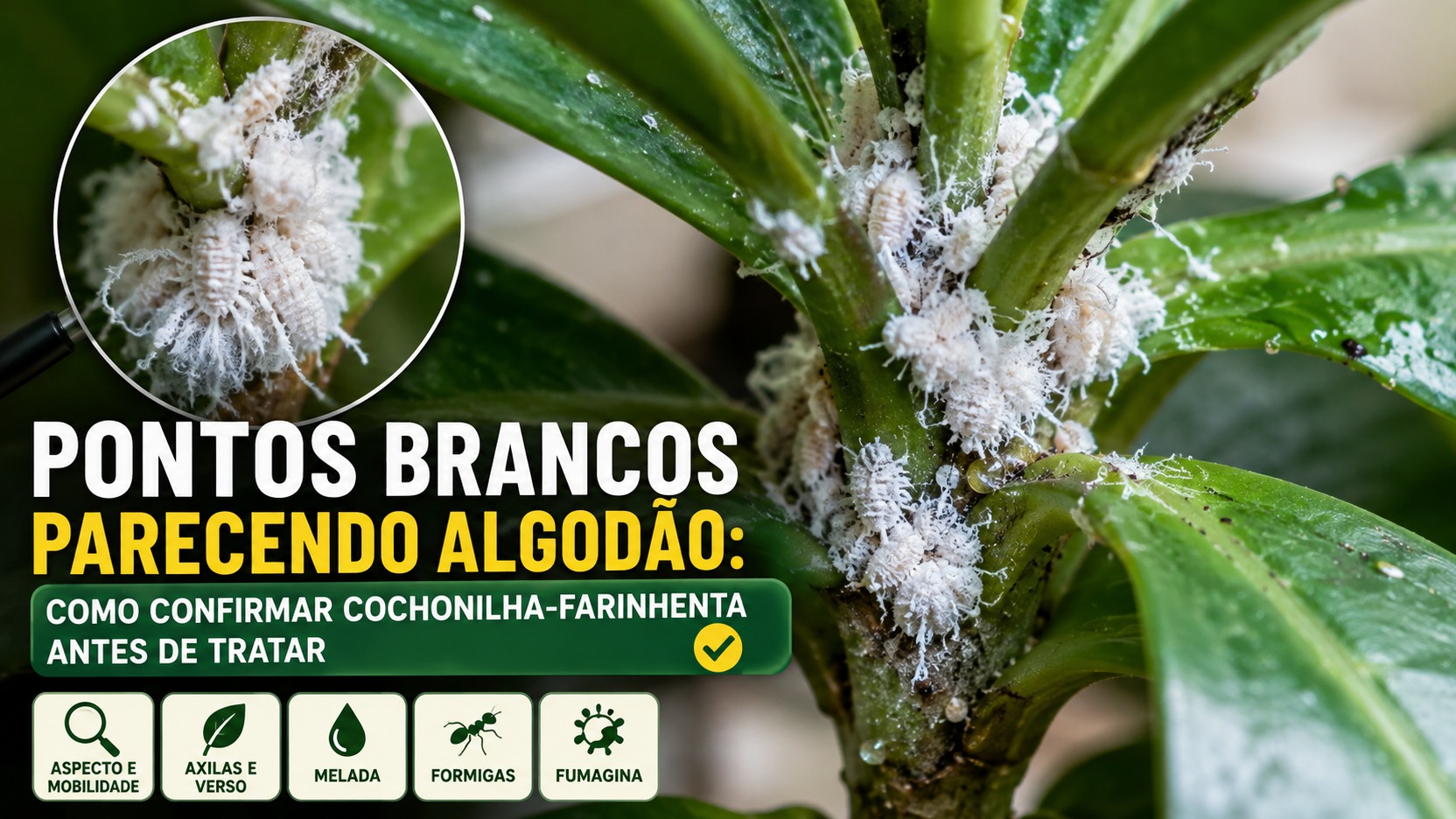
Learn how to confirm whether the white dots are mealybugs, where to look for hidden signs and how to choose the first measure without treating the plant in the dark.
Read article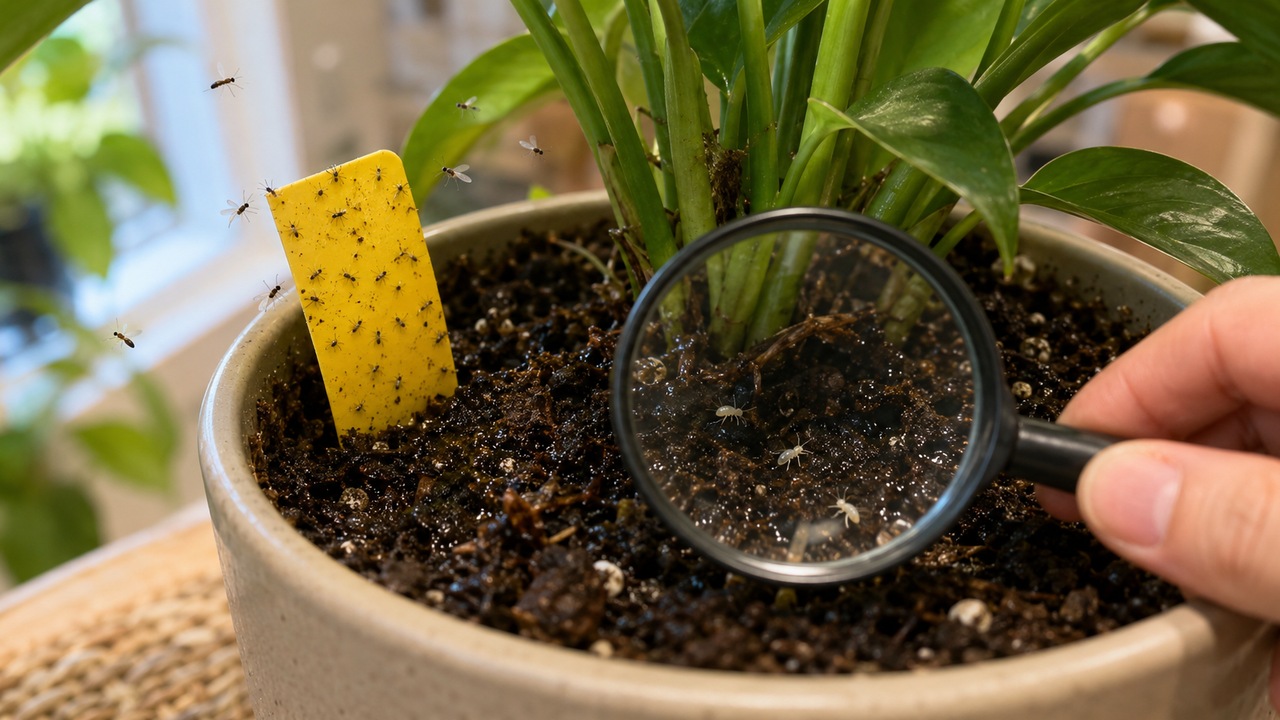
Learn to separate fungus gnats from springtails by behavior, confirm larvae in the substrate and choose measures that reach adults or larvae without drying the plant as a rule.
Read article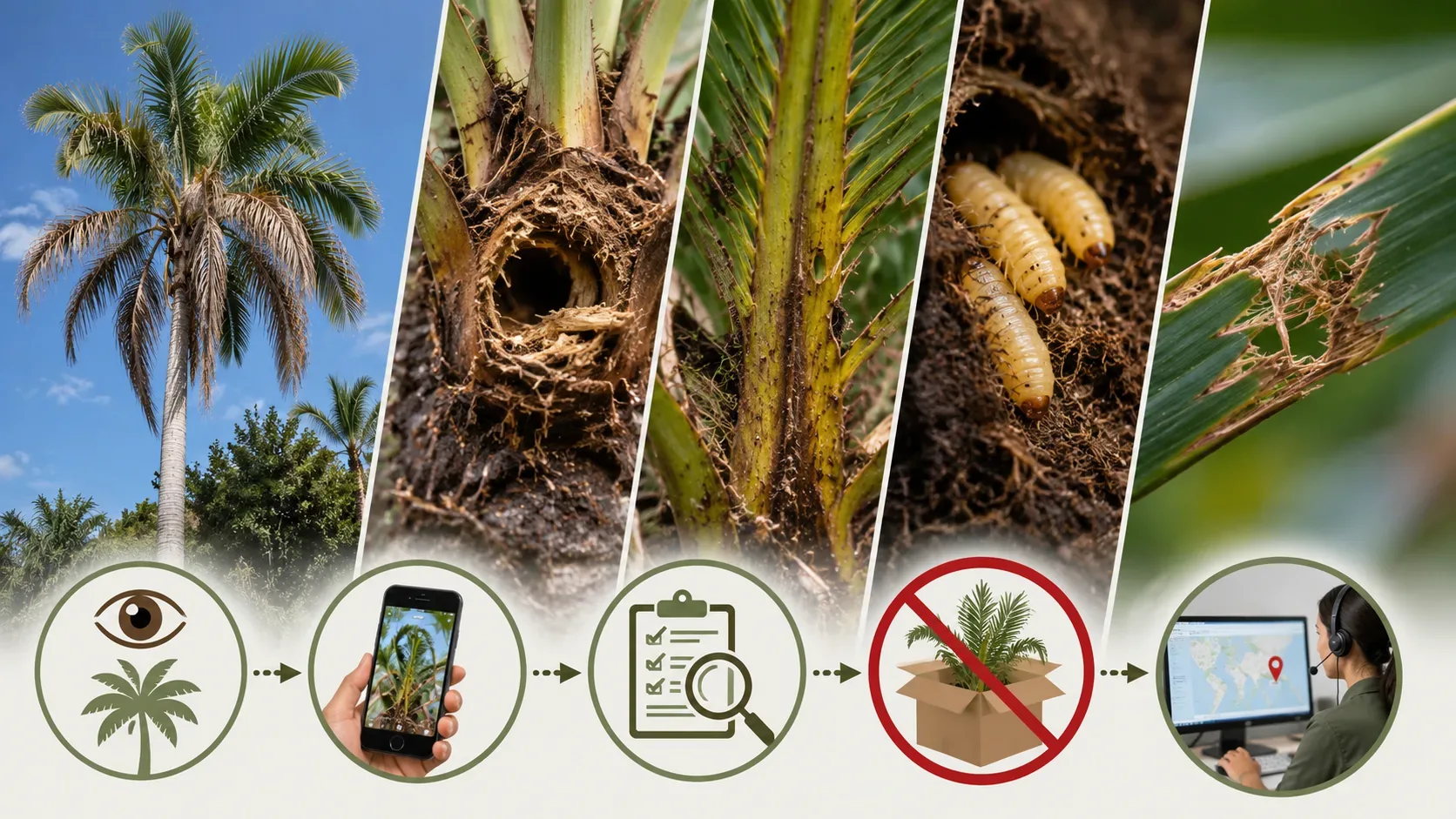
Understand which signs on palm trees deserve attention, why a photo does not confirm the red weevil and how to notify MAPA without manipulating the plant.
Read articleA practical key to tell whether stickiness comes from sap-feeding insects or the plant itself before applying any treatment.
Read articleWeak growth, elongated stems, crooked plants, lack of light, excessive sun and unsuitable environment.
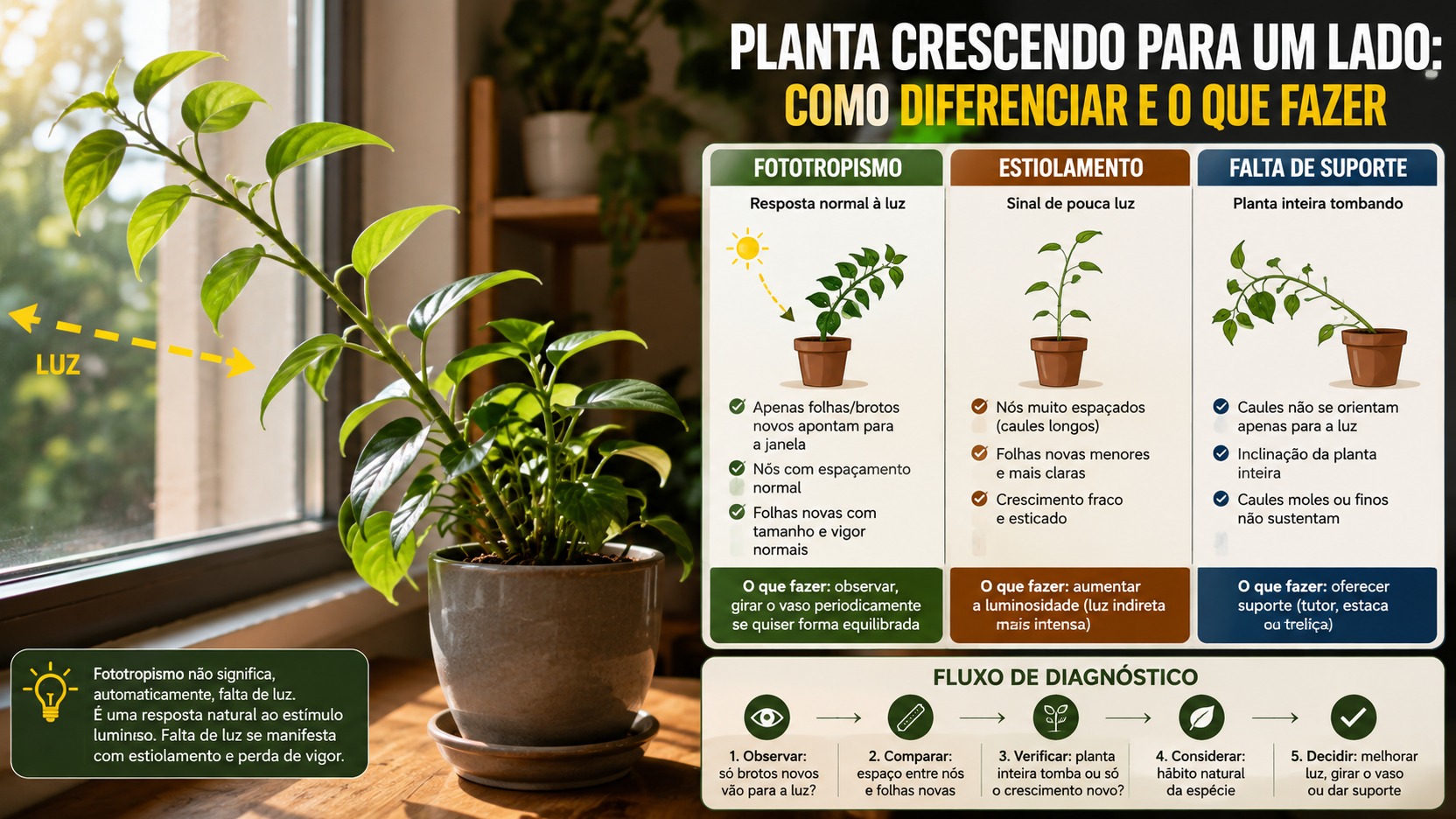
Leaning towards the window does not prove a lack of light. Here's how to read shoots, nodes, leaves, and stability to decide whether to observe, illuminate, rotate, or support.
Read articleSome houseplants can handle more spring sun, but the change should be gradual. Use this flexible 7–14 day framework, learn why morning sun is usually safer, and spot signs of leaf ...
Read articleLearn which signs point to sunburn after a sudden increase in light, how to distinguish it from drying and other stress, and how to acclimate the plant more safely.
Read articleLeaf Alert was created to help people who grow plants in houses and apartments investigate yellowing leaves, spots, pests, weak growth, and watering problems. Our content starts with symptoms, analyzes possible causes, and recommends a sequence of checks before any intervention. The blog separates observation, hypothesis, and confirmation, explains the limits of its recommendations, and updates articles when new evidence or corrections make that necessary.